What is a weighted plate carrier?
A weighted plate carrier holds steel or cast plates on your torso so you can add resistance to walking, rucking, and bodyweight training. Compared to a traditional sand-filled weighted vest, a plate carrier sits higher on the chest, keeps weight close to your center of mass, and usually rides more snugly. That tighter ride reduces bounce on runs, stairs, and fast rucks, and the fixed plate shape makes loading predictable.
Two common options are: 1) purpose-built carriers designed for fitness plates (clean edges, contoured shapes), and 2) tactical-style carriers adapted for training. For comfort, look for wide shoulder straps, breathable backing, and a low-profile cummerbund that won’t dig while you breathe hard.
How heavy should you go?
Use these starting points and adjust by feel and heart rate:
- Long walks/rucks (40–90 minutes): 5–10% of body weight. Focus on posture and nasal breathing.
- Tempo rucks or hill repeats (20–40 minutes): 10–15% of body weight. Keep steps quick, avoid overstriding.
- Calisthenics circuits (push-ups, squats, lunges, step-ups): 5–12% of body weight. Quality reps beat heavy loads.
Progress 5–10% total weekly volume or 2–5 lb of load at a time—never both in the same week. Balance plates front and back to keep a neutral spine, and lock the carrier so it doesn’t shift when you exhale hard or drop to a plank.
Simple programming that works
Consistency matters more than fancy protocols. Try this 2–3 day template for four weeks:
- Day A – Easy ruck: 30–50 minutes at conversational pace with 5–10% body weight.
- Day B – Strength circuit: 4–6 rounds of 8–12 squats, 8–12 push-ups, 10–12 step-ups/side, 30–45 sec plank. Rest 60–90 sec between rounds.
- Optional Day C – Hills or stairs: 20–30 minutes with 8–15% body weight. Short strides, tall posture.
Track distance, pace, load, and perceived exertion. If pace or form drops sharply, keep the weight steady another week.
Estimate your calorie burn
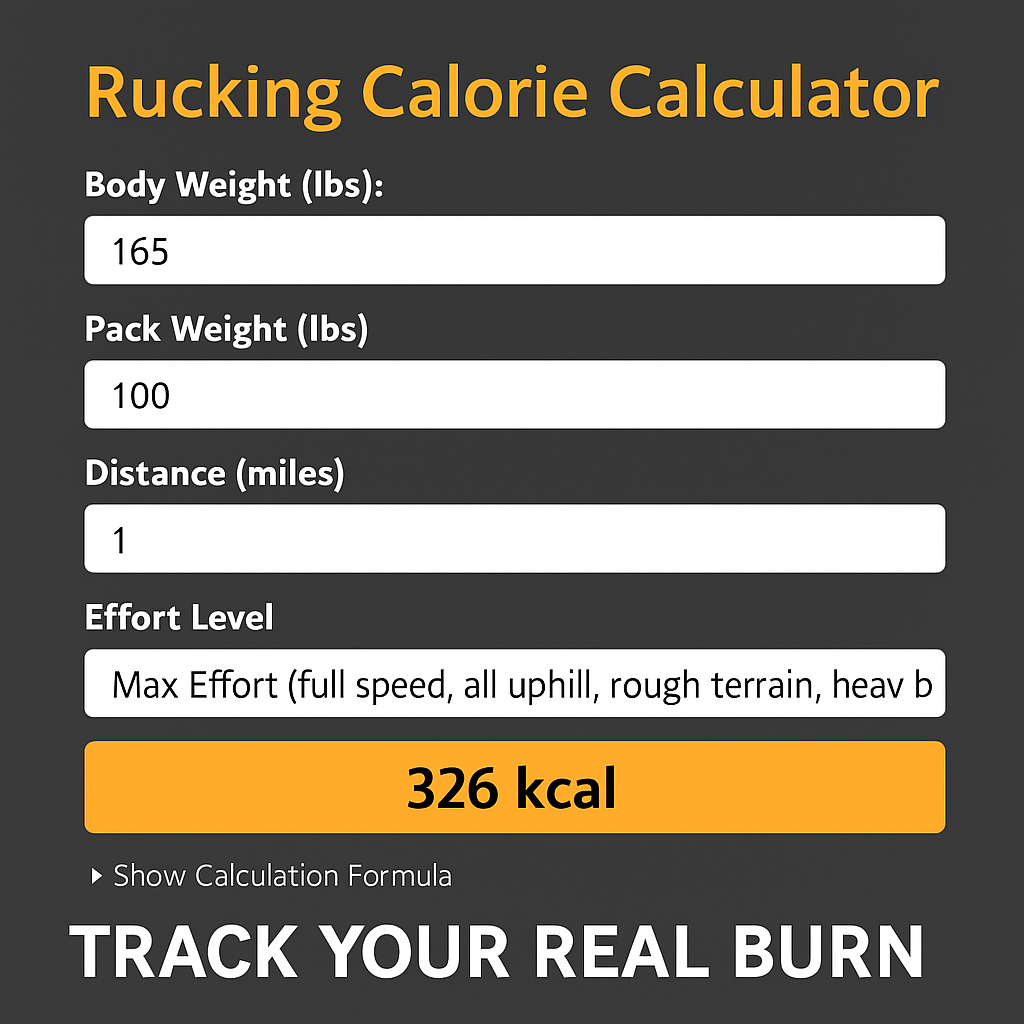
When you add external load, energy cost rises fast. Use this calculator to estimate burn for your weight, distance, terrain, and pack/vest mass. It’s helpful for dialing nutrition on training days and planning weight-loss phases.

Fit, comfort, and technique tips
- Set strap length so the bottom of the front plate sits above the diaphragm; you should breathe fully without the plate jamming your ribs.
- Snug, not suffocating: tighten until bounce disappears during a few test jumps and quick steps.
- Layer smart: a smooth synthetic or merino base layer reduces hot spots under the shoulders and along the lower sternum.
- Footwork: shorter strides and a slight forward lean from the ankles protect knees and low back under load.
- Recovery: maintain calf/hip flexor mobility, and add 5–10 minutes of easy walking after circuits to normalize heart rate.
Recommended plate carrier gear
If you want a purpose-built, stable ride, the GORUCK Ruck Plate Carrier 3.0 is a proven option with dense foam on the straps and plate cavity designed for ruck plates.

For budget-friendly loading, pair your carrier with a durable plate like the Yes4All Ruck Weight Plate in the 10–30 lb range to progress gradually.

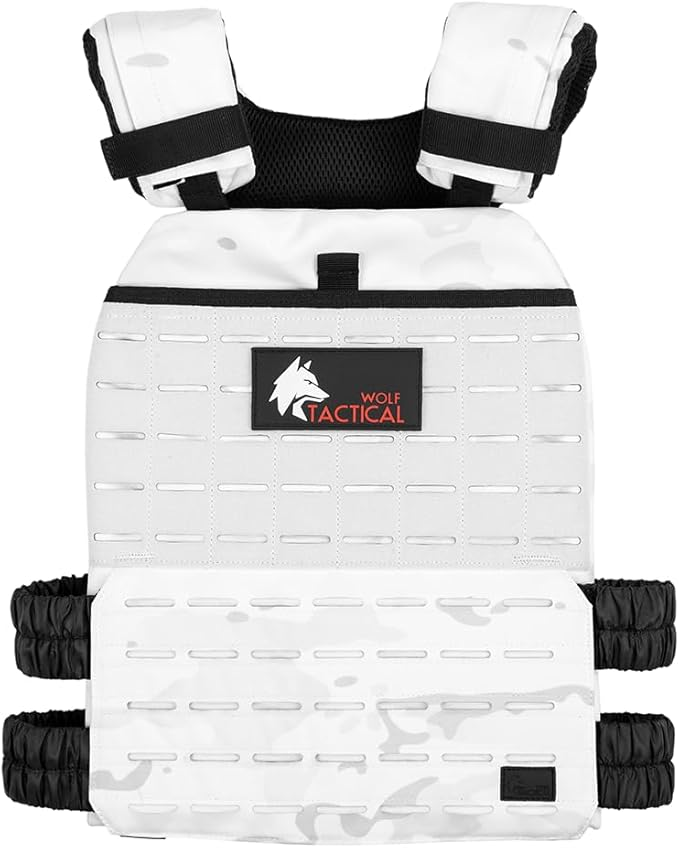
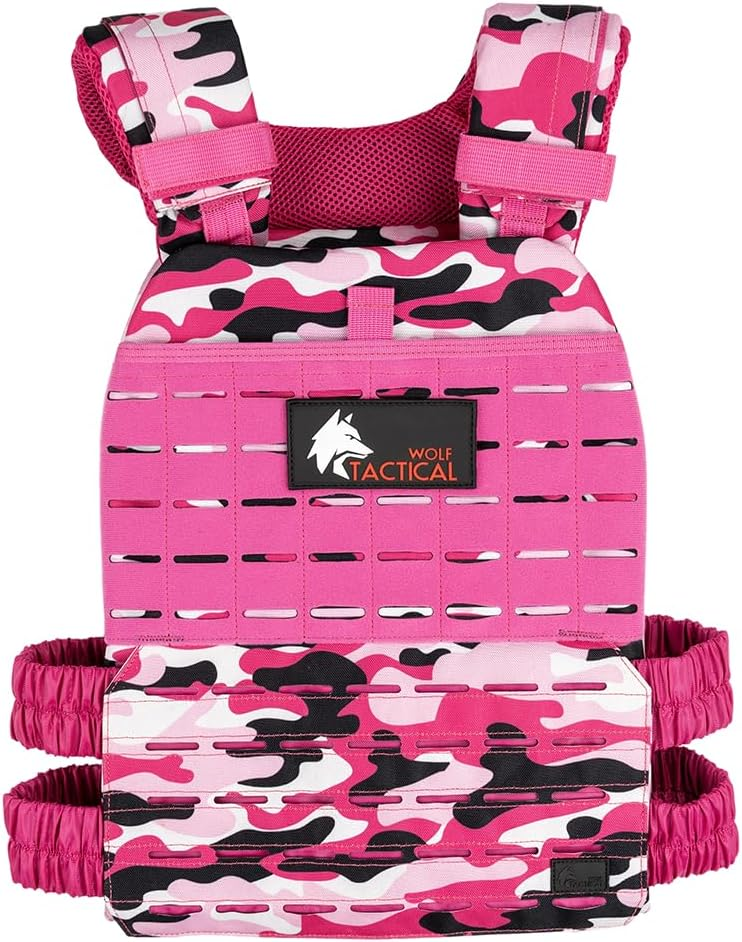
If you’re swapping weights between sessions, the WOLF TACTICAL Weight Vest Plates come in pairs with smooth edges that sit comfortably during push-ups and burpees.

Bottom line
A well-fitted weighted plate carrier can upgrade your conditioning without complicated programming. Start light, move well, progress methodically, and let the data—pace, effort, and the calorie calculator—guide your next jump in load or volume.