Why weighted plates for plate carrier matter
Weighted plates in a plate carrier are an efficient way to load your torso for rucking, tactical conditioning, and strength-endurance work. When you understand plate material, size, and distribution you get predictable movement mechanics, better posture, and fewer hotspots on long walks.
My approach (practical, progressive)
I’m Preston Shamblen, ISSA-certified, and I lost 90 lbs through rucking, weighted-vest training, and disciplined nutrition. I still recommend weighted vests and structured plate carriers as one of the most reliable ways to maintain a lower body weight and burn fat consistently. The rules below are what I use when advising clients or planning my own sessions.
Key differences: plate carrier plates vs ruck plates
- Shape and fit: Plate carrier plates are flatter and sized to sit high on the chest and back; ruck plates are often rounded to sit lower in a backpack.
- Material: Steel plates are thin and compact but can shift and create pressure points; rubber-coated or urethane plates (and purpose-made ruck plates) are more comfortable for long rucks.
- Weight increments: Choose predictable increments—10 lb or 20 lb plates let you progress gradually without destabilizing posture.
How to choose the right plates
Consider these practical factors before you buy:
- Purpose: Short, heavy carries and calisthenics favor dense steel or cartridge plates. Long-distance rucks favor padded or rubber plates and smaller increments.
- Volume vs weight: If you want more weight without bulk, steel is smaller but harder on clothing and body; urethane or rubber is softer and more ruck-friendly.
- Fit and coverage: Plates should cover the upper torso without restricting shoulder movement. If you feel pinching, change plate shape or carrier size.
- Progression: Add weight in 5–10% bodyweight steps for rucks; for strength circuits you can increase more aggressively but prioritize technique.
Product picks for plate carrier use
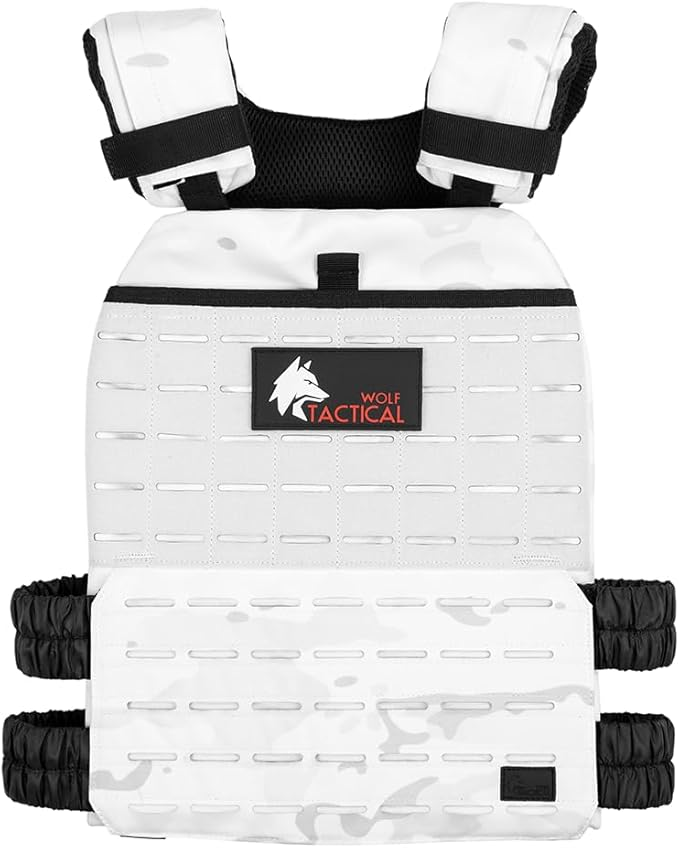
For a plate carrier designed to handle training plates, I recommend a purpose-built carrier and ruck-style plates that minimize hotspots.

Consider the GORUCK Ruck Plate Carrier 3.0 when you want a stable platform for plates that stay put during high-step rucks and carries.

A reliable option for incremental loading is the Yes4All Ruck Weight Plate, especially if you want to add modest increments without reshaping your carrier.
Programming and safety checklist
- Start with bodyweight-only walks to groove posture and breathing. Add plates after technique is stable.
- Limit single-session increases to 5–10% bodyweight for endurance rucks; assess soreness and movement the next day.
- Keep plates centered and low enough that they don’t force a forward-head posture—adjust carrier height or padding as needed.
- Use padding or an inner plate sleeve to reduce chafing and pressure points on longer efforts.
Estimate your session impact
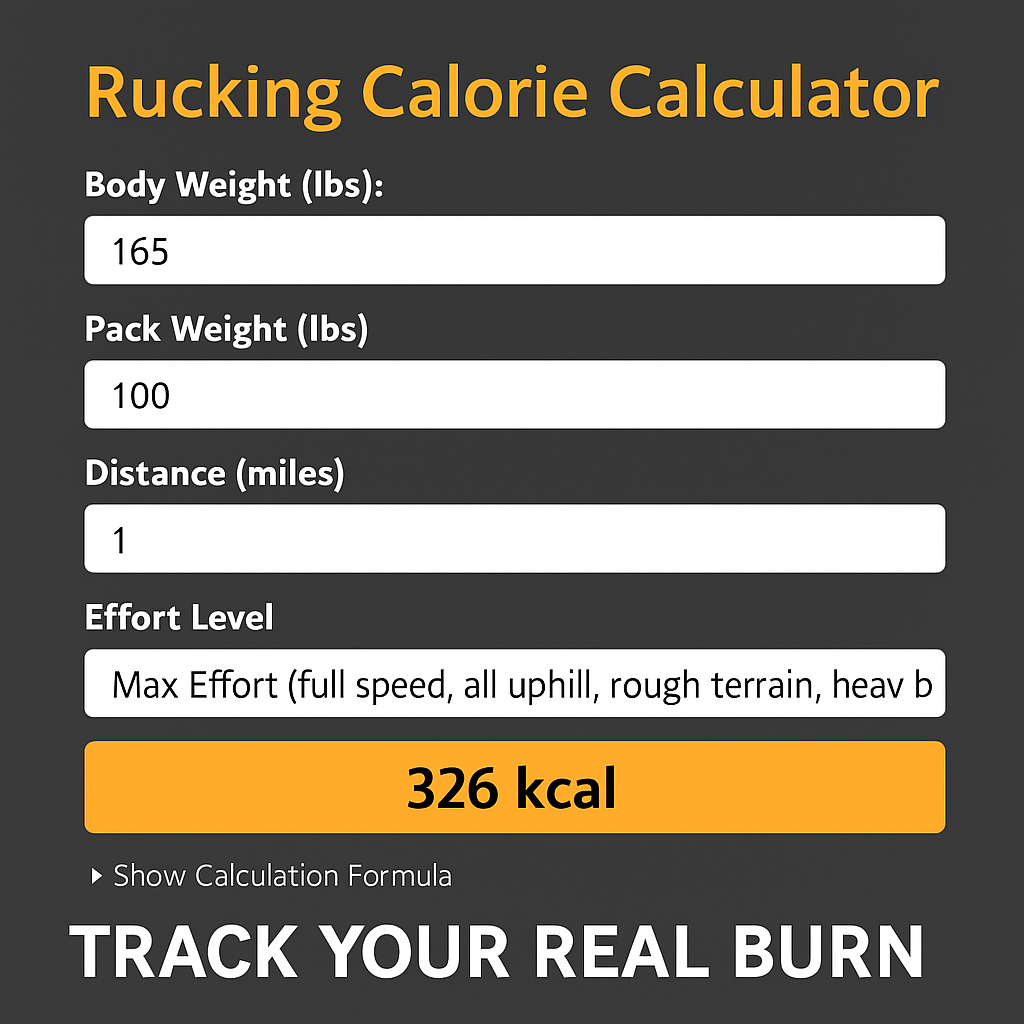
To estimate calorie burn and plan a progression, use the rucking calorie calculator below. It helps turn plate choices into training targets for weekly volume and energy intake.

Final notes
Weighted plates for plate carrier are simple tools that deliver reliable results when matched to your goals: choose comfort and incremental loading for long rucks, or denser plates for short, heavy conditioning. Start conservative, track how your body responds, and use the calculator to quantify training load and recovery needs.