When and why a weighted vest 100lbs makes sense
A true 100 lb weighted vest is not a beginner accessory. At that load you’re using the vest as a dedicated strength and conditioning tool: heavy ruck-style carries, loaded calisthenics, hill sprints, and pack-style endurance. This article covers safety, programming, and practical gear choices so you can use a 100 lb vest without breaking form or your joints.
Safety first: what to check before you load
- Assess structural readiness: be comfortable with bodyweight calisthenics, farmer carries, and progressive rucking first.
- Joint prep: prioritize hip, knee, and ankle strength plus thoracic stability. Mobility limits will amplify load stress.
- Progress slowly: don’t jump to 100 lbs. Build in 10–20% load increases over weeks, and monitor recovery.
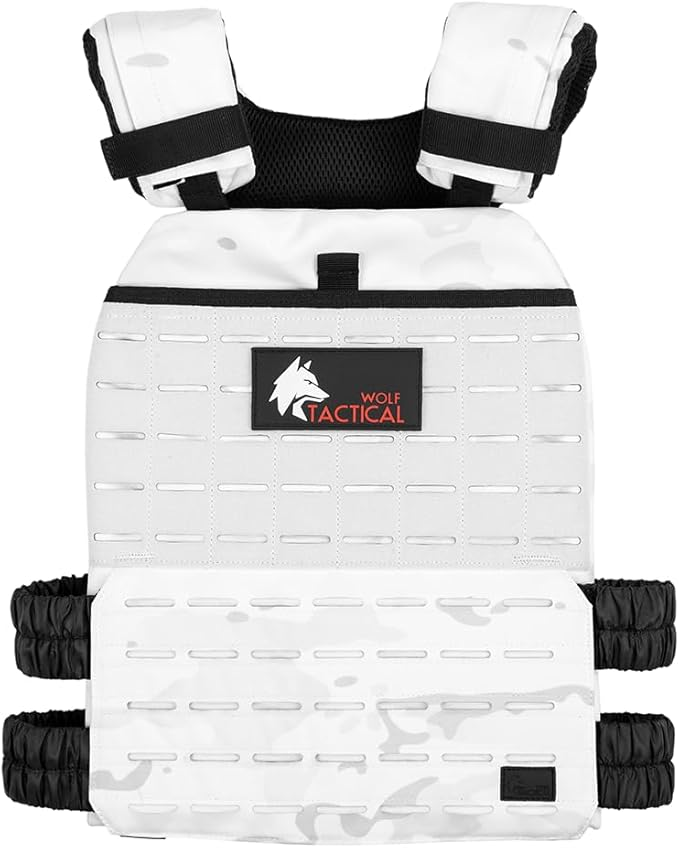
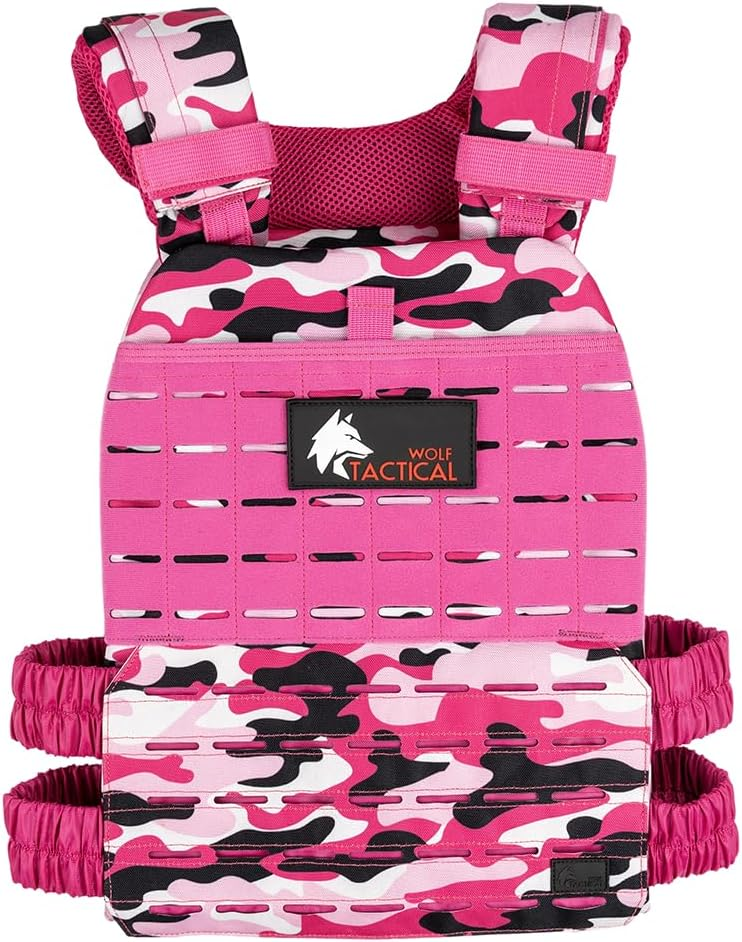
- Vest fit matters: a poorly fitting vest shifts and creates torque. Use plate-compatible vests or plate carriers meant for heavy loads.
Sample progressions for reaching 100 lb
Work in phases: volume, intensity, and specificity. Below is a simple 12-week example to work toward handling 100 lb for short durations.
- Weeks 1–4: Build base — walks and short rucks with 10–30% of target load, 3x week, focus on posture and cadence.
- Weeks 5–8: Mixed strength — add loaded carries, 2–3 sets of 60–120 seconds with 40–70% of target load. Include squat/hinge strength work off-vest.
- Weeks 9–12: Peak exposures — brief 100 lb exposures for 1–3 minutes, then alternate heavy short carries with recovery days. Keep total weekly time under control.
Programming tips
- Prefer shorter, more frequent heavy exposures rather than long slow walks at max load—this protects joints and builds strength.
- Warm up joints and perform breathing drills before heavy sets to reduce shear forces on the spine.
- Track perceived exertion and pain separately; soreness is normal, sharp joint pain is not.
Gear recommendations for a true 100 lb setup
When you’re planning to carry or wear 100 lbs, use gear designed for plates or large load inserts. For heavy strength-based loading the Kensui EZ-VEST® MAX V2 is built to handle very heavy loads and keep the weight stable.

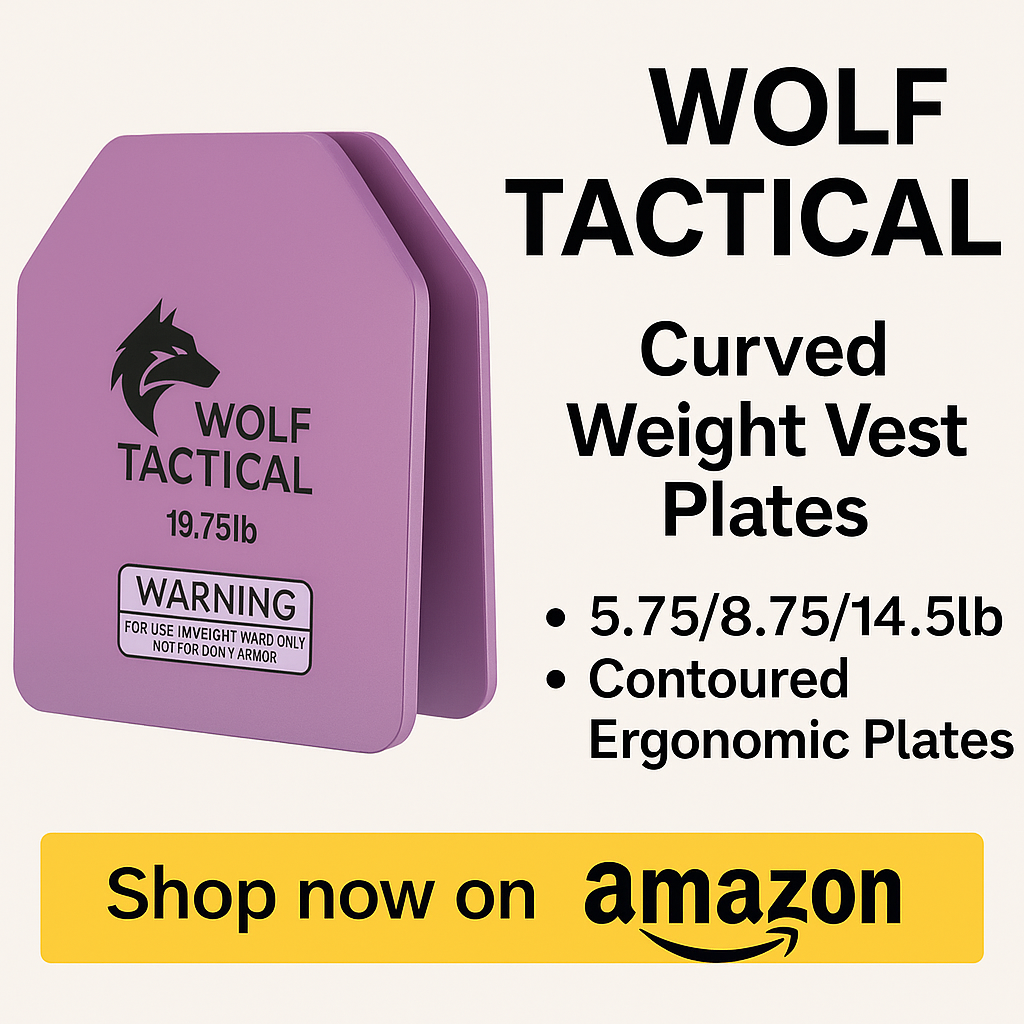
If you want scalable plates to add into a carrier or backpack, Yes4All Ruck Weight Plate pairs let you build to 100 lbs incrementally and are useful for mixed rucksack setups.

Measure effort and manage calories
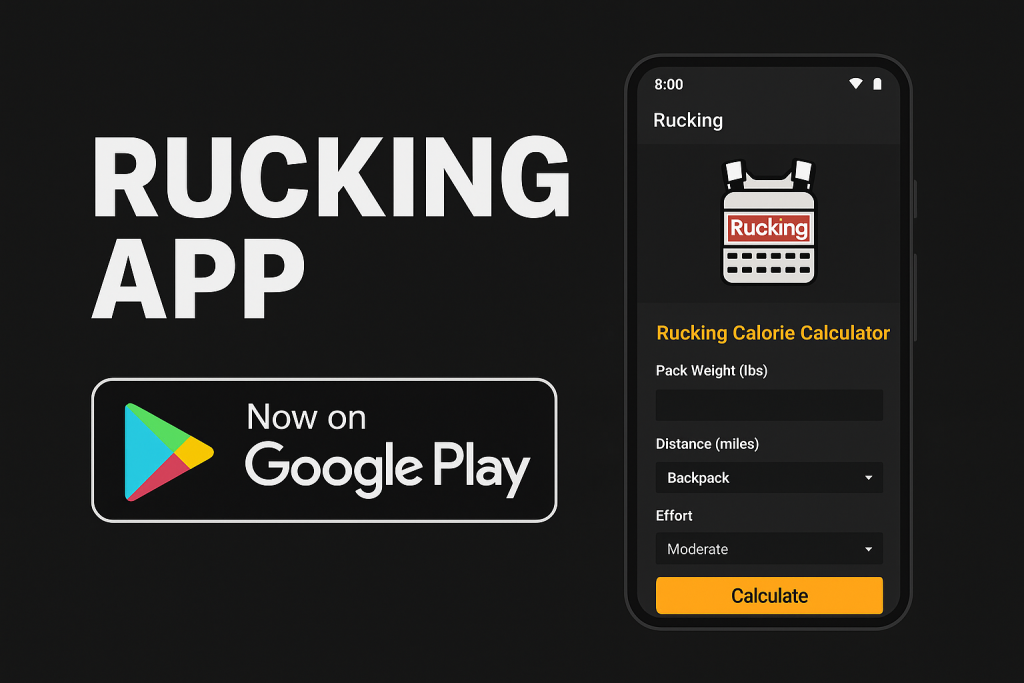
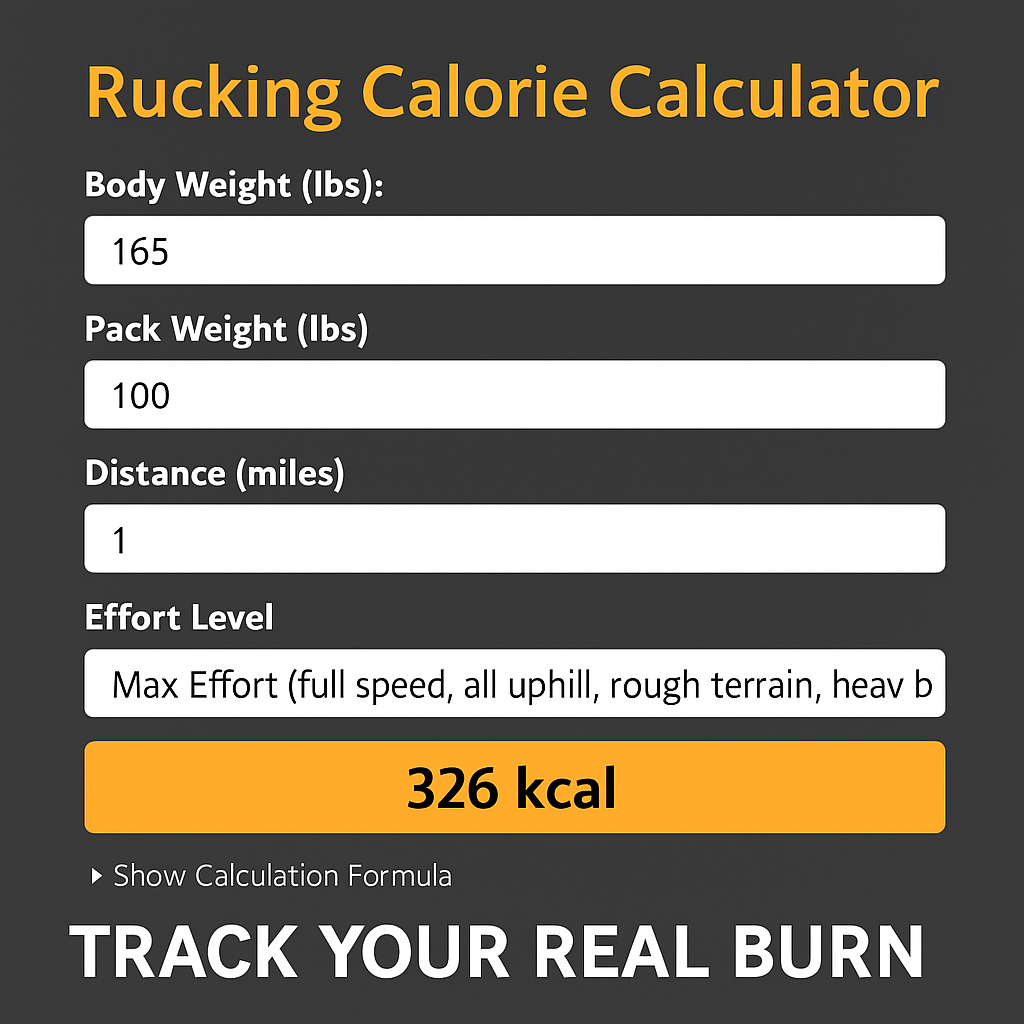
At heavy loads your calorie burn increases substantially—but so does recovery demand. Use the Rucking Calorie Calculator to estimate session burn and plan nutrition and recovery around it. Click the screenshot below to open the calculator and input your bodyweight, pace, and load.

A final note from my experience
As the founder of this site and an ISSA-certified trainer, I lost 90 lbs through disciplined rucking, weighted-vest training, and nutrition. Heavy vests like a 100 lb setup are advanced tools—when used properly they’re one of the most reliable ways to build functional strength while maintaining low body fat. Progress deliberately, prioritize joint health, and use gear built for the load.
Quick checklist before you try 100 lbs
- Consistent baseline fitness for 3–6 months
- Properly fitted, plate-capable vest or carrier
- Planned progression and deload weeks
- Hydration and nutrition to support recovery
Get the numbers from the Rucking Calorie Calculator, choose a heavy-duty vest like the Kensui for strength-focused work, and approach 100 lbs with respect and a plan.