Why a weighted vest for adults is a practical tool
Weighted vests are one of the simplest, most consistent tools for increasing calorie burn, improving posture, and making walking or bodyweight work more effective. For adults balancing work, family, and limited gym time, a vest adds progressive overload without a complex program. Below I outline what matters for fit, safety, and everyday training so you can pick the right vest and use it reliably.
Key fit and comfort considerations
If a vest rides up, chafes, or concentrates load on the shoulders, you won’t keep using it. Focus on three things:
- Adjustability: Look for multiple points of adjustment so the vest sits snug across the chest and upper abdomen without rocking.
- Weight distribution: Plates or internal pockets that spread load evenly reduce shoulder strain and let you maintain better posture.
- Ventilation and padding: Thick foam or air channels under the front plates make long walks and rucks tolerable.
Recommended beginner-friendly adult vests
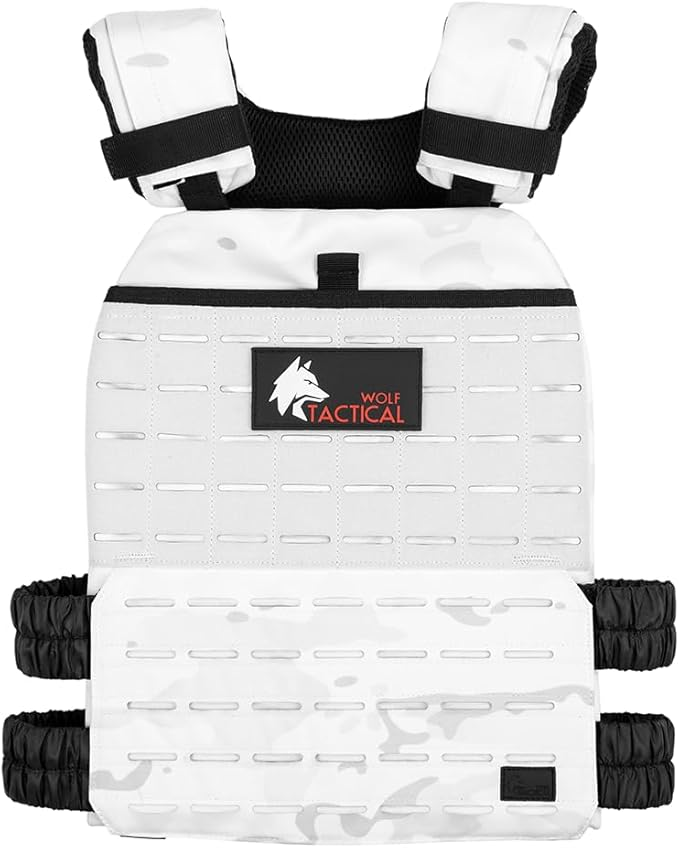
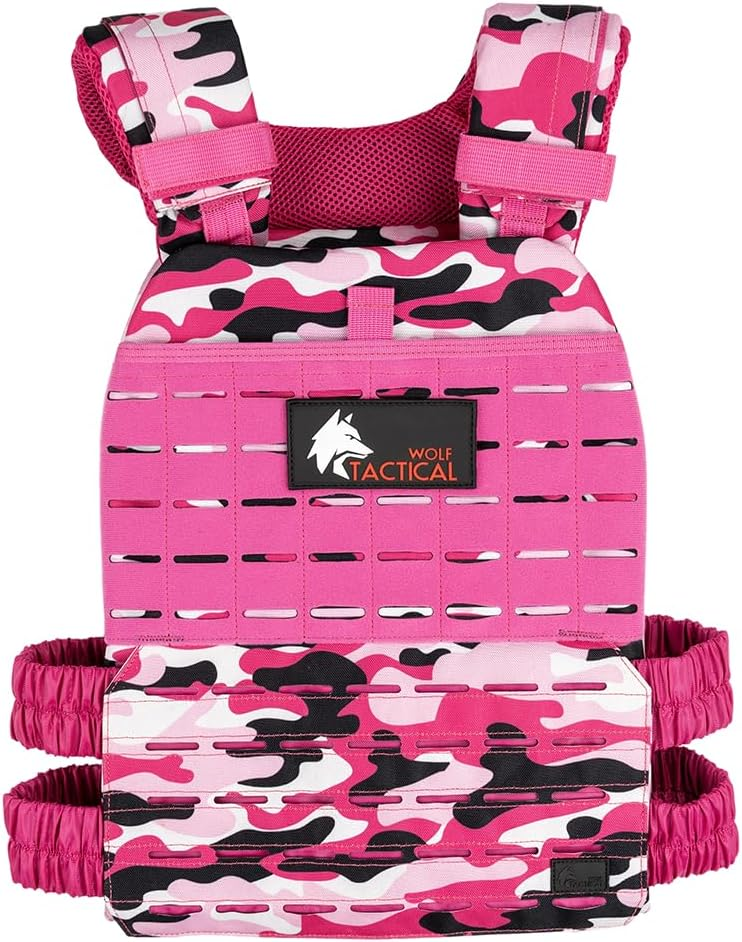
For adults new to weighted vests, I favor vests designed for daily comfort and incremental loading. Two reliable choices are the Wolf Tactical simple designs and the 5.11 TacTec trainer for a more performance-focused option.

See the Wolf Tactical Simple Weighted Vest for a user-friendly fit that’s easy to add to walks or bodyweight sessions.

The 5.11 TacTec Trainer Weight Vest is a good step up when you want a low-profile, secure fit for higher-intensity intervals or calisthenics.
How to start using a vest safely
Start light. For most adults new to added load, begin with 5% to 10% of body weight and prioritize movement quality. A simple progression plan:
- Week 1–2: 10–20 minute walks with the vest at low weight to test fit.
- Week 3–6: Increase duration to 30–45 minutes, add short hills or tempo segments.
- After week 6: Gradually add 5% bodyweight increments only if posture and joints feel good.
Programming tips for busy adults
Integrate vest work into two to four weekly sessions: one longer steady walk (30–60 minutes), one mixed interval or hill session, and one short bodyweight circuit with the vest worn for 10–20 minutes. Keep total added weight reasonable; consistency beats big jumps.
Estimate your calorie burn (quick calculator)
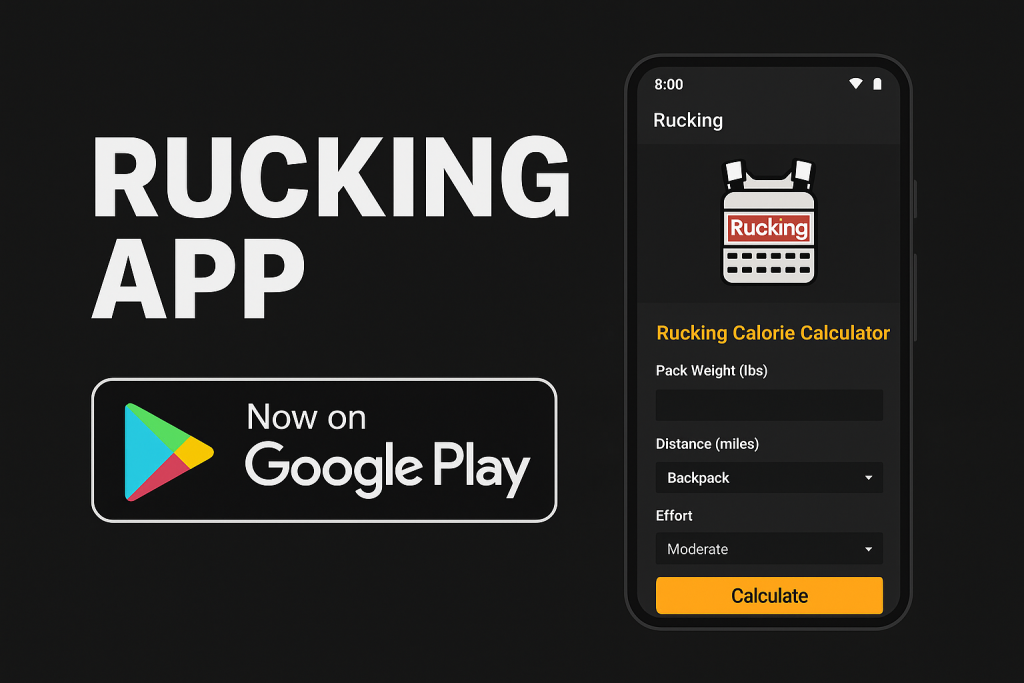
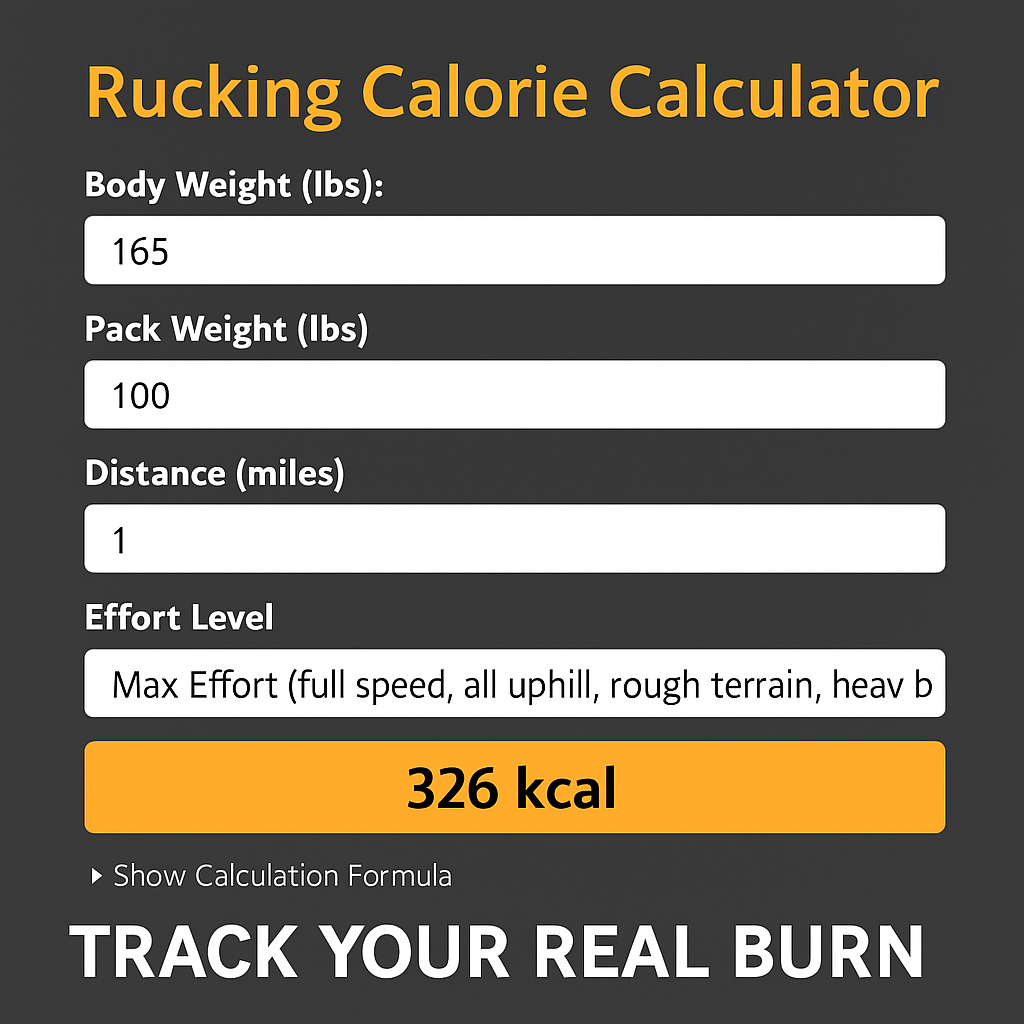
Use the Rucking Calorie Calculator to estimate how many calories your vest walks burn based on weight, speed, and load. Click the screenshot below to go directly to the calculator and plug in your numbers.

That calculator is the most practical tool I recommend when planning sessions and keeping weight-loss or maintenance realistic.
Final notes from an ISSA-certified trainer
As someone who emphasizes reliable, repeatable training, I recommend vests that encourage daily use. If you’re unsure which route to take, choose comfort and adjustability over maximum weight. I lost 90 lbs through consistent rucking, weighted-vest work, and disciplined nutrition, and I still recommend weighted vests as one of the most reliable ways to maintain lower body weight and burn fat consistently.

Choose a vest that fits, practice progressive loading, and use the calculator above to keep your training measurable and safe.