Why adults use a weighted vest for anxiety
Weighted vests deliver gentle, constant pressure across the torso that can reduce physiological arousal and ground attention. For adults with situational anxiety, sensory processing differences, or those who benefit from deep pressure, a low-profile vest provides a discreet, portable tool you can use during work, commuting, or walks.
Who should consider a weighted vest
- Adults seeking non-pharmacological, behavioral support for mild-to-moderate anxiety or restlessness.
- People who respond well to deep-pressure input (many describe it as a calming hug for the nervous system).
- Those who can tolerate a few pounds against the chest and back without breathlessness or cardiovascular issues.
Choosing the right vest: fit, weight, and materials
The right vest balances calming pressure with comfort. For adults using a weighted vest for anxiety, prioritize adjustability, breathable fabric, and a low center of mass so the weight hugs your torso without bouncing.
Practical selection rules
- Start light: 2–10% of your body weight is a safe starting guideline for calming purposes. Many adults use 5–7% initially and adjust from there.
- Choose a snug, but not restrictive, fit. The vest should sit close to the chest and upper back and not impede deep breaths.
- Prefer small plates or sand inserts that distribute pressure evenly rather than a single heavy block.
- Opt for breathable mesh or soft neoprene if you’ll wear it during work or longer outings.
How to build a simple wearing routine
Create structure so you get benefit without habituating to the pressure. A starter routine might be:
- 10–20 minutes during high-anxiety moments (before a meeting, during transit).
- 30–60 minutes for scheduled calming sessions (walking, seated deep-breathing).
- A maximum of a few hours total per day at first; increase only if you find consistent benefit and no adverse effects.
Safety and medical considerations
Weighted vests are not a substitute for medical care. Avoid use if you have uncontrolled heart or lung disease, recent abdominal surgery, pregnancy without medical clearance, or any condition that makes breathing difficult. If you feel lightheaded, short of breath, or experience chest pain, remove the vest and seek care.
Recommended beginner-friendly vests
For anxiety-focused wear I favor comfortable, adjustable vests that won’t draw attention or restrict breathing. Two options to consider:
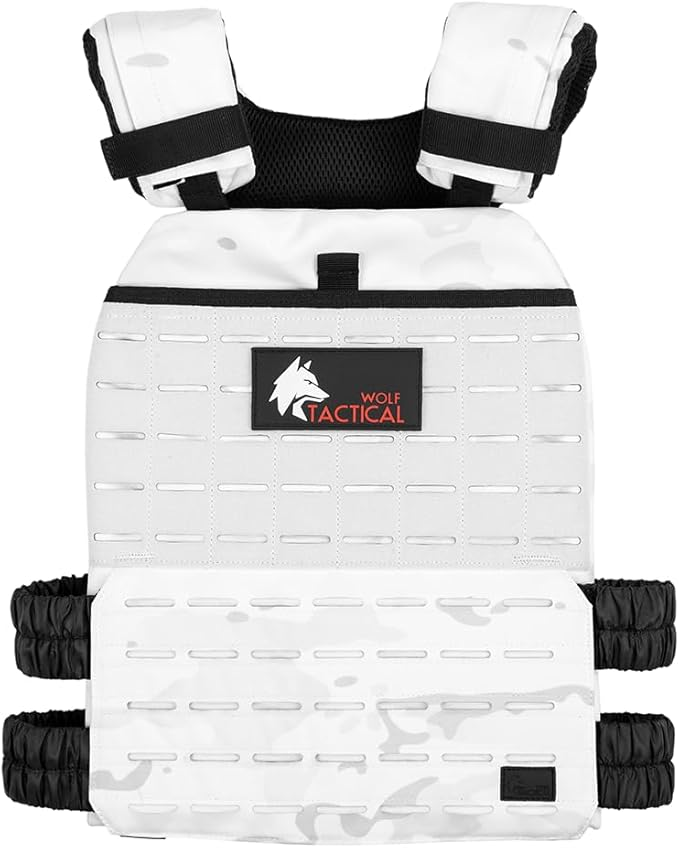
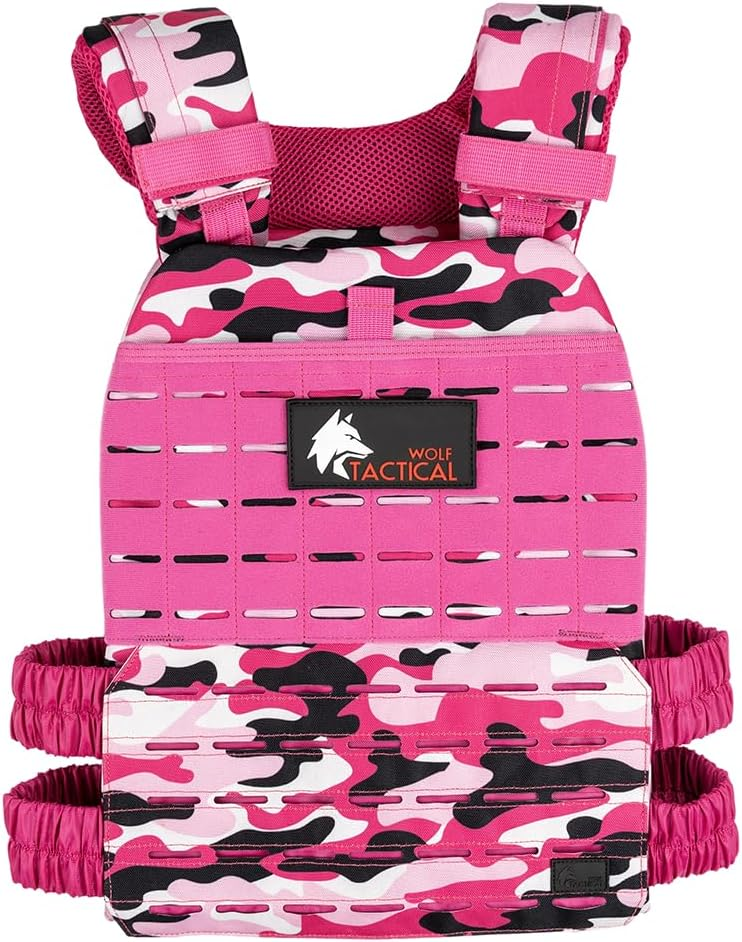
WOLF TACTICAL Simple Weighted Vest (Men/Women) is a low-profile option that fits close to the body and uses discrete weight inserts for even pressure.

BAGAIL Adjustable Weighted Vest (4–10 lb, pink) is an ultra-light option for testing how the pressure feels before stepping up weight.

Track your response and adjust
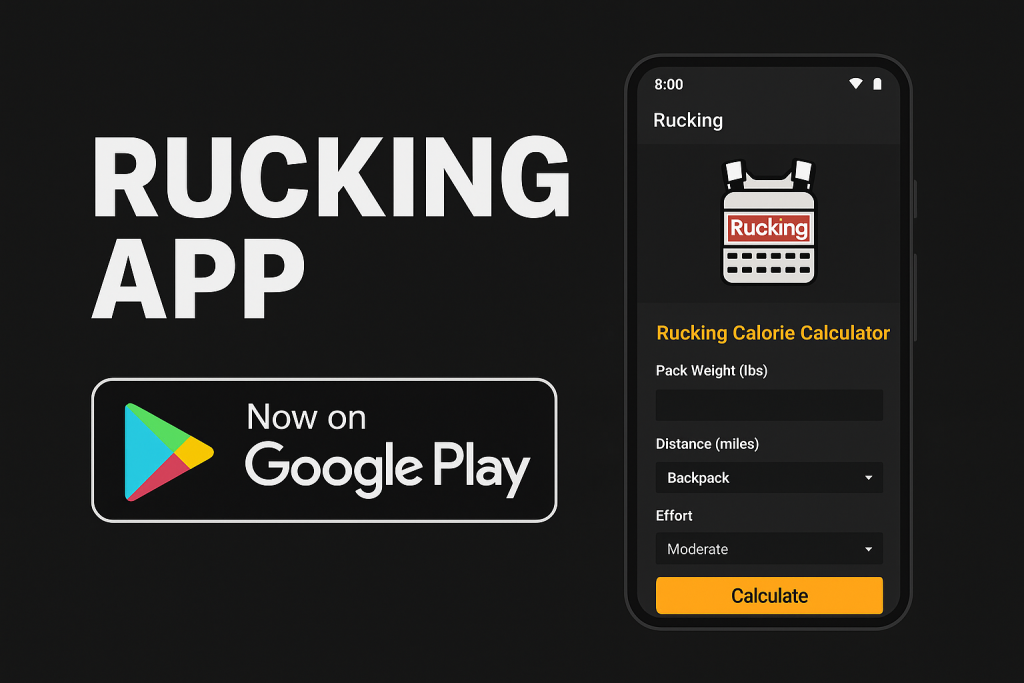
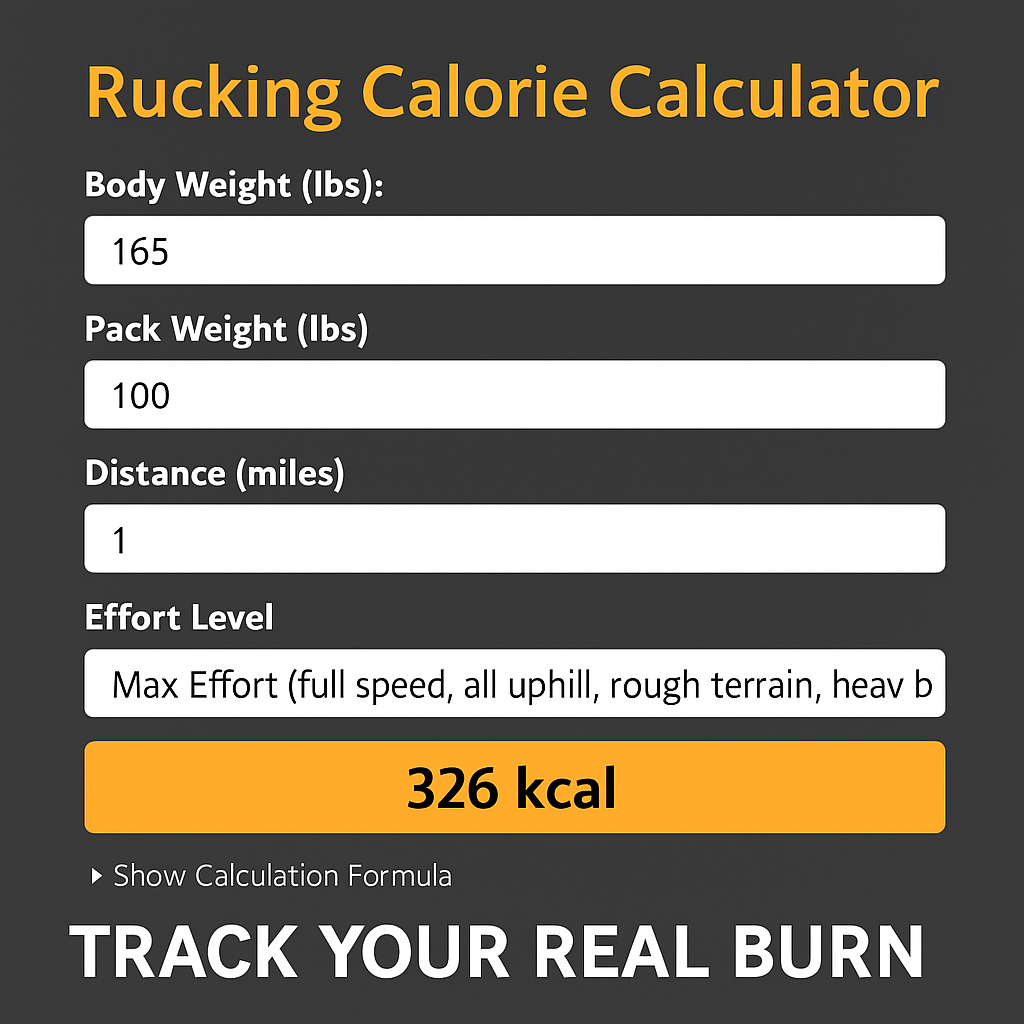
Keep a simple log: time worn, weight used, subjective anxiety before and after (0–10). Look for consistent downward shifts over 1–2 weeks. If you want to pair wearing with walking or light activity, the Rucking Calorie Calculator helps estimate calorie burn and session intensity.

Final practical notes
Weighted vests can be a low-cost, low-risk tool for adults seeking somatic support for anxiety when used thoughtfully. Start light, prioritize comfort, track how you feel, and consult your clinician for persistent or severe symptoms.