Why a proper weighted vest for big guys matters
When you carry extra mass—either naturally or by design—fit and load distribution become the difference between productive training and chronic soreness. A weighted vest for big guys must handle larger torso dimensions, wider shoulders, and higher load tolerances while keeping weight centered and secure. Done right, it turns rucks and walks into reliable calorie burners and makes bodyweight work feel more challenging without compromising posture.
Key fit factors for larger builds
- Adjustable sizing: look for wide velcro panels, multiple adjustment points, and extensible cummerbunds.
- Load distribution: plates or integrated pockets should sit over the sternum and mid-back, not ride up under the arms.
- Padded contact areas: thicker shoulder and rib padding prevents chafing, especially during longer rucks.
- Capacity: heavier trainees need higher plate capacity—don’t buy a vest that maxes out well below what you plan to use.
Choosing the right product for big guys
For men and women with larger frames, there are two practical approaches: a heavy-capacity performance vest built for serious loading, or a comfortable tactical vest built for daily movement and longer rucks. The Kensui EZ-VEST® MAX V2 is designed for very high loads and large users; if you plan progressive resistance or weighted calisthenics it’s a legitimate option. For everyday rucking and comfort, a well-padded tactical-style vest works better.

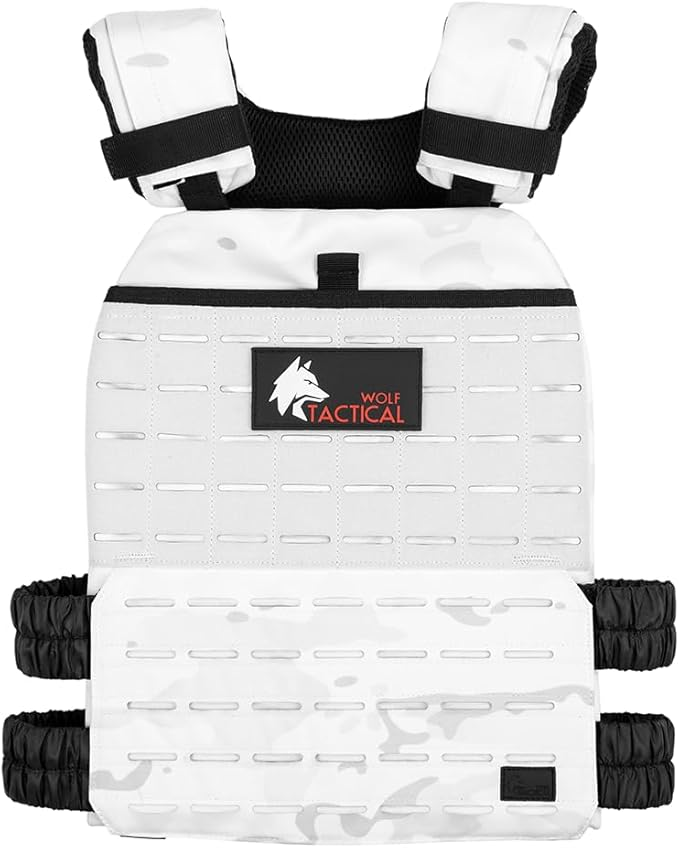
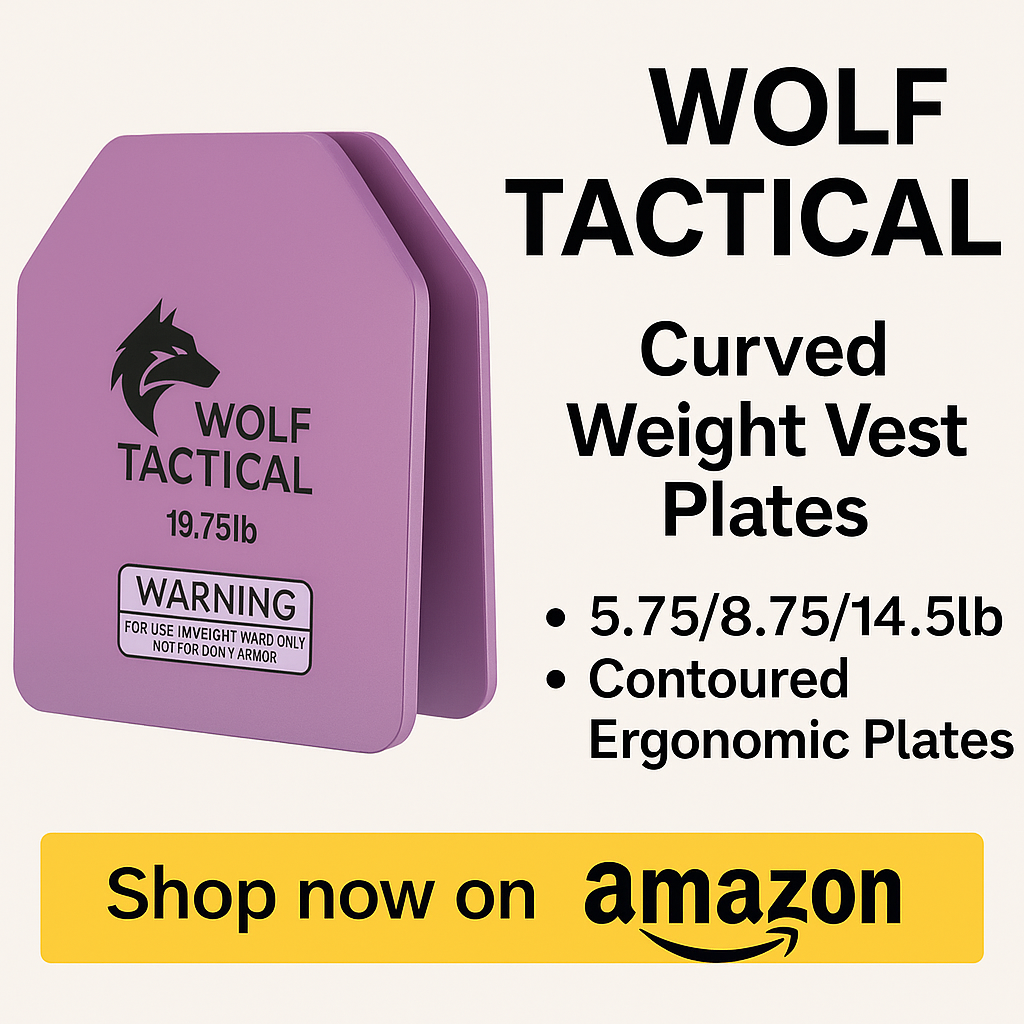
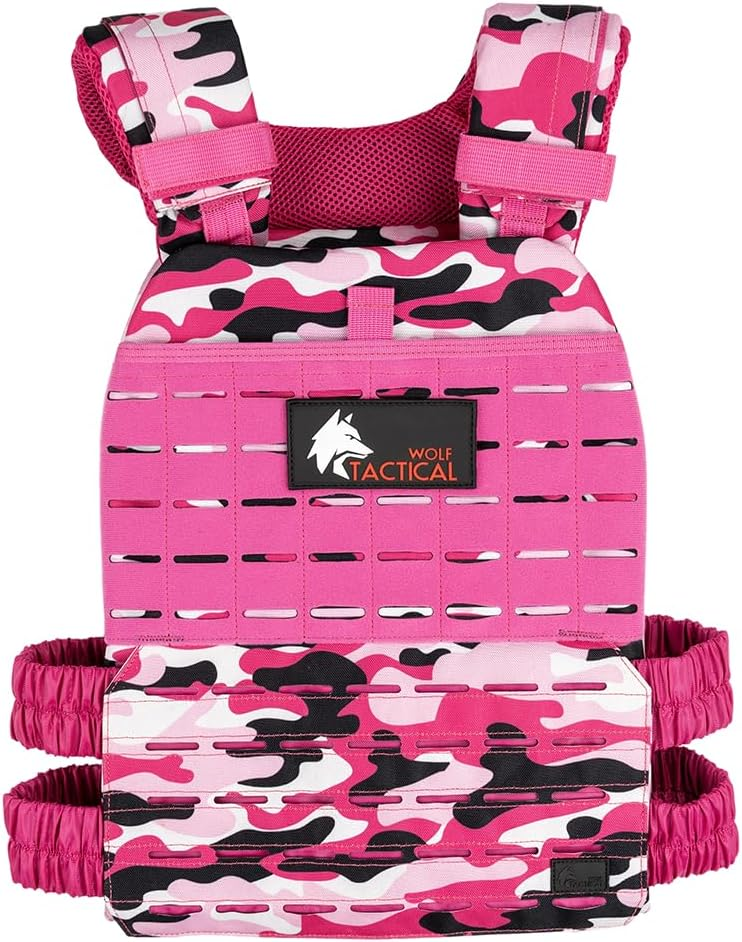
If you want a daily trainer that won’t rub or bind during long walks, consider a tactical option with ergonomic padding and modular adjustment. The Wolf Tactical line balances comfort and adjustability and is often easier to size for broader chests.

Practical sizing and progression tips
- Measure before you buy: chest circumference and torso height are the most important fit metrics.
- Start light and progress: big bodies still need adaptation—add weight in small increments over weeks.
- Watch posture: if the vest pulls shoulders forward, reduce load and address mobility.
- Use plates strategically: heavier plates lower on the torso feel more stable for walking; center mass for calisthenics.
Rucking and calorie planning
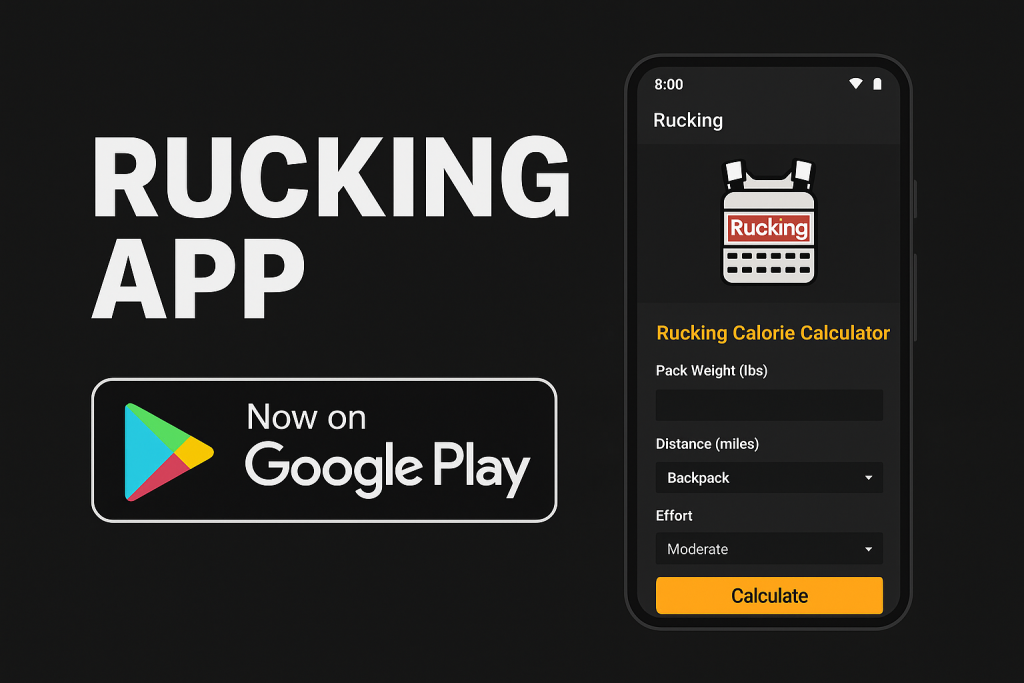
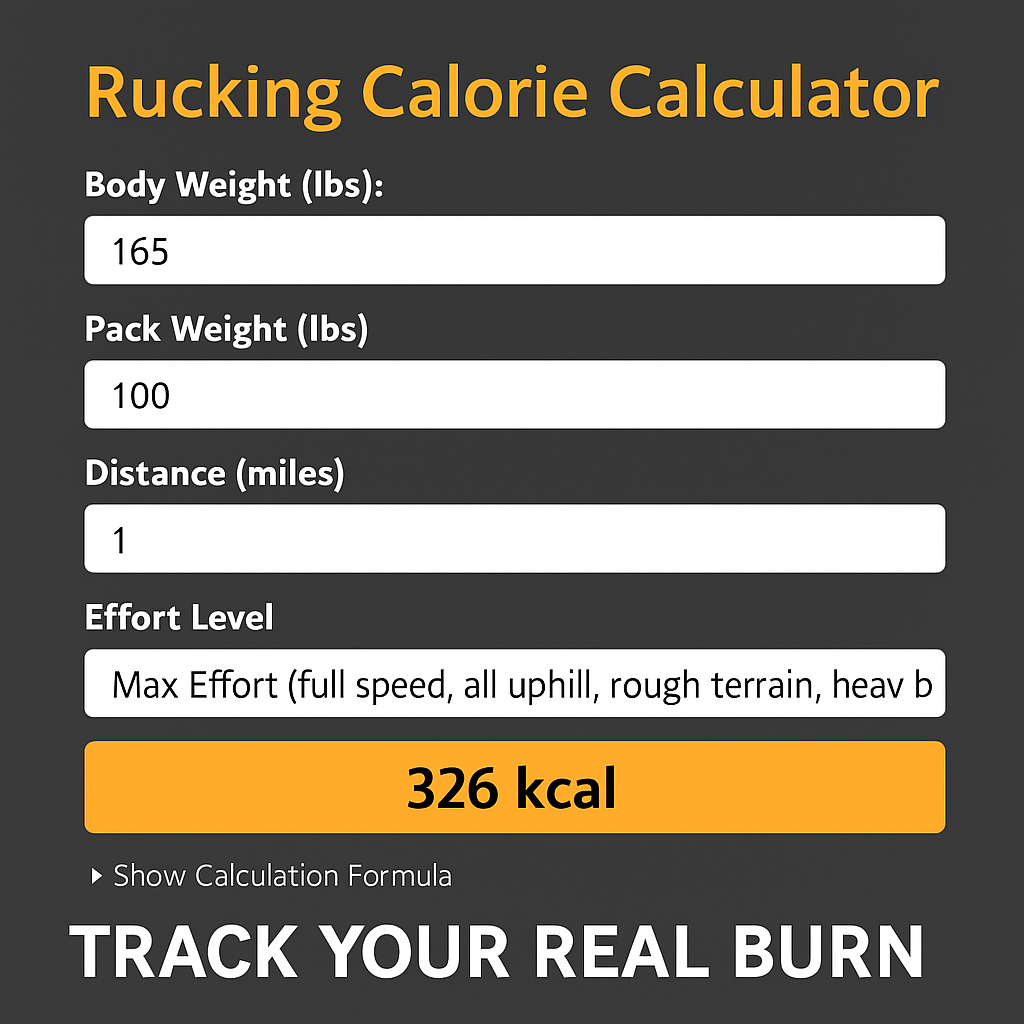
Rucking is one of the most accessible ways to build conditioning and maintain weight loss. For larger trainees, pace and pack weight are the two controls that produce the best results without joint breakdown. Use a simple calculator to estimate burn and adjust your load gradually.
Estimate your rucking calories with the calculator linked below:

Click the image to open the rucking calorie calculator and plug in your weight, vest load, distance, and pace. It’s the fastest way to dial training volume without guessing.
Accessory considerations
If you combine rucking with hydration and long walks, consider a ruck or hydration carrier for improved comfort. A well-built ruck will free the vest to sit exactly where you want it and add load in a predictable way.

Final checklist before you buy
- Confirm chest/torso measurements and adjustability range.
- Decide capacity you’ll realistically use in 6–12 months.
- Prioritize padding and strap design if you walk more than 30 minutes at a time.
- Use the rucking calorie calculator to match load and volume to your goals.
Large bodies benefit from the same principles as smaller ones: progressive loading, consistent movement, and gear that fits. Choose a vest that matches your training intent, lean into secure adjustments, and treat fit as part of your training plan—not an afterthought.