Why Use a Weighted Vest for Hiking?
Adding a weighted vest for hiking instantly increases the intensity of your routine mountain walk or trail adventure. This extra load boosts cardiovascular challenge, strengthens leg and core muscles, and burns more calories compared to a bodyweight trek. For outdoor-minded people, it’s a way to turn already-beneficial hiking into a strength and fat-burning powerhouse—without relying exclusively on gyms or traditional weight training.
How to Choose the Best Weighted Vest for Hiking
1. Comfort & Fit
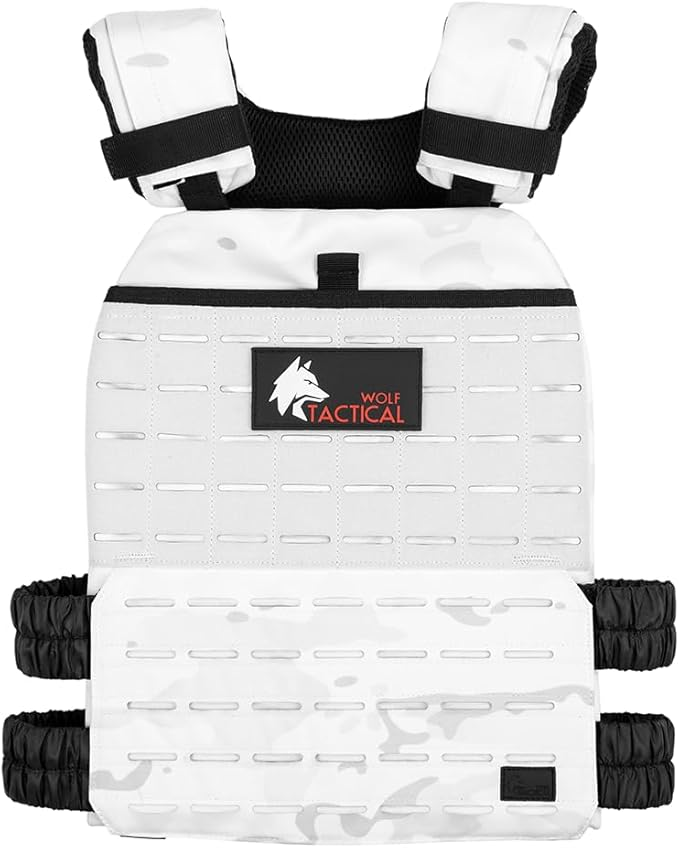
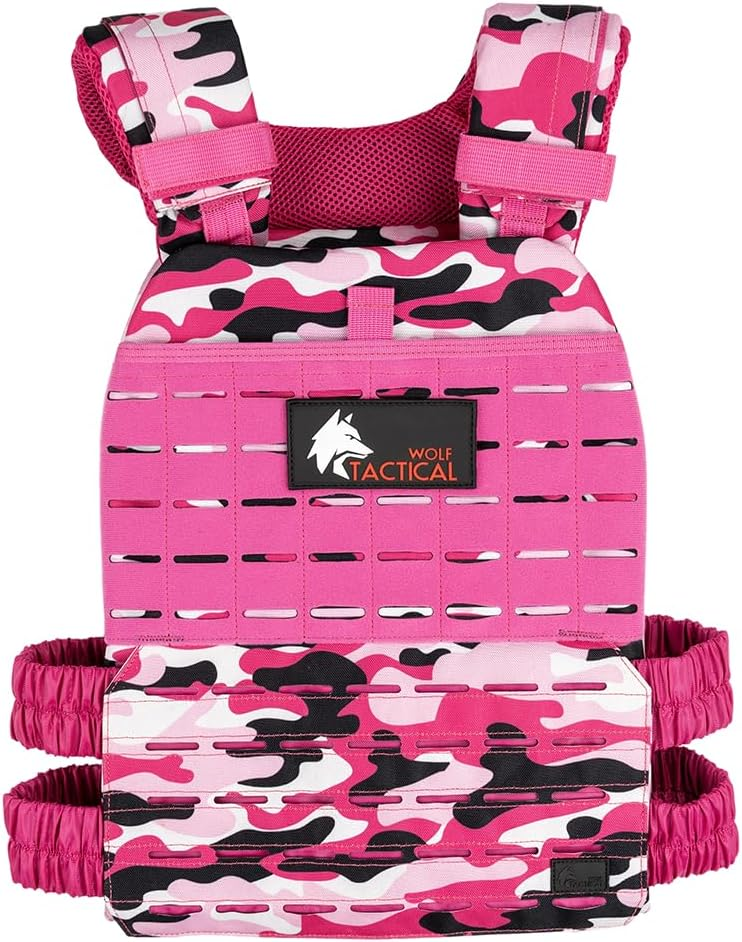
Comfort matters when you’ll be covering several miles over changing terrain. Look for wide, padded shoulder straps and breathable materials to prevent chafing. Women and men both benefit from adjustable vests. Beginners may especially appreciate the Wolf Tactical Adjustable Weighted Vest, which offers flexibility and comfort even for long treks.

2. Weight Distribution
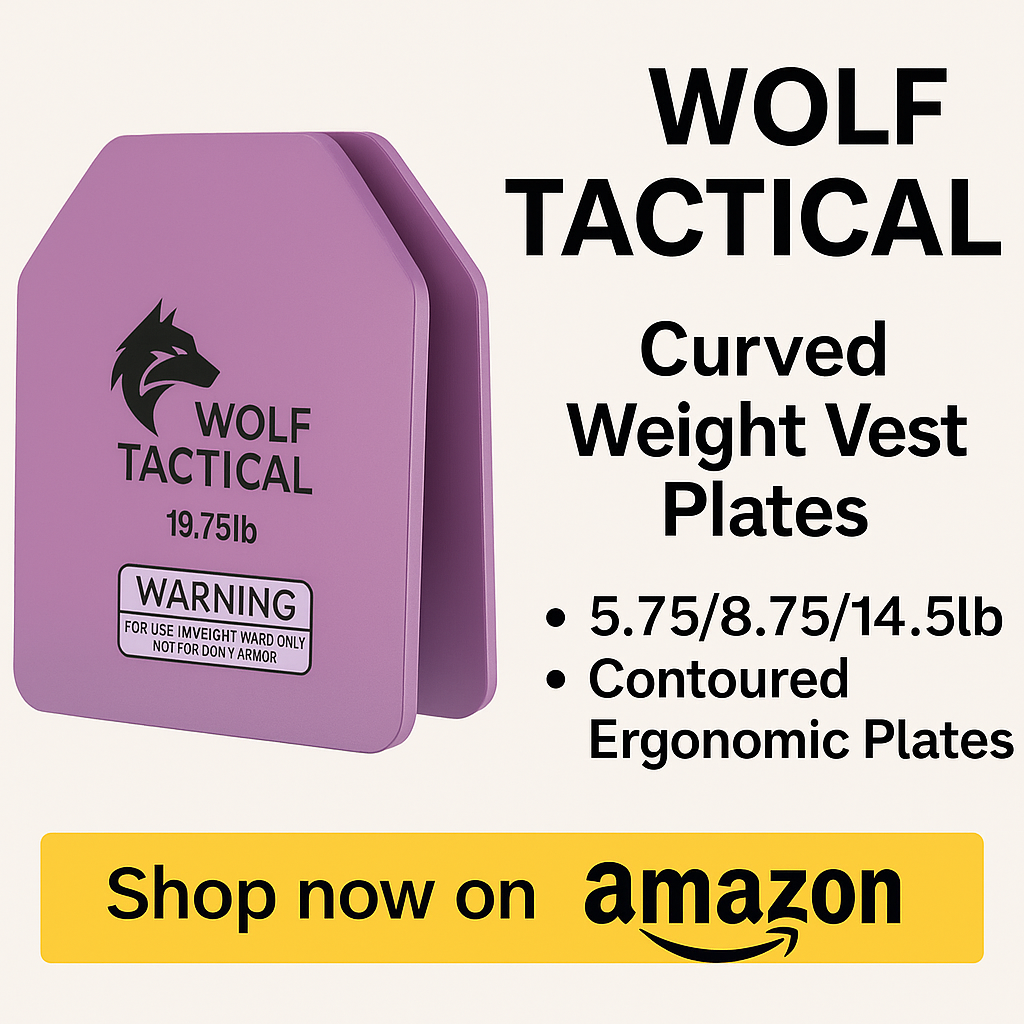
Uneven weight can cause shoulder and back strain. Opt for a vest that allows load customization and even plating, such as the WOLF TACTICAL Weight Vest Plates, which can be easily swapped depending on your desired weight and trail demands.

3. Durability & Weather Resistance
Hiking often means unexpected showers or rough trails. Ensure your vest stands up to moisture, dirt, and brush. Materials like 500D nylon, heavy stitching, and rust-resistant hardware make a vest last for years.
4. Mobility
Climbing, descending, or scrambling requires freedom of movement. Consider vests like the 5.11 Tactical Unisex TacTec Trainer Weight Vest for a close fit that doesn’t restrict your stride or arm swing.

Weighted Vest vs. Backpack for Hiking
Should you use a weighted vest instead of a backpack? Weighted vests allow for a low profile, tighter center of gravity, and less back strain for many. They’re also less likely to snag on brush or shift as you climb. However, a backpack (especially one like the CamelBak Motherlode Tactical Hydration Backpack) lets you carry water, extra layers, and snacks—making it ideal for longer treks or where hydration is critical.

How Much Weight Should You Carry?
As a rule, start light—no more than 10% of your bodyweight—and focus on perfect hiking form. Increase weight only as you gain strength and trail confidence. Using a weighted vest is about smart progression, not maxing out from day one.
Estimate Calorie Burn with a Weighted Vest
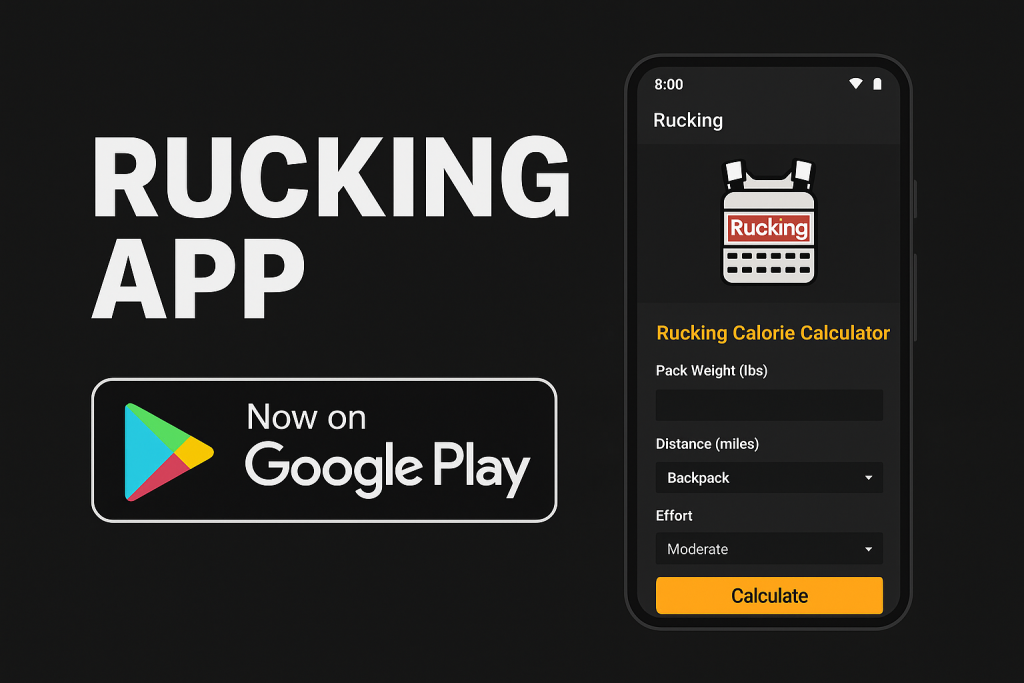
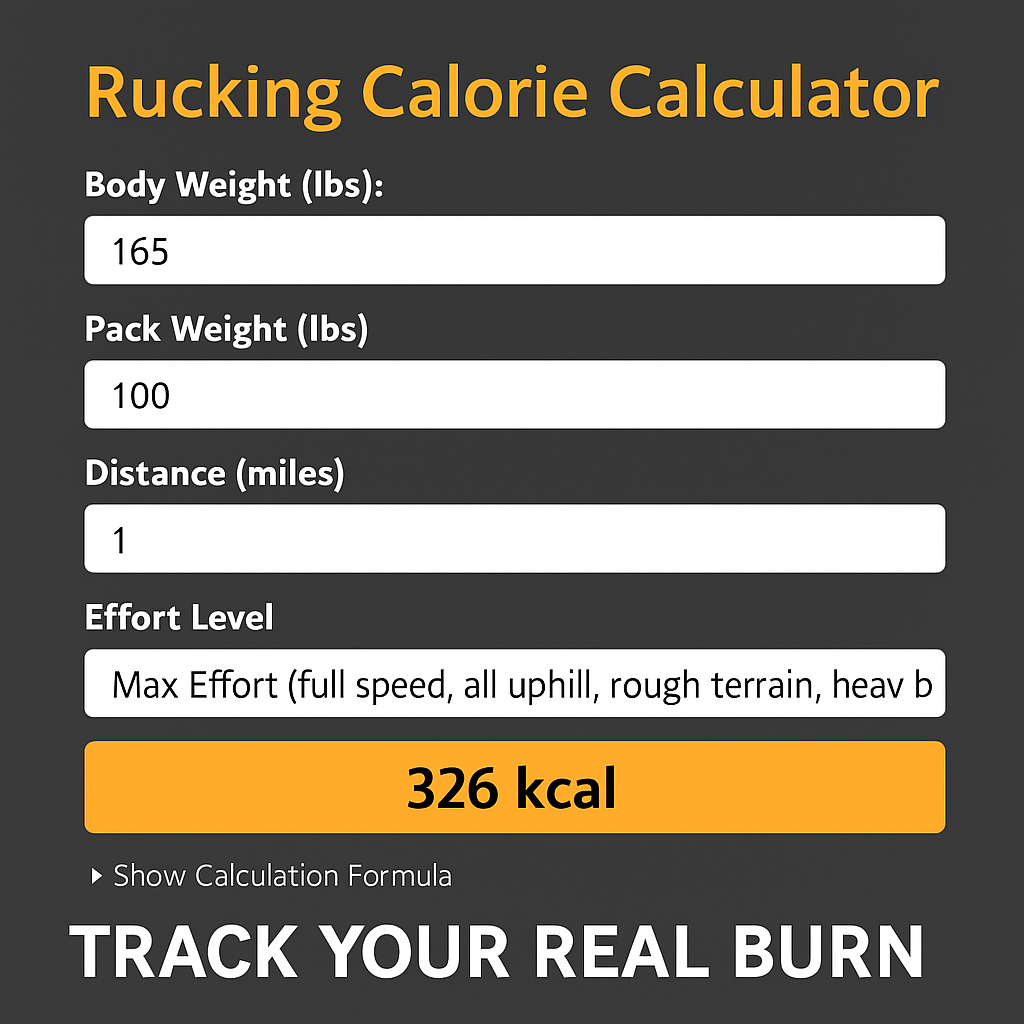
If you’re curious how many extra calories you’ll burn hiking with added load, try this calculator for precision. Just select “Weighted Vest” and enter your stats.

Try the Rucking Calorie Calculator here to see personalized calorie burn projections when using a weighted vest for hiking.
Final Thoughts
Adding a weighted vest to your hikes is a time-tested way to build functional strength, boost endurance, and burn more calories—all outdoors, on your terms. Invest in the right vest, progress carefully, and you’ll see (and feel) the rewards every time you hit the trail.