Why Use a Weighted Vest for Rucking?
Rucking has surged in popularity for its practicality and results. Using a weighted vest for rucking offers a different training stimulus compared to traditional backpacks. Vests distribute weight evenly across your torso, engaging your core and promoting upright posture while allowing your arms full freedom of movement. For many, it’s an efficient way to increase the challenge without the bulk and swing of a loaded backpack.
Top Features to Look for in a Weighted Vest
- Adjustability: Start light and increase as you build strength and endurance.
- Comfort: Look for padded shoulders and breathable materials—hot spots and chafing will sap your motivation.
- Secure Fit: Snug, adjustable straps prevent bounce, especially on rough terrain.
- Weight Range: New to rucking? Start with 10–20 lbs. Intermediate or advanced? Seek vests rated for 40–100+ lbs like the Kensui EZ-VEST® MAX V2.
Recommended Weighted Vests for Rucking
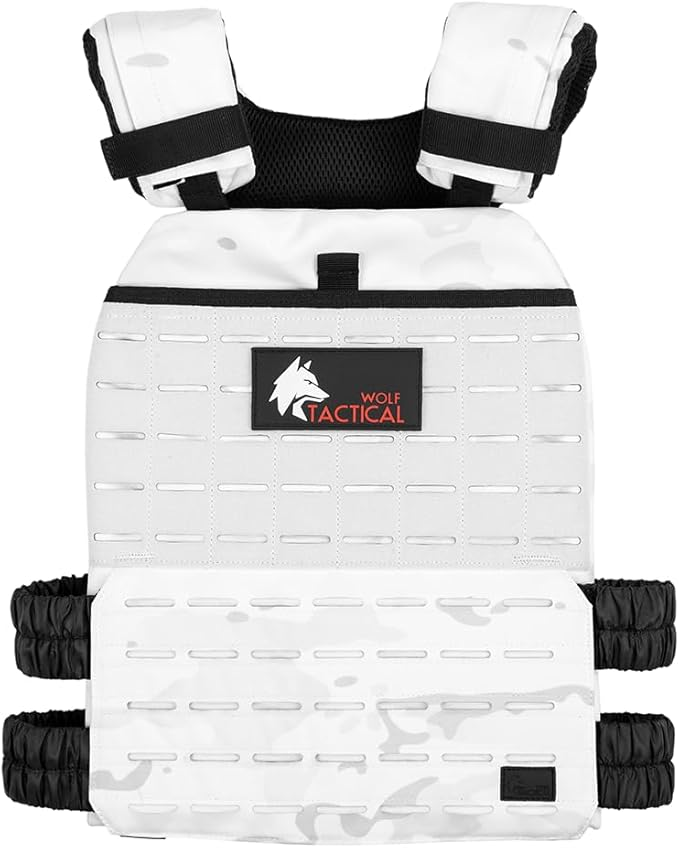
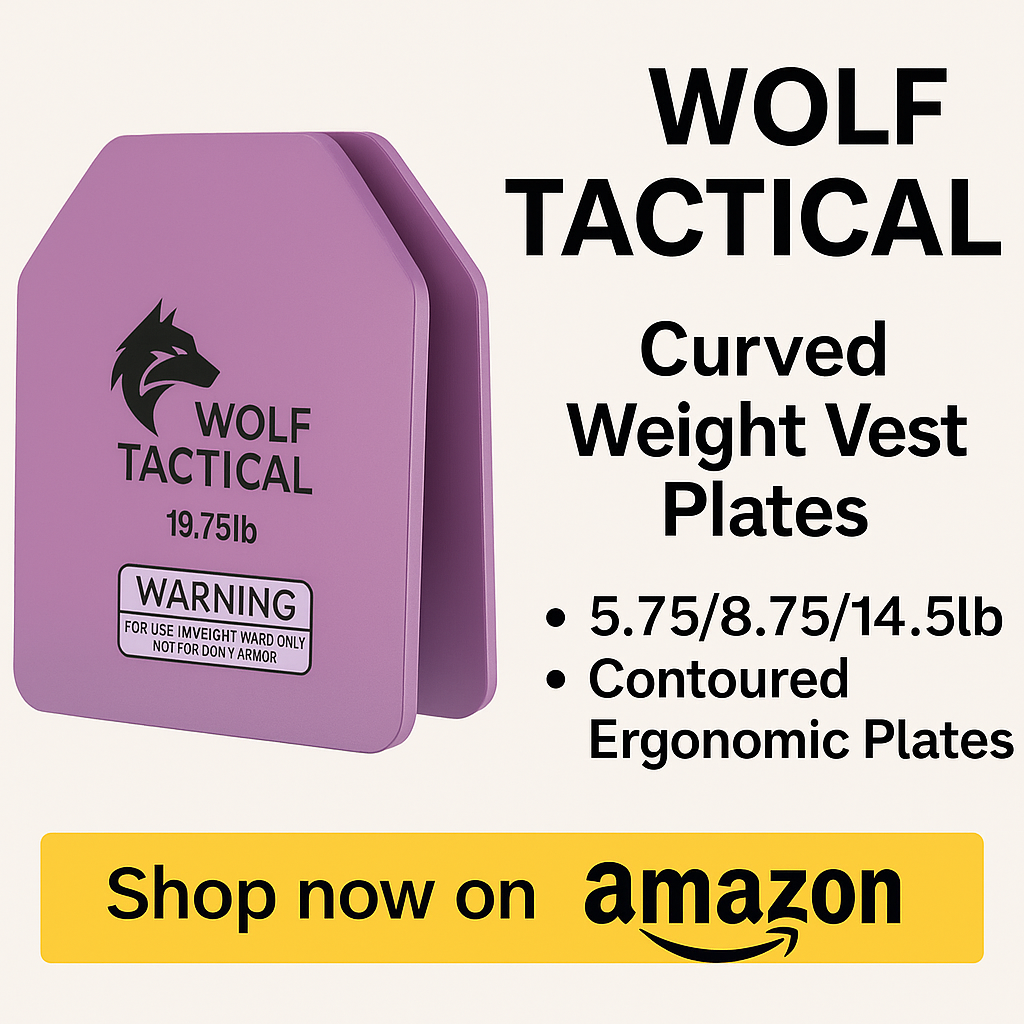
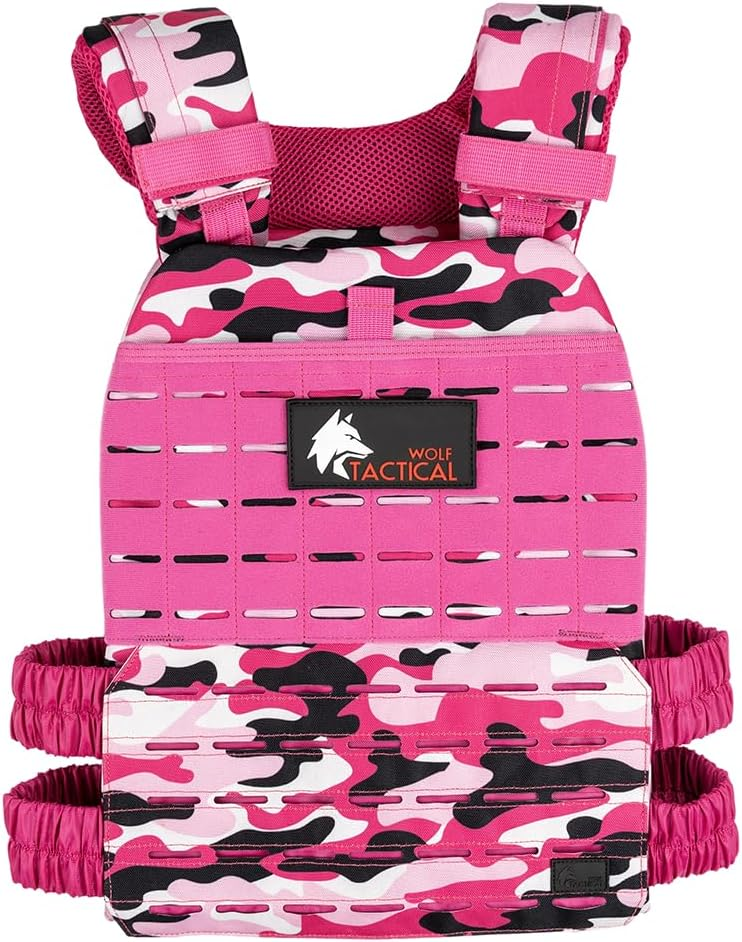
1. Wolf Tactical Adjustable Weighted Vest

2. 5.11 Tactical Unisex TacTec Trainer Weight Vest

3. Kensui EZ-VEST® MAX V2 (300 lbs)

Weighted Vest vs Backpack: Which Is Better For You?
If you prioritize movement efficiency, a weighted vest is unbeatable. You can maneuver trails, stairs, and urban obstacles without any sway. For those mixing ruck walks with calisthenics or runs, vests are less cumbersome and keep the load close to your body. However, for extended endurance hikes, hydration, or higher weight loads, a sturdy rucksack or hydration pack like the CamelBak Motherlode still has its niche.
How Many Calories Do You Burn Rucking with a Weighted Vest?
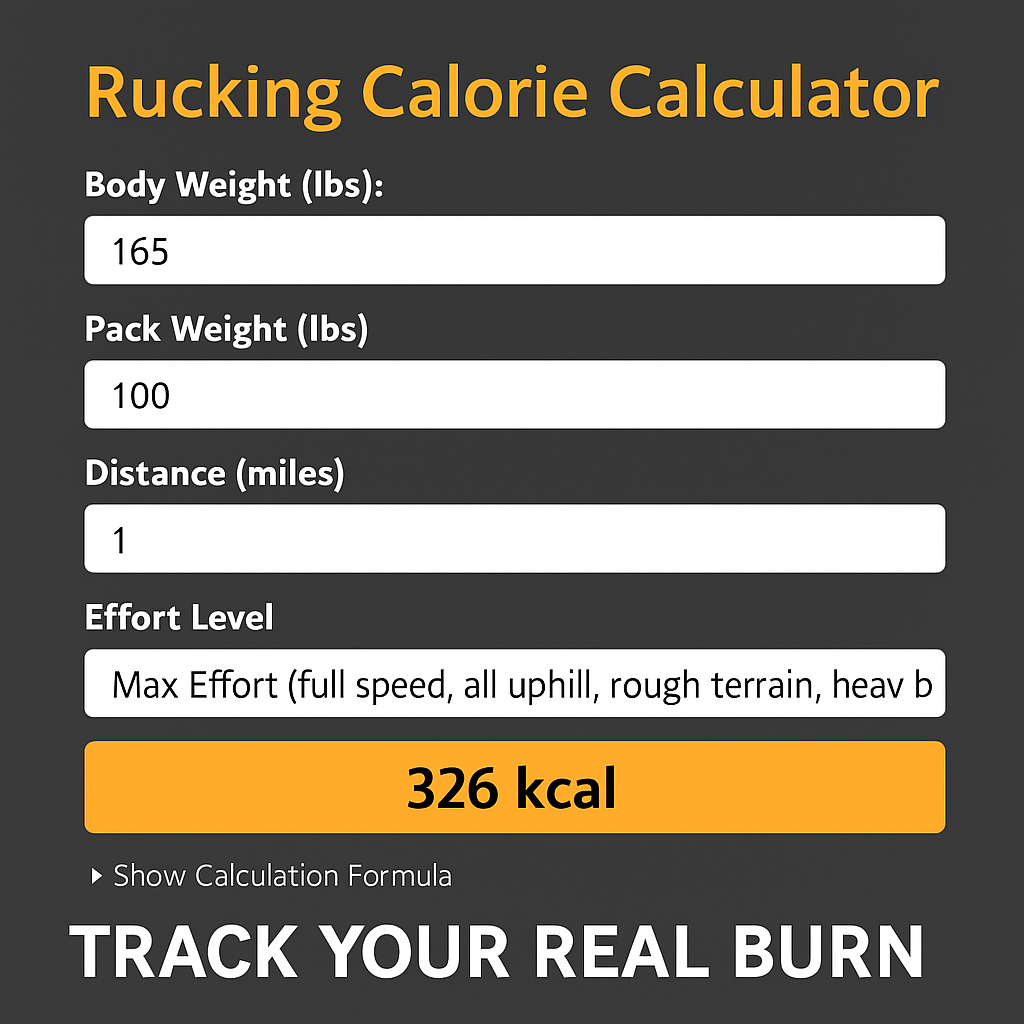
Your calorie burn depends on body weight, ruck pace, vest load, terrain, and even the weather. To get precise numbers and tune your vest weight for fat loss or performance, use this simple calculator:

Getting Started
- Start with 10-15% of your bodyweight.
- Ruck 2–4 times a week. Rest as needed, especially as you adapt.
- Focus on upright posture and aligned movement—avoid leaning forward or shuffling.
Choose a vest that fits your goals and body type. For most, a quality weighted vest becomes a year-round tool for cardio, fat loss, and strength, indoors or out.