Why a weighted vest for rucking works
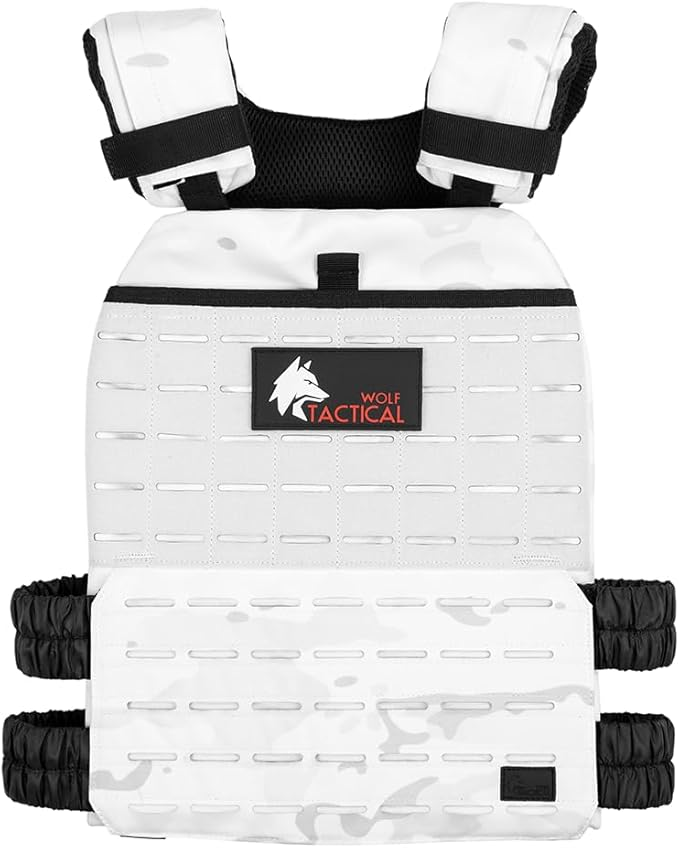
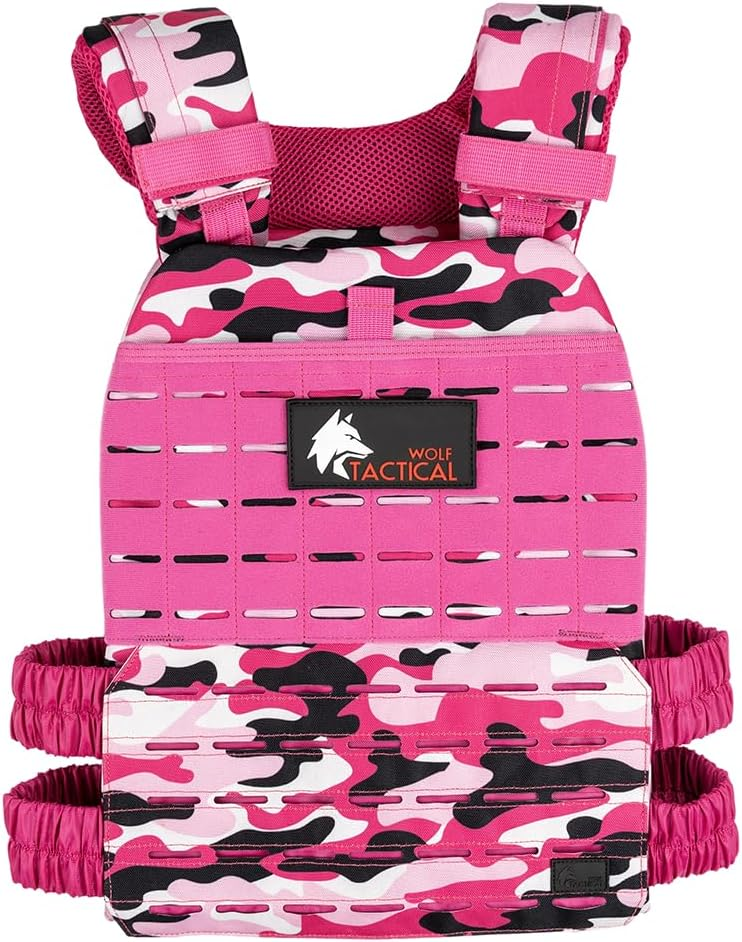
Using a dedicated weighted vest changes the movement pattern of long walks and tactical rucks. A vest centers weight on the torso, improving balance and allowing a more natural gait than shoulder-only loads. For endurance and consistent calorie burn, a properly fitted vest reduces chafing and spinal torque while keeping your heart rate in a reliable zone for long-duration work.
Key benefits
- Even load distribution for better posture and reduced shoulder strain.
- Simple progression—add small plates or increase fill to raise intensity.
- Easy to combine with bodyweight drills and hill work without a bulky pack.
How to choose the right vest
Start by prioritizing fit and adjustability. If you plan long-distance rucks or to carry hydration and extra kit, choose a ruck-friendly option or pair the vest with a low-profile pack. For most people new to rucking, a 10–25% bodyweight rule is a sensible starting point—aim for the lower end if you have joint history or are building habit.
Materials and modularity matter. Look for a vest with secure plates or pockets that keep weight tight to your chest and back. If you want a simpler, beginner-friendly option, a neoprene-style vest with small sand or plate pockets works well. If you plan heavier loading or tactical calisthenics, select a reinforced plate-compatible vest.
Practical training progression
Progression should be measured in load and mileage, not ego. A sample 8-week plan:
- Weeks 1–2: 10–20 minutes, 2–3x per week, vest at 5–10% bodyweight.
- Weeks 3–4: Increase to 20–40 minutes, 10–12% bodyweight, add short hills.
- Weeks 5–8: Increase duration to 60+ minutes and weight to 15–20% as tolerated.
Form cues
- Maintain upright chest and avoid excessive forward lean.
- Shorten stride if you feel lower-back strain; cadence wins over long strides.
- Keep shoulders relaxed and let the hips carry the work—don’t let the vest pull your shoulders forward.
Gear recommendations for rucking
For long-distance or military-style rucks, a purpose-built ruckpack pairs best with a vest. I often recommend a rugged, low-profile ruck for added cargo and hydration capacity.

Consider the GORUCK Rucker 4.0 20L if you need a tough carry system for mixed terrain.

When I recommend a rucksack for hydration and adjustable load, the CamelBak Motherlode 100oz is a reliable choice.
Estimate your calorie burn
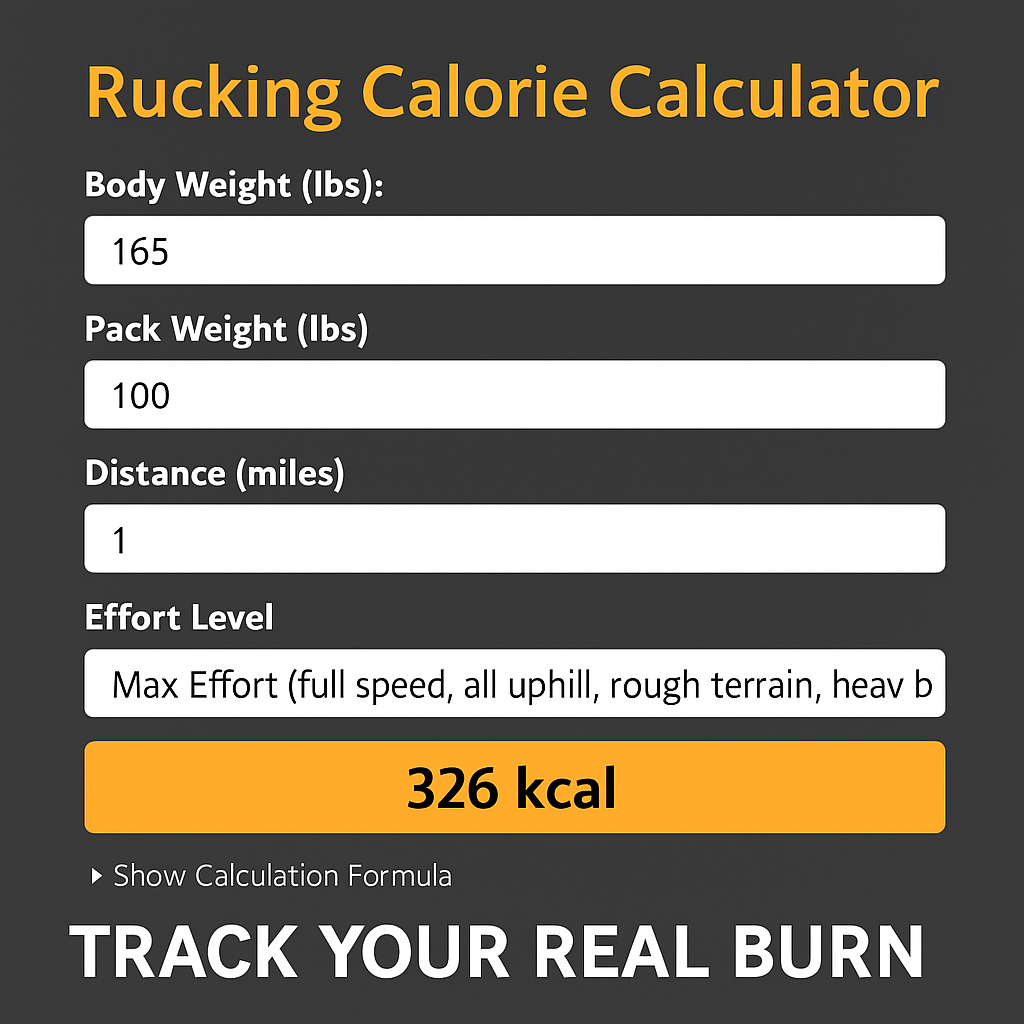
Knowing estimated calories helps you plan nutrition and recovery. Use the rucking calorie calculator below to plug in your weight, pace, distance, and vest load. I use this same approach to track training load and adjust food for recovery.

Click the calculator image to open the tool and get a quick estimate for your upcoming ruck. Use conservative numbers for hills and extra weight—real-world burn is often higher in technical terrain.
Final tips
Prioritize mobility, gradual load increases, and hydration. If you’re starting from walking fitness, keep the first month about habit-building rather than high intensity. A weighted vest for rucking gives predictable load and keeps training simple: pick a vest that fits, add small increments of weight, and keep the miles consistent.