Why buying the right weighted vest matters
Searching for a weighted vest for sale is more than price hunting. The right vest keeps your spine neutral, distributes load safely, and lets you progress without pain. I write this from an outdoor-first training perspective: a vest should feel like a tool that increases work, not a source of irritation or injury.
Core criteria when shopping
- Fit: snug across the chest and shoulders, not riding up or sliding down.
- Adjustability: incremental weight options and secure straps.
- Comfort: padding at the neck and shoulders, breathable fabric for longer walks.
- Durability: reinforced seams and quality materials if you plan to ruck or use daily.
- Purpose-fit: light, minimalist vests for HIIT vs. plate-compatible vests for heavy strength work.
Beginner-friendly options I recommend
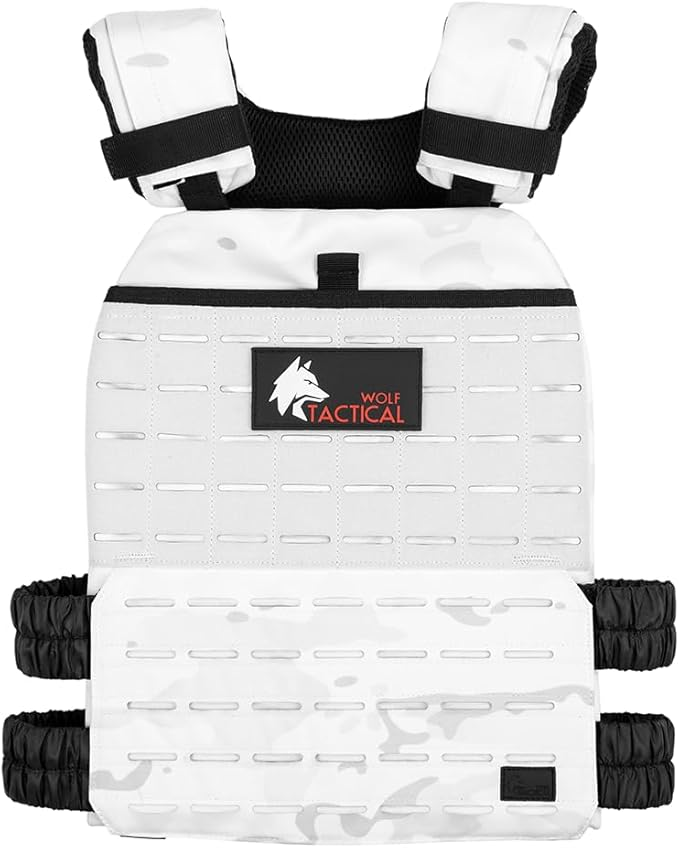
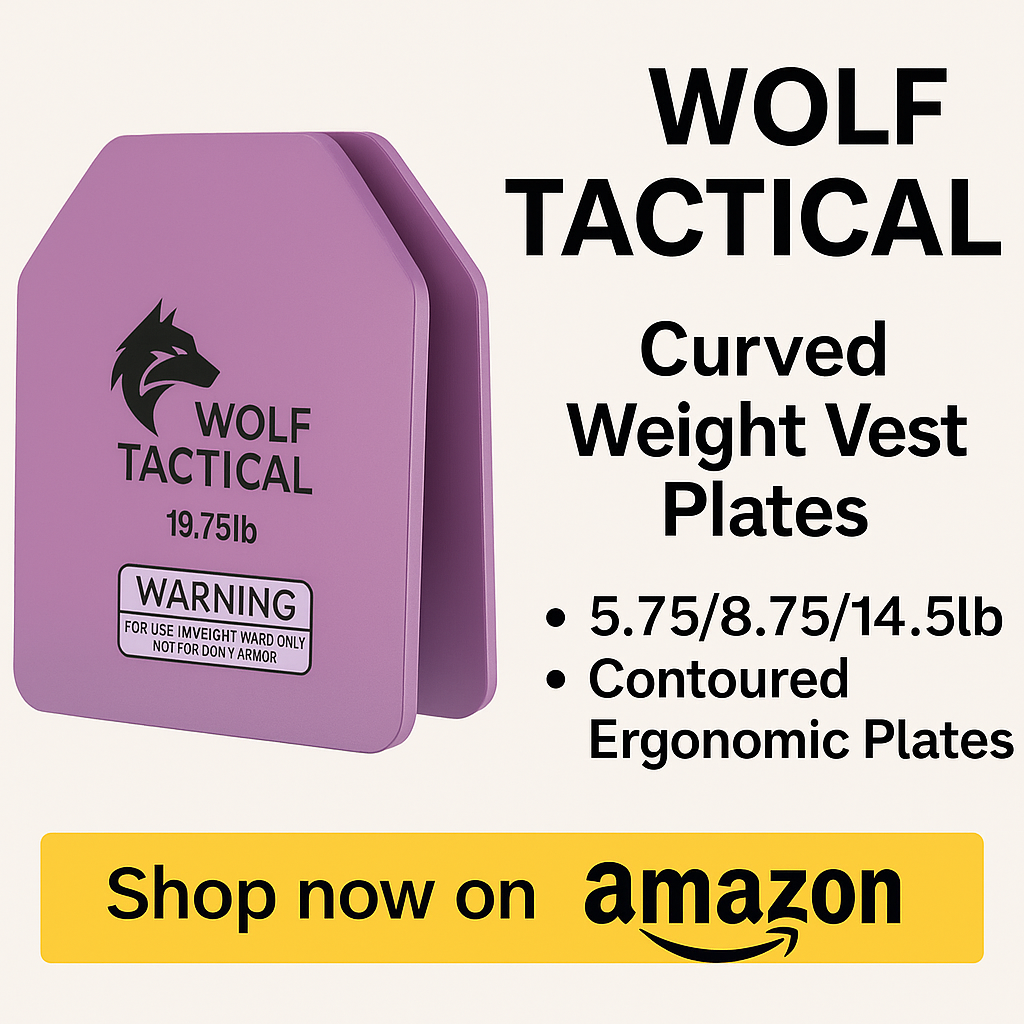
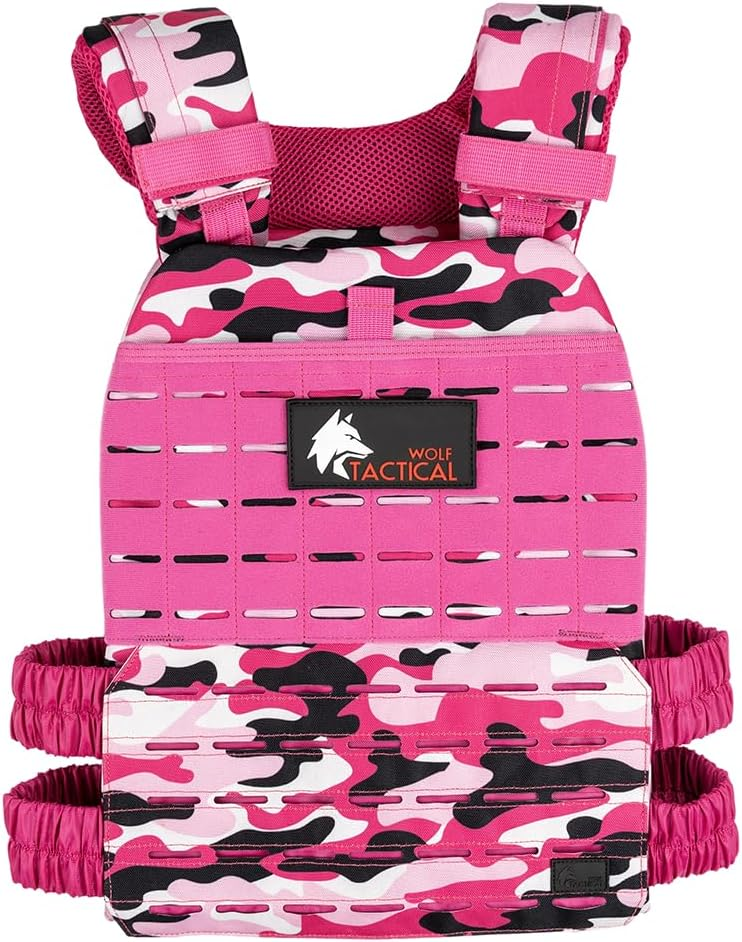
For someone buying a weighted vest for the first time, prioritize comfort and adjustability. The WOLF TACTICAL Simple Weighted Vest is a sensible starting point: it’s affordable, comes in multiple sizes, and is easy to add or remove small weights. For longer walks or rucks where hydration and load distribution matter, consider a ruck-style bag or plate carrier.

Upgrade picks for heavy or long-distance work
If you plan heavy loading or mixed training (calisthenics + load), a plate-capable solution like the GORUCK Rucker 4.0 20L works as both a rucksack and a durable plate carrier. It’s built for miles on trails and pavement, and it lets you combine hydration and plates for long rucks.

How to evaluate a vest when it’s on sale
Sales can hide compromises. Use this quick checklist before you buy:
- Can you try it on with weight or return easily?
- Are replacement/add-on plates available and reasonably priced?
- Is padding and strap quality visible in photos and reviews?
- Does the seller provide exact dimensions and sizing guidance?
How much weight should you start with?
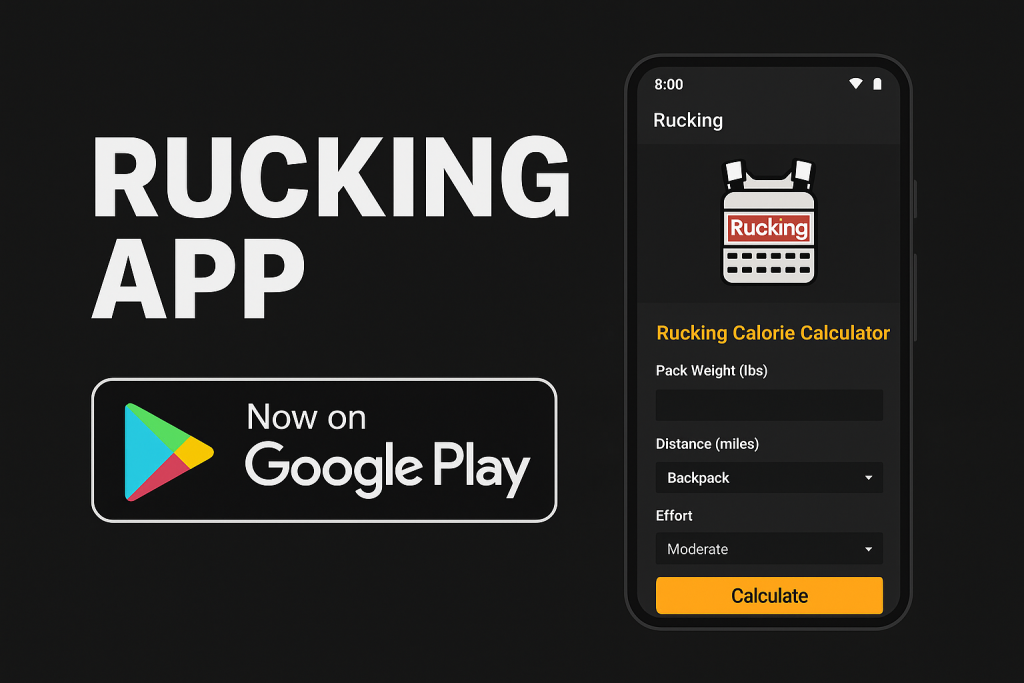
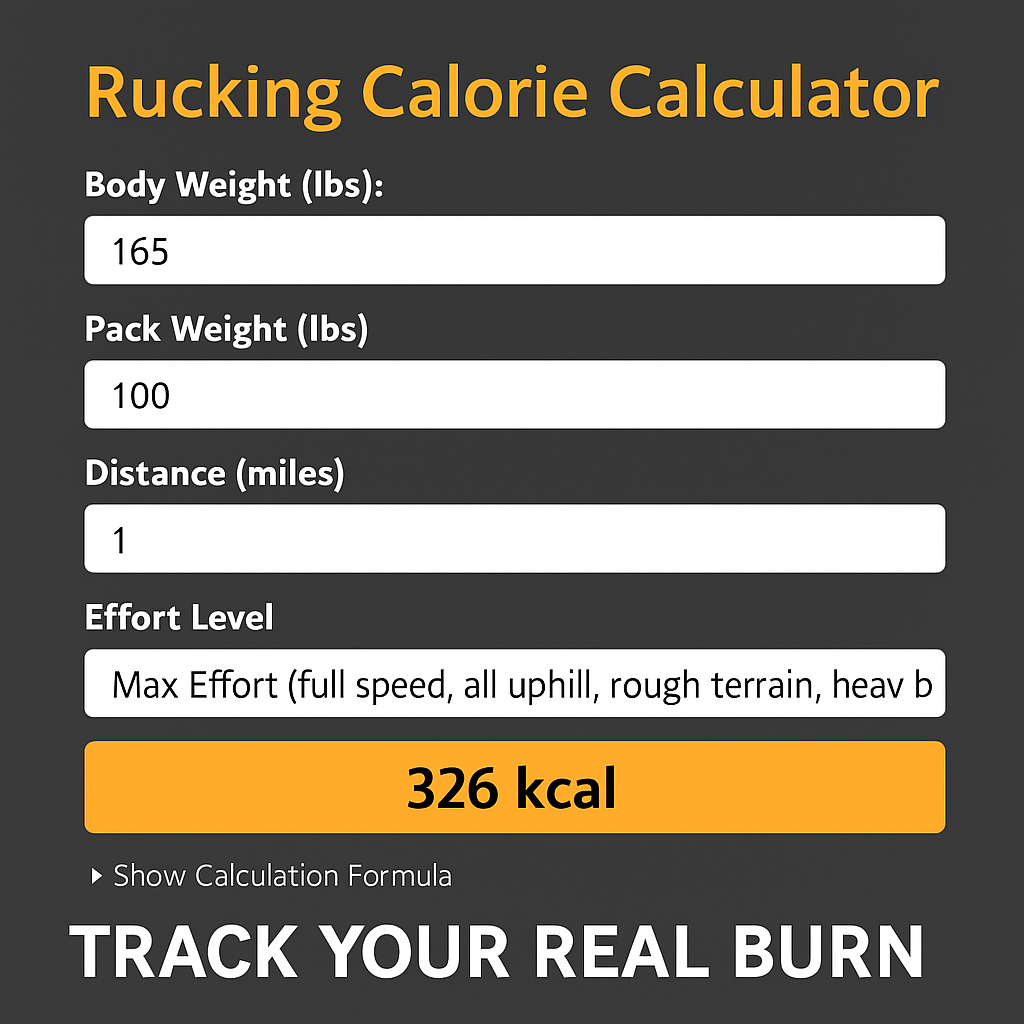
Start light and build. Beginners often begin at 5–10% of bodyweight for walking or progressive bodyweight work, and increase as form and conditioning improve. If you want a quick estimate of calories burned and sensible starting loads, use the rucking calorie calculator below to match vest weight to your goals and pace.
Calculate expected calorie burn
Use this calculator to estimate how many calories you’ll burn wearing a vest. It helps set realistic goals and prevents overloading too soon.

Practical buying tips
- Buy from sellers with clear return windows—fit matters more than brand loyalty.
- Prefer modular vests so you can reduce weight for recovery days.
- Pair your purchase with hydration if you plan longer rucks—the CamelBak lineup works well as a complementary option.
As someone who coaches outdoor training and learned the hard lessons of progression, I recommend treating a vest as progressive equipment: start small, respect pain signals, and favor durability over gimmicks. I lost 90 lbs through rucking, weighted-vest training, and disciplined nutrition, and I still recommend weighted vests as one of the most reliable ways to maintain lower body weight and burn fat consistently.