Why a weighted vest for weight loss works
Adding external load while you walk, hike, or ruck increases the energy cost of movement without changing form dramatically. A properly fitted weighted vest shifts load close to your center of mass, letting you extend time-on-feet and raise calories burned while keeping joints safer than uneven backpack loads. Used consistently, a vest preserves lean mass, raises daily calorie expenditure, and makes steady fat loss predictable.
How I approach vest-based fat loss
I’m Preston Shamblen, ISSA-certified personal trainer. I lost 90 lbs through disciplined nutrition, consistent rucking, and weighted-vest training. My approach is simple: prioritize progressive overload, maintain quality movement, and track energy balance. For most people that means walking or rucking 3–5x per week with a vest that adds 5–20% of bodyweight initially, then increasing time and/or load gradually.
Practical steps to start
- Pick the right starting weight: Begin with 5–10% of your bodyweight if you’re new to load. Use smaller increments and focus on longer sessions rather than extreme weight early.
- Fit matters: A snug vest that doesn’t bounce is safer and more comfortable. If you’re focused on comfort and everyday rucks, look for a vest that distributes plates evenly.
- Progress slowly: Add 1–2 pounds every 1–2 weeks, or add 10–20 minutes to session length before jumping weight.
- Mix intensity: Long, steady walks ruck the most calories over time. Add hill intervals or tempo rucks to spike calorie burn and cardiovascular adaptation.
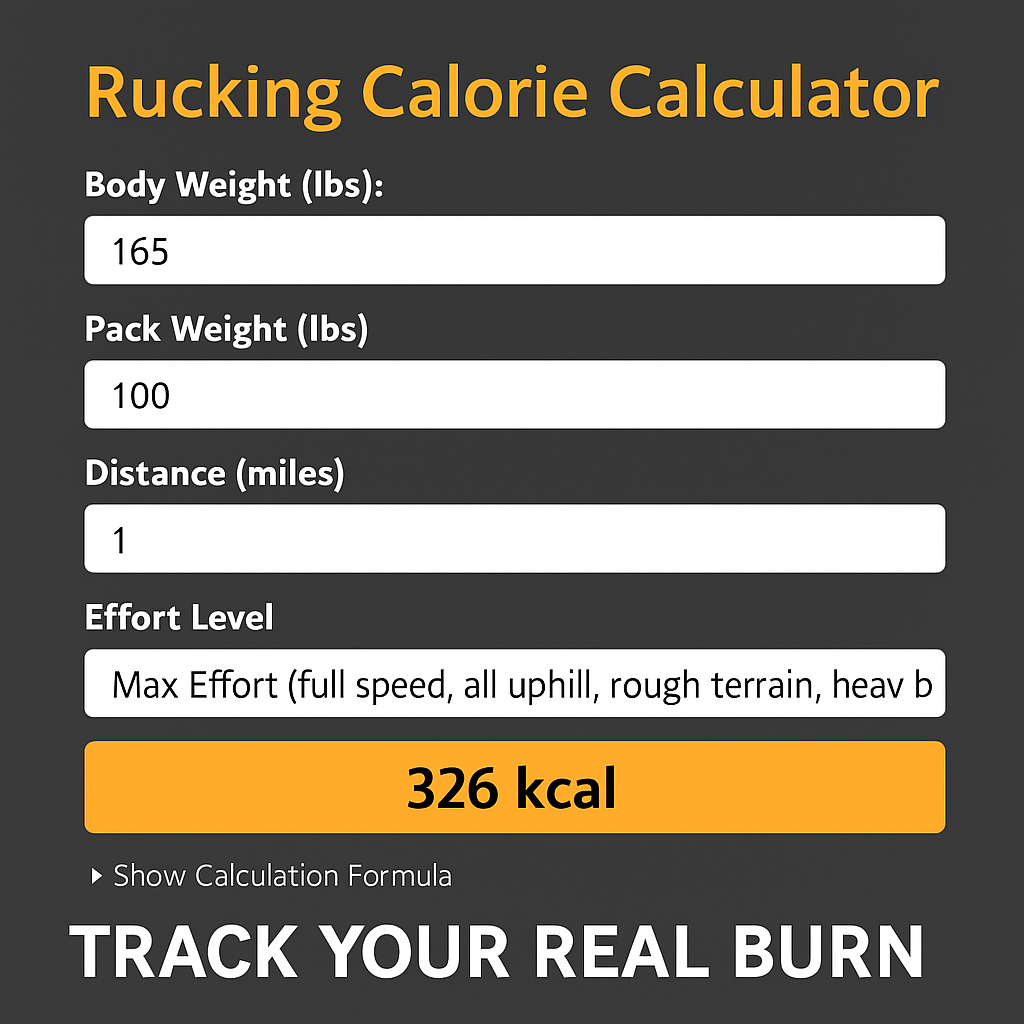
- Track calories: Use a simple calculator to estimate how many calories your sessions burn and adjust nutrition accordingly.
Estimate calories burned (calculator)
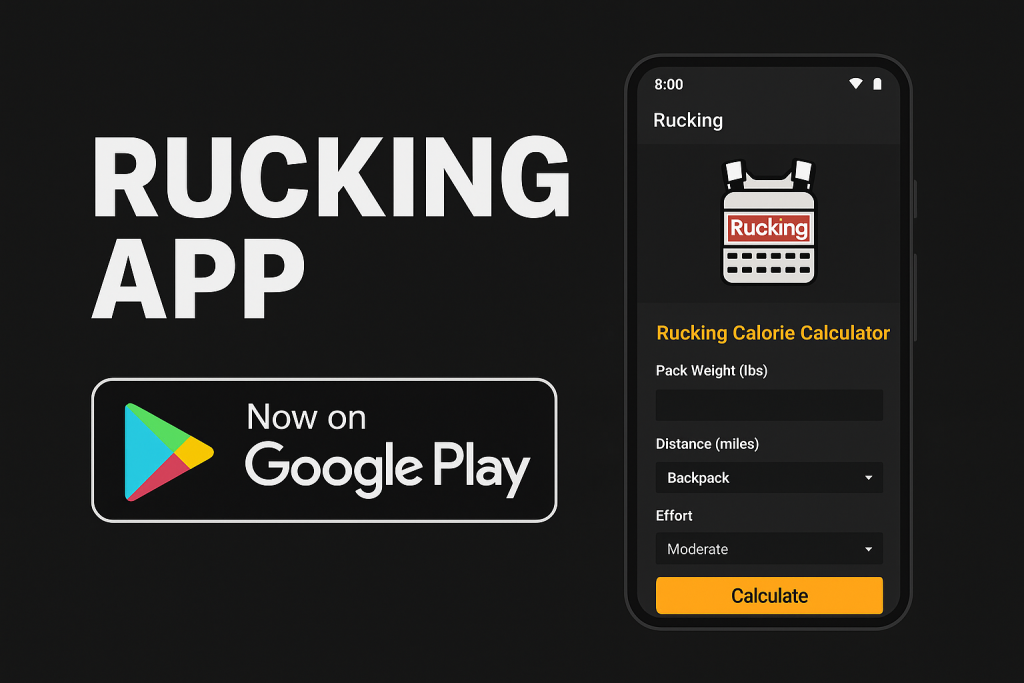
Before you adjust your diet, estimate the extra calories a weighted vest session produces. Use the rucking calorie calculator below to get a realistic ballpark based on pace, distance, weight, and load:

Programming examples
Start with 30–45 minute walks with a light vest three times per week. Alternate faster tempo days with steady endurance days. Example progression for a beginner:
- Week 1–2: 30 min, 5–10% bodyweight, 3x/week.
- Week 3–4: 40 min, same weight, 3–4x/week.
- Week 5–8: 45–60 min, add 2–5 lbs or introduce a hill interval once weekly.
Equipment recommendation
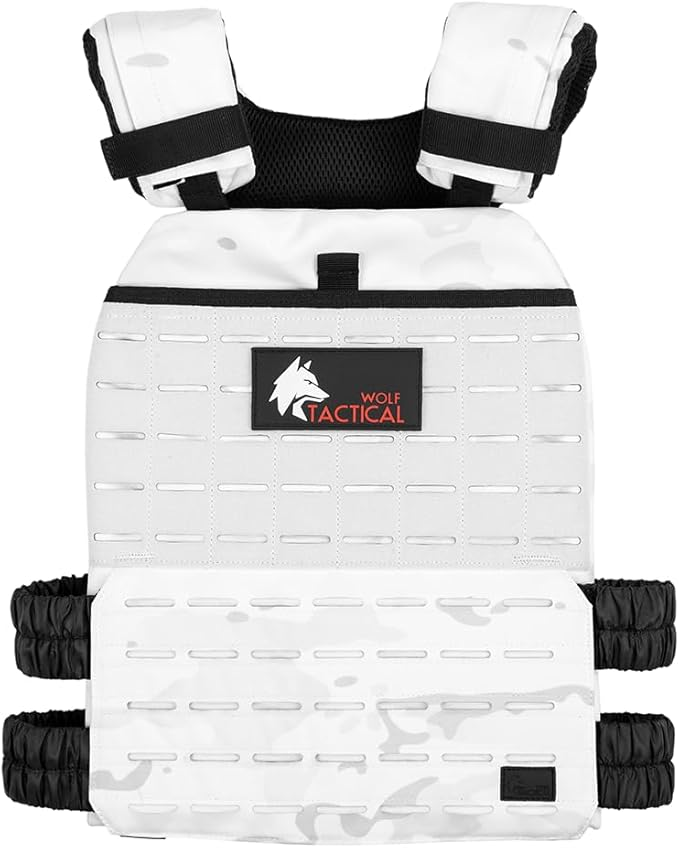
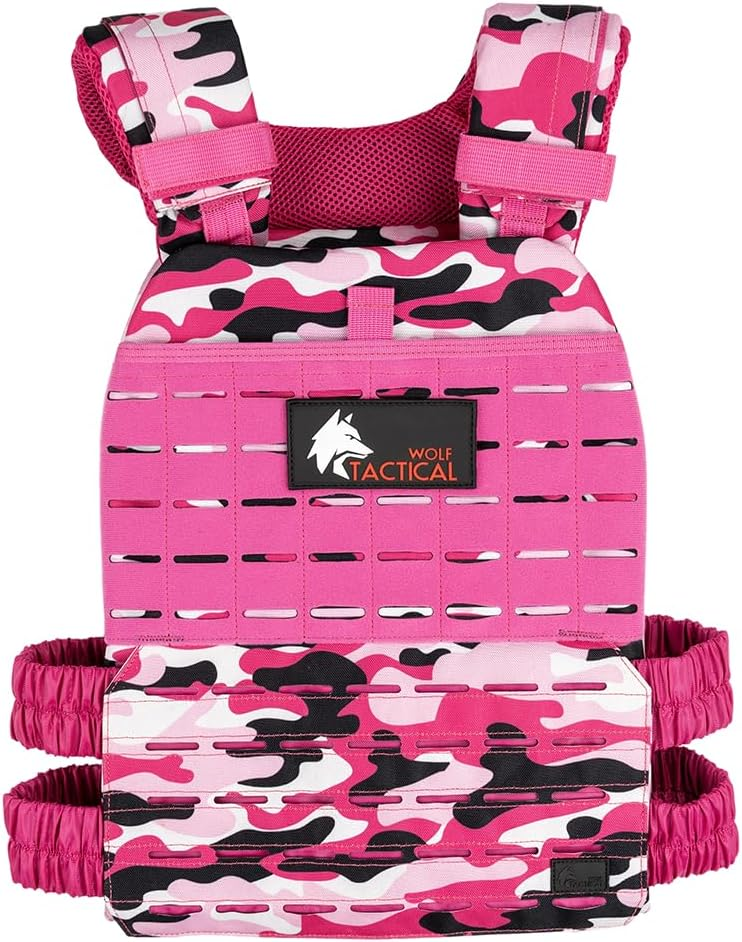
For beginners and everyday sessions I favor reliable, comfortable vests that reduce chafing and bounce. The WOLF TACTICAL Simple Weighted Vest (Men/Women) is a practical choice for walking and rucking because it balances fit and modular weight carry.

Nutrition and recovery
Weighted vests increase energy expenditure, but you still control fat loss with calories and protein. Prioritize a modest calorie deficit (200–500 kcal/day), keep protein high (0.6–0.9 g/lb bodyweight), and sleep and hydration consistent. For longer or hotter sessions, consider an electrolyte-focused drink for endurance support.
Safety and final tips
- Check posture — shoulders back, chest up, neutral spine.
- Watch for joint pain — back off weight if you develop persistent knee or lower back pain.
- Use time and load as your two progression levers; increase time first for beginners.
Weighted vests aren’t magic, but when used consistently and paired with sensible nutrition they’re one of the most reliable tools I’ve seen for sustainable fat loss and maintaining lean mass. Use the rucking calorie calculator above, pick a comfortable vest, and increase slowly—you’ll make progress without unnecessary risk.