Searching for a “weighted vest near me” is smart—trying on in person helps you pick the right fit, weight, and comfort features. Here’s exactly what to look for, how heavy to start, and reliable options if your local shelves are empty.
Where to find a weighted vest locally
- Sporting goods stores: Look for adjustable vests with secure straps and plate carriers with even weight distribution.
- Tactical and military surplus shops: Often carry plate-style carriers—great for durability and snug fit.
- CrossFit gyms or local pro shops: Ask about members’ buy/sell boards.
- Play It Again Sports and secondhand marketplaces: Good for budget buys—inspect stitching and Velcro.
- Big-box retailers and running stores: Limited selection, but you can still test fit and bounce.
Try-on checklist (what to test in person)
Fit and movement
- Snug, not restrictive: You should breathe deep and rotate your torso without the vest shifting.
- No bounce: Jog in place. If the vest bounces or rubs your neck, adjust or size down.
- High chest placement: Weight should sit close to your center of mass—not sag on your stomach.
Comfort and build
- Shoulder straps: Broad, padded straps reduce hot spots on long walks.
- Lining and edges: Smooth seams, no abrasive webbing on the neck or armpits.
- Breathability: Mesh panels help in heat and longer sessions.
Adjustability and load
- Micro-adjustable sides: Elastic or ladder-lock straps keep the vest tight as you move.
- Modular weight: Start light and add plates or sand-filled packets as you progress.
- Even front/back distribution: Balanced load protects posture and low back.
How heavy should you start?
- Walking beginners: 5–10% of bodyweight. Example: 180 lb person = 9–18 lb vest.
- Short, strength-biased circuits: Up to 10–20% bodyweight if you already walk pain-free and train regularly.
- Progression: Add 2–5 lb every 1–2 weeks as your form, joints, and skin tolerate the load.
Red flags: Joint pain, lower-back strain, numbness, or strap chafing that doesn’t resolve with adjustments. Reduce weight, tweak fit, or swap models.
Estimate your burn to choose a starting load
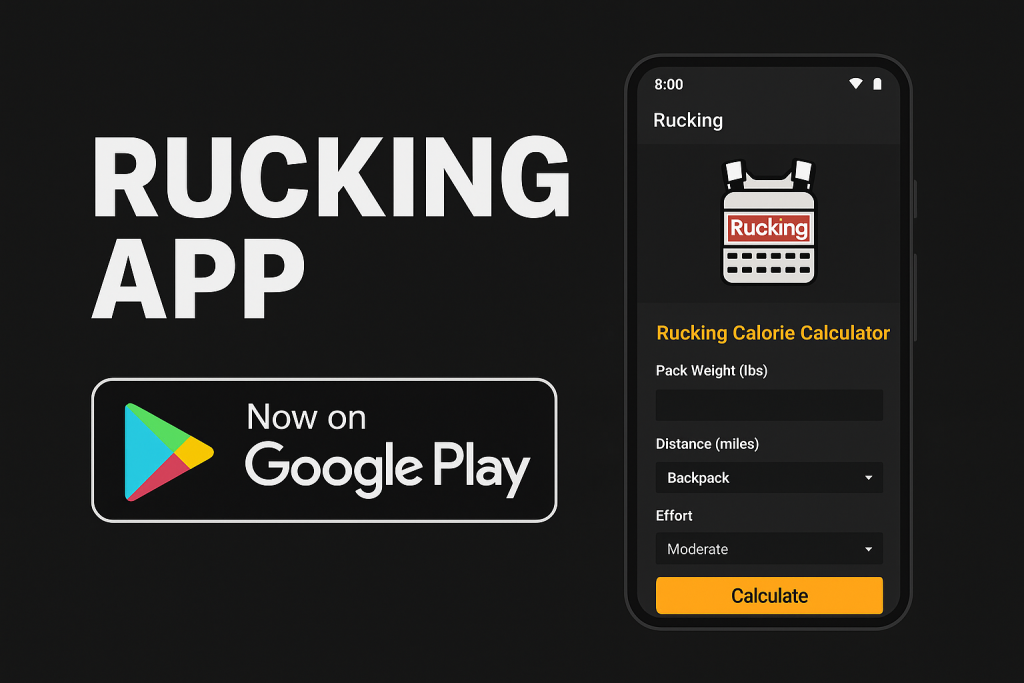
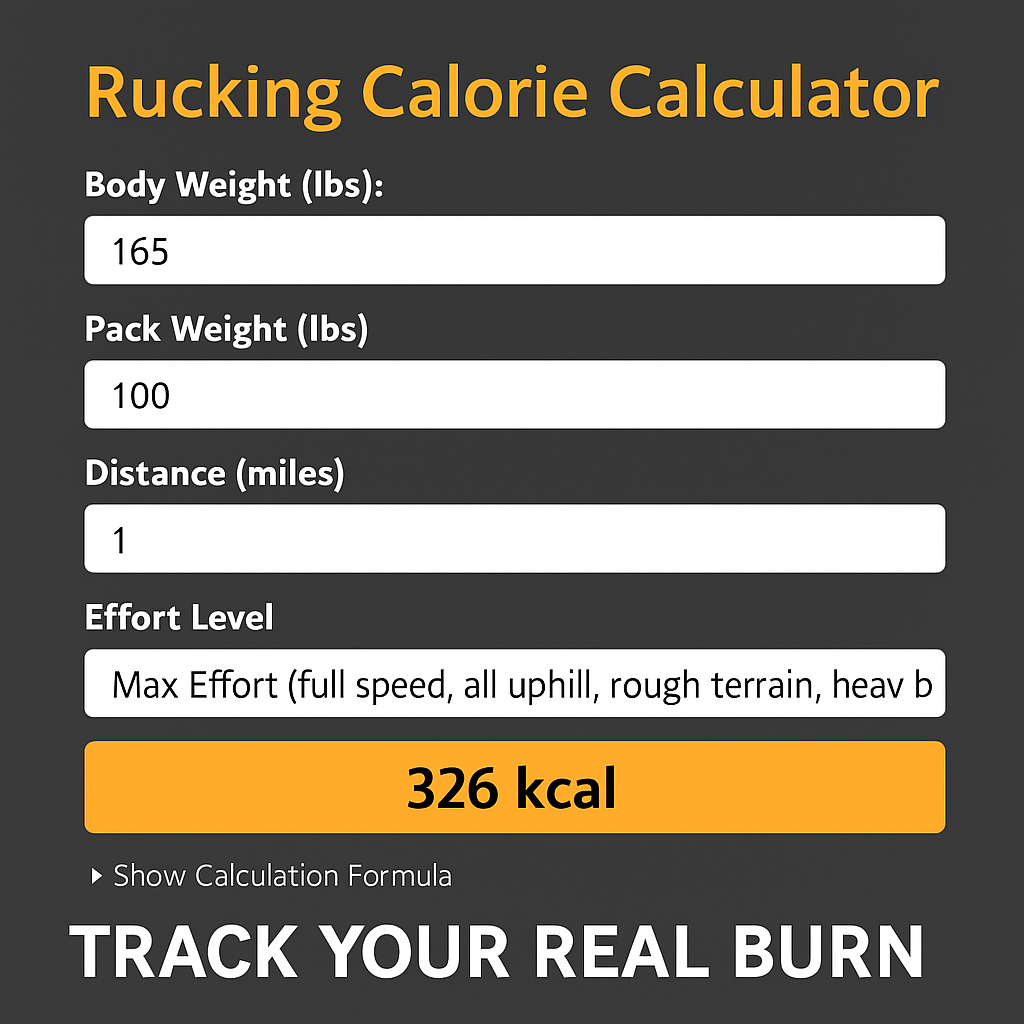
Heavier isn’t always better. Use this tool to estimate calories based on bodyweight, distance, and pace, then pick the smallest load that gets you the result without beat-up joints.

Recommended vests if your store is out of stock
If you can’t find a solid “weighted vest near me,” these two are proven for comfort, fit, and durability.
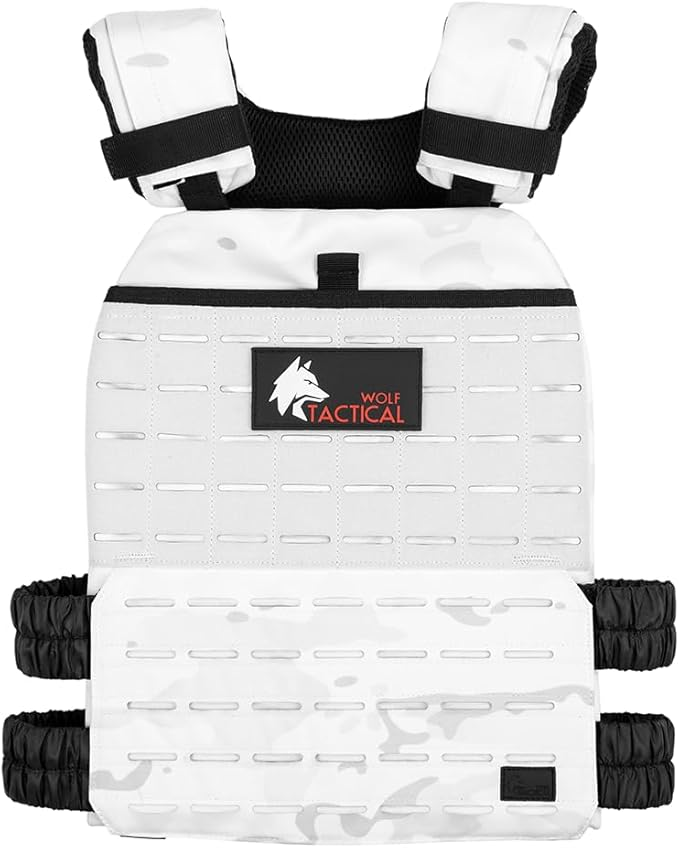
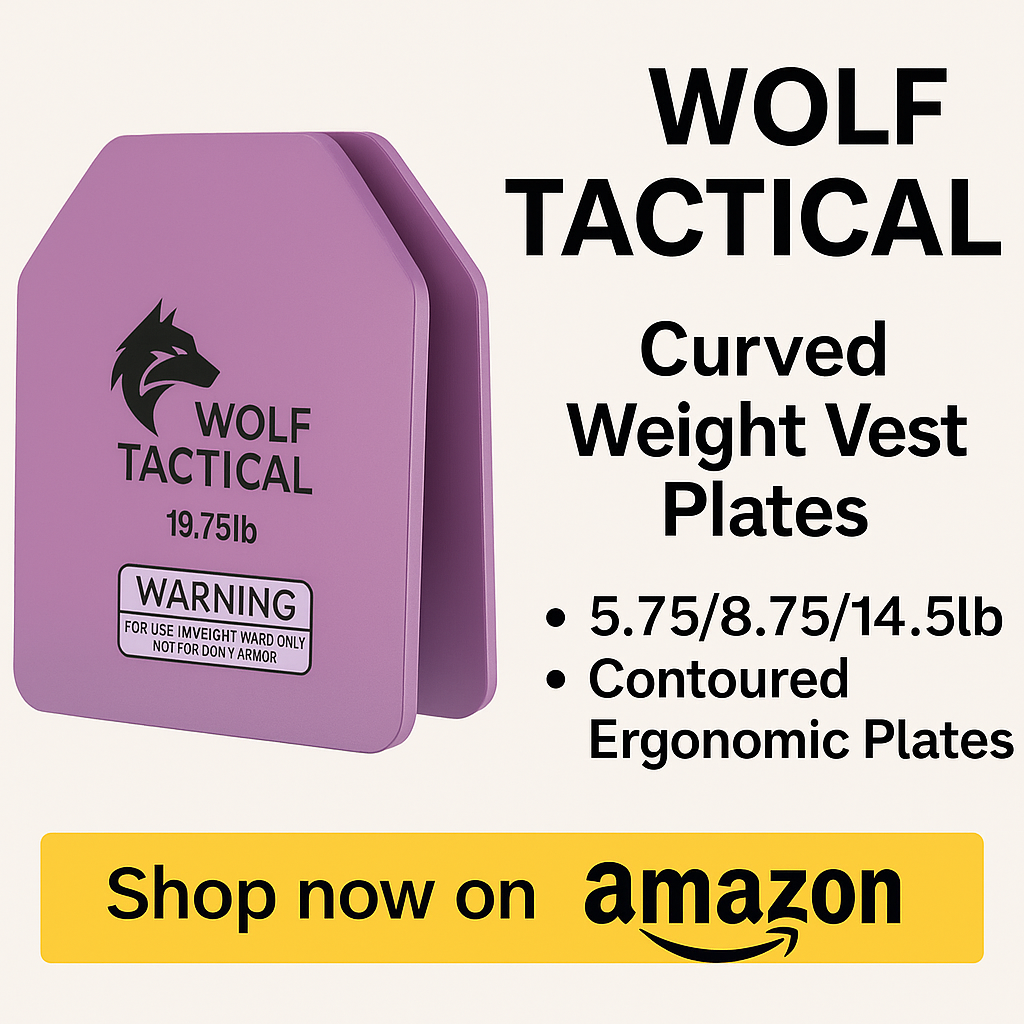
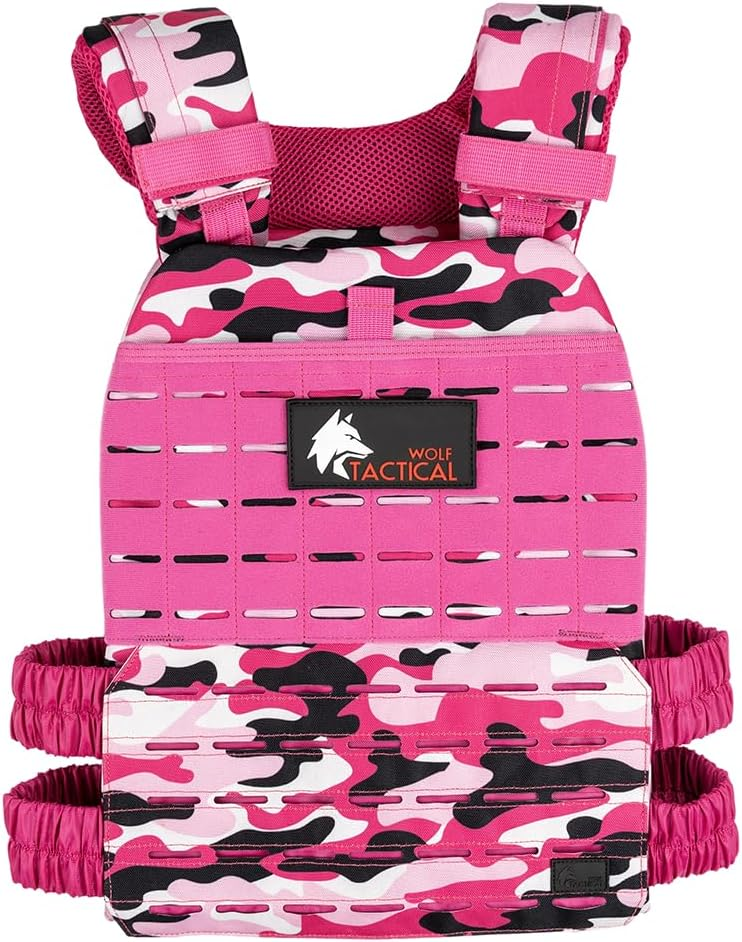
Wolf Tactical Adjustable Weighted Vest: Great adjustability, breathable, and beginner-friendly weight range.

5.11 Tactical Unisex TacTec Trainer Weight Vest: Secure plate-style carrier with excellent mobility and padding for longer sessions.

Safety and progression tips
- Warm up 5–10 minutes: hips, ankles, shoulders, and a light walk before loading.
- Keep posture tall: ribs down, glutes active, and short steps on hills.
- Skin care: thin, moisture-wicking shirt; adjust straps to avoid hot spots.
- Progress one variable at a time: weight, distance, or pace—never all three in the same week.
- Recover: hydrate, walk easy the next day, and mobilize calves/hips.
Bottom line: Try on locally if you can. Choose the most comfortable, bounce-free vest you can adjust tightly, start light, and progress steadily for dependable fat loss and conditioning.