Find a weighted vest nearby: practical steps
Looking for a weighted vest nearby can feel overwhelming if you don’t know where to look. Start local and prioritize fit, adjustability, and comfort—especially if you plan to ruck, walk, or add load to your runs. This guide gives clear, outdoor-first steps to try vests in person, evaluate condition, and buy confidently.
Where to try a vest in person
Begin with stores that let you try gear on and walk around. That way you can test shoulder straps, torso length, and mobility.
- Outdoor retailers and specialty fitness shops — they sometimes stock adjustable weighted vests or demo units.
- Tactical and surplus stores — good for durable, military-style vests with heavier loading options.
- CrossFit boxes or local gyms — some will let members demo a vest or point you to local sellers.
- Community swap meets, running stores, or trainer networks — local coaches often pass used vests to beginners.
What to check when trying a vest
- Fit over your chest and shoulders — the vest shouldn’t ride up when you walk or lunge.
- Ballast distribution — plates or sand should sit close to the body and not shift.
- Adjustability — straps and cummerbunds should allow small incremental changes.
- Comfort against skin or clothing — consider breathable liners or a light base layer.
- Weight increments — start light (5–15% bodyweight) and confirm the vest can be dialed up safely.
If you can’t find a vest nearby
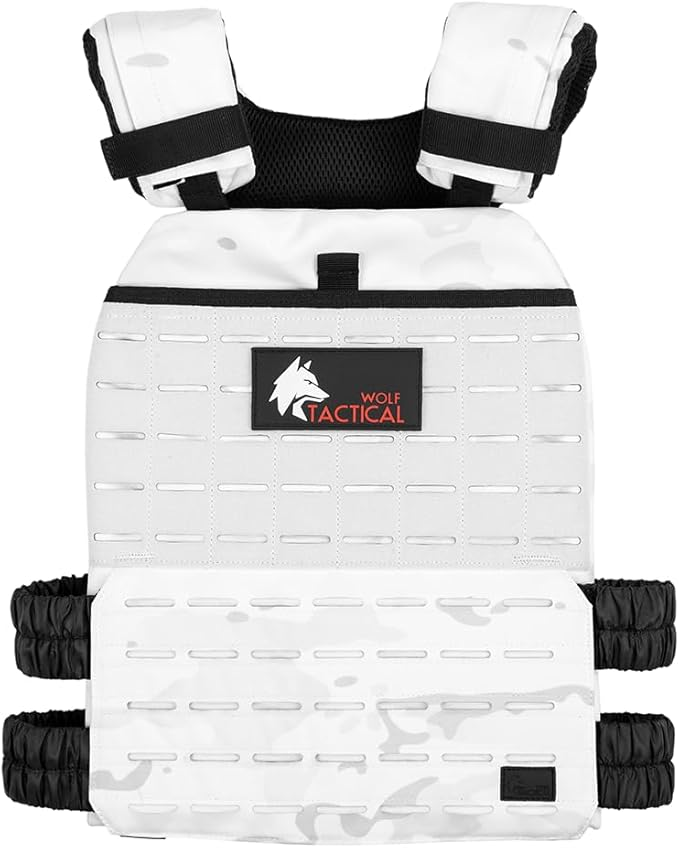
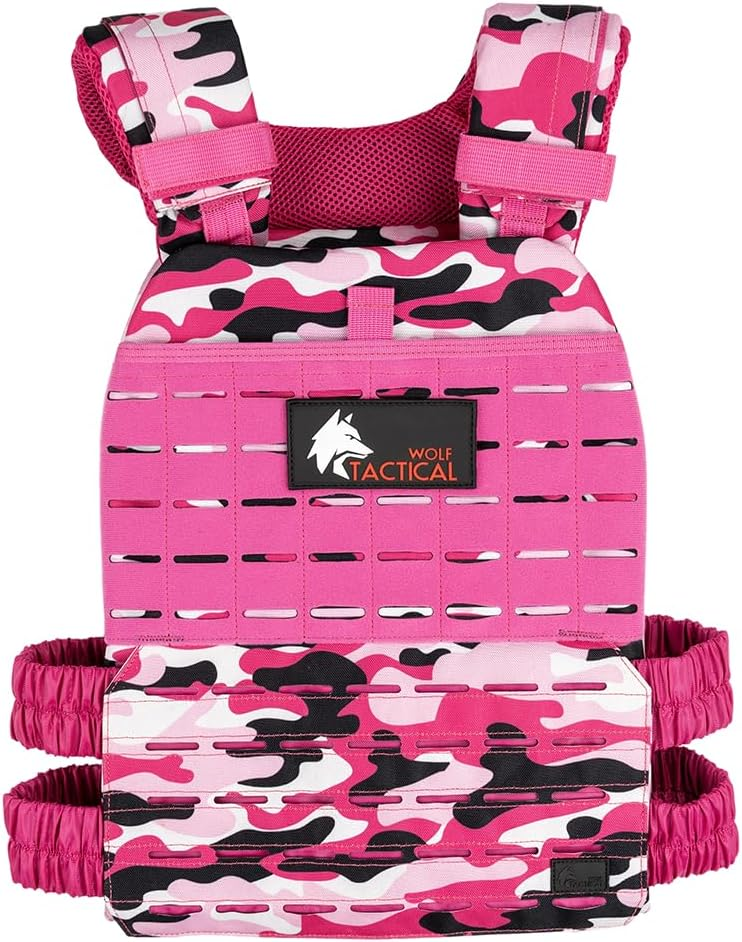
Buying online is fine if you know what to test when it arrives. Favor vests with return-friendly policies and clear dimensions. For beginners and those prioritizing comfort and fit, I recommend trying a Wolf Tactical Simple Weighted Vest — it balances fit and affordability and is commonly recommended for walking and rucking.

Buyers often appreciate the modest price and simple adjustment system on this model. If you need more heavy-duty options for strength work, consider a plate-ready vest designed for higher loads.
Local buy-and-try tips
- Bring the clothes you’ll wear while rucking; fit changes with bulkier layers.
- Walk, squat, and bend while trying the vest to identify hot spots or pressure points.
- Ask about returns and exchange windows—online purchases should allow a proper test period.
- If buying used, inspect seams, plate pockets, and closures for wear; test with a light load first.
Estimate calories and plan your first walks
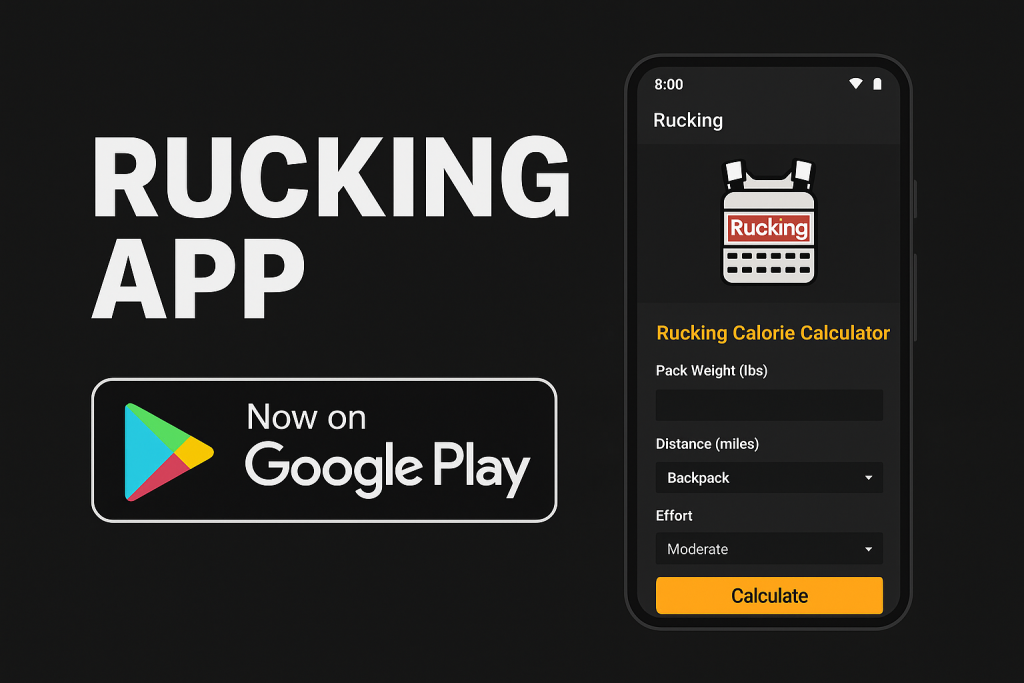
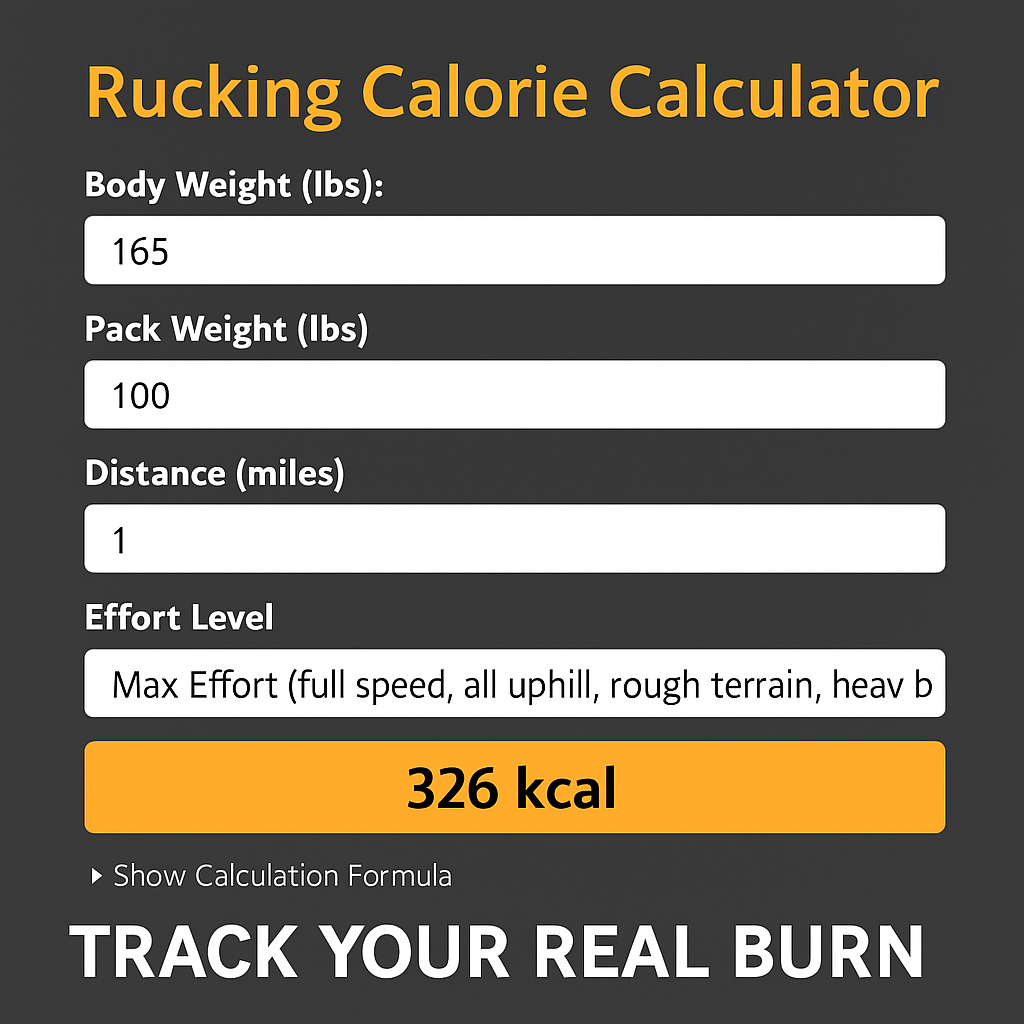
Once you’ve got a vest, use the rucking calorie calculator to estimate energy burn for different weights and paces. It’s a practical way to plan progressive loading and set realistic weekly targets instead of guessing.

Starter four-week plan
- Week 1: 20–30 minute walks with 5–10% bodyweight, 3x/week.
- Week 2: Add 1 walk of 40 minutes; keep 2 shorter walks.
- Week 3: Increase weight 2–5% or add time to the 40-minute session.
- Week 4: Two 40–60 minute sessions, one recovery walk; re-evaluate fit and comfort.
Finding a weighted vest nearby is mostly about testing fit and buying a vest that you’ll actually wear consistently. Start light, prioritize comfort, and use a calorie calculator to track progress. If you can’t try locally, choose a trusted return policy and a model that matches your primary use—walking/rucking or heavier strength work.