Understanding Weighted Vest Pros and Cons
Weighted vests are a staple for outdoor athletes and everyday fitness enthusiasts looking to elevate their walking, rucking, or bodyweight training sessions. Like any tool, though, they come with both significant advantages and some trade-offs. This guide breaks down the real-world pros and cons of weighted vests to help you decide if they’re right for your training routine.
Weighted Vest Pros
- Versatility: Use them for rucking, stair climbing, push-ups, bodyweight squats, or even hiking. Most vests allow you to incrementally increase weight, suiting both beginners and seasoned athletes.
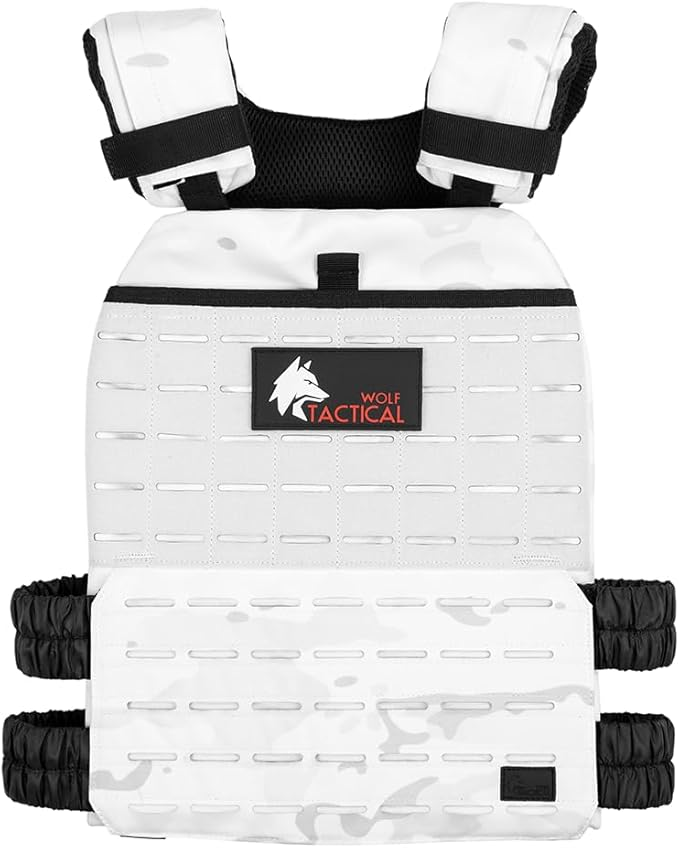
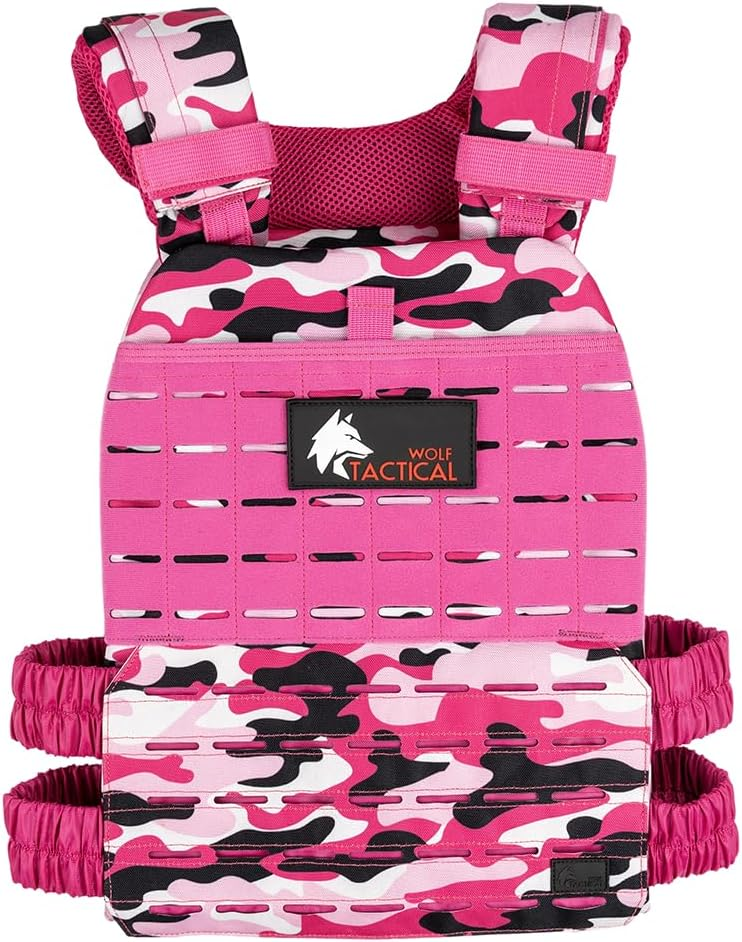
- Compact and Balanced Load: Properly fitted weighted vests distribute weight evenly across your torso, making load-carrying more ergonomic. This is especially true for models like the Wolf Tactical Adjustable Weighted Vest, which is highly adjustable for comfort on the move.
- Hands-Free Movement: Unlike a rucksack, a weighted vest keeps your arms free for natural stride and dynamic activities.
- Cardio and Strength Boost: Adding load intensifies any walk or calisthenics workout, helping you burn more calories and build endurance.
- Minimal Impact on Gait: Since the weight sits close to your center of mass, vests minimize form disruption compared to heavy backpacks packed off-balance.

Weighted Vest Cons
- Weight Limits: Most vests max out around 40-50 lbs, less than what many backpacks or rucksacks can carry. For true heavy-load training, something like the Kensui EZ-VEST® MAX V2 (up to 300 lbs) stands out for the strength-inclined.
- Heat Buildup: Wearing a vest restricts airflow to your torso, making things hotter—especially during summer rucks or in direct sun.
- Potential Chafing: Poorly-fitted vests can rub under arms or across shoulders. Look for wide, padded straps and breathable fabric to minimize this risk.
- Not Ideal for All Activities: Runners sometimes find weighted vests cumbersome. For long treks, a well-vented rucksack like the CamelBak Motherlode Hydration Backpack (plus weight plates) may be preferable, since it also enables hydration on the go.
- Fit Issues for Small or Tall Users: Some designs are one-size-fits-all but not truly adjustable for all body types.

Is a Weighted Vest Right for You?
If your goal is fat loss, metabolic conditioning, or practical strength, weighted vests can absolutely deliver. They’re particularly useful if you don’t want the bulk (or gear shifting) of a loaded backpack. For longer rucks or events where hydration is a must, a rucksack such as the CamelBak Motherlode may better suit your needs.

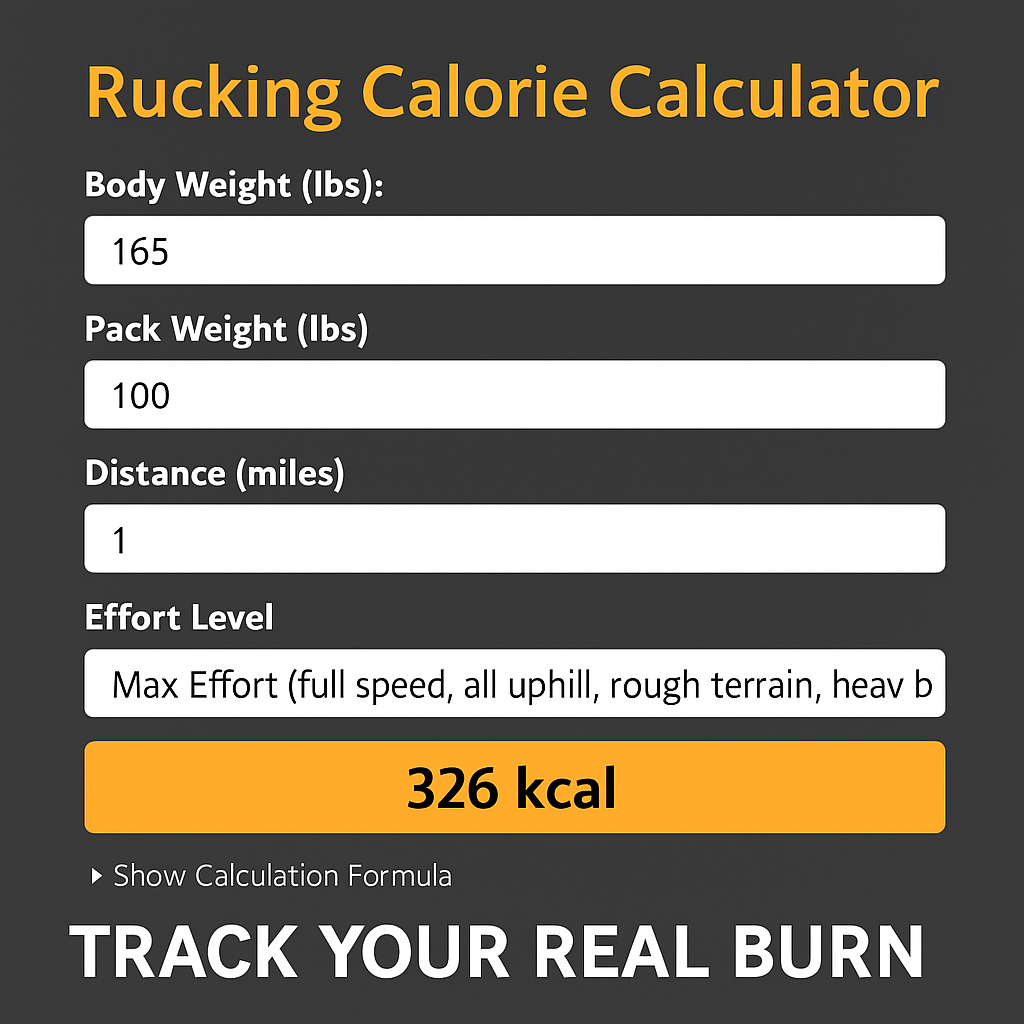
Want to know how many calories your next weighted vest workout will burn? Use our calorie calculator below to estimate your output for both vests and backpacks.

Final Thoughts
Ultimately, weighted vests are efficient for boosting strength, burning more calories, and spicing up walks or workouts when you want simplicity and freedom of movement. Just pay close attention to fit, comfort, and your specific training goals when choosing between a vest or a traditional rucksack.