Why Weighted Vest Safety Matters
Adding a weighted vest to your training can rapidly boost strength, endurance, and calorie burn—but it’s only effective if you use it safely. Proper use minimizes risk of injury and maximizes gains, whether you’re rucking, running, or hiking uphill. Below, you’ll find essential weighted vest safety tips for anyone from beginners to serious athletes.
1. Start Light, Progress Slowly
Don’t rush into heavy vests. Begin with 5–10% of your body weight, and only increase the load as your body adapts. This allows your joints, back, and legs time to strengthen with the added stress. For most beginners, that means a 10-20 lb vest is plenty.
- Listen to your body: Any persistent discomfort means you may need to adjust or reduce the weight.
- Track your sessions: Increase weight in small increments, no more than 5 lbs at a time.
2. Choose the Right Equipment
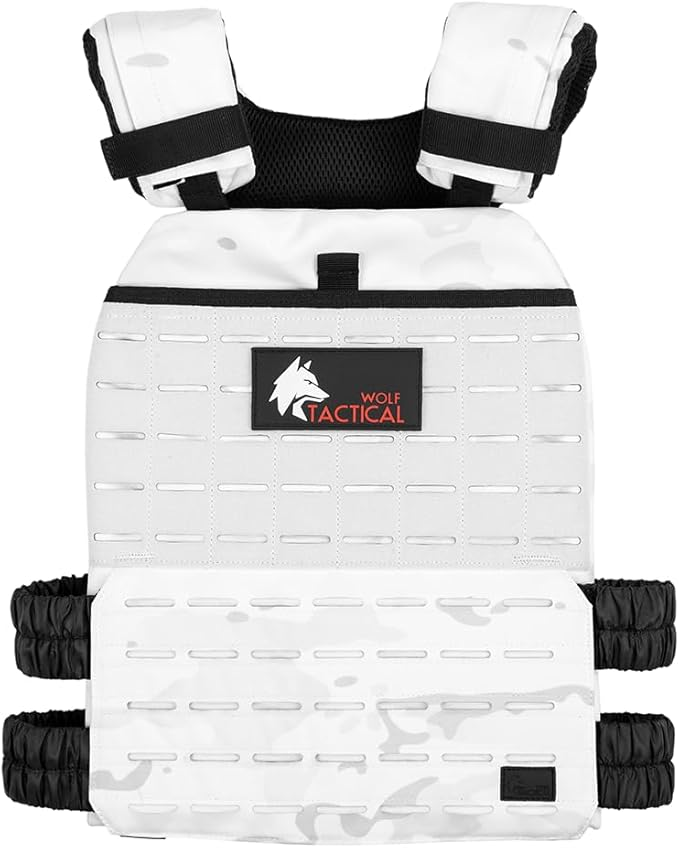
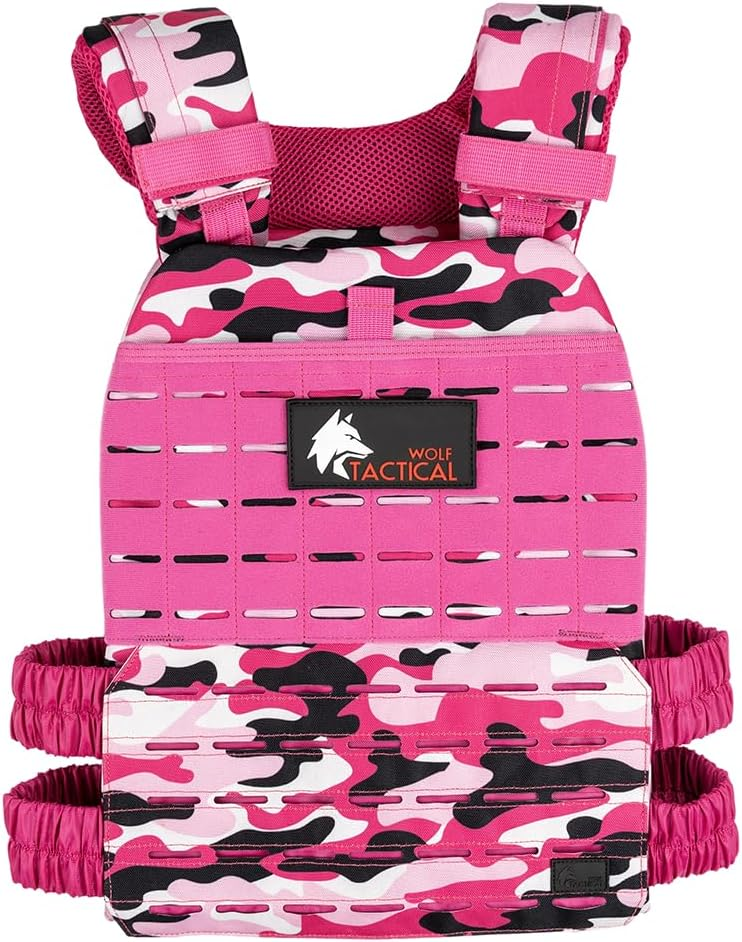
Well-designed, adjustable vests ensure load is distributed evenly, preventing chafing and reducing risk of falls or back pain. Look for padded shoulders, breathable fabric, and a snug fit to keep the vest close to your torso during movement.

The Wolf Tactical Adjustable Weighted Vest is beginner-friendly, with secure straps and great comfort for longer sessions.
3. Prioritize Fit and Comfort
A loose vest will bounce around and cause bruising or misalign the load. Adjust the straps so it sits snugly on your chest and upper back, and check periodically as you move.
- Minimize friction: Wear moisture-wicking layers to reduce the chance of blisters or hot spots.
- Shoulder comfort: Padding prevents pressure points on traps and collarbones.
4. Maintain Proper Form at All Times
With added weight, sloppy movement patterns increase risk of knee, hip, or back injury. Focus on:
- Staying upright
- Engaging your core
- Taking shorter, steady strides
- Landing softly—not stomping
5. Monitor Fatigue and Recovery
Weighted rucking and walking are taxing. Allow extra rest between hard sessions, and never push through sharp pain. Signs of overuse include changes in gait, persistent soreness, or swollen joints.
6. Hydrate and Stay Cool
Carrying extra weight generates more heat. Stay hydrated, especially on hot days or long walks. For extended rucks, consider hydration packs or electrolyte-enhanced water.
7. Calculate Safe Calorie Burn
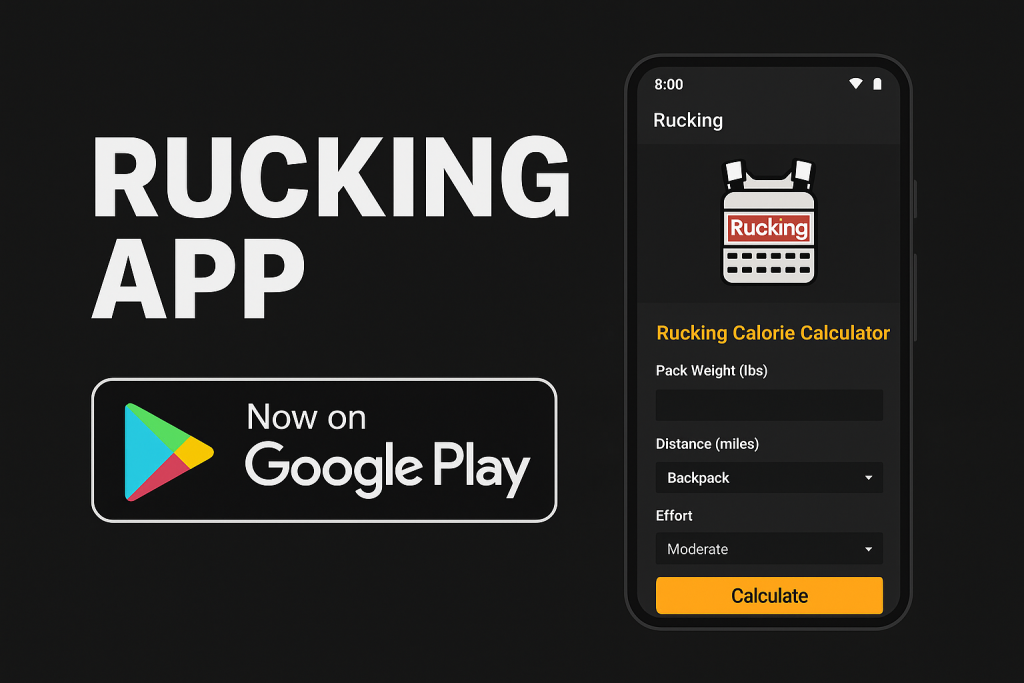
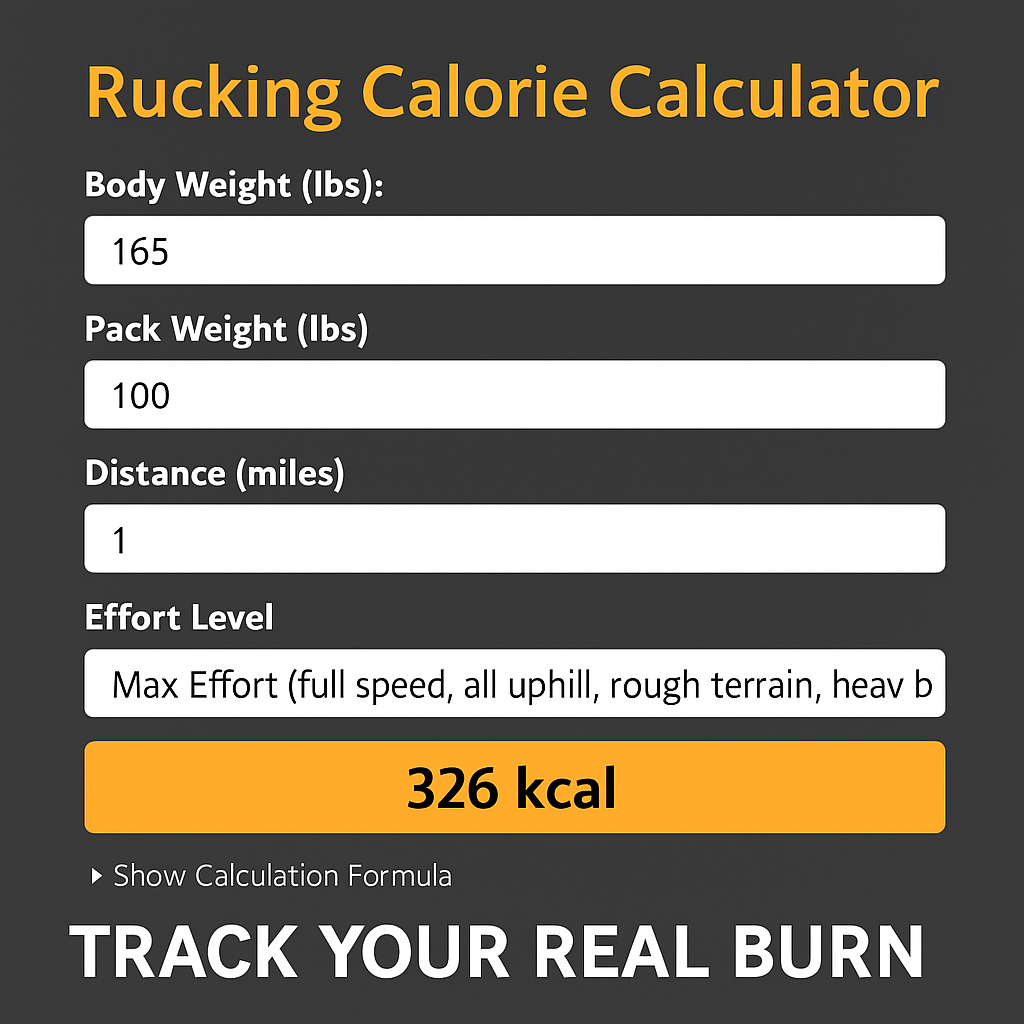
To avoid overtraining and fuel your body effectively, it helps to know how much energy you’re burning with your weighted vest workouts. Use the calculator below tailored for weighted vest and backpack activities!

Calculate your calorie burn and set safe intensity with the Rucking Calorie Calculator.
Final Thoughts
With smart preparation, weighted vests unlock efficient strength and cardio gains. Choose gear that fits well, stay mindful of your limits, and prioritize safe progression every step of the way.