Why people use weighted vest sandbags
Sandbags in a weighted vest are an inexpensive, adjustable way to add load for walking, rucking, and bodyweight work. They’re portable, easy to customize by weight and volume, and often softer than metal plates—so they can reduce pressure points. That said, sandbags create unique challenges: shifting, abrasion, and moisture issues that require specific handling to be safe and effective.
Quick summary
- Pros: cheap, flexible, comfortable under clothing, easy incremental loading.
- Cons: they shift, compress over time, can leak or hold moisture, and require careful placement.
- Best for: beginner to intermediate ruckers who want a low-cost option for added load.
How to load sandbags into a vest safely
Sand behaves differently than metal plates. It compresses, moves, and can create imbalances unless you stabilize it. Follow these practical steps:
- Use multiple small bags rather than a single large pouch—spread weight across pockets to reduce shifting.
- Seal bags tightly. Double-bag fine sand and heat-seal or tape seams to prevent leaks and dust inside the vest.
- Place heavier bags lower and toward the center of the back to keep your center of mass stable. Avoid stacking weight high on the shoulders.
- Test load with a short walk before training. If the bags slide, add compression (wrap with a thin sleeve or use velcro straps) or reposition until movement is minimal.
Training considerations and progressions
Treat sandbag vests like any progressive loading tool. Start with 5–10% of bodyweight, focus on consistent posture, and increase no more than 5% of bodyweight per week depending on recovery and movement quality.
- Begin with walk rucks and conditioning: 20–40 minute sessions at conversational pace with light load.
- Progress to interval rucks, tempo walks, or mixed bodyweight circuits once your joints and gait feel stable.
- When doing running or high-impact work, prefer plate-style loading—sand shifts more at impact and can change mechanics.
Cleaning, moisture, and longevity
Sand + sweat + rain = potential mildew and heavier pockets. Use waterproof inner bags and let the vest and sandbags dry separately after use. Replace fine sand when it clumps or the bags thin; inspect seams regularly.
Gear recommendations
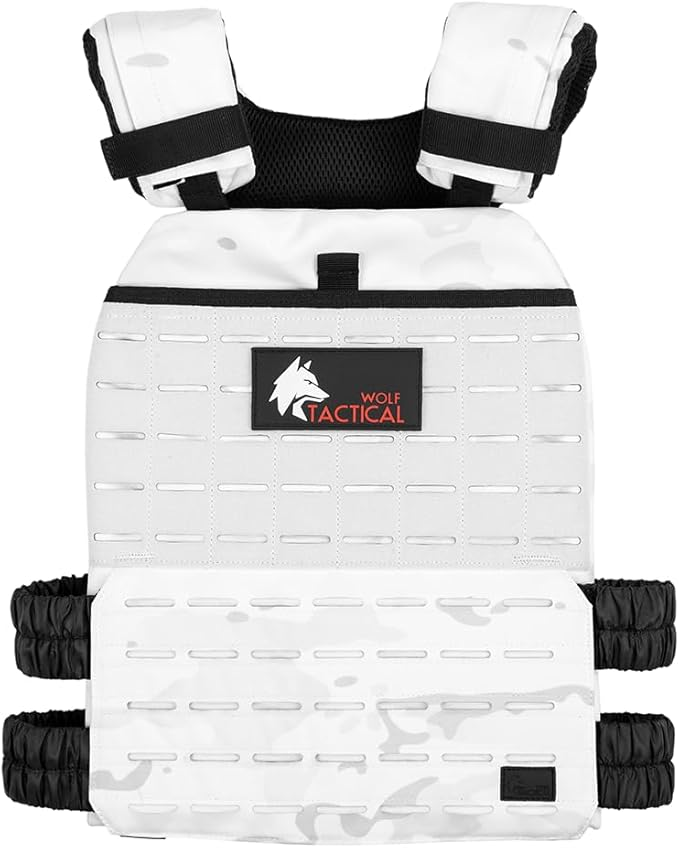
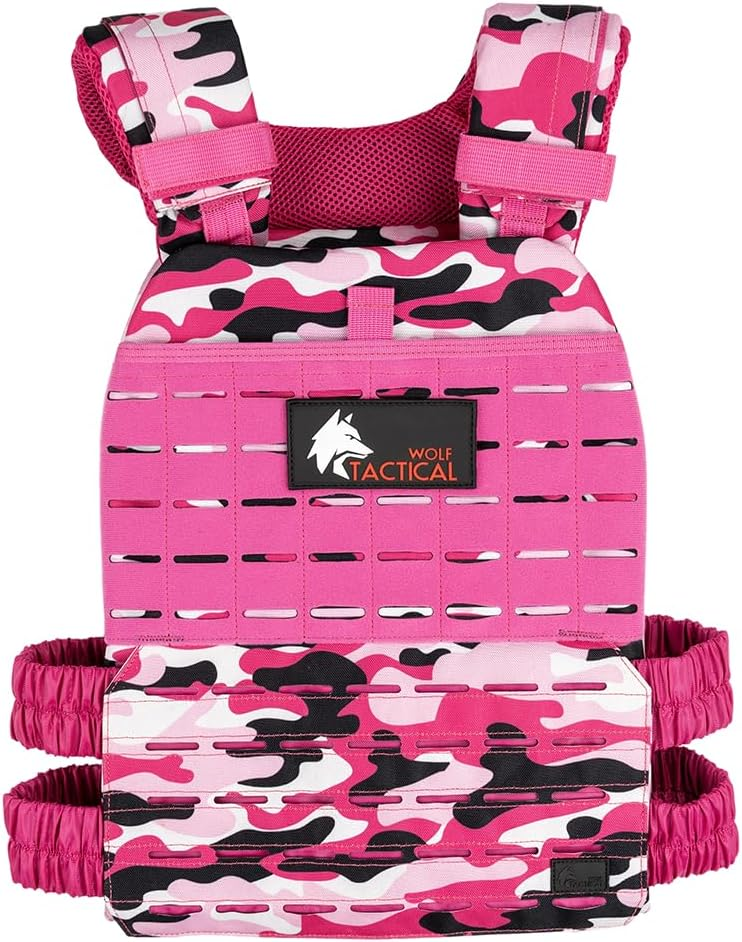
If you want a beginner-friendly, comfortable vest that works well with soft loads like sandbags, I recommend the WOLF TACTICAL Simple Weighted Vest (Men/Women). Its soft pockets and fit minimize rubbing when you run sandbag setups, and it’s forgiving for walks and circuits.

For users who plan to graduate from soft sandbags to plates for heavier or higher-impact work, a pair of durable ruck plates like the Yes4All Ruck Weight Plate can be a future-safe upgrade.

Use the calorie calculator before you plan a session
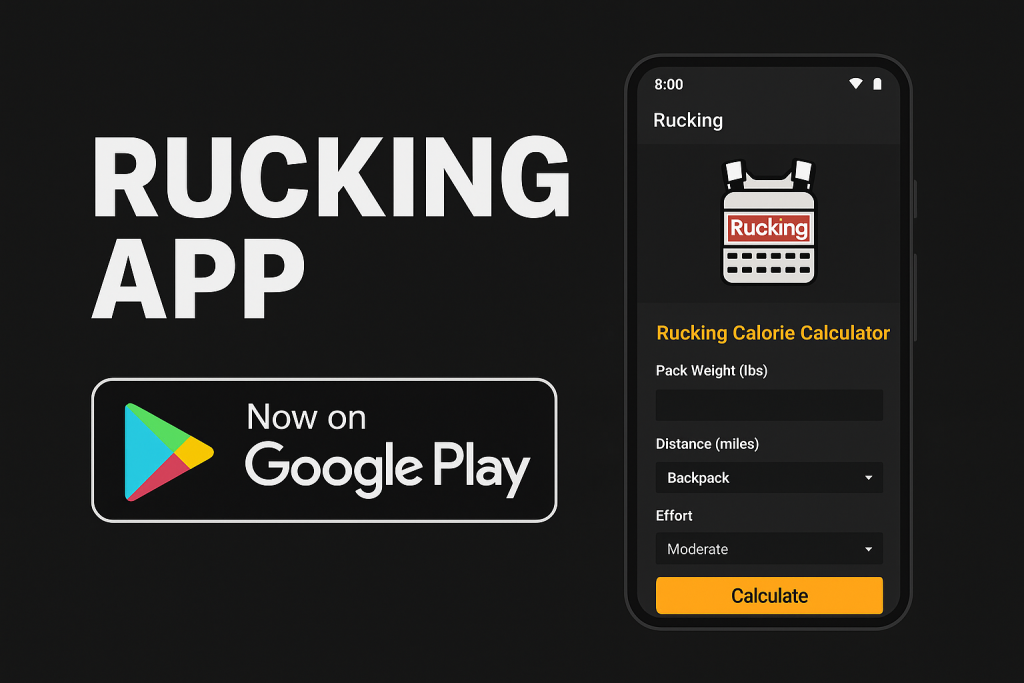
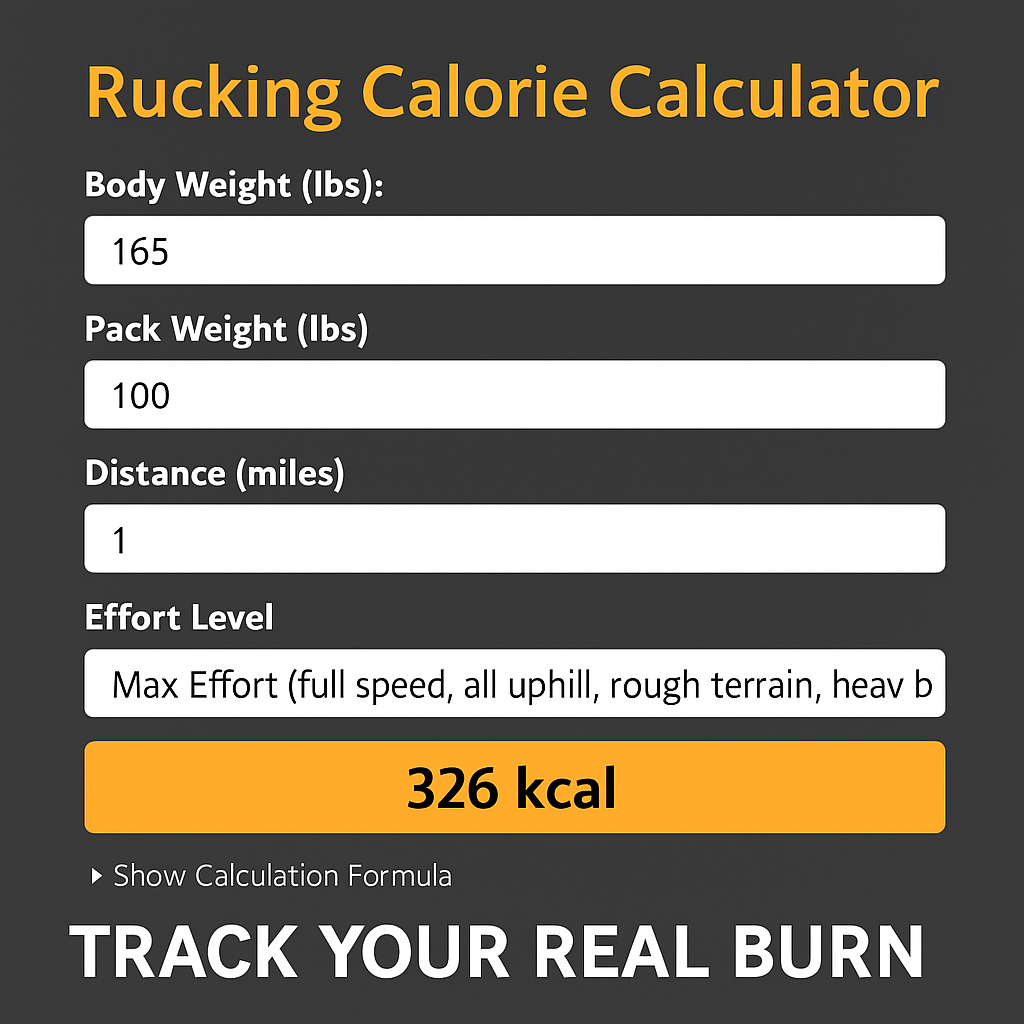
Want to estimate how many calories you burn with a sandbag-loaded vest on a walk or ruck? Use the rucking calorie calculator to plan sessions and progress intelligently. Click the screenshot to open the calculator and enter your weight, pace, distance, and load.

Final notes from my experience
I’m Preston Shamblen, and I lost 90 lbs through consistent rucking, weighted-vest training, and disciplined nutrition. Sandbags are a useful, low-cost stepping stone—just respect their limits. If your goal is long-term heavy loading or running with weight, plan to move to plates. For walking, conditioning, and skill work, sandbeds in a well-fitted vest are a practical tool if you stabilize them properly.
Keep load progression slow, inspect your gear, and prioritize movement quality over raw weight. Your joints and long-term consistency will thank you.