If you’re adding load to your walks, you’re already doing more than most. The real question is weighted vest vs backpack for walking: which is better? The short answer—both work, but each shines for different goals, distances, and environments. Here’s how to choose, set up, and progress safely.
How each option loads your body
Weighted vest
A vest places weight close to your center of mass, front and back, with your hands free. That usually means more natural posture and arm swing, less strap pressure on the neck, and easier stair or hill work. Because the load sits on the torso, your trunk and glutes stay engaged without yanking your shoulders forward.
Backpack (ruck)
A pack concentrates weight behind you. Done right (high on the back, cinched tight), it trains the posterior chain and can be more comfortable at higher total loads for long durations. You can add or remove weight on the fly and carry water or layers in the same bag—ideal for mixed-terrain or all-day walks.
Calorie burn: is one higher?
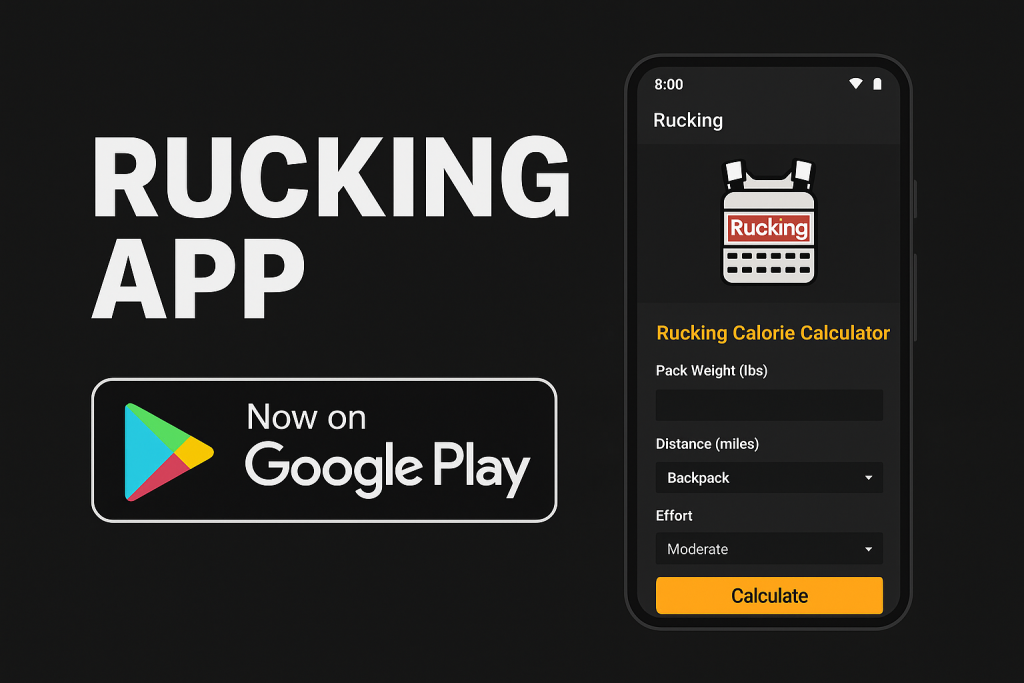
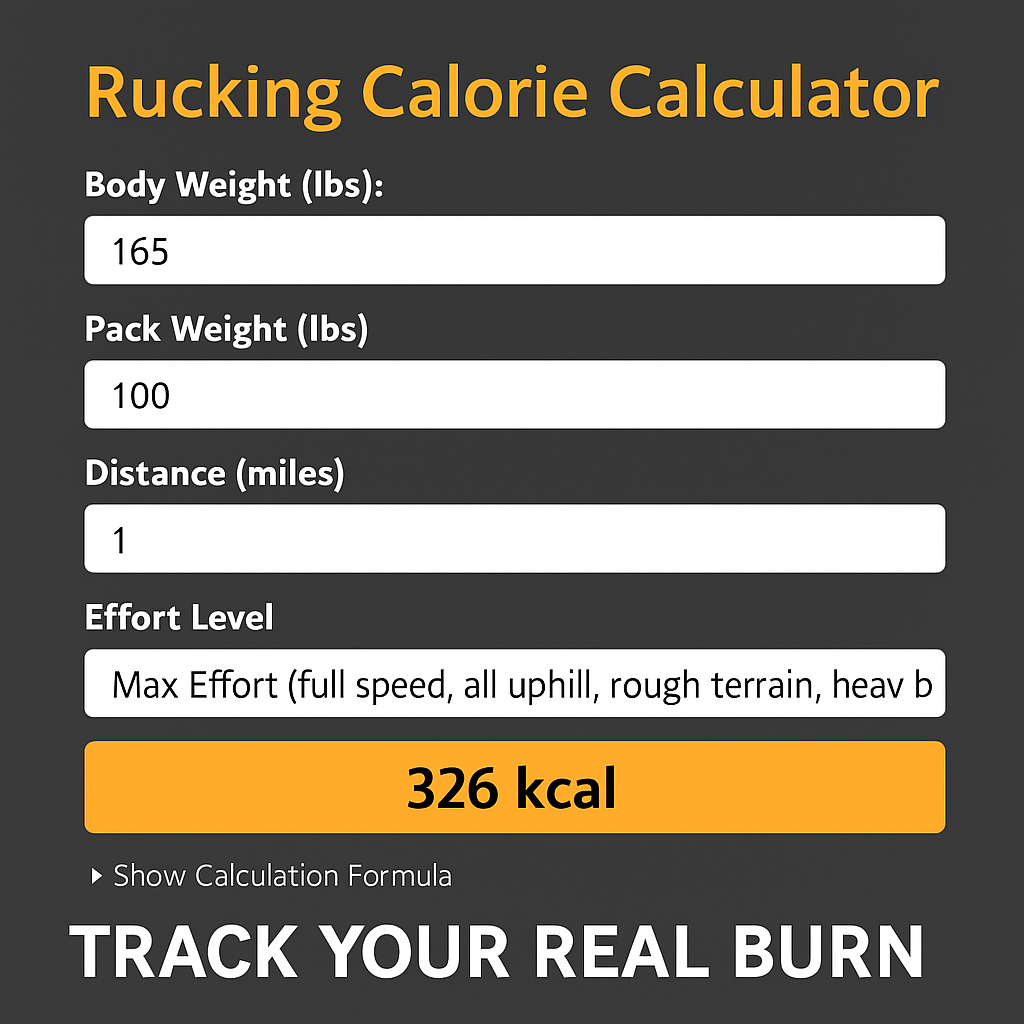
At the same body weight, pace, grade, and duration, calorie burn is similar. The bigger levers are your total system weight and how efficiently you move. A vest may feel slightly more “athletic” for city or stair sessions; a ruck may let you sustain longer sessions at steady heart rates. Use data, not guesses:

Safety and fit tips
- Start light: 5–10% of body weight for beginners. Build gradually toward 15–20% only if joints tolerate it.
- Vest fit: snug, doesn’t bounce, doesn’t block ribcage expansion. Keep plates or sand evenly distributed front/back.
- Backpack fit: ride the load high and tight, close to the spine. Use the sternum strap; avoid low, swinging packs that tug the low back.
- Footwear matters: choose stable shoes with room in the toe box; consider replacing old insoles.
- Terrain: add hills for intensity before piling on more weight.
When to choose a weighted vest
- Urban sidewalks, stairs, or trail sections where hands-free balance matters.
- Short-to-moderate sessions (20–60 minutes) at moderate intensity.
- Combining walking with bodyweight moves (lunges, step-ups, push-ups) mid-route.
When to choose a backpack
- Longer outings (60+ minutes) where you may adjust load, pace, or clothing.
- Carrying hydration, snacks, first aid, or weather layers.
- Progressing to heavier loads or varied terrain without torso restriction.
Simple starter progressions
- Vest progression: 2×20–25 minutes per week at 5–10% body weight. Add 5 minutes or 1–2 lb every 1–2 weeks as joints allow.
- Backpack progression: begin with 10–15 lb for 30–45 minutes. Add 5 lb or 10 minutes every 1–2 weeks. Keep the bag high and strapped.
Recommended gear that fits the job
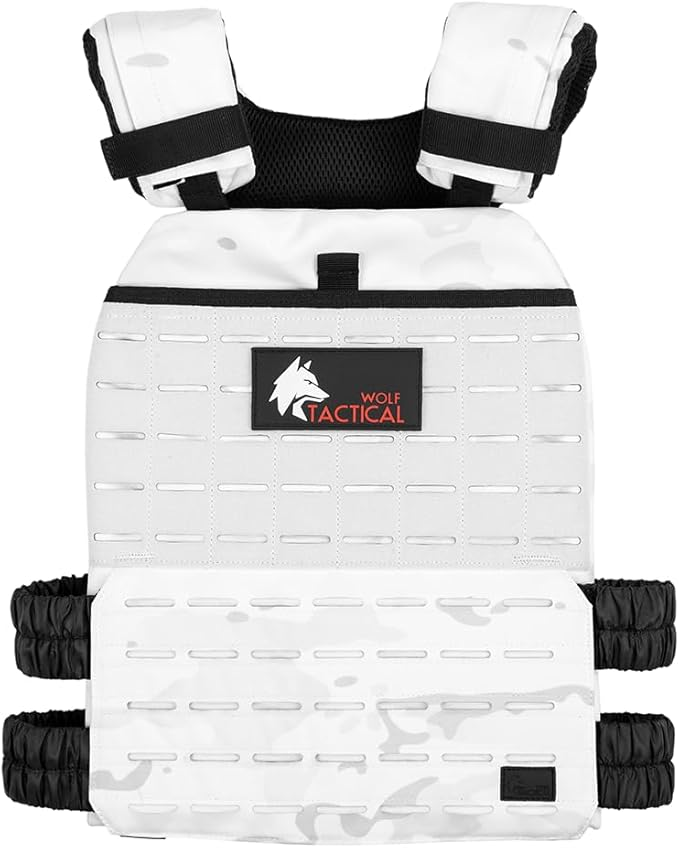
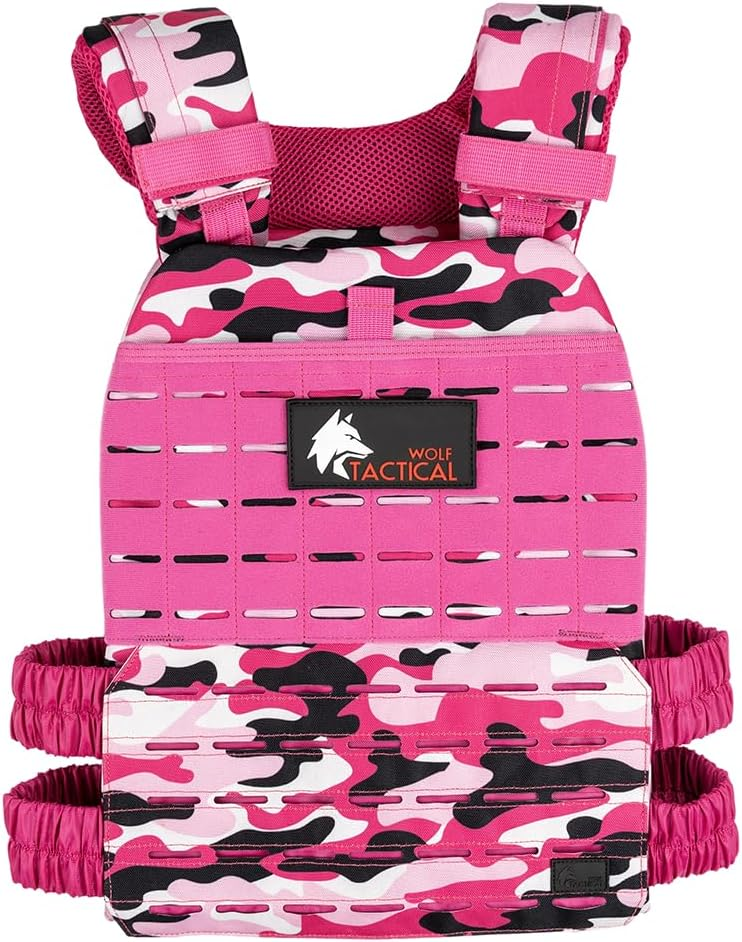
For a comfortable, adjustable vest that stays put on walks, consider the Wolf Tactical Adjustable Weighted Vest.

If you prefer a pack built for loaded walking and easy weight changes, the GORUCK Rucker 4.0 20L is a durable choice.

Form cues that protect your joints
- Tall spine, ribs down, slight forward lean from the ankles (not the waist).
- Short, quick steps on hills; don’t overstride.
- Quiet feet and relaxed shoulders; elbows swing naturally with a vest, close to the body with a ruck.
Bottom line
Pick the tool that best matches your route and session length. For compact, hands-free walking and stair work, a weighted vest is tough to beat. For longer efforts, variable terrain, and easy load management, use a backpack. Stay consistent, progress gradually, and let the data guide your next bump in weight or time.