Weighted Vest vs Ruck Marching: Which Training Method Is Best For You?
If you’re exploring ways to supercharge your outdoor fitness routine, you may have come across two popular methods: weighted vest training and ruck marching. Both add resistance, boost calorie burn, and build stamina, but each has unique strengths and ideal uses. Let’s dig into how they compare and which might fit your goals, body, and training style best.
What Is Ruck Marching?
Ruck marching—often called “rucking”—involves walking or hiking with a loaded backpack. Inspired by military training, it’s about covering distance with a significant load. Ruck weights typically range from 10 to 50+ lbs, depending on fitness level and purpose.
The benefits include improved cardiovascular health, strong legs, better core stability, and serious calorie burn. The distribution of weight activates a wide range of muscle groups and can support functional strength gains.
What About Weighted Vest Training?
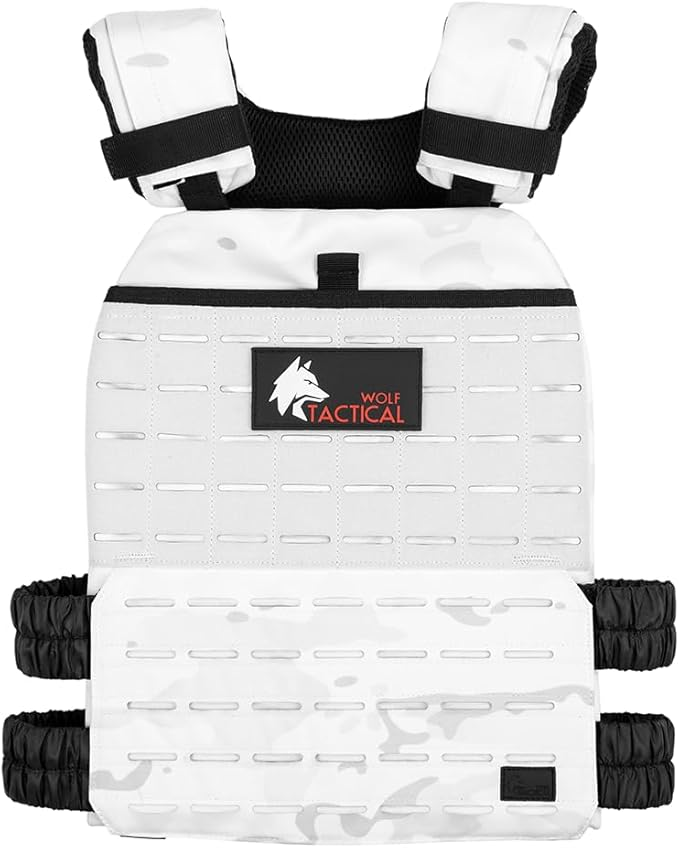
Weighted vests are designed to fit snugly to your torso, so the extra weight is close to your body’s center of mass. This changes the nature of load-bearing compared to a backpack. Vests are highly versatile: wear them on walks, runs, for calisthenics, stair climbing, or HIIT. Their even weight distribution often makes them more comfortable for dynamic movements and for users worried about backpack chafing or posture imbalances.

Weighted Vest vs Ruck: Key Differences
- Comfort & load distribution: Backpacks (rucksacks) place most weight across the back and shoulders, while vests keep weight tightly against your core, minimizing bounce.
- Exercise variety: Ruck marching is usually steady-state walking/hiking. Weighted vests excel in multi-modal workouts, including runs, stairs, and bodyweight circuits.
- Muscle recruitment: Backpacks train posture, traps, lats, and lower back stability. Vests train legs, lungs, and cardiovascular system, often with less upper body strain.
- Progression: Both allow progressive overload—just add more weight over time, but ruck packs often support heavier loads.
- Practicality & gear: Backpacks like the CamelBak Motherlode let you carry hydration and supplies on long hikes; vests are simpler and less bulky.

Which Method Burns More Calories?
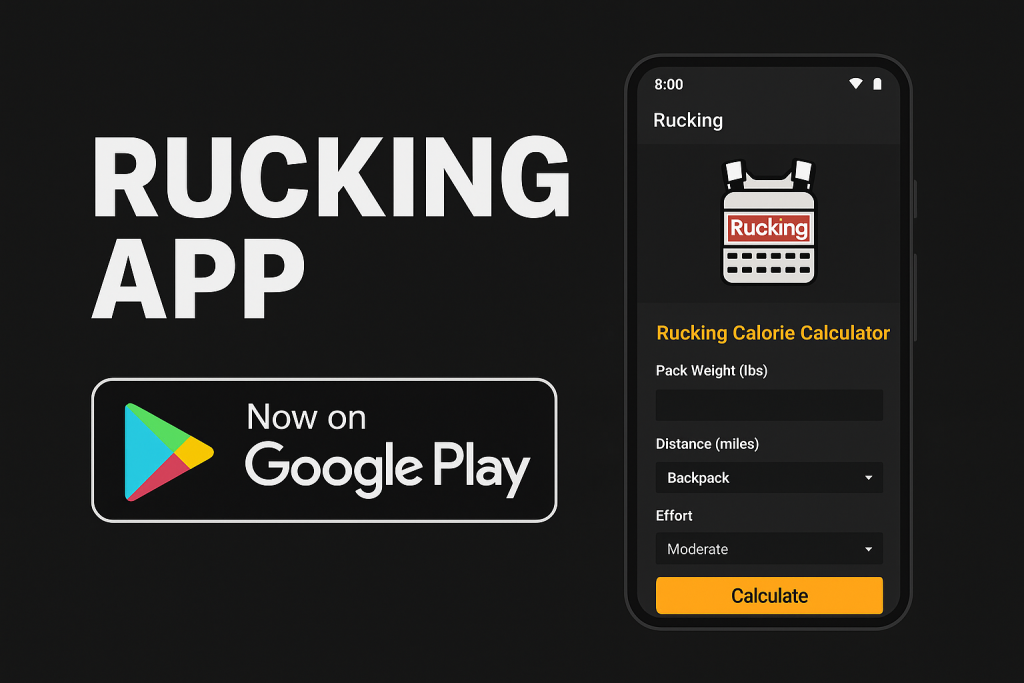
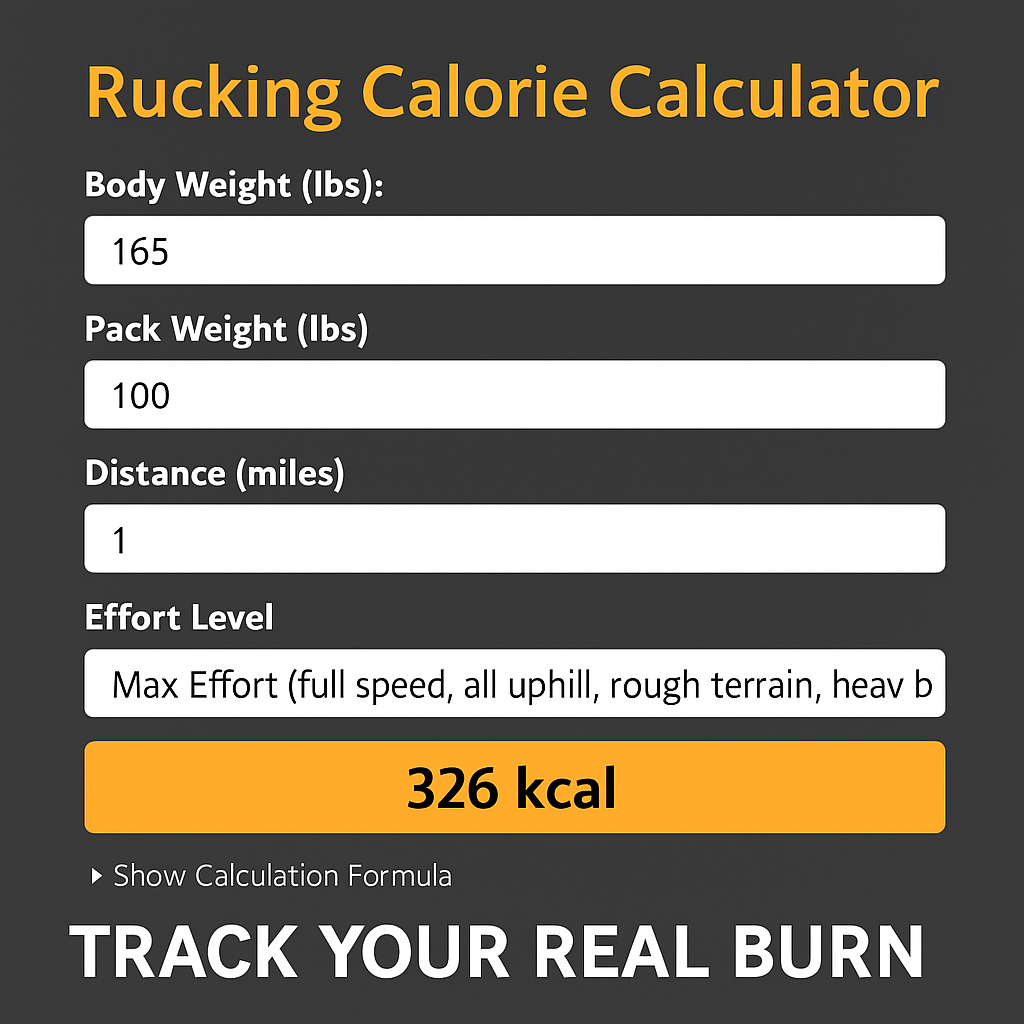
The winner depends on intensity, your weight, pace, and load. Both amplify calorie burn beyond ordinary walking. Try our calorie calculator below by selecting weighted vest or backpack rucking to estimate your real-world numbers:

Final Thoughts
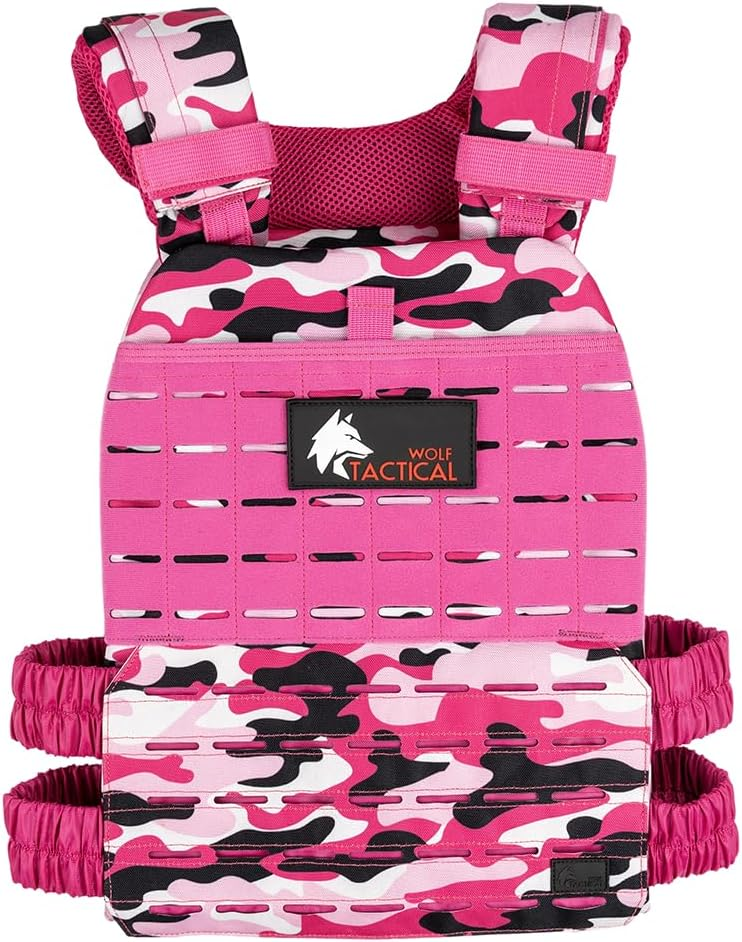
There’s no wrong answer between weighted vest and ruck marching—both are exceptional for fitness, weight loss, and endurance. Choose a method that matches your comfort, movement style, and goals. Consider mixing both for maximum benefit. If you’re looking for versatile gear and hydration support, the CamelBak Motherlode is a strong choice. For simplicity and all-body workouts, the Wolf Tactical Weighted Vest delivers. Train smart, progress steadily, and enjoy every mile!