Weighted vest vs rucking: what’s the real difference?
Both methods add external load to everyday movement so you burn more calories and build durable fitness. The difference is where the weight sits and how your body manages it.
- Weighted vest: Load is centered on the torso, close to your center of mass. Posture stays upright, arms swing freely, and stairs or hills feel natural. Great for walks, hikes, and calisthenics.
- Rucking (weighted backpack): Load sits behind you and slightly higher. It challenges your posterior chain and upper back more, and can scale to heavier weights for longer endurance efforts.
- Joint feel: Vests often feel friendlier on hips/low back; rucks shift more to shoulders/traps if fit isn’t dialed in.
- Versatility: Vests shine for mixed sessions (squats, push-ups, stairs). Rucks excel for distance and carrying essentials (water, layers, med kit).
Pros and cons at a glance
Weighted vest strengths
- Upright posture and easy breathing.
- Quick on/off and precise load increments.
- Pairs well with bodyweight strength work.
Weighted vest watch-outs
- Less storage; hydration requires a bottle or belt.
- Chest pressure if fit is poor or weight too high.
Rucking strengths
- Carry more weight comfortably over distance.
- Storage for water, snacks, layers, and safety items.
- Builds back/shoulder endurance and foot care skills.
Rucking watch-outs
- Strap hotspots if fit isn’t tuned.
- Forward lean when loads get heavy.
How to choose based on your goal
- Fat loss and general fitness: Both work. Choose the one you’ll do 4–6 days a week. City sidewalks or stairs? A vest is seamless. Park loops or trails? A ruck is practical.
- Strength and posture: Vests pair better with circuits (lunges, push-ups, step-ups) while keeping a tall spine.
- Endurance and long walks: Rucks win for carrying water, nutrition, and first aid.
- Joint sensitivity: Start with a light vest; progress to ruck once gait and foot care are solid.
How much weight to use
- Beginner vest: 5–10% of bodyweight; progress to 10–15% as you can maintain nasal breathing and conversational pace.
- Beginner ruck: 10–15 lb for new walkers; 20–25 lb for active folks. Hold steady for 2–3 weeks, then add 5 lb or distance, not both.
- Rule: Add load only when your pace, posture, and recovery stay consistent for two consecutive weeks.
Estimate your calorie burn
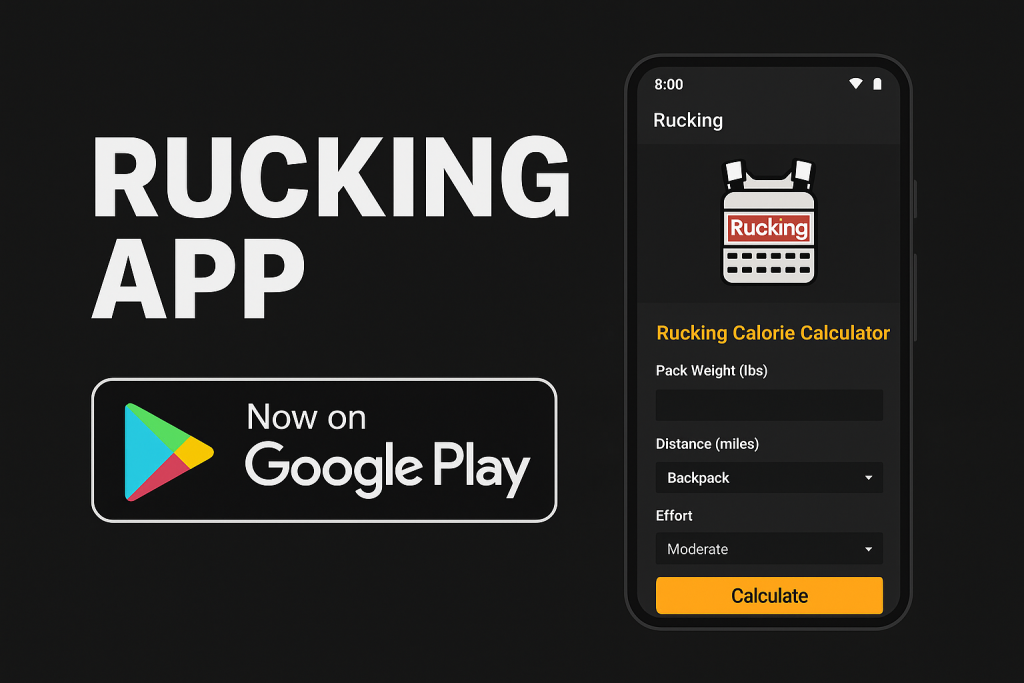
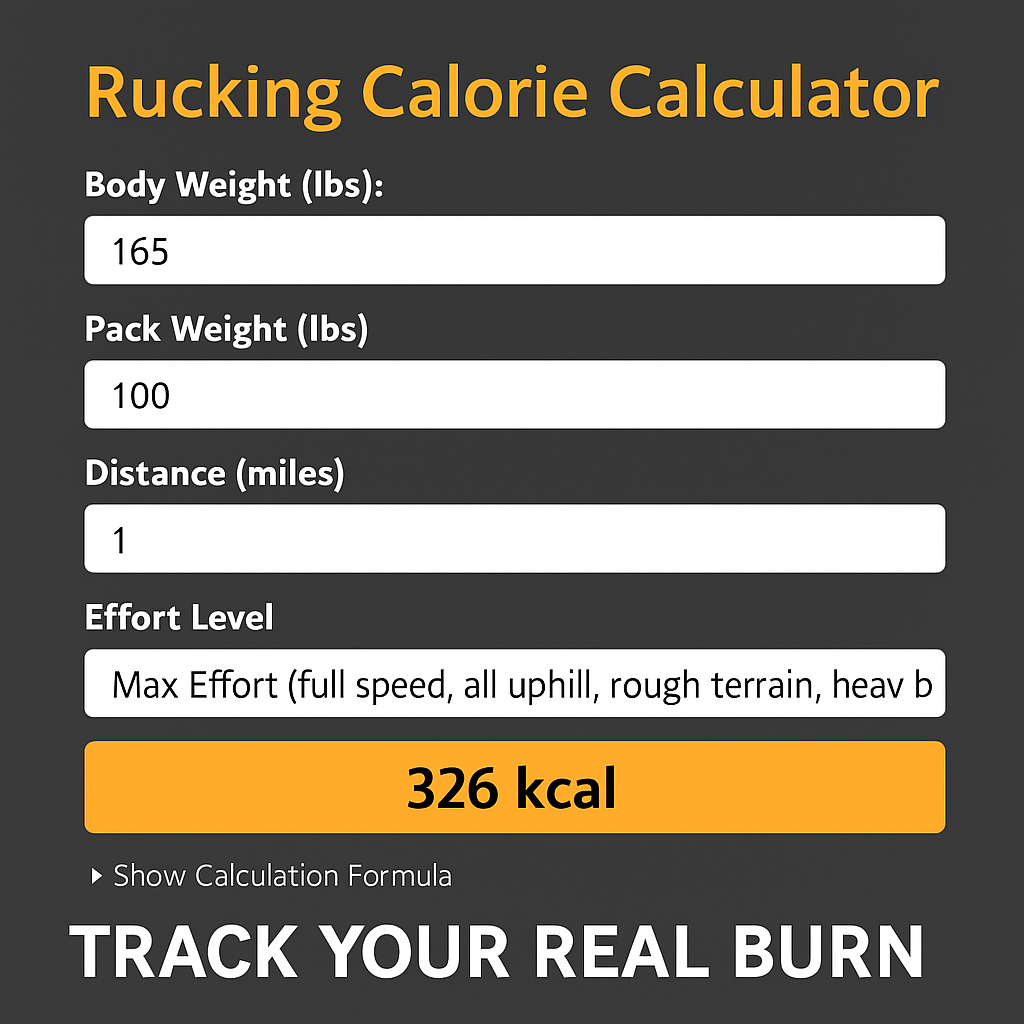
Use this calculator to compare how pace, distance, and load change your burn with a vest or a ruck. Enter your stats, pick your pace, and plan smarter sessions.

Starter gear I trust
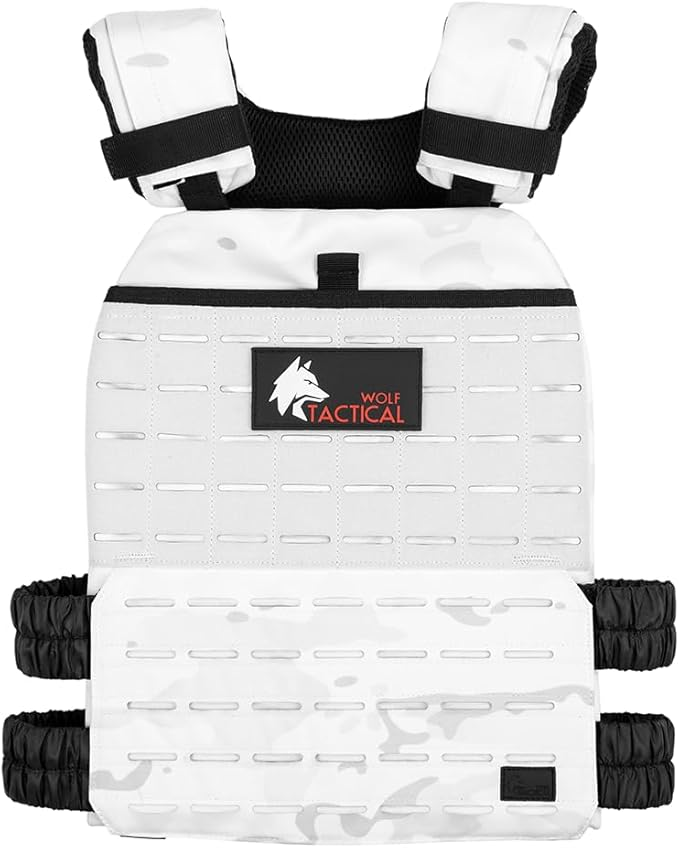
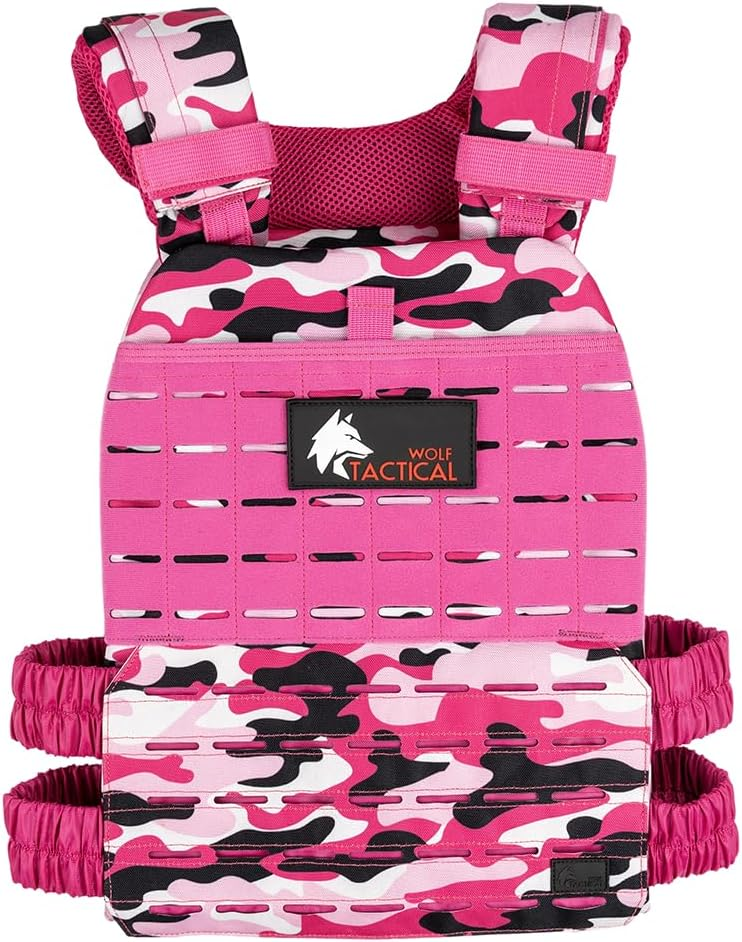
If you want a comfortable vest that locks down well for walking and stairs, the Wolf Tactical Adjustable Weighted Vest is a solid, breathable pick.

For classic rucking with great durability and shoulder comfort, the GORUCK Rucker 4.0 20L carries plates smoothly and resists abrasion.

To fine-tune load in a ruck, the Yes4All Ruck Weight Plate offers reliable 10–45 lb options.

Simple weekly plan (mixing both)
- Mon: 30–45 min vest walk + 3 x 10 step-ups.
- Wed: 40–60 min ruck at easy pace; practice foot care.
- Fri: 25 min hill or stair work in vest; finish with light mobility.
- Sat/Sun: Optional 60–90 min easy ruck or hike.
Form and safety tips
- Keep ribs down and chin neutral; think “tall and stacked.”
- Shorten stride slightly; land under your center of mass.
- Increase only one variable at a time: weight, distance, or speed.
- Prioritize hydration and foot care; fix hotspots early.
Bottom line: the best choice is the one that fits your terrain, schedule, and recovery. Start light, move often, and let consistency do the heavy lifting.