What a “weighted vest with weights” really means
When people search for a weighted vest with weights, they’re usually looking for a vest that includes removable weight bars or plates so they can adjust load as they get stronger. There are two popular styles:
- Adjustable pocket vests: Use steel bars or packets that slide into small pockets. Great for walking, stair work, and calisthenics where small increments (1–2 lb) help.
- Plate-carrier style vests: Use flat steel plates (usually pairs) for fast on/off changes. These ride close to the body and feel stable during runs, rucks, and burpees.
Either style can work. The best choice depends on your primary use, how much you plan to carry, and how easily you want to adjust the load.
How heavy should you go?
Start lighter than you think. Your joints, posture, and breathing mechanics adapt best to gradual progression.
- Walking/rucking: 5–10% of bodyweight to start. Add 2–5 lb every 1–2 weeks as pace and posture hold steady.
- Bodyweight training: Push-ups, squats, step-ups: 5–15% of bodyweight; advanced athletes may go higher for low-rep sets.
- Running or conditioning circuits: Stay conservative. 5–10% is plenty for quality mechanics and lower injury risk.
Keep the weight high and tight on your torso. If plates sit too low, they’ll tug on your shoulders and alter your stride. Always test breathing: you should be able to take full diaphragmatic breaths under load.
Simple progression framework
- Week 1–2: 2–3 sessions, 20–30 minutes at conversational pace (or 3 sets of 8–12 reps per exercise if doing calisthenics).
- Week 3–4: Add 5 minutes per walk or 1–2 reps per set; increase load by 2–5 lb only if form stays crisp.
- Beyond: Alternate volume weeks (more time or reps) with load weeks (add 2–5 lb) to avoid plateaus.
Fit and comfort checklist
- Strap adjustment: Snug, not constricting. You should breathe deep without bounce.
- Plate/weight position: Ride high on the chest/back to minimize sway.
- Shoulder width and padding: Distribute pressure; wider straps help on long sessions.
- Breathability: Mesh panels or open sides reduce heat on warm days.
Reliable options for a weighted vest with weights
For most athletes, a comfortable carrier plus modular plates is the most versatile setup. Two proven picks:
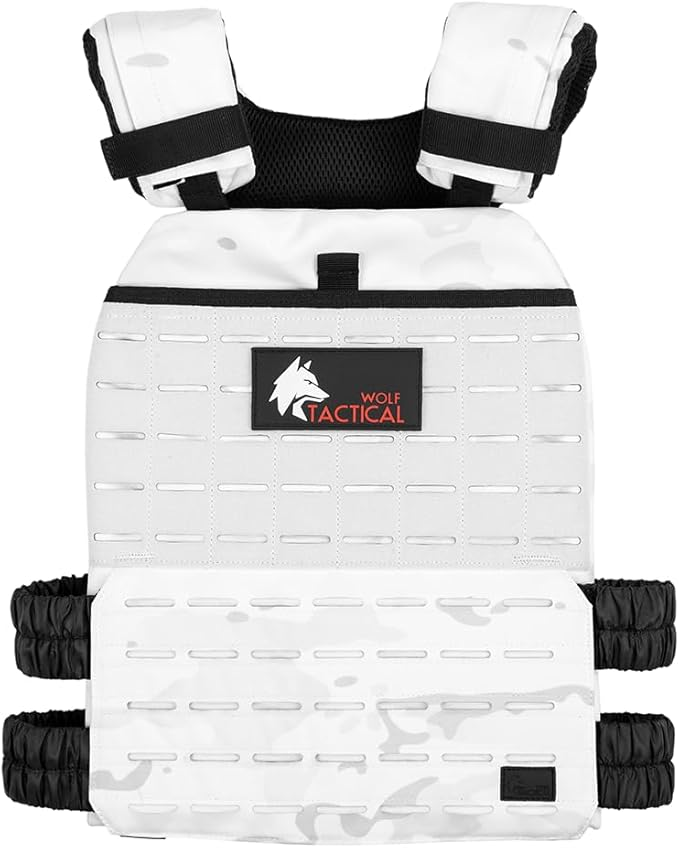
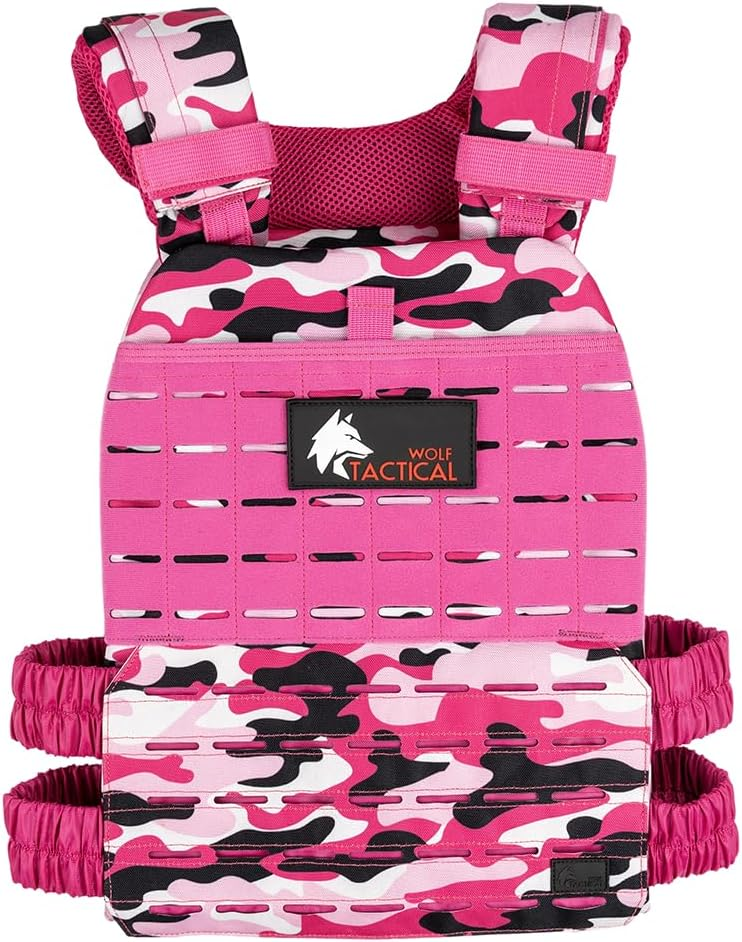
Wolf Tactical Adjustable Weighted Vest offers a stable fit for walks and circuits, with tight ride and quick adjustments.

Pair it with WOLF TACTICAL Weight Vest Plates (pairs) to scale from beginner-friendly loads to challenging sessions without buying a new vest.

Plan and track your calorie burn
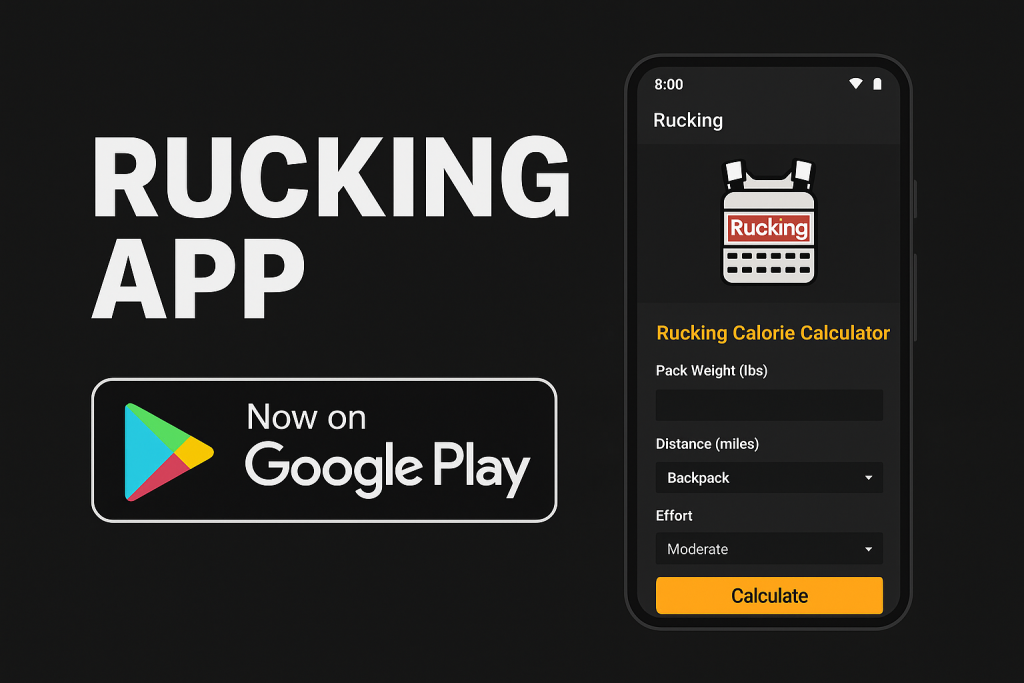
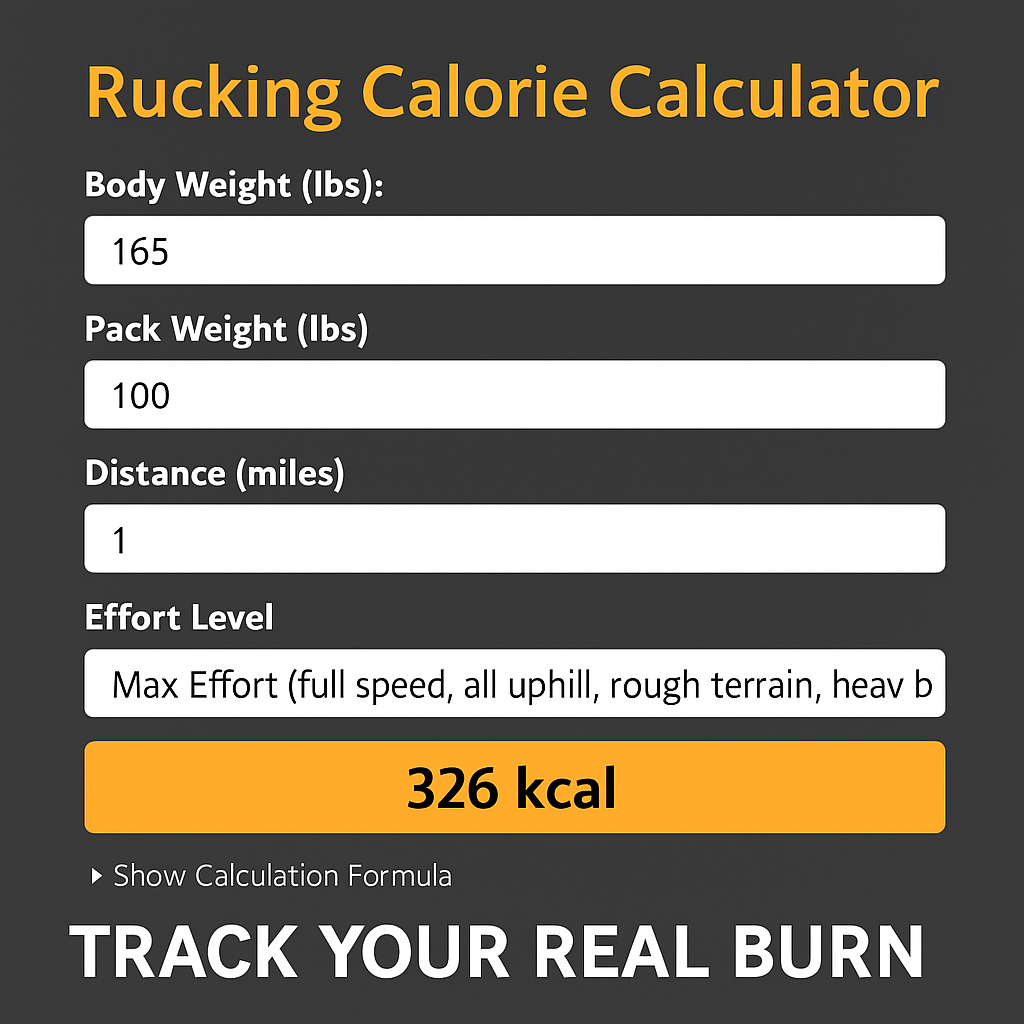
To estimate calories for your weighted walks or rucks, use the Rucking Calorie Calculator. Enter bodyweight, distance, pace, terrain, and load to dial in training and recovery.

Tip: If your heart rate spikes more than expected at a given pace, keep the same load but reduce speed until breathing is steady again. Progress comes from consistency.
Weekly template you can use
- Day 1: 25–35 min brisk walk in vest. Start with 5–10% bodyweight.
- Day 2: Calisthenics circuit in vest: 3 rounds of push-ups, air squats, step-ups, and plank (8–12 reps or 30–45 seconds each).
- Day 3: Rest or mobility.
- Day 4: 30–40 min walk with 2–3 short hills. Keep posture tall; short, quick steps on descents.
- Day 5: Strength-focused sets in vest: split squats and rows (if you have a suspension trainer), 4×6–8.
Recover with light movement and hydration on off days. Add 2–5 lb only when sessions feel solid, with zero form breakdown.