Why add a weighted vest to running?
Adding a weighted vest to running changes the stimulus without changing direction or mechanics. Used properly, it increases calorie burn, strengthens posterior chain muscles, and improves cardiovascular capacity. I write this in the voice of a field coach—simple progressions, honest pacing, and consistent recovery are the parts that actually move the needle.
Who should use a vest for runs?
Weighted-vest running is best for runners who have a base level of conditioning and no recent joint or lower-back injuries. If you’re new to running, build a consistent 3–4 week run-walk base before introducing load. If you’re an experienced runner wanting to preserve muscle while increasing intensity, a light vest for short efforts can be more effective than simply increasing speed.
How to start: a safe progression
Progress gradually. Start lighter and shorter, and let your tissues adapt. Here’s a simple 6-week progression to introduce load without overreach:
- Week 1: 10–15 minutes run-walk with a 2–4% bodyweight vest. Focus on form and breathing.
- Week 2: 15–20 minutes, same load. Add 1–2 short pickups of 30 seconds at a controlled effort.
- Week 3: Increase to 4–6% bodyweight or add 5 minutes to the session.
- Week 4: Add a second loaded session at low intensity or increase one session to 25–30 minutes.
- Week 5–6: Continue incremental increases by time or 1–2% load; avoid increasing both at once.
Common sense: if pain (sharp joint pain or persistent low-back pain) appears—back off, remove the load, and address mechanics or consult a clinician.
Running form and cues with a vest
Weighted vests change your center of mass and cadence. Keep these cues in mind:
- Shorten stride slightly to preserve cadence and reduce braking forces.
- Increase cadence by 5–10% if you feel overstriding; this lowers impact per step.
- Keep chest up and hips engaged—don’t let the vest pull you into a forward slump.
- Prioritize recovery walks and mobility; loaded sessions are still running stress.
Gear I recommend for comfort and fit
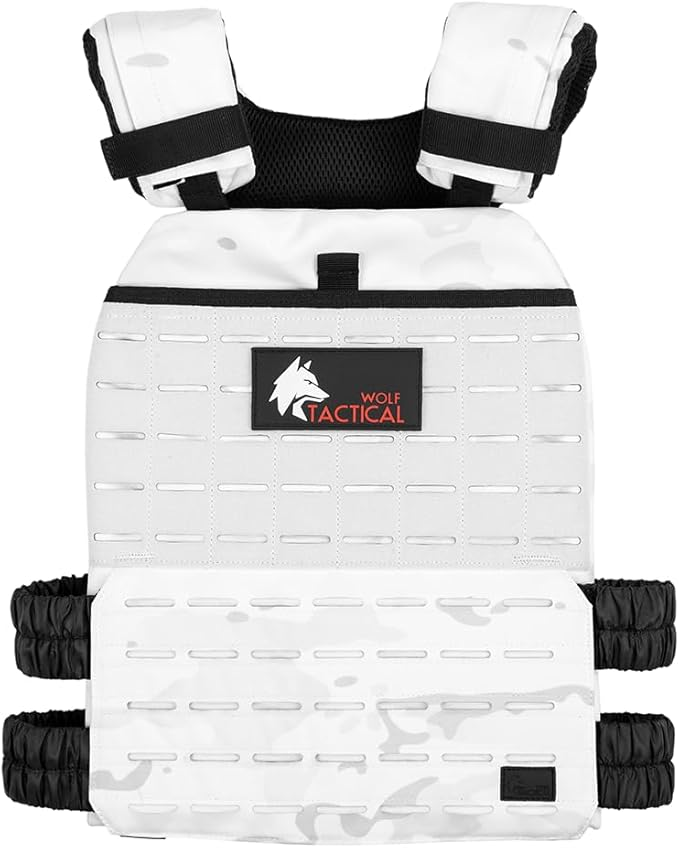
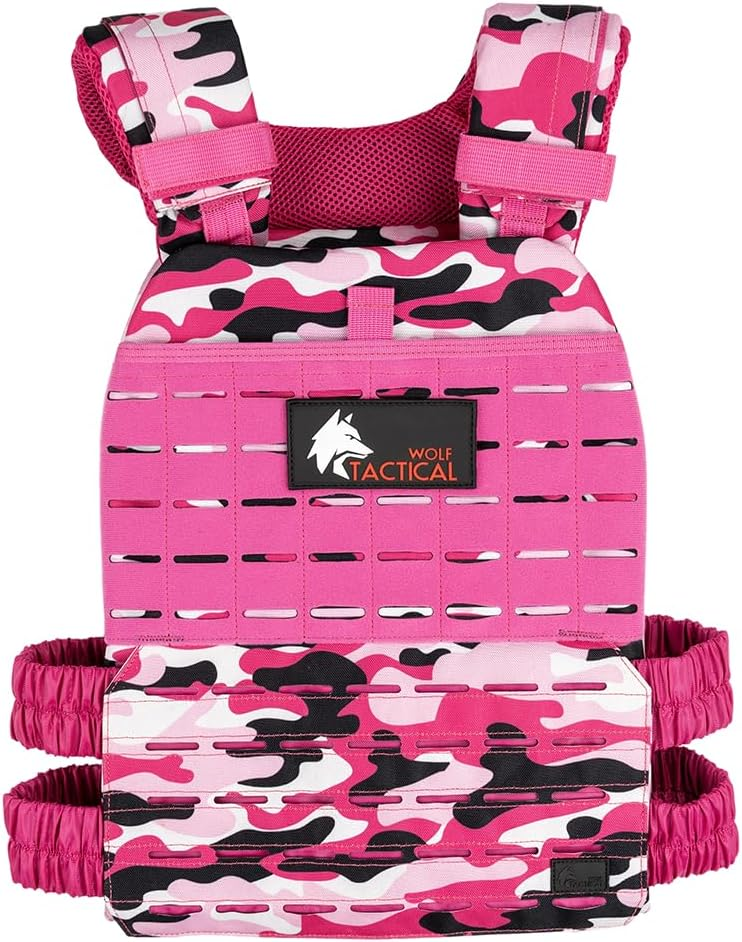
For most runners who want a snug, low-bounce fit I recommend a vest designed for active movement rather than a heavy plate carrier. One solid option is the WOLF TACTICAL Simple Weighted Vest (Men/Women)—a practical choice for run-walks and shorter tempo efforts.

Use a calculator to plan effort and calorie goals
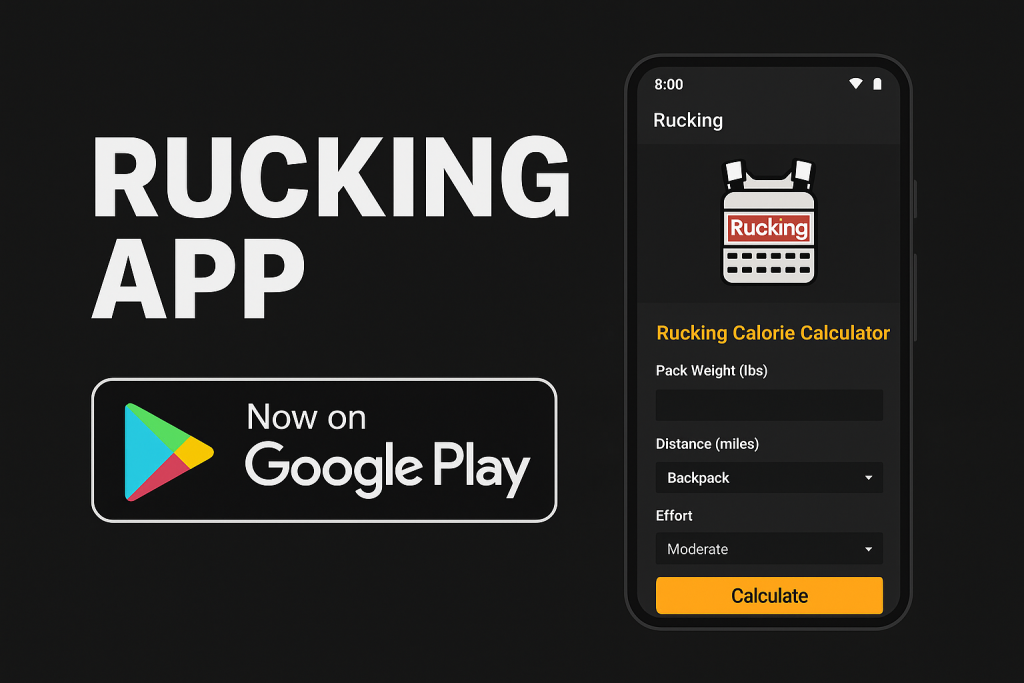
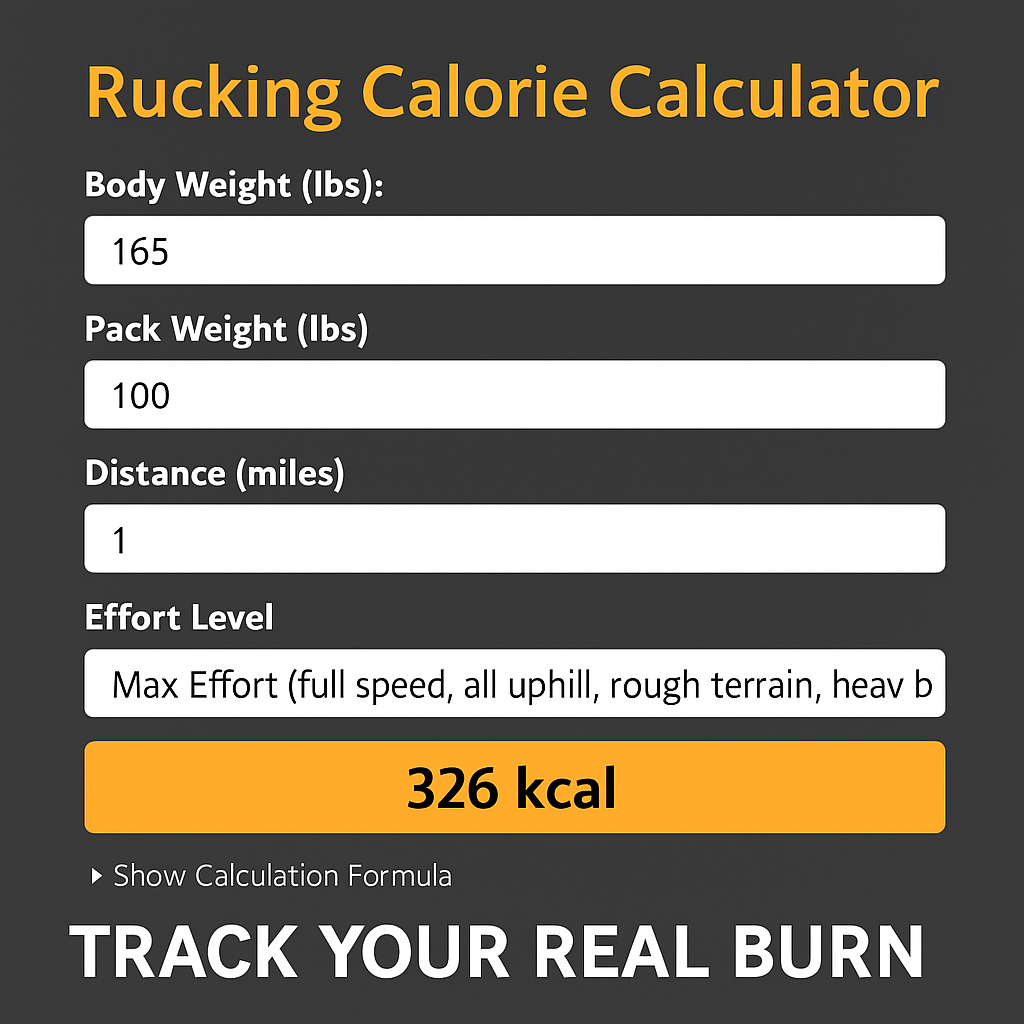
Before you increase load, estimate calorie cost and pacing so adjustments are evidence-based. Use the rucking calorie calculator to estimate burn for weighted runs and ruck-walks. Click the screenshot below to open the calculator and test different weights, distances, and paces.

Practical session examples
- Short tempo: 20 minutes steady with 3–5% bodyweight, controlled breathing.
- Interval run-walk: 1 minute run/1 minute walk x 12 with a very light vest for beginners.
- Long ruck-run hybrid: 45 minutes alternating 10 minutes loaded run and 5 minutes brisk walk.
From my coaching experience (I’m Preston Shamblen, ISSA-certified and I lost 90 lbs through rucking, weighted-vest training, and disciplined nutrition), the best long-term gains come from consistency and conservative progressions. Use the calculator, choose a vest that fits low and snug, and treat loaded running as a tool—not a shortcut.
Final notes
Track how you feel for 24–48 hours after each loaded session. If soreness is unusually high, reduce load or volume. When in doubt, prioritize frequency of lower-intensity loaded walks over infrequent hard loaded runs. This gives you the metabolic benefits without overuse injuries.