Why weighted vests can help adults with anxiety
Deep pressure stimulation is a straightforward, low-tech tool that helps many adults feel calmer. When used correctly, a properly fitted weighted vest provides steady, even pressure across the torso — similar to a firm hug — which can reduce sympathetic nervous system activity and improve heartbeat variability. For people who carry nervous energy, this makes walking, rucking, or even standing in place feel more grounded.
Who should consider a weighted vest?
Adults with mild-to-moderate anxiety, sensory processing differences, or those who benefit from extra proprioceptive input can try a vest. It’s not a replacement for therapy or medication, but it’s a practical adjunct that I’ve seen improve focus, reduce fidgeting, and make low-intensity exercise feel more manageable.
Fit, weight, and comfort: the three pillars
Successful use comes down to three elements: fit, appropriate weight, and comfort. Follow these rules when selecting a vest.
- Fit: The vest should sit snugly across the clavicles and sternum without riding up. It must not press painfully on ribs or bind breathing.
- Weight: Start very light — 2–10% of body weight is a reasonable starting band for anxiety-focused use. For many adults that’s 5–15 lb. Increase slowly, no more than 5 lb every 1–2 weeks, and stop if you feel short of breath, dizzy, or more anxious.
- Comfort: Look for padded shoulders and adjustable straps so pressure is even. If you’ll use the vest while walking, prioritize breathability and low-chafing seams.
Practical tips for daily use
- Use the vest for short sessions at first: 10–20 minutes while doing a grounding routine or a five-to-ten minute walk. Gauge how your nervous system responds.
- Wear it during low-intensity activity — walking, chores, or standing work. Avoid using heavy load while performing high-intensity exercise unless you’re experienced with weighted training.
- Keep hydration and posture in mind. Even mild loads change breathing patterns; slow, rhythmic breaths help amplify the calming effect.
Product picks that work for anxiety-focused use
When comfort and adjustability matter most, I favor simple, well-padded designs built for everyday wear. Two reliable choices:
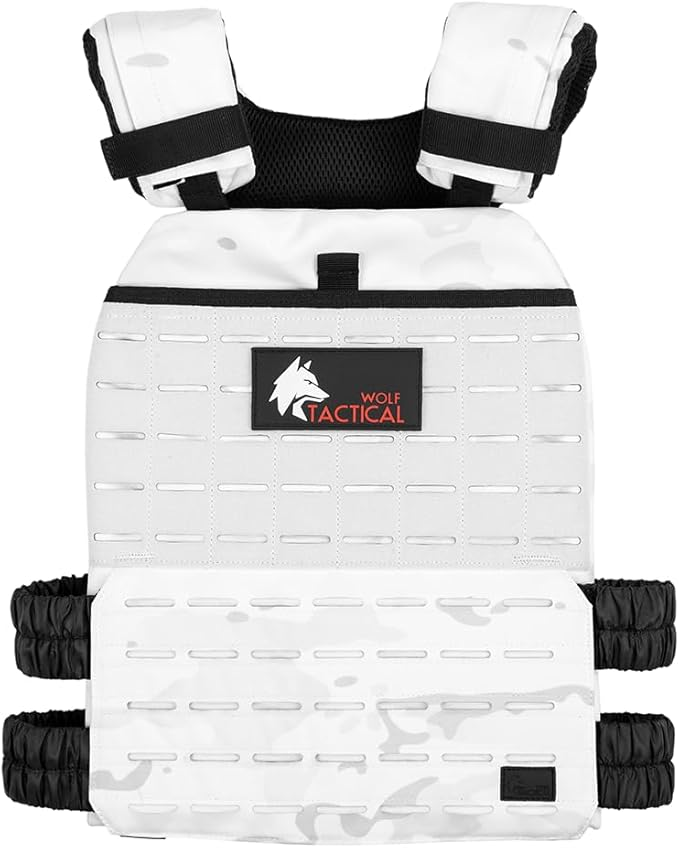
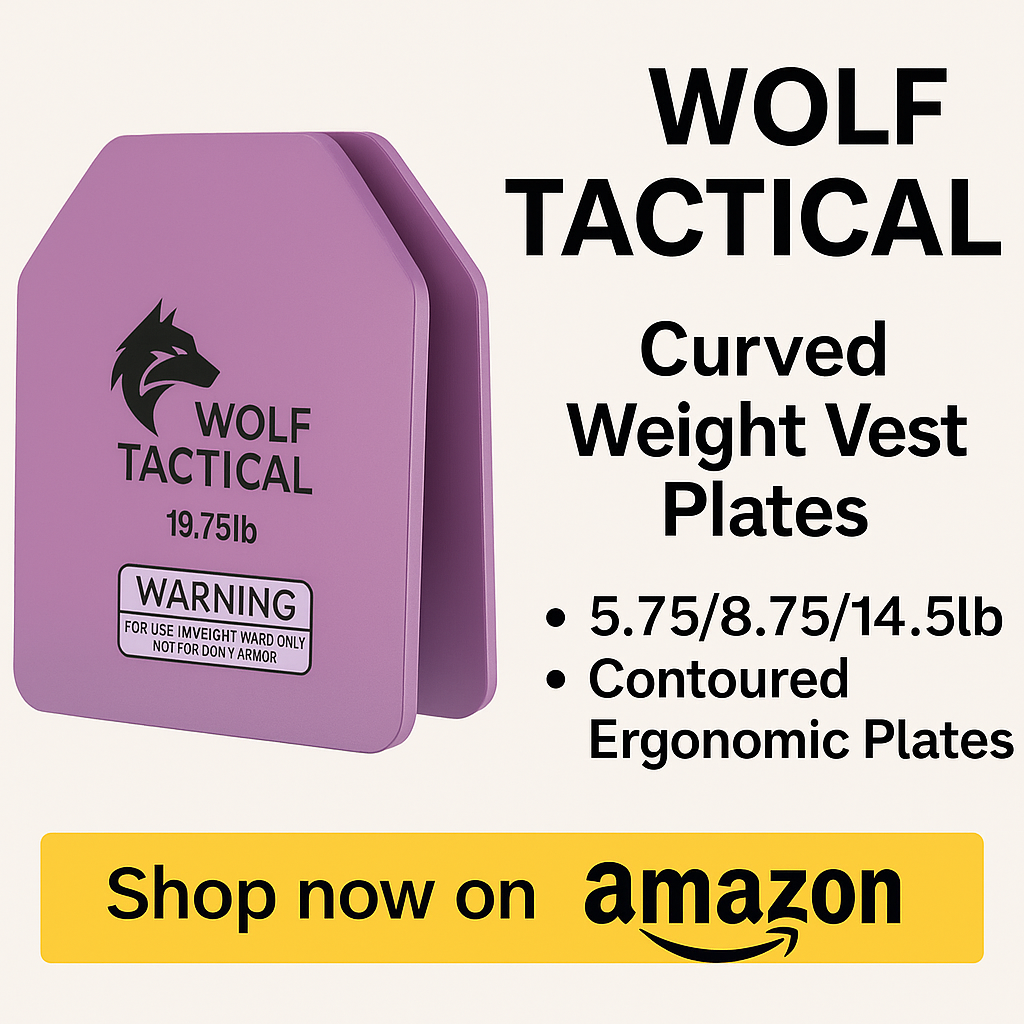
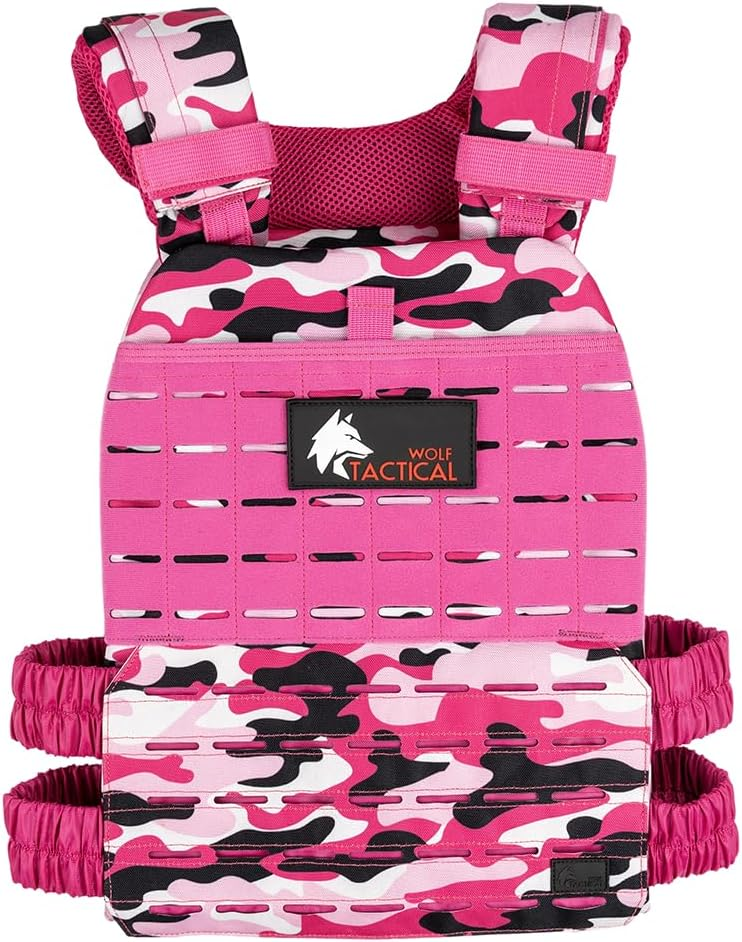
WOLF TACTICAL Simple Weighted Vest (Men/Women) is a lightweight, adjustable option that distributes pressure evenly for short therapeutic sessions.

I also recommend the 5.11 Tactical Unisex TacTec Trainer Weight Vest when you want a slightly more refined fit and modular weight options that still feel stable during movement.

Monitoring effects and safety
Track how you feel immediately after sessions and the next day. Positive signs include decreased restlessness, steadier breathing, and improved focus. Negative signs — increased heart rate, dizziness, or panic — mean stop and consult a healthcare provider. If you have cardiovascular, pulmonary, or orthopedic conditions, clear use with your clinician first.
Estimate activity impact
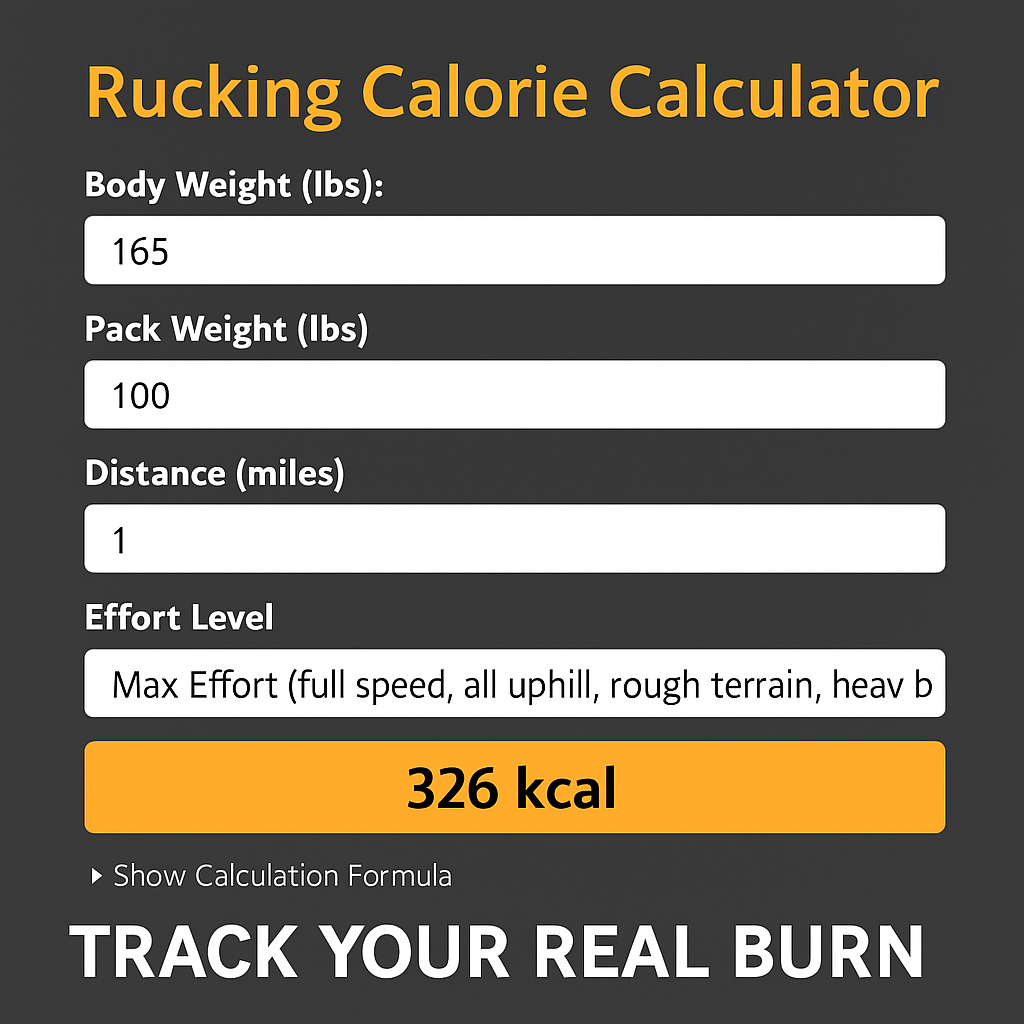
If you plan to use the vest while walking or rucking and want to estimate energy use, try this calorie calculator to model how added load changes effort:

Final note
Weighted vests can be an effective, low-risk adjunct for adults with anxiety when chosen and used thoughtfully. Start light, prioritize fit and breathing, and treat the vest as one tool in a broader self-regulation toolkit.