Why a weighted work out vest works for outdoor training
Weighted vests are one of the simplest, most reliable tools for increasing the intensity of walks, rucks, and bodyweight work. A properly fitted weighted work out vest adds load through your center of mass so you burn more calories, build joint-friendly strength, and maintain posture under fatigue. I write this from practical experience: I lost 90 lbs through consistent rucking, weighted-vest training, and disciplined nutrition, and I still recommend vests as one of the best long-term tools to maintain a lower body weight.
How to choose the right vest
Fit and adjustability matter more than color or brand. Look for a vest that sits snug across the sternum and upper back, doesn’t ride up when you move, and allows full arm range of motion. For comfort-first or beginner-friendly training, I recommend starting with a soft, adjustable option and adding incremental load as you adapt.

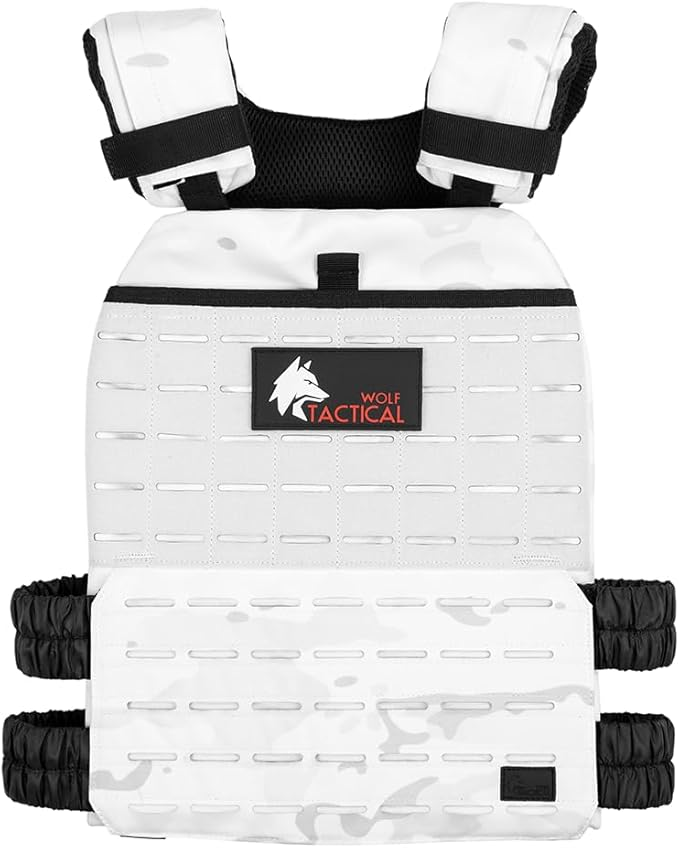
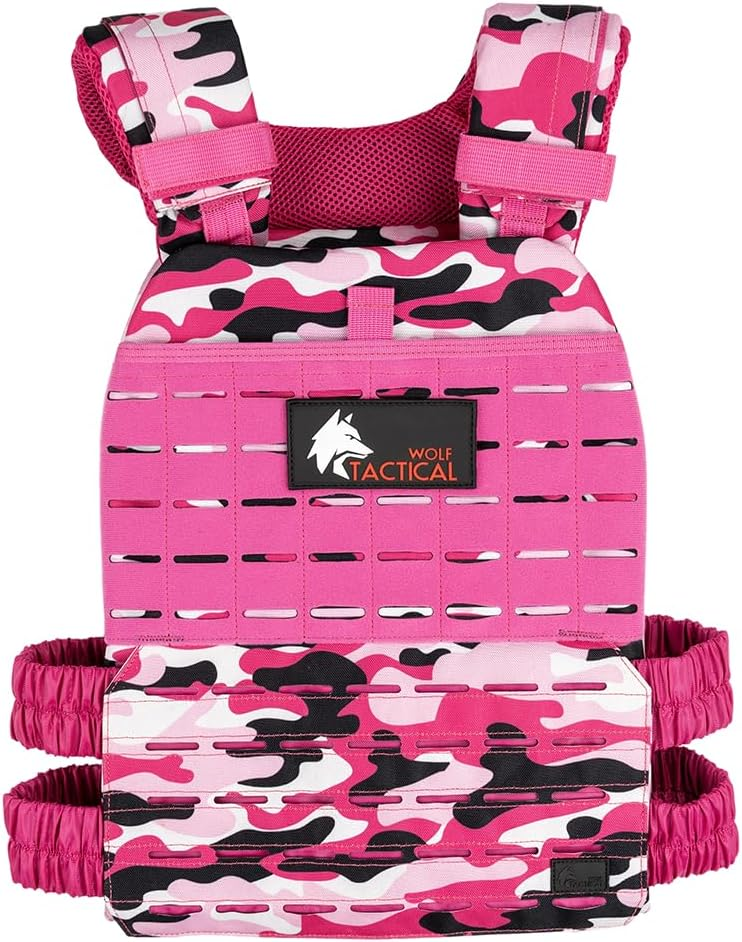
See the Wolf Tactical Weighted Vest for a balance of comfort and modular loading when you’re starting out.
Programming: basic progressions for a weighted work out vest
Start with low volume and light weight. Your first week might be two sessions of 20–30 minute weighted walks at 5–10% of bodyweight, or 10–15 lbs for most beginners. Increase time or weight by small increments—no more than 10% per week. Below are simple progressions that work outdoors and translate to better daily conditioning.
- Week 1–2: 20–30 minute walks with light vest (10–15 lbs).
- Week 3–4: Add one 30–45 minute session; keep intensity conversational.
- Week 5+: Introduce interval hill walks, longer rucks, or bodyweight circuits while wearing the vest.
Pacing and recovery
Listen to your breathing and joint feedback. If your gait shortens or you feel pain in the neck/low back, drop weight first before stopping training entirely. Recovery sessions should be unweighted walks or mobility work; sleep and nutrition drive adaptation more than adding another heavy session.
Using a vest for calorie burn and weight loss
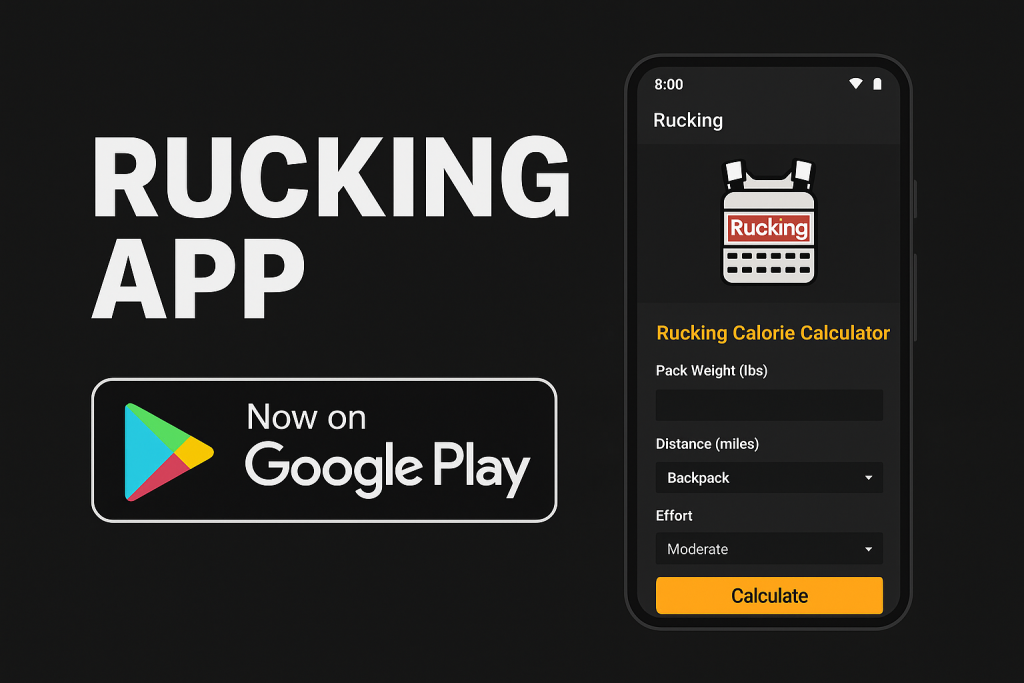
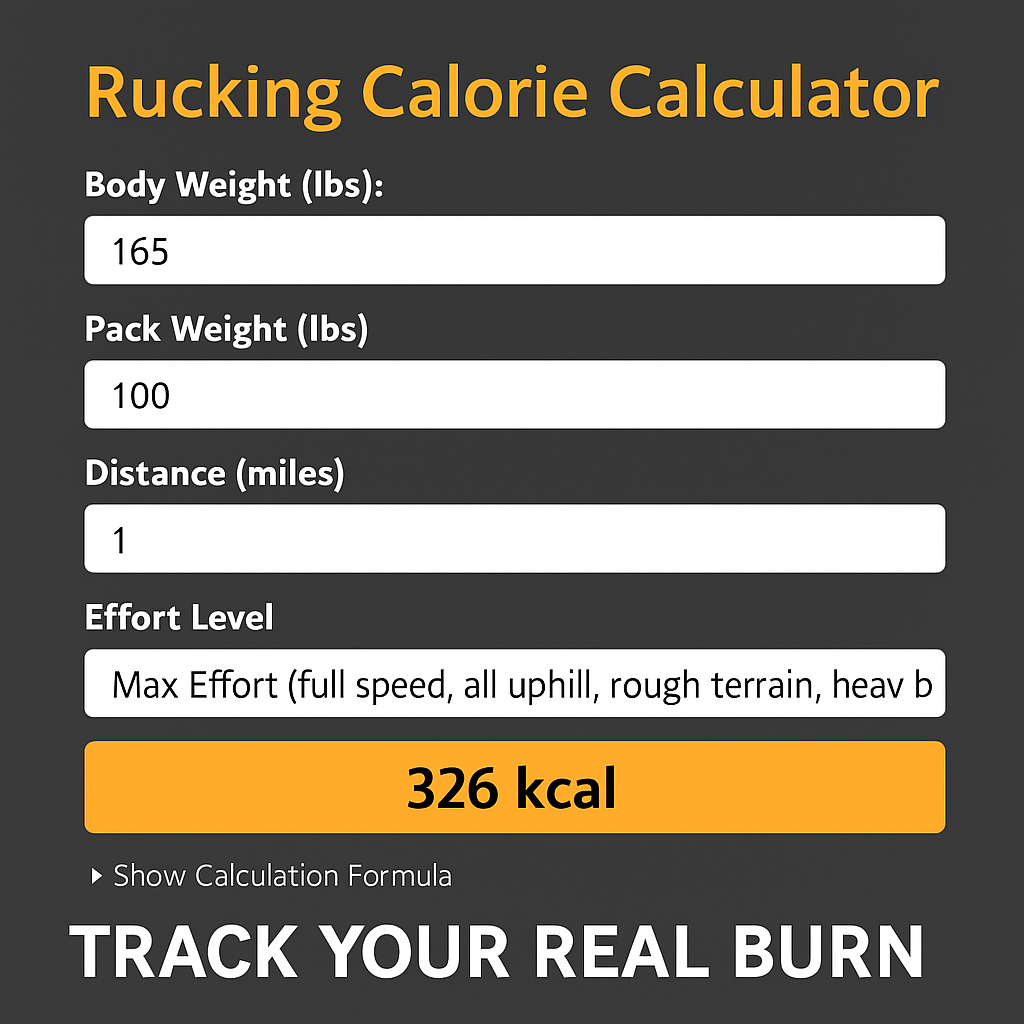
One of the easiest ways to quantify effort is a calorie calculator tailored to rucking and weighted vest work. Use the rucking calorie calculator to estimate how many calories you’re burning with specific weight, distance, and pace.

Try the rucking calorie calculator to set realistic weekly calorie targets and plan progressive overload based on measurable effort.
When to choose a backpack or plate carrier instead
If you want heavier loads for strength-focused sessions or long-distance military-style rucks, consider a dedicated rucksack like a GORUCK. For hydration-heavy routes, a CamelBak chassis can combine water and weight for balanced load-carrying over miles.

Quick safety checklist
- Start light and progress slowly.
- Prioritize posture: chin tucked, shoulders packed.
- Hydrate and fuel pre/post session—consider endurance support on longer outings.
- Address hotspots early: adjust straps or change padding before blisters escalate.
Weighted vests are a practical, low-tech way to get more work into outdoor training without complex equipment. Use conservative progressions, measure effort with the calorie calculator, and choose a vest that fits your goals—comfort for daily walks, or a plate carrier for heavier strength sessions. Train smart, and you’ll see steady results.