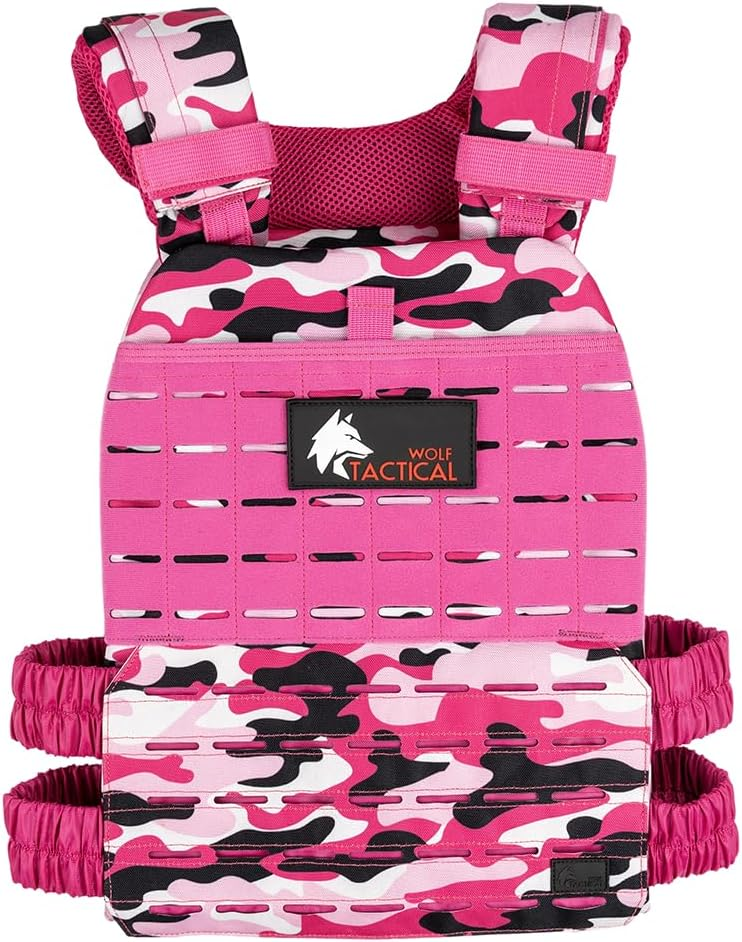
Understanding Weights for Plate Carrier Workouts
Training with a plate carrier is one of the best ways to ramp up your workouts, elevate your heart rate, and build functional strength. It’s the preferred method for many military and tactical athletes. But as a civilian or rucking enthusiast, choosing the right weights for your plate carrier can make or break your progress, safety, and comfort.
Types of Weights for Plate Carriers
- Steel Plates: Durable and affordable, steel is the go-to material for most training plates. Smooth edges and powder coatings prevent chafing.
- Cast Iron Plates: Heavier options for those seeking increased resistance. Be sure of secure fit and coating to avoid rust.
- Polyethylene Plates (HDPE): Lighter, bulkier, and mainly intended to give the feel of weight without overburdening the carrier or user.
- Sand-Filled Plates: Some budget carriers or homemade options use sandbags. These are less durable but excellent for adjustable loading.
How Much Weight Should You Use?
Start light—most recommend 8 to 20 lbs for beginners. Experienced athletes often use 20–30 lbs for endurance, and up to 45 lbs for strength and short bursts. Remember, progressive overload wins over ego loading. Always assess your fitness level and joint health before increasing weight.
Brands and Plate Recommendations

The Yes4All Ruck Weight Plate is a solid choice for most standard carriers. It comes in several weights, ensuring you can dial in your load as you progress.

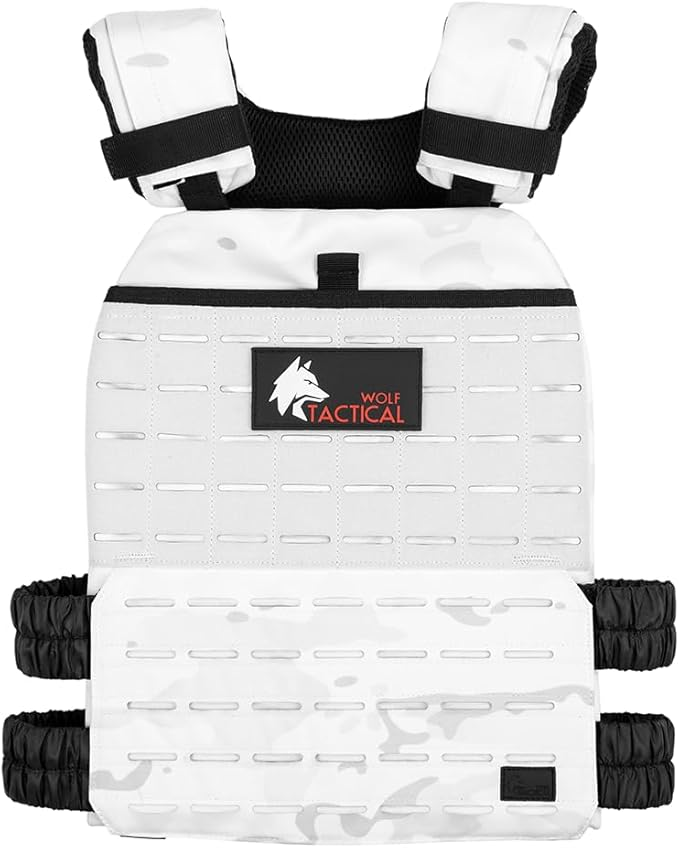
For a snug, custom fit in your vest, Wolf Tactical Weight Vest Plates are designed to minimize shifting, maximizing comfort during running or ruck workouts.
Estimated Calorie Burn with Plate Carrier Rucking
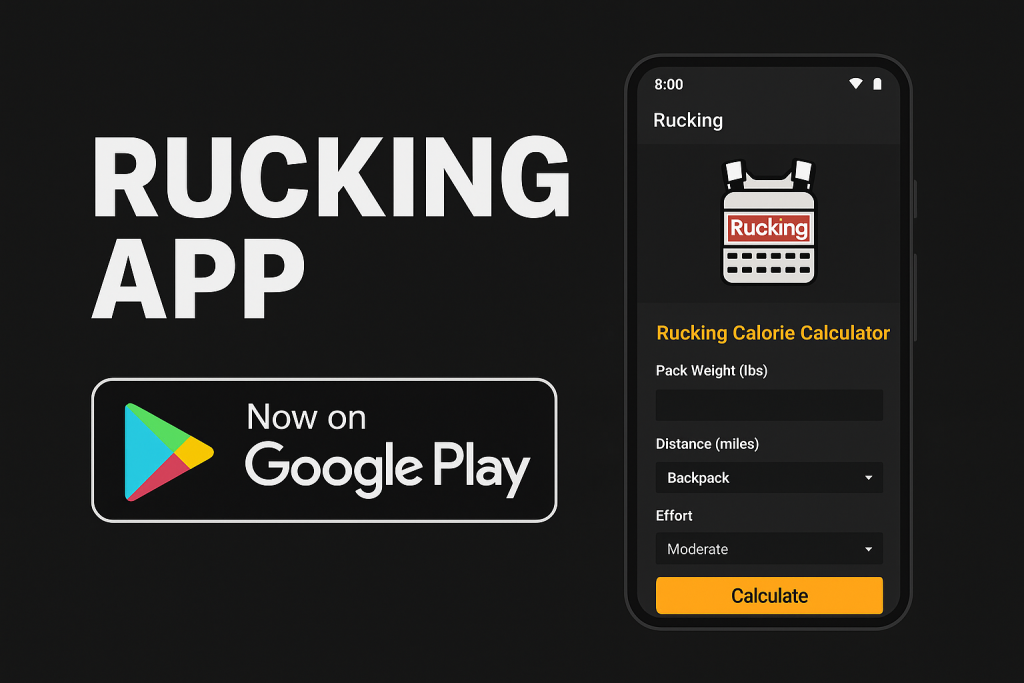
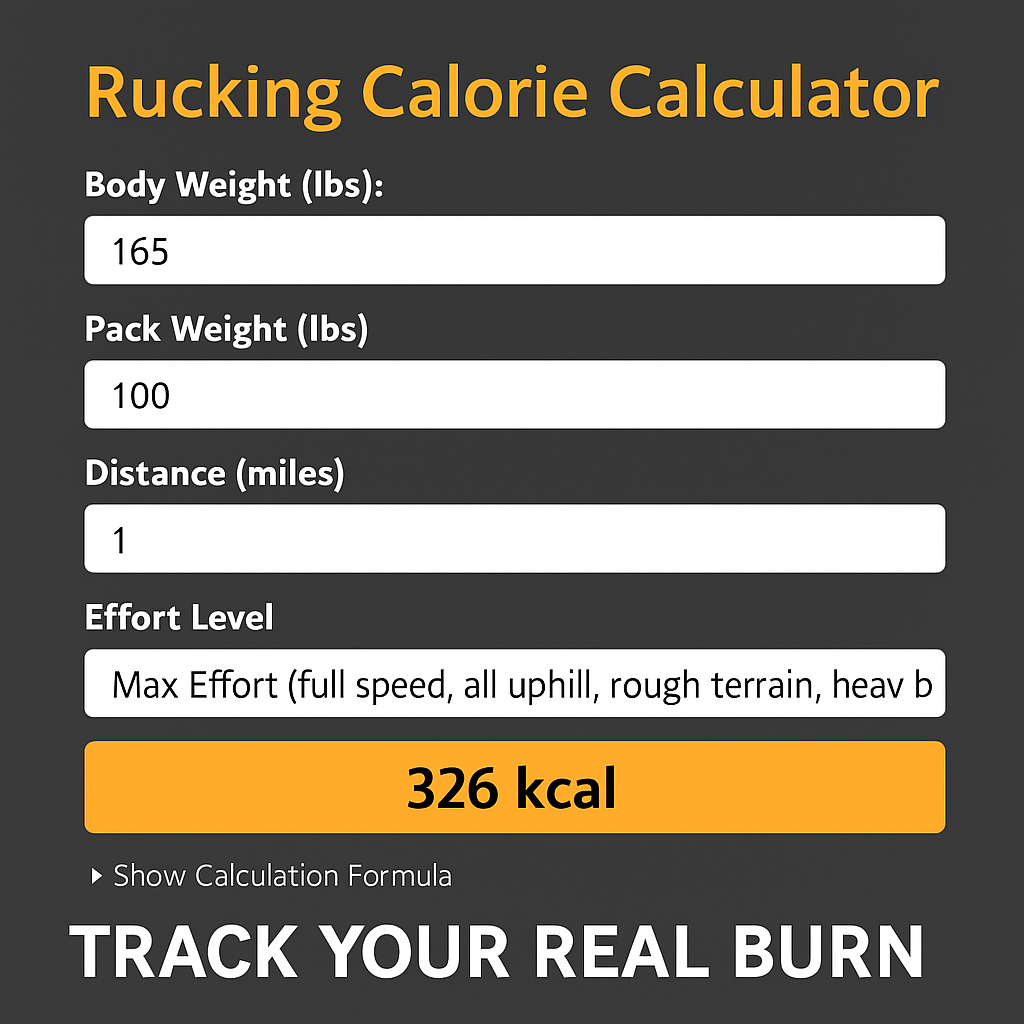
Wondering how much fat you can melt off with loaded carrier walks or rucks? You can calculate your calorie burn based on carrier weight, distance, and pace using the Rucking Calorie Calculator below.

Try the Rucking Calorie Calculator here to estimate your training sessions for any weighted plate carrier or vest.
Quick Tips for Plate Carrier Success
- Always check compatibility of your chosen weights and carrier for a safe fit.
- Use moisture-wicking base layers to avoid chafing from longer sessions.
- Progress weight no more than 5 lbs at a time to protect joints and keep technique solid.
- Consider using a fitness tracker like the Apple Watch Ultra 2 for advanced stats on training efficiency.
If you want to see how many calories you can burn with your weighted vest or plate carrier training, check out our detailed Weighted Vest Calorie Calculator post for additional strategies.