Why Wolf Tactical weight vest plates matter
Adding plates to a weighted vest changes the stimulus of every walk, hike, or ruck. Plates concentrate mass, shift your center of gravity, and increase muscular demand on your back, hips, and core. In practical outdoor training, that means more consistent calorie burn and better carry conditioning if you load plates correctly.
Key compatibility and sizing points
Not all plates fit every vest. The WOLF TACTICAL Weight Vest Plates (pairs) are designed for common Wolf Tactical vests and plate carriers; they’re a straightforward choice if you already own a Wolf vest. Pay attention to plate dimensions, thickness, and how they stack inside the vest’s pocket to avoid pressure points or mobility loss.

How to choose plate weight for rucking and workouts
Start with small increments. If you’re new to plates, begin with a single light pair and evaluate comfort and posture over a 20–30 minute walk. For conditioning, a common progression is 10–20% of body weight, but that’s an advanced guideline—your carry experience, injury history, and goal (endurance vs. strength) matter more.
- Beginners: 5–20 lb total in small plates to learn balance and avoid lower-back strain.
- Intermediate: 20–50 lb total for brisk rucks and loaded walks; use incremental pairs to find the sweet spot.
- Advanced: 50+ lb for strength-endurance sessions, but prioritize form and shorter duration.
Placement and comfort tips
Plates should sit close to your spine and low on the chest/back if your vest allows positioning. Padding makes a big difference; redistribute weight if you feel high-pressure hotspots. If your vest pockets are tight, choose thinner plates or stagger pairs to preserve mobility.
Training and safety checklist
- Inspect vest seams and pocket stitching before each use; plates shift and stress fabric over time.
- Progress load in 5–10 lb steps every 1–2 weeks depending on recovery and perceived exertion.
- Prioritize posture: maintain neutral spine, short steps uphill, and active bracing on descents to protect knees and hips.
- Hydrate and refuel; heavier loads raise heart rate and sweat rate significantly—plan accordingly.
Practical examples and session ideas
Combine short, loaded marches with bodyweight sets: 20–30 minute ruck at conversational pace with 20–40 lb plates, then 3 rounds of 10 push-ups, 10 air squats, and 30 seconds plank. Use plate pairs to keep the vest balanced and reduce shoulder strain.
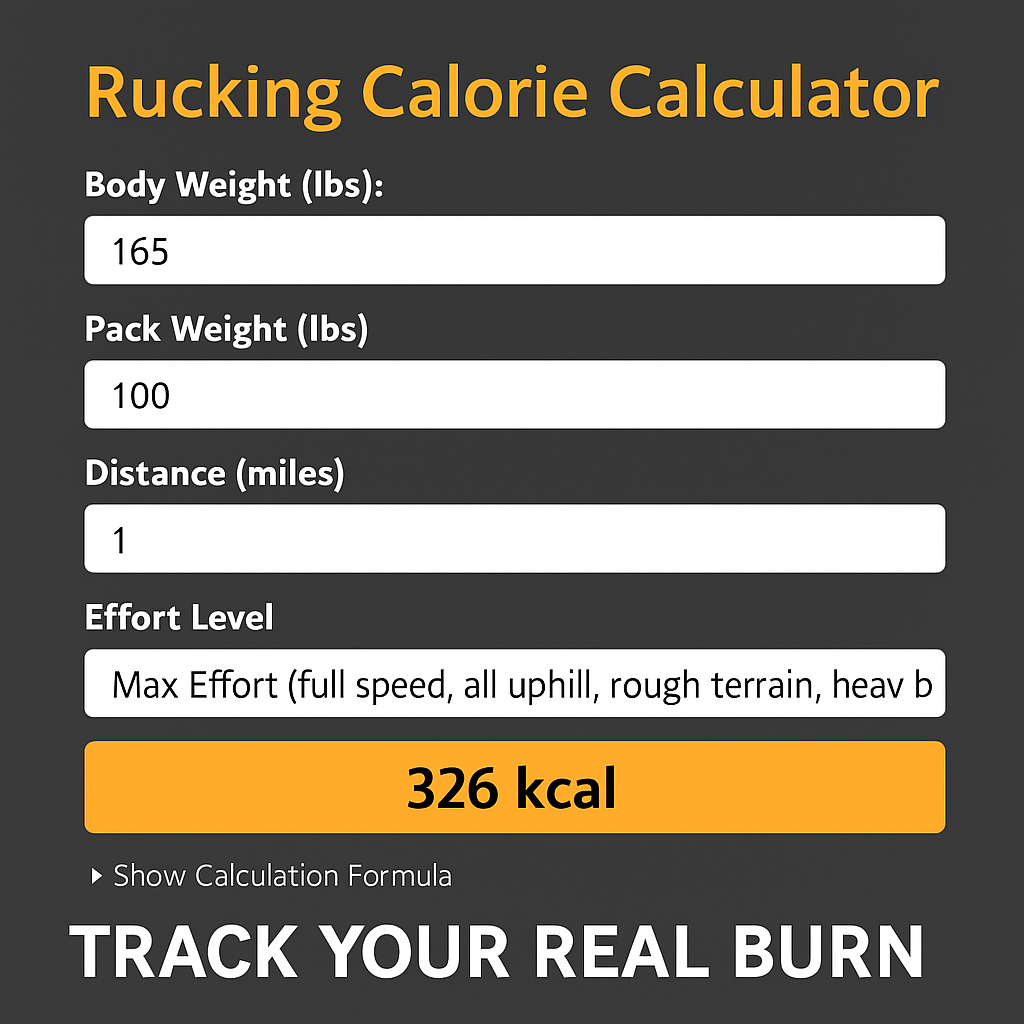
Want a quick estimate of calorie burn?
Use the rucking calorie calculator below to estimate how different plate loads and paces change your burn. This image links directly to the calculator so you can input your weight, vest load, and pace.

When you choose plates, favor a predictable brand and consistent dimensions. That helps when you swap plates between vests or want to add incremental weight without changing how the load rides. Keep sessions short and progressive, and if you’re unsure about technique, record a short video of your walk to check posture or consult a coach.
Bottom line
Wolf Tactical weight vest plates are an efficient way to scale your ruck or weighted-vest training. Choose plates that fit your vest, progress slowly, and prioritize comfort and posture. When used correctly they’re one of the simplest tools to increase training intensity outdoors without overcomplicating logistics.