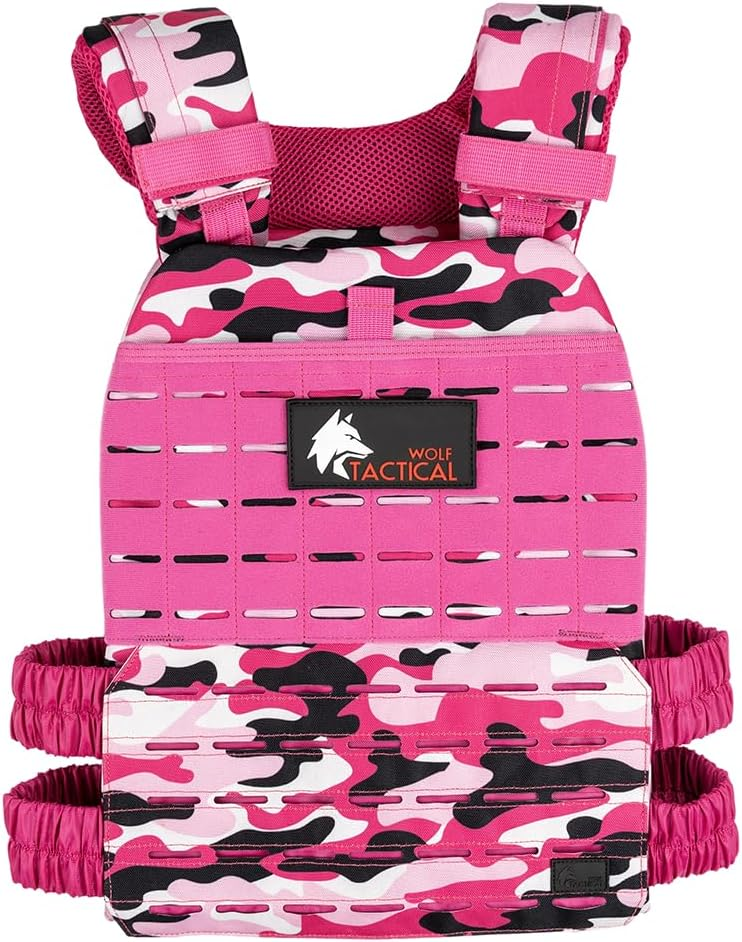
Why a women’s weight vest can help osteoporosis
For women with low bone density, targeted, weight-bearing activity is one of the most reliable ways to stimulate bone remodeling. A properly fit weight vest lets you add axial load through everyday walking or short rucks without dramatically changing gait mechanics. That steady mechanical stimulus—when dosed correctly—supports bone strength while remaining low-impact compared with high-force jumps or heavy barbell lifts.
Start with safety: medical clearance and movement quality
Before you add external load, get clearance from your healthcare provider. Osteoporosis protocols vary by severity and fracture history. Once cleared, prioritize posture, balance, and controlled pace. Poor form or sudden increases in weight raise fall and fracture risk.
Practical progression for bone health
This progression is conservative and built for adherence. Aim for 2–4 sessions a week, focusing on steady walking, short hills, and posture drills rather than speed. Keep each session 20–45 minutes depending on your conditioning.
- Week 1–2: Bodyweight walking only, 15–20 minutes, practice tall posture.
- Week 3–4: Add 2–4 lb in a vest or light ruck plates, 20–30 minutes, emphasize heel-to-toe steps.
- Month 2–3: Gradually increase to 5–10% of bodyweight only if balance and comfort are excellent. Keep volume steady.
- Ongoing: Prioritize consistency—regular moderate loading is more effective and safer than occasional heavy sessions.
Vest selection for women with osteoporosis
Choose a vest that fits snugly, centers weight low on the torso, and allows easy adjustment. For many women starting with bone health goals, soft but structured vests with small, evenly distributed loading are ideal. They reduce pressure points and keep load close to your center of mass, helping stability on uneven surfaces.
Recommended starter option:
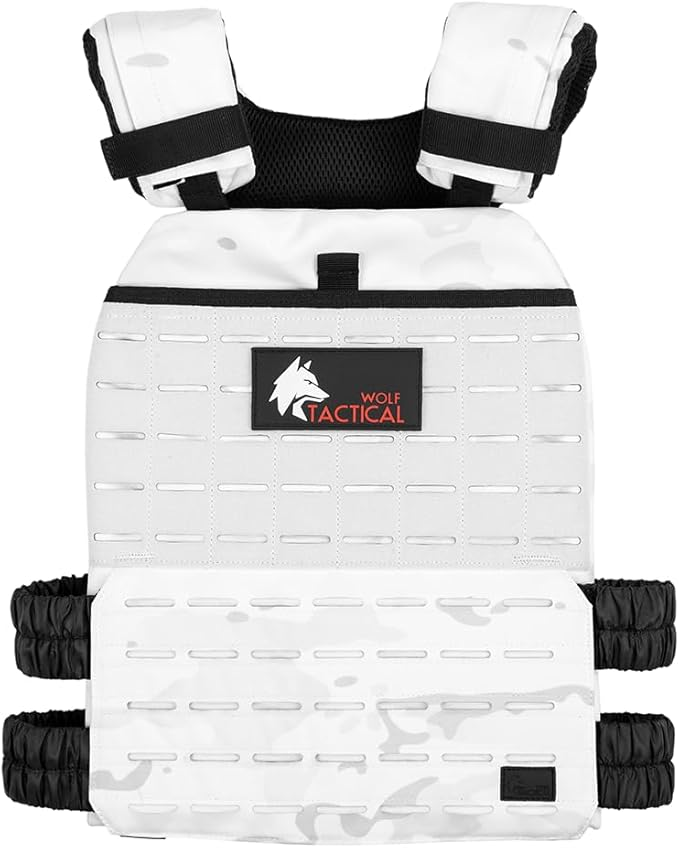
Wolf Tactical Simple Weighted Vest (Men/Women) is a beginner-friendly choice—adjustable, low-profile, and comfortable for walking-based bone loading.

Session structure and cues
Keep sessions simple and measurable. Warm up with 5–10 minutes of easy walking and mobility for hips and shoulders. During the main set, use these cues:
- Upright torso, neutral pelvis.
- Short, confident steps—avoid overstriding.
- Controlled breathing and brisk cadence comfortable for conversation.
Finish with 5–10 minutes of balance work and calf/hip strengthening. These small extras reduce fall risk and complement bone-loading work.
Track load and energy with a simple calculator
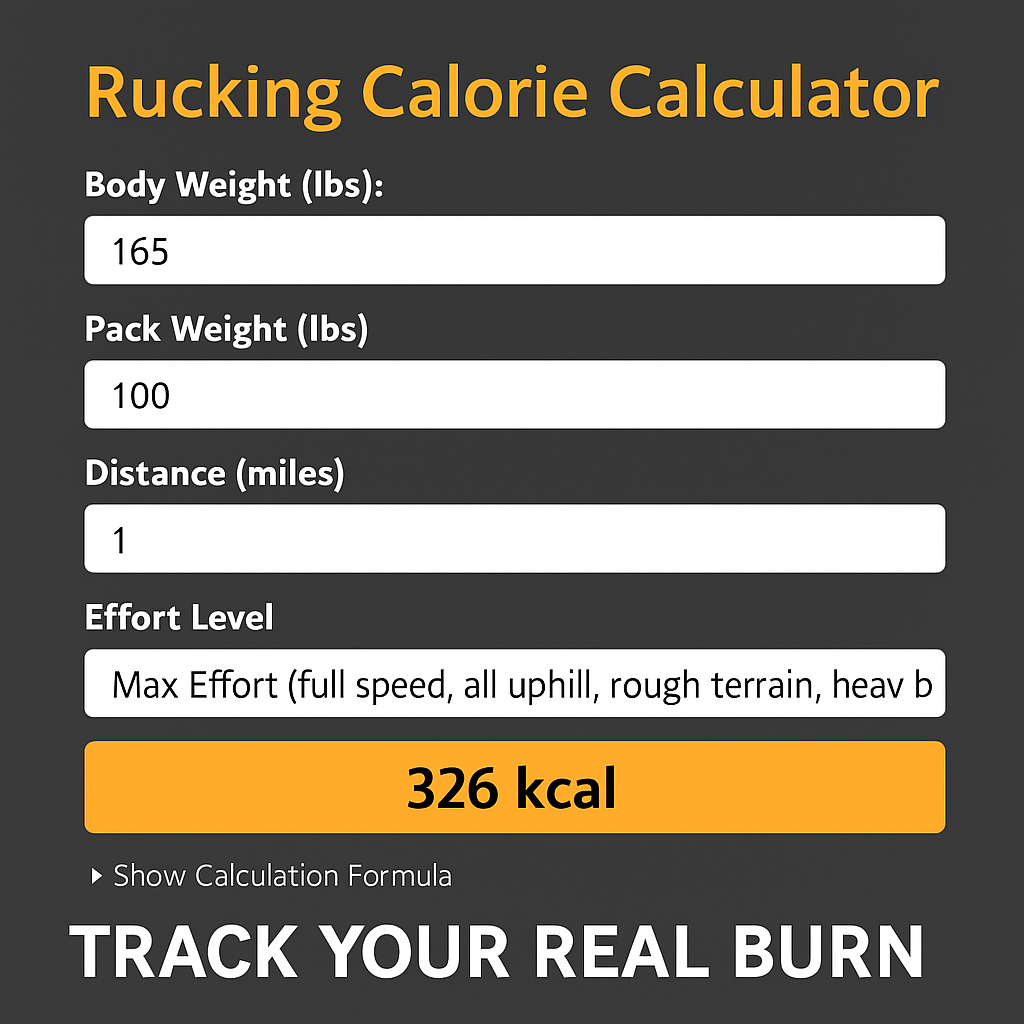
Use a rucking calorie calculator to estimate session intensity and make sure you’re not overreaching as you add weight. Click the screenshot below to open the calculator and check how your added vest weight changes energy cost.

Key takeaways
When used carefully, a women’s weight vest for osteoporosis can be an effective, low-impact way to apply bone-building load during walking. Start light, prioritize balance and posture, progress slowly, and use a trusted vest that fits well. If you have a history of fractures or balance problems, work with a clinician or qualified trainer to individualize the plan.