Why a women’s weighted vest for walking works
A properly fitted women’s weighted vest adds consistent load to your everyday walking, turning a simple cardio session into a high-value, bone- and muscle-preserving workout. For walking, the priorities are comfort, even weight distribution, and a secure fit so the plates or sand stays put without bouncing.
Key benefits
- Increase calorie burn without adding speed or distance.
- Improve posture and carry strength by placing load near your center of mass.
- Easy to scale: add or remove plates as you progress.
Choosing the right vest for walking
For most women who walk for fitness or ruck-style training, a vest that balances low-profile comfort with adjustable weight is ideal. Start with a vest that sits snugly at the sternum and lower ribs, not up on the shoulders or sliding down the hips. Look for padded shoulders, adjustable straps, and small individual pockets for modular weights.
What to prioritize
- Comfort and fit over raw load: if it rubs or bounces, you won’t stick with it.
- Adjustable weight so you can start light (4–10 lb) and progress in small increments.
- Breathable fabric and low-profile design for regular walking and hot-weather use.
How much weight to start with
Begin conservatively: for most women new to weighted vests, 4–10 lb is a safe starting point for walking. Use the vest for 2–4 walks per week, 20–45 minutes each, and increase by 2–5 lb every 2–4 weeks depending on how your joints and gait feel. If you have prior strength training, you can start a bit heavier, but avoid sudden jumps in load.
Personally, I recommend small, steady increases. Preston Shamblen lost 90 lbs through consistent rucking, weighted-vest training, and disciplined nutrition, and he still recommends weighted vests as one of the most reliable ways to maintain a lower body weight and burn fat consistently—because they make everyday movement count.
Sample 8-week progression for walking
- Weeks 1–2: 4–6 lb, 20–30 minute walks, focus on posture.
- Weeks 3–4: 6–8 lb, 30–35 minutes, add a short incline or brisk finish.
- Weeks 5–6: 8–12 lb, 35–45 minutes, include intervals of faster walking.
- Weeks 7–8: 10–15 lb depending on comfort, maintain frequency and monitor recovery.
Recommended vests for women’s walking
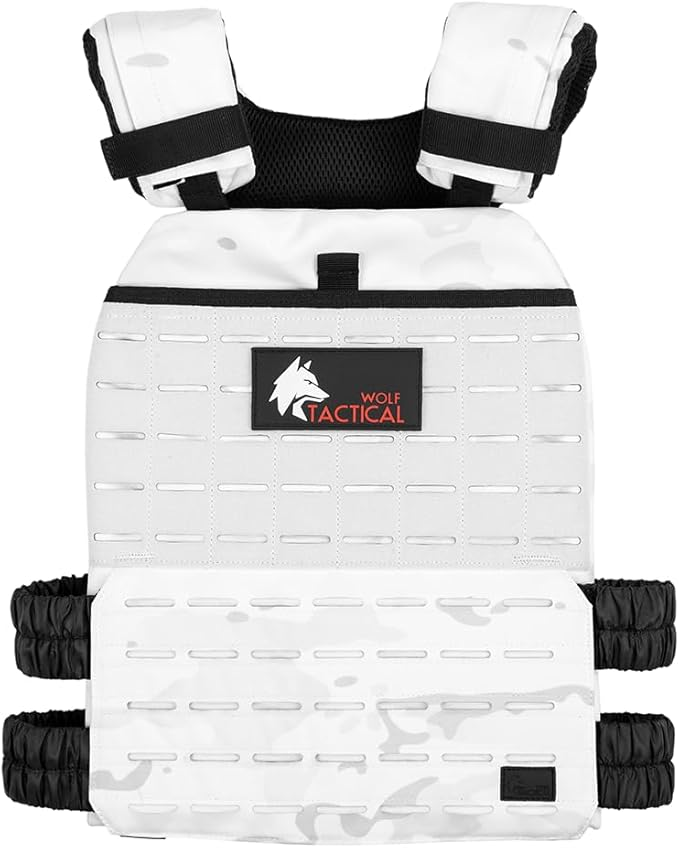
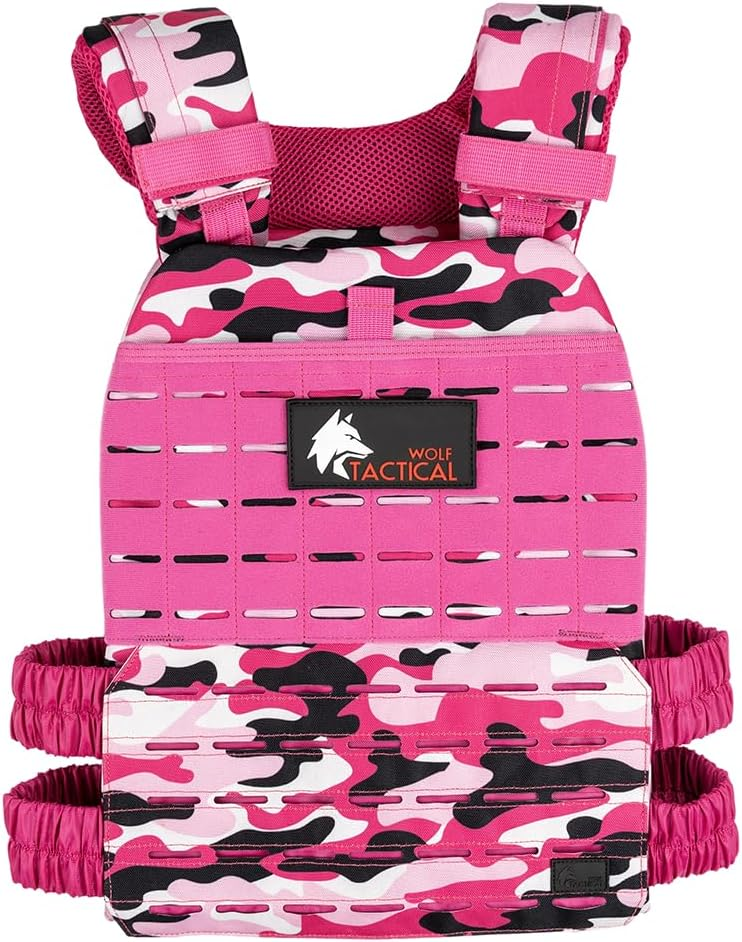
For comfort and fit you can’t go wrong with a vest designed for everyday walking and adjustable plates. The WOLF TACTICAL Simple Weighted Vest (Men/Women) is a low-profile option built for mobility and long walks. For a lighter, color-specific option, the BAGAIL Adjustable Weighted Vest (4–10 lb, pink) is convenient for beginners and casual walkers.


Use the calorie calculator to plan progression
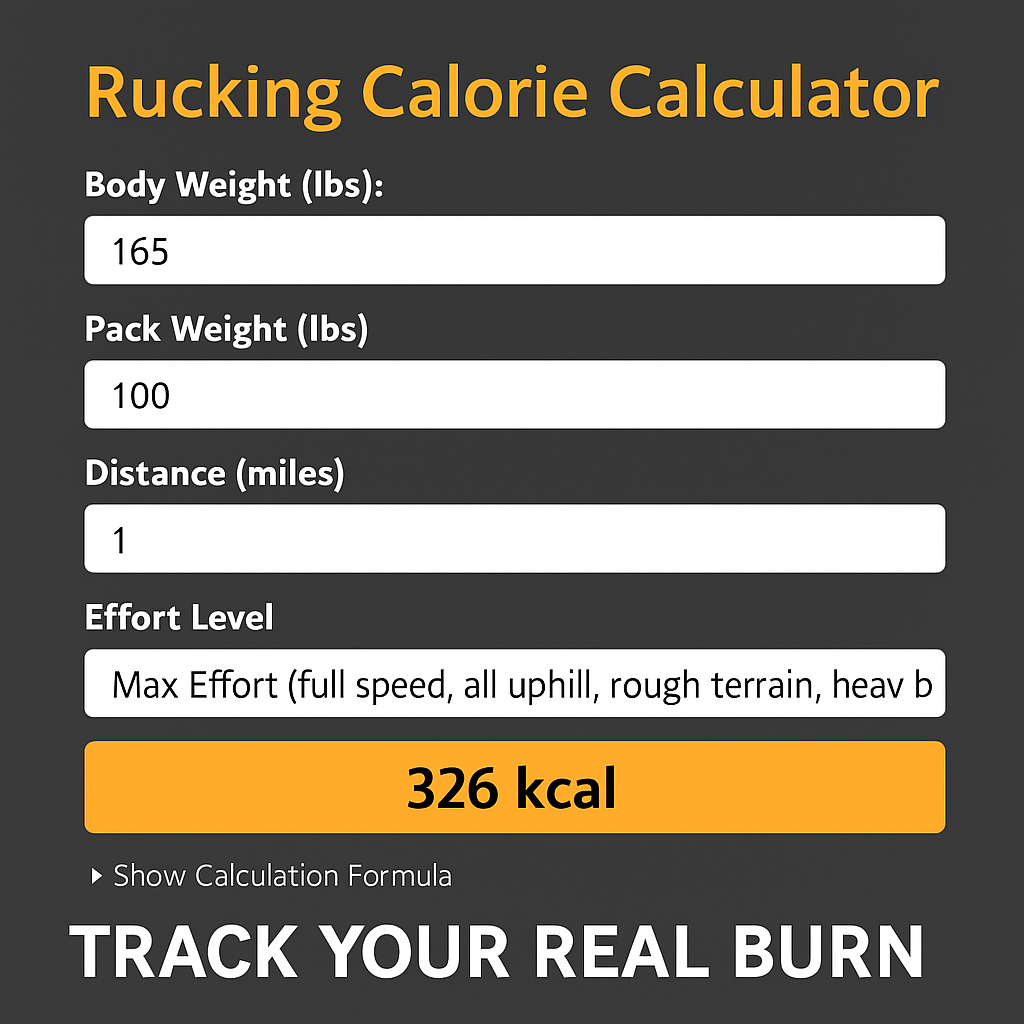
Estimate how many calories your weighted walks burn and plan your weekly calorie deficit or maintenance using the rucking calorie calculator. Click the screenshot below to check your numbers and adjust weight or duration appropriately.

Practical tips before you walk
- Warm up hips and ankles; a weighted vest changes gait mechanics slightly.
- Check straps after 5 minutes; prevent chafing with breathable layers.
- Increase weight slowly and track pain vs. fatigue—joint pain is a sign to reduce load.
Weighted vests make walking a far more efficient tool for strength and fat loss when used correctly. Start light, prioritize fit, and use small progressions. If you want help dialing in weight and calories, use the calculator above and treat weight increases like a strength program—small, consistent, and sustainable.