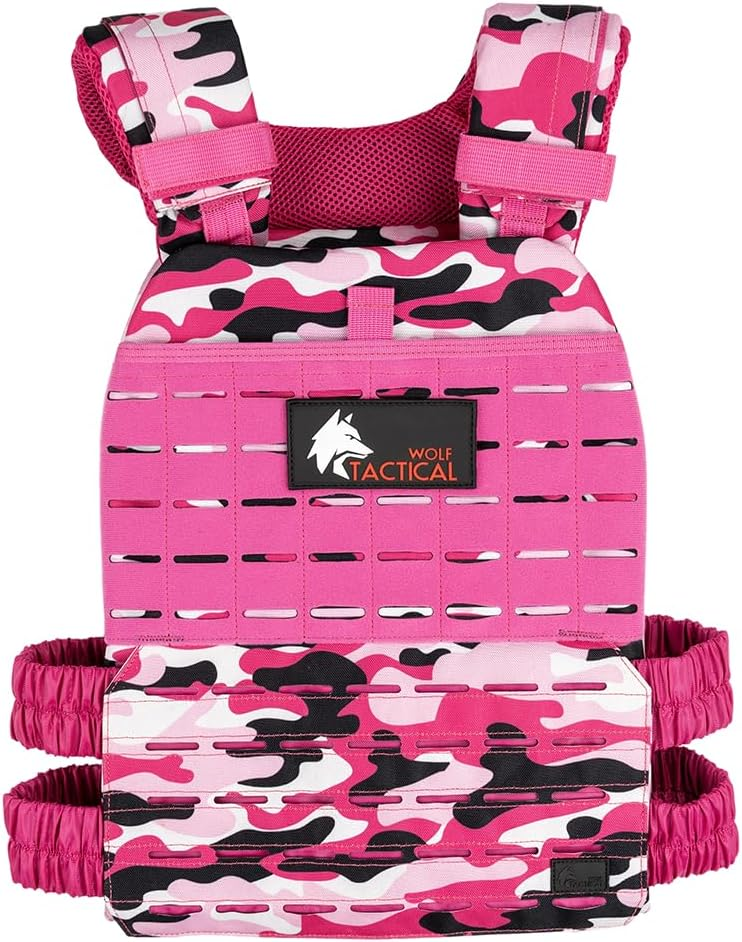
Why a work out vest for mens training makes sense
A properly fitted work out vest lets you add controlled load to walking, rucking, circuits, and bodyweight work without changing movement patterns. For men who want durable, simple resistance that scales with progress, a vest is one of the most practical tools you can own. This post covers fit, load progression, and how to choose a vest that fits your routine.
Key fit and comfort cues
When shopping a vest for workouts, prioritize these traits: a snug chest fit that won’t shift during runs or burpees, adjustable straps to move weight up or down, breathable panels, and durable stitching. A vest that sits too low will ride and cause lower-back discomfort; a vest that’s too tight will limit breathing under heavier loads.
- Try it with the load you plan to use—unloaded sizing can lie.
- Look for modular weight pockets so you can add or remove plates in small increments.
- Padding at the shoulders and collarbone reduces hot spots during long rucks or high-rep sets.
How much weight should a guy start with?
Start light. A rule of thumb for general conditioning: 5–10% of body weight for the first few weeks, focusing on movement quality. Increase by 2–5% every 1–3 weeks as your conditioning and joint tolerance improve. For strength-oriented sets (heavy carries, short hill sprints), you can push higher loads under careful progression.
Training templates that work
Keep it simple: one to two weighted sessions per week with an unpaid recovery focus between them. Here are three practical sessions you can rotate.
- Ruck walk: 45–90 minutes with light load—focus on cadence and posture.
- Circuit: 3 rounds of 10 push-ups, 15 kettlebell swings, 20 air squats—vest on for additional load.
- Short power work: 6–8 30-second hill sprints wearing a heavier vest, full rest between efforts.
Products I recommend for men focused on fit and function
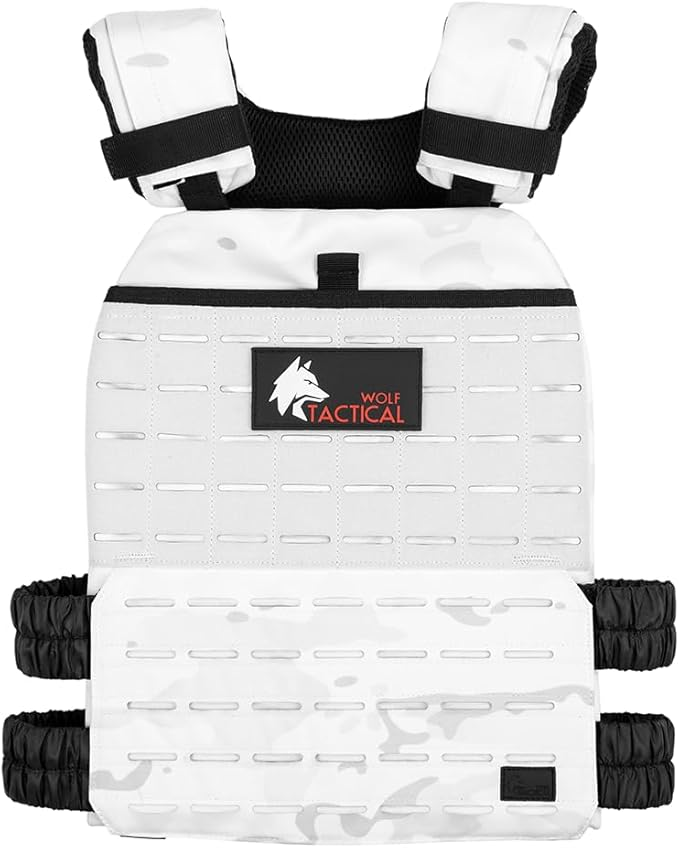
For most guys who want comfortable, training-ready vests, the Wolf Tactical models and the 5.11 TacTec Trainer are reliable choices. Both offer modular loading and sizing that works well for mixed workouts.

Find the Wolf Tactical Weighted Vest above; it’s a solid beginner-to-intermediate option for men focusing on walking and circuit training.

If you favor higher-intensity gym sessions and need a low-profile fit, consider the 5.11 TacTec Trainer Weight Vest.
Track calories and progress
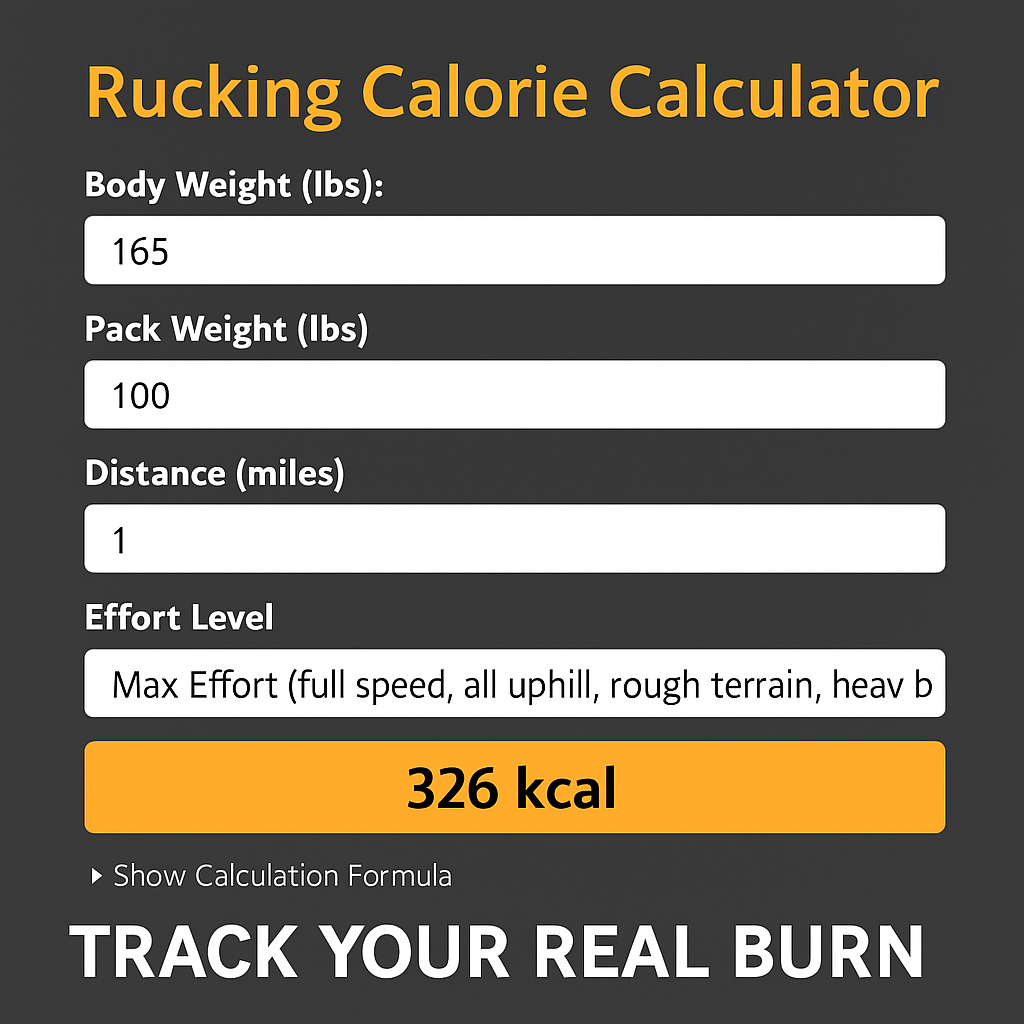
Weight vests increase energy expenditure but the amount varies by pace, terrain, and total load. Use the rucking calorie calculator below to estimate how many calories you’re burning during walks or rucks with a vest—it’s the fastest way to plan nutrition around training sessions.

Click the image or visit the calculator to enter your body weight, pace, distance, and vest load. Use that output to adjust daily calories for fat loss or performance goals.
Final practical advice
Buy a vest you can grow into—adjustable pockets and a wide load range keep the vest useful as you progress. Focus first on movement quality, then add load. Small increases, consistent training, and tracking calories with the calculator above produce the best long-term results.
Train outdoors, keep the volume steady, and respect recovery—consistent incremental work beats sporadic extremes every time.