Why use a weight vest when you work out
Adding a weight vest to your workouts is one of the simplest, most transferable ways to increase intensity without changing movements. You keep the mechanics of walking, running, push-ups, or squats while forcing your body to produce more force and burn more calories. As an ISSA-certified trainer I’ve seen the vest produce steady fat loss and durability when programmed correctly.
Who this guide is for
- Beginners who want to add load without learning complex lifts.
- Endurance athletes looking to increase cardiovascular stress on existing routes.
- People returning from a training hiatus who need low-skill intensity options.
Basic rules to work out with a weight vest safely
Start conservative. A common mistake is adding more weight than the body can tolerate and then blaming the vest for pain. Progress weight, not volume, and prioritize form. Use these rules as a baseline:
- Begin with 5–10% of body weight for general conditioning; increase in 2–5% increments every 2–4 weeks depending on recovery.
- Keep sessions short and purposeful—20–45 minutes of focused work for most people when introducing load.
- Prioritize joint-friendly movements: walking, slow hill repeats, bodyweight squats, and controlled push-ups.
- Track pain vs. fatigue—sharp joint pain is a stop; muscle soreness is expected.
Example progressive 6-week plan
Simple progressions work best. Here’s a basic template you can adapt:
- Weeks 1–2: 10–15 minutes of weighted walking or short circuits (push-ups, squats, plank) with 5–10% bodyweight.
- Weeks 3–4: Increase time to 25–35 minutes or add 2–5% weight if sessions feel easy.
- Weeks 5–6: Add hills, interval efforts, or a second short circuit. Maintain intensity and prioritize recovery.
Recovery and form cues
Lift the chest, engage hips, and let cadence drive effort—not excessive forward lean or swinging. Sleep, protein, and hydration matter more when you add constant load. Take an extra rest day if your movement quality drops.
Practical gear recommendations
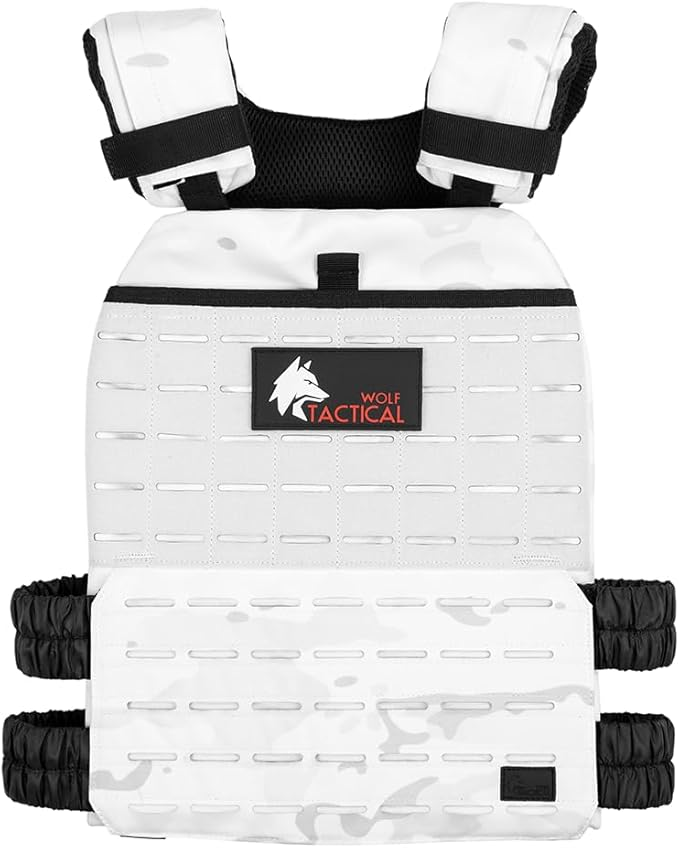
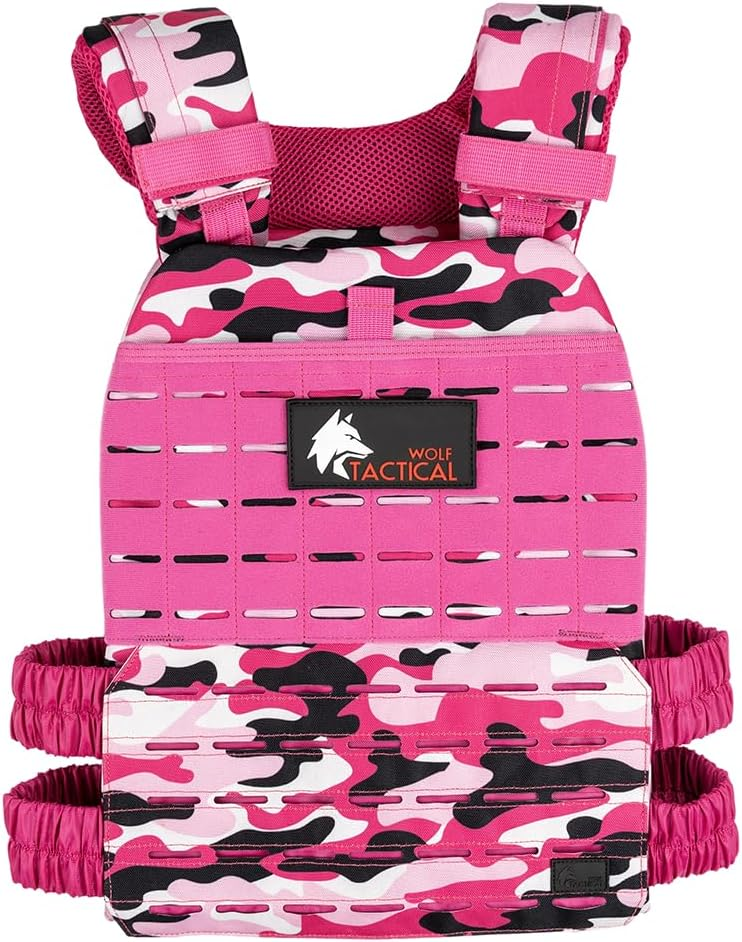
For most people starting with weighted-vest workouts, comfort and fit come first. I commonly recommend the Wolf Tactical Simple Weighted Vest for daily walks and light circuits because it’s adjustable and comfortable.

If you’re training with heavier loads or want a vest that stays stable during burpees and plyometrics, the 5.11 TacTec Trainer Weight Vest is a sturdier option that reduces bounce and improves comfort during dynamic work.

Measure progress with a calorie calculator
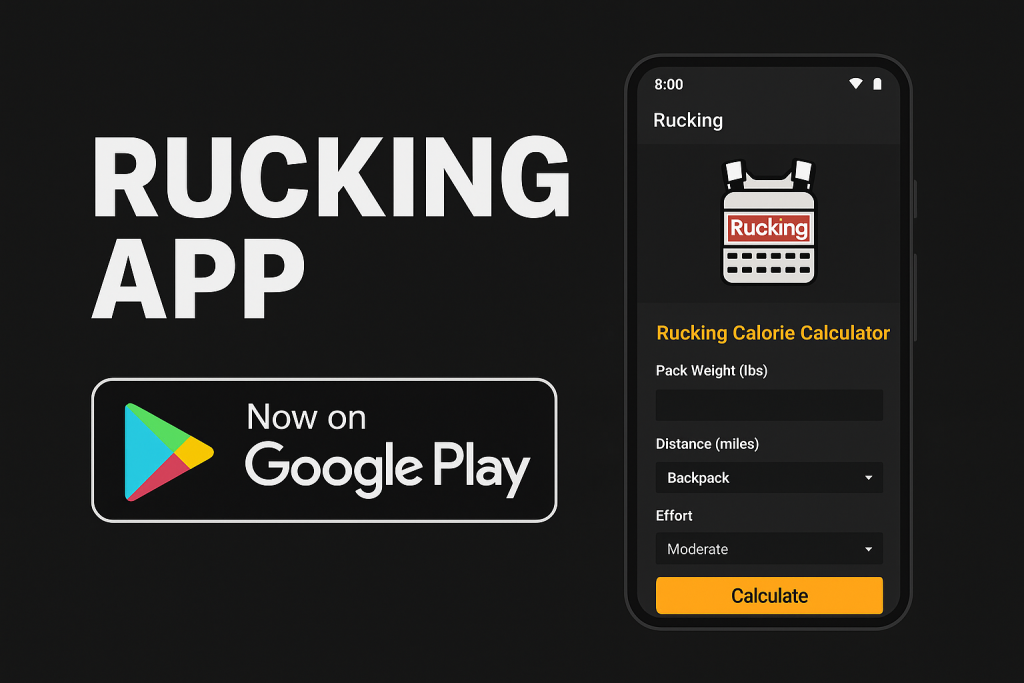
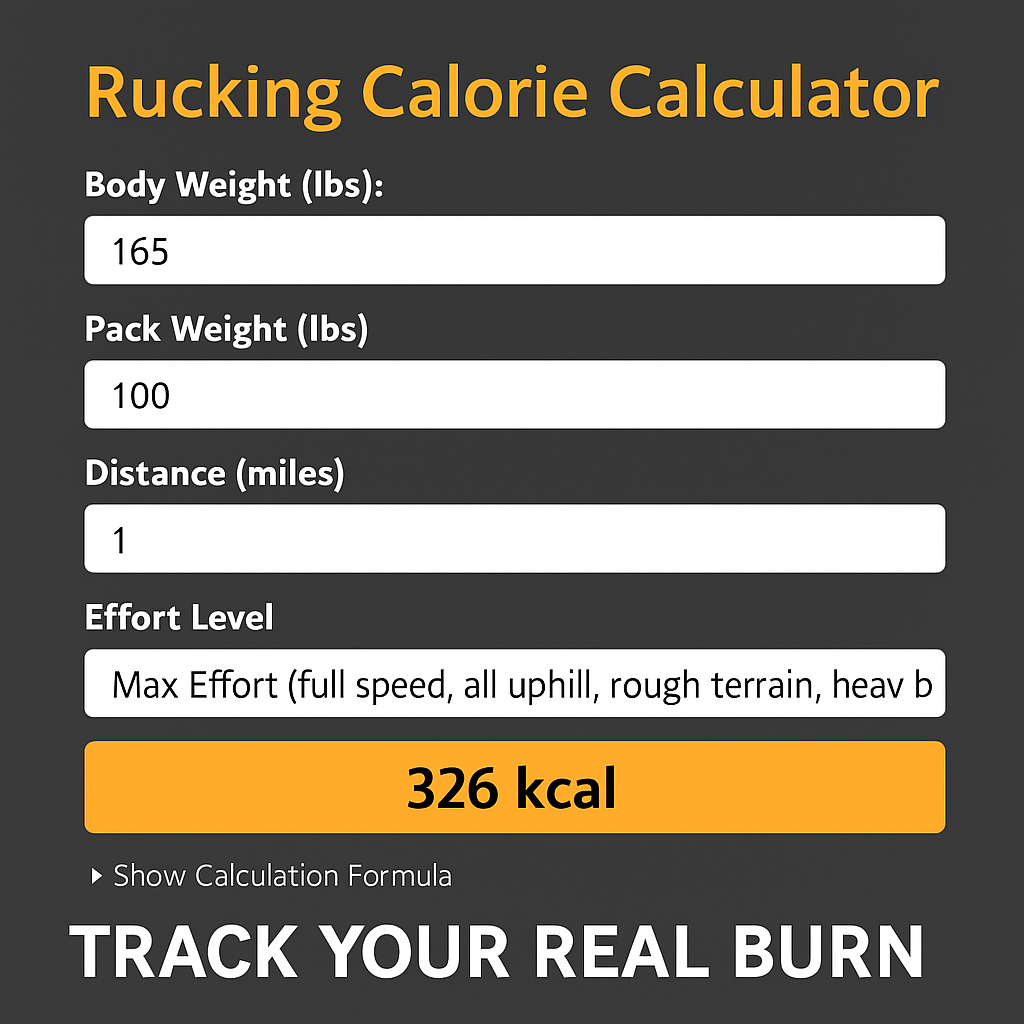
Use a rucking calorie calculator to estimate session demand and make data-driven progressions. Plug in your weight, vest load, distance, and pace to compare sessions and avoid sudden jumps in volume.

Final notes from an experienced trainer
I’m Preston Shamblen, ISSA-certified; I lost 90 lbs using rucking and disciplined nutrition, and I still recommend weighted vests as one of the most reliable ways to maintain a lower body weight and burn fat consistently. Keep load conservative early, respect recovery, and use the tools above to build capacity without breaking form.
Program smart, stay outdoors when you can, and treat the vest as a way to increase training stimulus—not a shortcut around technique.