What is a workout plate carrier?
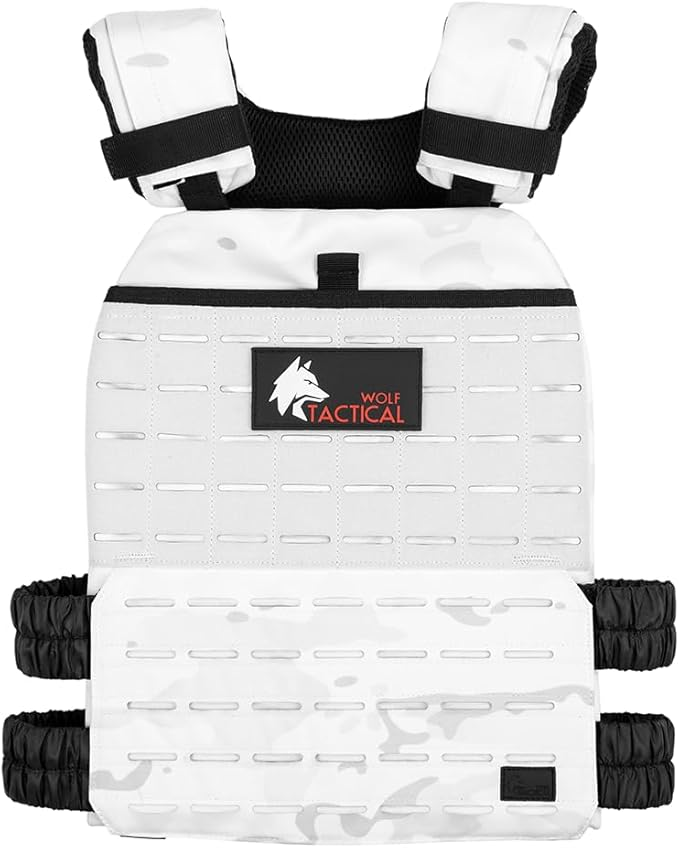
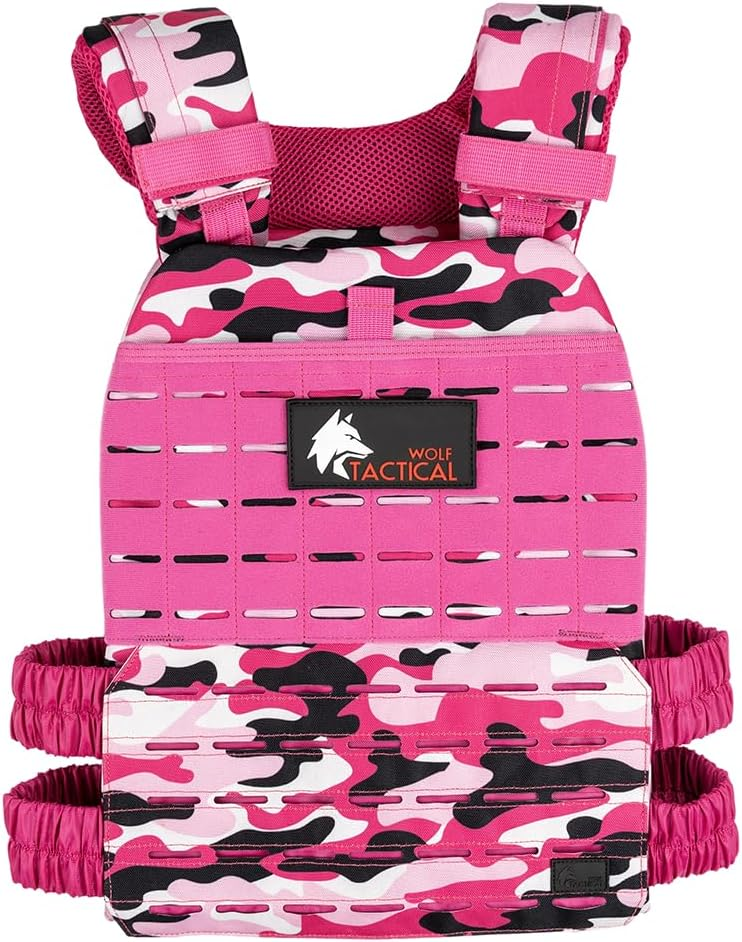
A workout plate carrier is a streamlined, durable vest that holds weighted plates against your torso to turn everyday movements into efficient strength-and-conditioning work. Unlike tactical armor, training carriers are built for mobility, breathability, and quick loading/unloading so you can move from weighted walks to push-ups, squats, and hill climbs without fuss. The weight sits close to your center of mass, which keeps movement natural and reduces joint stress compared to awkward hand-carried loads.
Why train with a plate carrier?
- Time efficiency: Stack cardio and strength by adding load to bodyweight circuits and walks.
- Posture and core: Front/back plate balance encourages a tall posture and steady trunk engagement.
- Scalable: Add or remove plates quickly to match the day’s goal—endurance, tempo, or power.
- Outdoor-friendly: Walk, hike, or do hill repeats for low-impact conditioning that still hits hard.
How heavy should your plate carrier be?
- New to loaded conditioning: Start with 5–10% of bodyweight for walks and easy circuits. For many, that’s a single 10–20 lb plate.
- Intermediate: 10–20% of bodyweight for steady walks or EMOM bodyweight work. Keep nasal breathing and clean form.
- Calisthenics focus: Go lighter for push-ups, pull-ups, lunges, and step-ups so reps stay crisp.
Fit and setup tips
- Snug, not crushing: Tighten shoulder and cummerbund straps so the carrier doesn’t bounce, but still allows full breaths.
- Plate height: Top edge roughly at the sternal notch; too low and it will pull you forward.
- Balance: If using a heavy front plate, add a back plate or slightly increase strap tension to keep the load centered.
Simple training templates
- Zone 2 weighted walk: 30–45 minutes at conversational pace. Gradually extend to 60 minutes.
- EMOM 20: Odd minutes 8–12 weighted push-ups; even minutes 10–15 air squats. Choose a load that keeps all reps unbroken.
- Hill repeats: 6–10 climbs at steady effort; walk down for recovery. Keep chest tall and steps short on steep grades.
Progress one variable at a time: either increase time, pace, or load—not all three. If your gait changes or you lose posture, back the weight down.
Estimate your burn with the calorie calculator
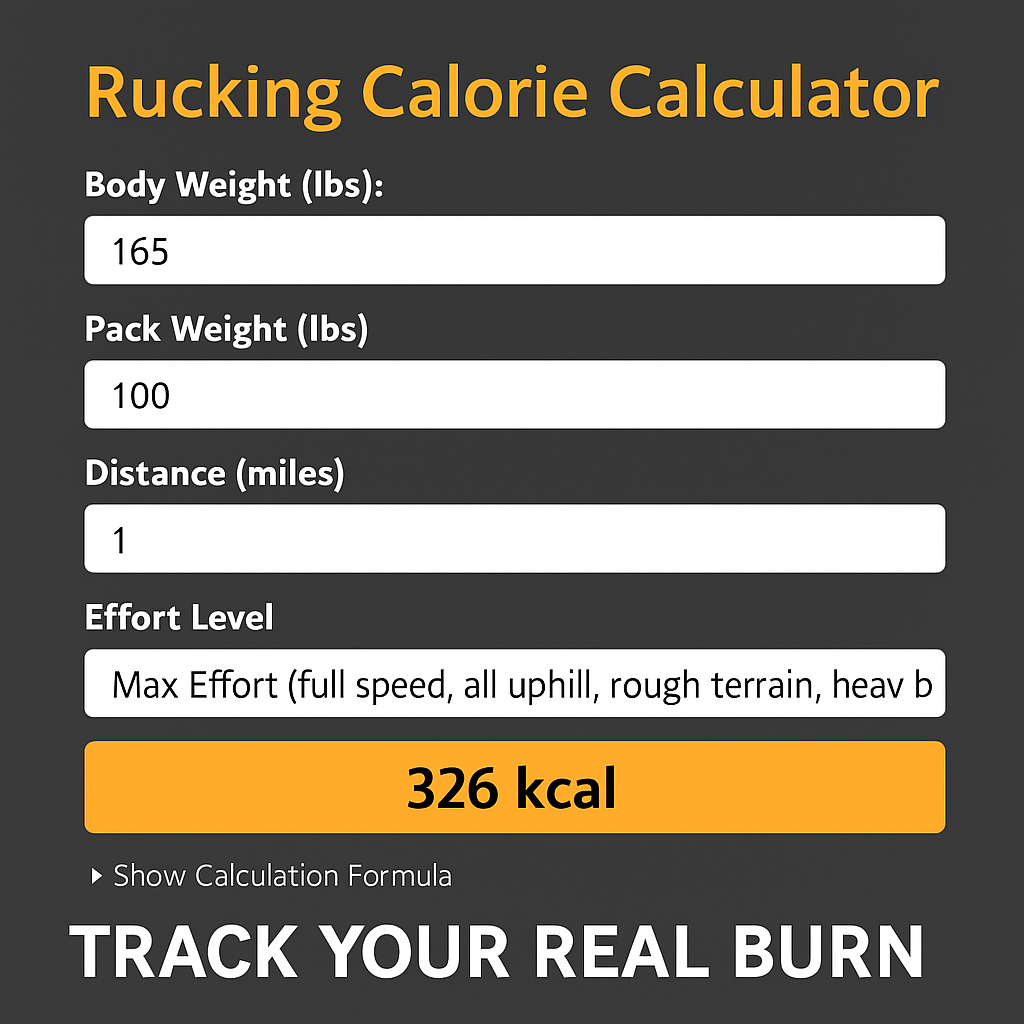
Curious how many calories your loaded walks or circuits are costing? Use the rucking-focused calculator below to plug in bodyweight, carried load, distance, pace, and terrain. It works great for plate-carrier walking and hybrid ruck sessions.

Recommended carriers and plates
For a dedicated training build, I like the GORUCK Ruck Plate Carrier 3.0—it’s compact, stable, and purpose-made for ruck plates.

Pair it with a budget-friendly plate like the Yes4All Ruck Weight Plate to scale load precisely for walks, hills, and EMOM circuits.

If you prefer a more traditional vest that accepts plates and distributes weight broadly, the 5.11 Tactical Unisex TacTec Trainer Weight Vest is a comfortable option for mixed calisthenics and conditioning.

Safety and recovery
- Warm up hips, calves, and T-spine before loading; cooldown with easy walking.
- Rotate footwear: road shoes for pavement, lugged soles for trails.
- Hydrate early, especially in heat; walk in shade when possible.
Build gradually, respect your joints, and let the carrier make simple sessions count more—not complicate them.