Why choose a workout plate carrier vest?
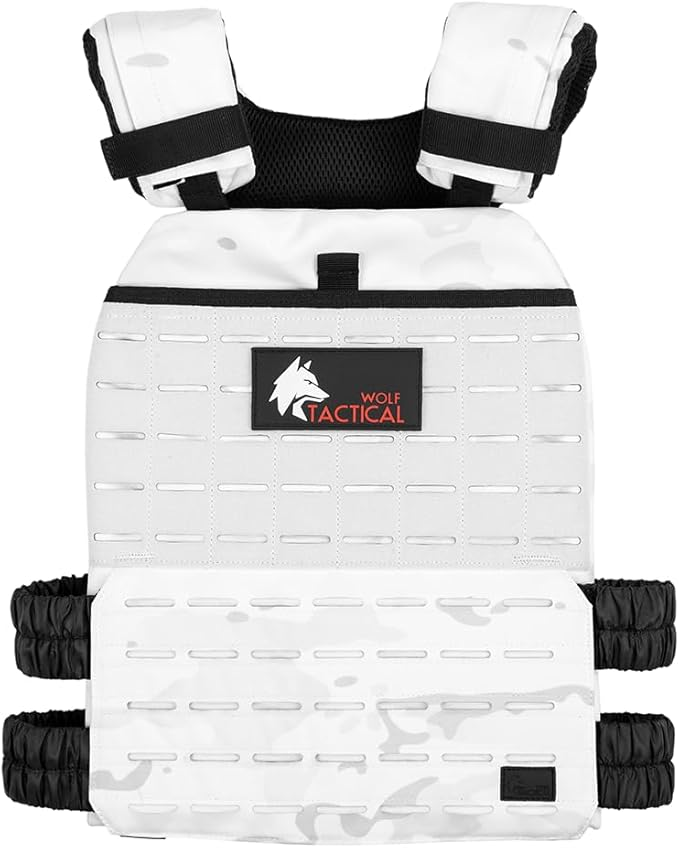
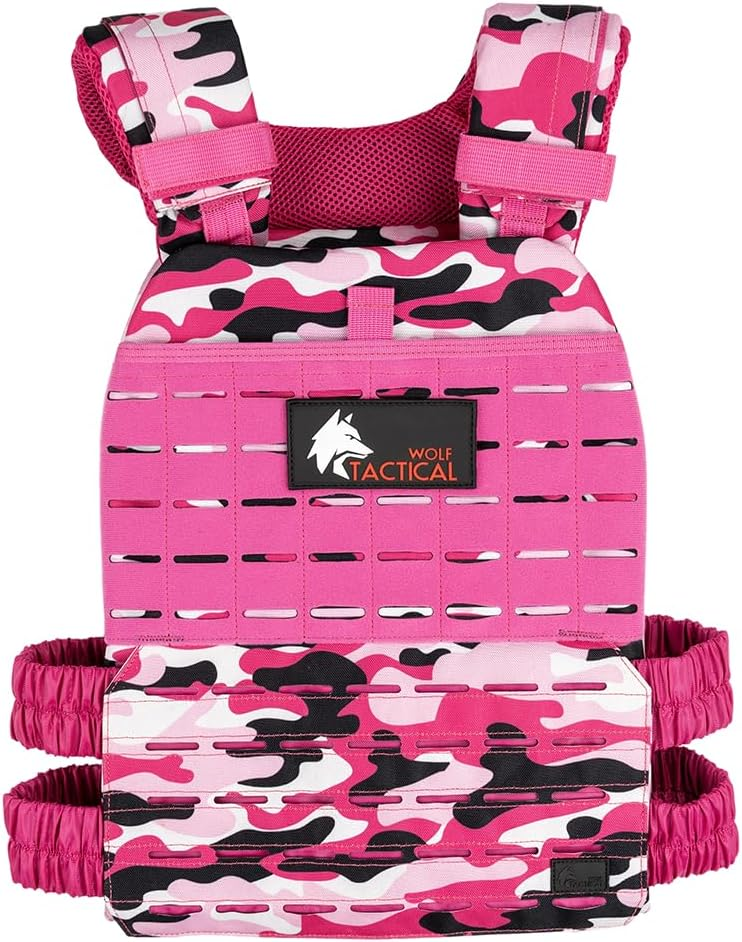
A workout plate carrier vest shifts the loading point high on the torso and keeps weight centralized, which changes how your body moves under load. If your goal is heavier strength work, tactical conditioning, or weighted calisthenics, a plate carrier lets you stack plates safely and keep the load stable during dynamic movement.
Key differences vs soft weighted vests
- Rigid plate carriers allow much higher absolute loads without the vest deforming.
- Plate placement changes posture; expect more upper-back engagement and reduced hip sway compared with low soft vests.
- You get modular loading — add or remove plates to match a specific training phase.
How to use a plate carrier safely
Follow these basics before you increase weight: prioritize posture, keep the spine neutral, and progress in small increments. A plate carrier concentrates mass near the upper chest and shoulders. That’s ideal for weighted calisthenics, farmer-carry progressions, and short, heavy rucks — but it demands attention to thoracic mobility and scapular control.
Practical checklist
- Fit the carrier so plates sit high but not on your throat — collarbone level is a good reference.
- Start with 10–20% of bodyweight for movement learning, then add 5–10% every 1–2 weeks based on movement quality.
- Include mobility work for the upper back and shoulders to keep range of motion for presses and pull-ups.
- Limit heavy dynamic reps (running, bounding) with plates until you’ve built load tolerance.
Sample two-week progression (novice to intermediate)
Use this as a template — adjust based on fitness and recovery. Keep sets conservative and prioritize clean technique.
- Week 1: Light technical work — bodyweight pull-ups, push-ups, and loaded carries with 10–20% bodyweight in the carrier. Focus on 3 sets of 6–8 quality reps.
- Week 2: Add load to carries and reduce reps on complex moves. Example: 4 sets of 4 heavy push-ups or dips with increased plates; 3 x 200m loaded carries at moderate pace.
Programming tips for strength and conditioning
Cycle phases: build a strength block (lower reps, heavier plates) then a conditioning block (lighter plates, higher volume, longer rucks). Keep at least one day for mobility/reset. Track load and perceived exertion rather than chasing maximum plate weight every session.
Accessory gear recommendation
If you plan to train heavy or do plate-based calisthenics, use a product built for high loads. The Kensui EZ-VEST® MAX V2 is rated for very high loads and designed for repeated heavy use — ideal for strength-oriented plate carrier work.

Estimate calorie burn for loaded sessions
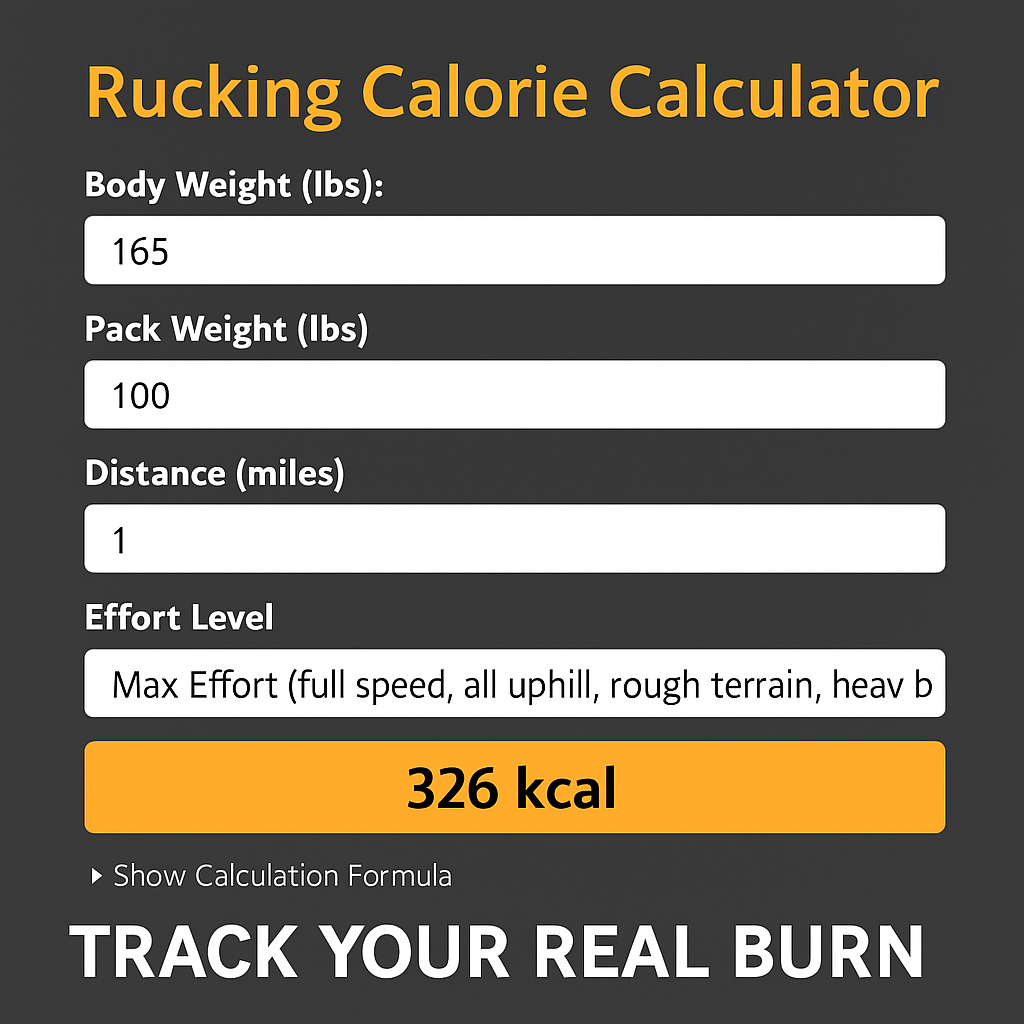
Plate carrier work increases energy cost — especially when you add carries or rucking-style walks. Use the rucking calorie calculator to estimate session burn and align nutrition with your goals.

Final notes
A workout plate carrier vest is a powerful tool for anyone serious about strength under load. Respect the specificity: heavy plates change movement mechanics and recovery needs. Keep progress measured, prioritize joint health, and integrate unloaded movement drills so your body adapts to force without losing mobility.