Why men choose a workout vest
A good weighted workout vest lets you add load to everyday conditioning without beating up your joints. It turns walks into calorie-burning sessions, makes bodyweight moves like push-ups and pull-ups more effective, and builds durable strength for the outdoors. For many men, it’s the most practical way to train when time is tight.
How to pick the right men’s weighted vest
Fit and comfort
- Shoulder comfort: Look for wide, padded straps that don’t dig in. A vest should sit high on the torso and not bounce.
- Chest clearance: An open chest design keeps the vest out of the way during push-ups, burpees, and pull-ups.
- Breathability: Mesh panels and quick-dry materials help manage heat on long walks.
- Adjustability: Side straps should cinch for a snug fit so weight stays close to your center of mass.
Weight and progression
- Walking: Start with 5–10% of bodyweight. If you’re 180 lb, begin with 10–18 lb.
- Calisthenics circuits: 5–15% works for most men. Keep the movement quality crisp.
- Ceiling: Cap loaded walks at ~20% bodyweight until you’ve built months of volume without knee/low-back issues.
- Progression: Add 2–5 lb or 5–10 minutes of time, not both at once.
Sizing for men
Measure your chest at the widest point and confirm the vest’s size range. A men’s cut should ride above the stomach, sit flat on the upper torso, and allow full arm swing. If you plan to wear it over winter layers, test fit with those layers on.
Simple training template
Use this 3-day plan for four weeks. Keep one day fully unloaded for recovery cardio.
- Day 1 – Weighted walk: 25–40 minutes at a conversational pace, 5–10% bodyweight.
- Day 2 – Bodyweight strength (vested): 3 rounds of 8–12 push-ups, 6–10 inverted rows or pull-ups, 10 step-ups/leg, 20 walking lunges (total), 30-second front plank. Rest 60–90 seconds between movements.
- Day 3 – Unloaded zone 2: 30–50 minutes brisk walk or easy cycle for recovery.
Warm up with 5 minutes easy walking and arm swings. Keep posture tall, ribs down, and don’t lean forward under load.
Estimate your calorie burn
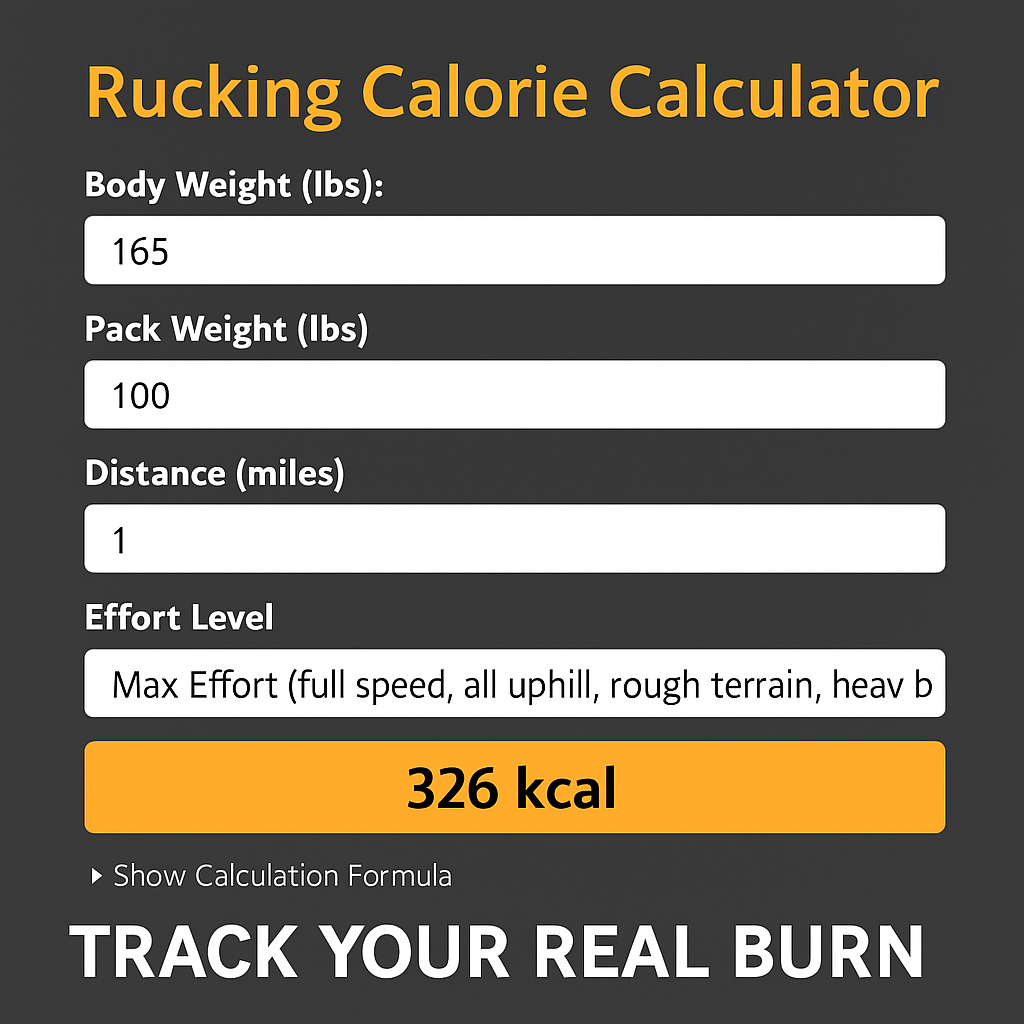
To plan weight loss or just understand training impact, estimate energy expenditure with this tool. Select walking pace, enter vest weight as added load, and compare sessions.
Try the Rucking Calorie Calculator

Recommended men’s workout vests
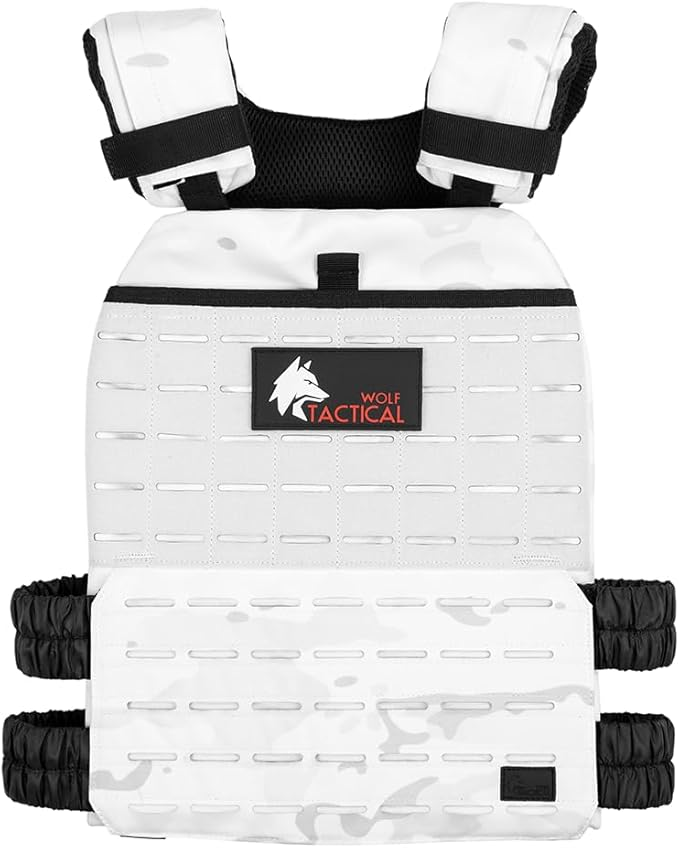
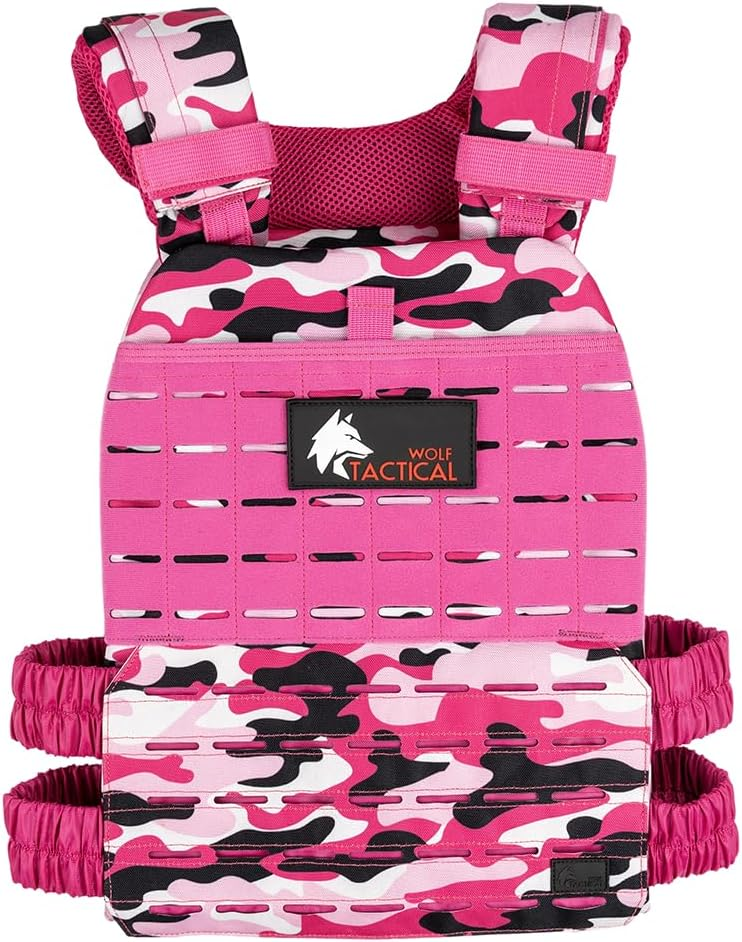
Wolf Tactical Adjustable Weighted Vest
The Wolf Tactical Adjustable Weighted Vest is a solid men’s pick for comfort and versatility. It cinches tight, breathes well, and scales from beginner to intermediate loads.

5.11 TacTec Trainer Weight Vest
The 5.11 TacTec Trainer Weight Vest is rugged and streamlined with excellent shoulder comfort and chest clearance—ideal for push-ups, pull-ups, and fast transitions.

Safety and recovery
- Build volume gradually; if your joints bark, reduce load or time before you tweak intensity.
- Keep steps short and cadence steady; avoid running in a vest until walking volume is easy.
- Hydrate and cool-down walk 5 minutes; light calf and hip flexor stretching post-session.
Stick to quality reps, sensible progress, and consistent sessions, and your workout vest will pay off in strength, stamina, and sustainable fat loss.