Why workout vest plates matter
Workout vest plates are the easiest way to scale a weighted-vest or ruck for progressive overload, longer rucks, and higher-calorie sessions. Plates let you add small, predictable increments of mass and concentrate load where it belongs—close to your center of gravity. That matters for comfort, posture, and durability during faster walks, hikes, or interval work.
What to look for in quality plates
Choose plates designed for wearables: compact, low-profile, and with rounded edges so they sit flat in a vest pocket. Steel or iron plates are the most cost-effective, while bumpers or coated plates can reduce squeak and wear. Pair plates to keep your load balanced front-to-back and left-to-right.
- Size and profile: slim plates reduce pressure points.
- Weight increments: 2.5–10 lb plates give fine control.
- Durability: corrosion-resistant finish for outdoor use.
- Fit: verify plate pocket dimensions for your vest model.
How to load plates safely
Loading and unloading plates is simple, but technique matters. Always distribute plates evenly, start light on new movements, and prioritize posture. For rucks and long walks, keep more weight towards your upper back in a plate carrier or backpack. For calisthenics and conditioning, a snug vest with low-profile plates keeps movement natural.
Practical loading plan
- Beginner: 5–10% of bodyweight total (split evenly).
- Intermediate: 10–20% bodyweight—use small increments to progress.
- Advanced: treat heavier loads like strength work—short sets, strict form.
When increasing load, add small plates and let your body adapt for at least 1–2 weeks of consistent sessions before adding more. If you notice pain (not discomfort) around the shoulders, spine, or hips, reduce the load and re-evaluate fit.
Recommended plates and when to use them
For most ruckers and vest users I recommend balance: a set of smaller plates for gradual progress, and a few heavier plates for occasional heavy conditioning. Two commonly used options are below; both work for vests and ruck backpacks.
Yes4All Ruck Weight Plate is a budget-friendly steel option in multiple sizes—good for beginners who want predictable increments. It’s compact and easy to pair for balanced loads.

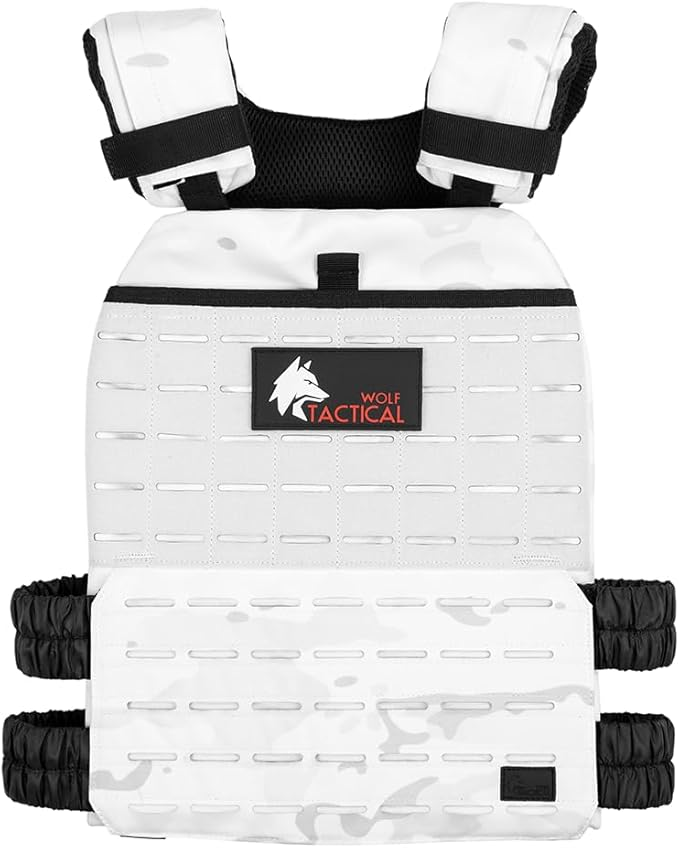
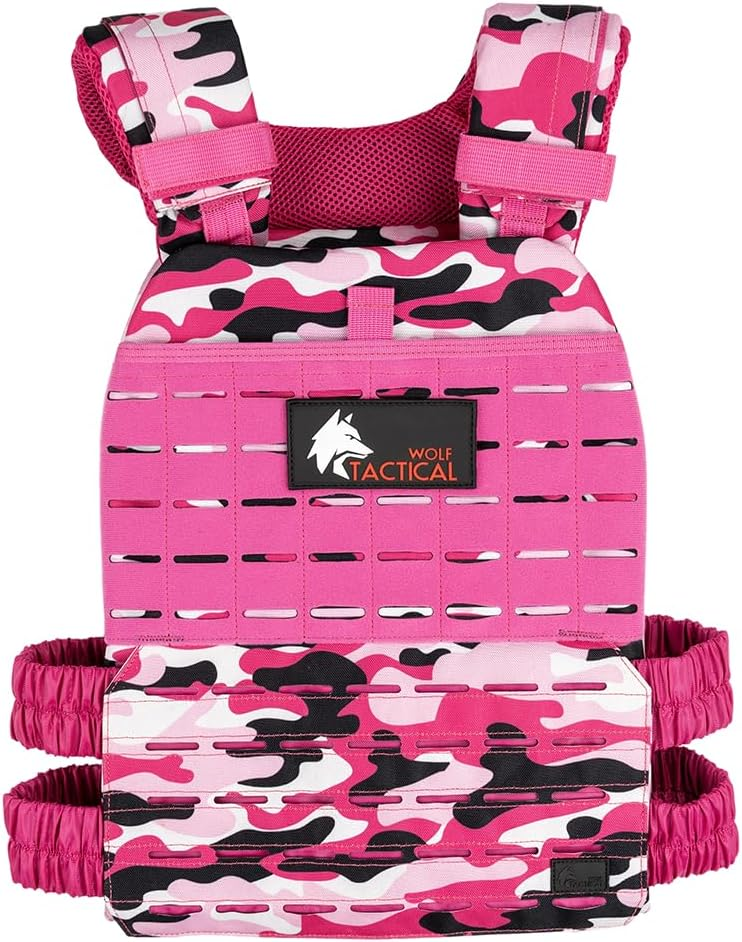
If you plan lots of heavy sessions or pair plates with a plate carrier, the WOLF TACTICAL Weight Vest Plates (pairs) are designed to fit common tactical vests and stay secure during dynamic work.

Measure effort, not ego
Use perceived exertion, pace, and form as your guides. Plates change how your body moves—start conservatively. If your goal is calorie burn on walks and rucks, use controlled increments and longer durations. For short, high-intensity sessions, treat plates like extra bodyweight and focus on strict technique.
Calculate expected calorie burn
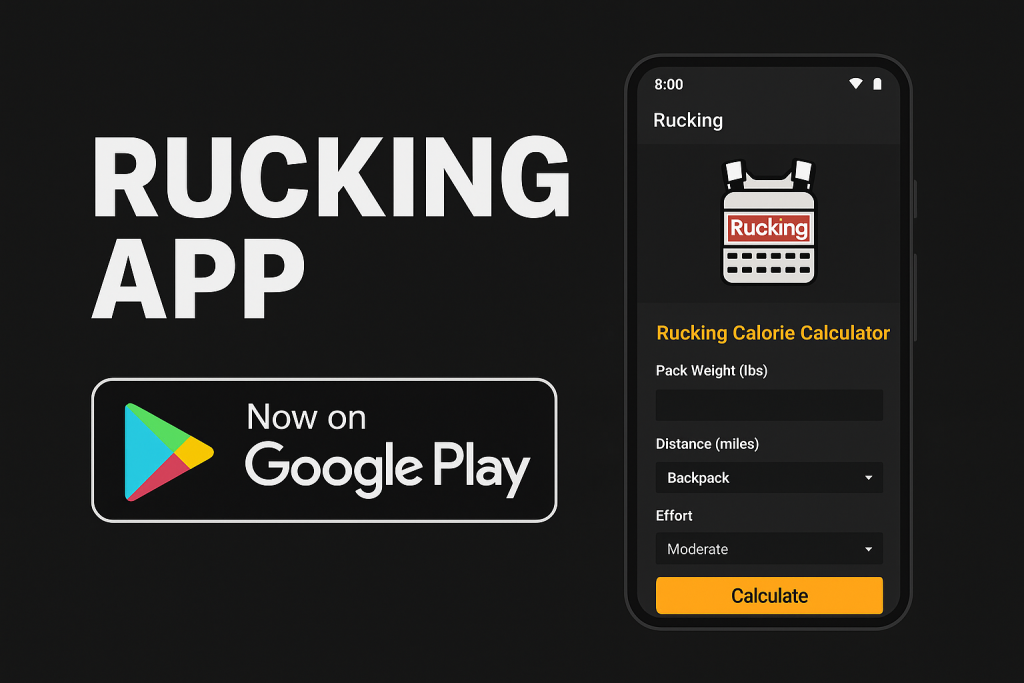
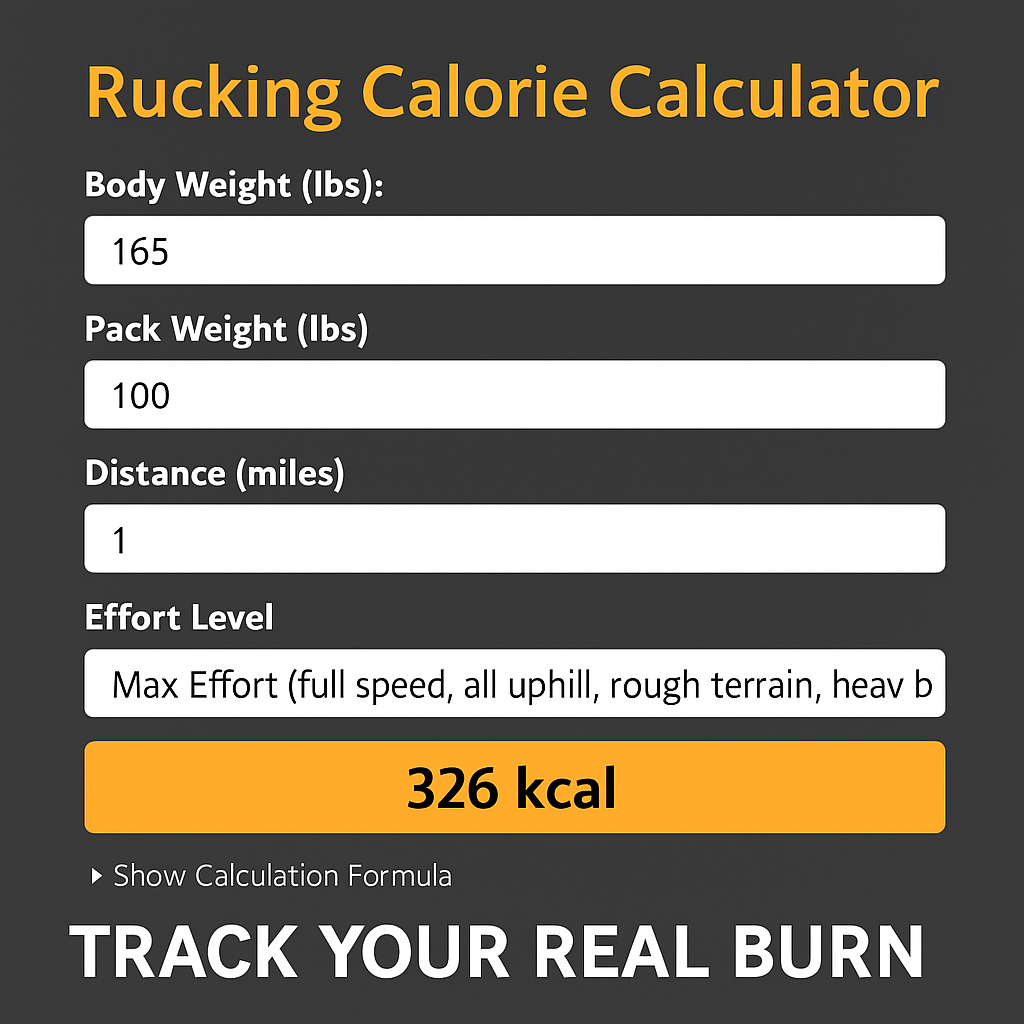
Before you add heavy plates to long rucks, estimate how many calories the session will cost using the rucking calorie calculator. It helps match load, pace, and duration to your goals.

Final notes from experience
As Preston Shamblen I lost 90 lbs through rucking, weighted-vest training, and disciplined nutrition, and I still recommend weighted vests and properly paired plates as one of the most reliable ways to maintain lower body weight and burn fat consistently. Keep plates balanced, prioritize fit, and progress slowly. If you plan long-distance rucks or heavy carrier work, pair plate training with a solid hydration solution and proper foot care.