Why a youth weighted vest can help
A youth weighted vest, used correctly, adds low-impact resistance to walking, play, and bodyweight drills. For kids who need extra sensory input, controlled loading can improve posture, confidence, and basic strength without the complexity of a gym. The priority is always safety: proper fit, conservative loads, and simple progression.
Key safety rules
- Keep total added weight conservative — start with 1–3% of body weight for young children and 3–5% for older teens.
- Use short sessions (10–20 minutes) and monitor form, breathing, and comfort.
- Never use a youth weighted vest for heavy resistance lifts; the vest is for light conditioning, posture, and walking.
- If the child complains of pain, dizziness, or breathing difficulty, stop immediately and reassess fit and load.
Choosing the right vest
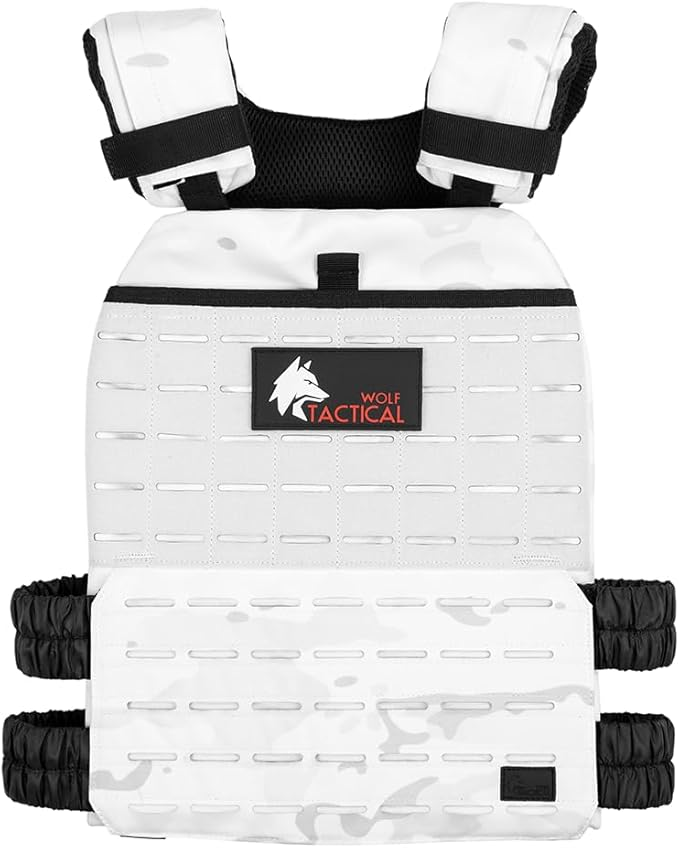
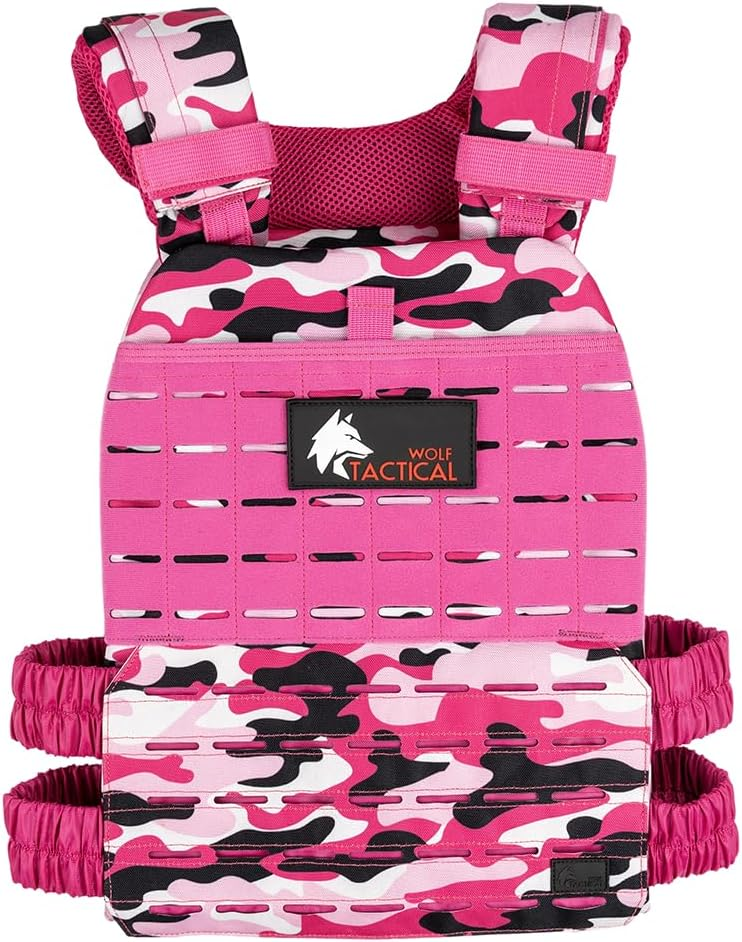
For younger users look for low-minimum weight, adjustable fit, and breathable materials. Two practical options I recommend for youth are the BAGAIL Adjustable Weighted Vest (4–10 lb) and the Pink Wolf Tactical Weighted Vest. Both allow very light starting weights and adjust as the child grows.


How to program a youth weighted vest session
Start with low-intensity activities: short walks, light obstacle courses, or bodyweight games. Aim for 2–3 sessions per week and focus on consistent movement, not maximal output. A sample progression:
- Week 1–2: 4–8 minutes of walking/play with 2–4 lb, monitor posture.
- Week 3–4: 10–15 minutes, increase to 4–6 lb if comfortable.
- Week 5+: Gradually add 1–2 lb every 2–4 weeks depending on age, growth, and tolerance.
Monitoring and cues
Watch for rounded shoulders, shortness of breath, or complaints of neck/back strain. Encourage upright posture, even steps, and regular water breaks. If planning longer walks or carrying additional gear, consider a small hydration pack like the CamelBak Motherlode for older teens who combine rucking and hydration.
Estimate calorie burn (simple tool)
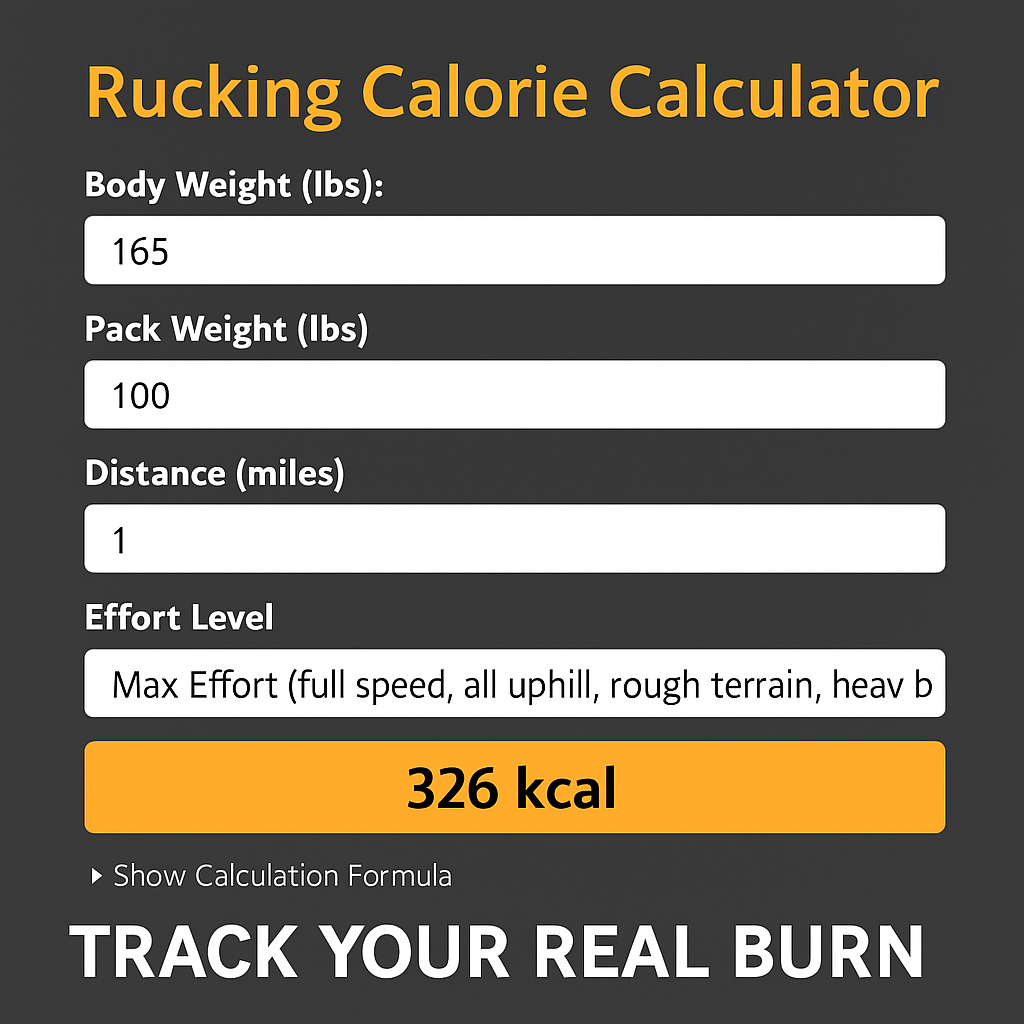
To estimate how a youth weighted vest affects calorie burn during walks or rucking, use the Rucking Calorie Calculator. It’s a practical starting point to see relative differences between unloaded and lightly loaded walking.

Enter the child’s age, weight, pace, and vest weight to compare sessions. The calculator is an estimate — prioritize comfort and technique over chasing calories.
Final notes from experience
As an ISSA-certified trainer, I emphasize conservative progression. I’ve seen weighted vests help kids gain confidence in movement when used sensibly. If you’re unsure, consult a pediatrician or qualified trainer before introducing load to a child. Keep sessions fun, short, and focused on movement quality.