Why train with the 5.11 Tactical Weight Vest
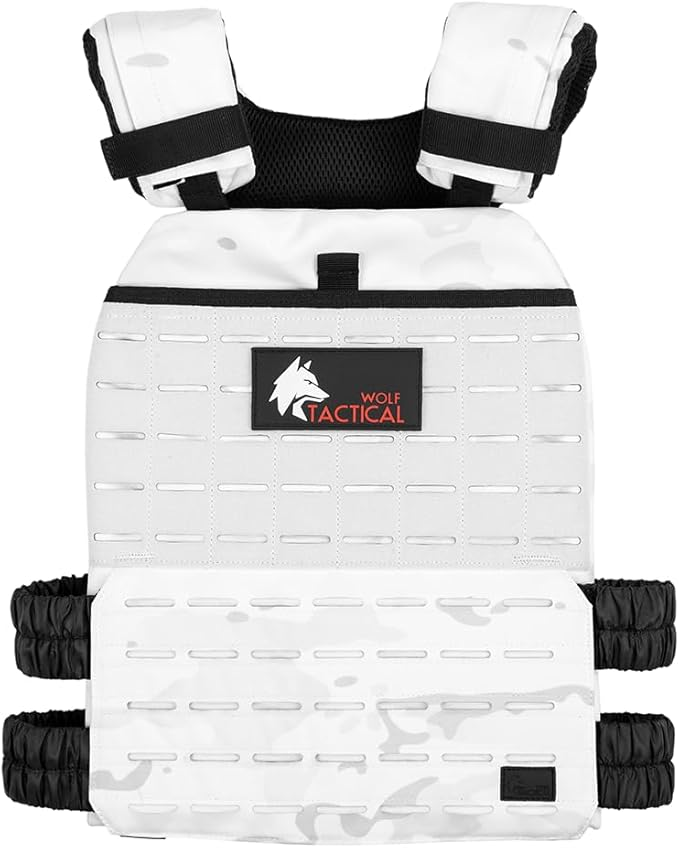
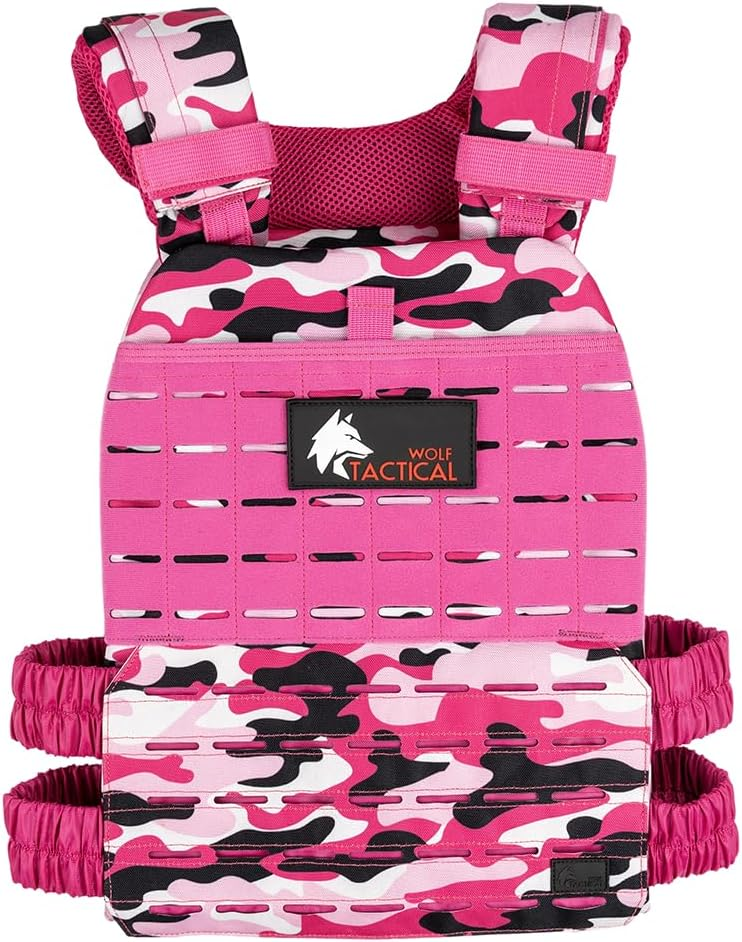
The 5.11 Tactical Unisex TacTec Trainer Weight Vest is a go-to for walkers, ruckers, and WOD athletes who want comfort that holds up during longer sessions. Its low-profile design, breathable chassis, and secure plate pockets keep the load close to your center of mass, which improves posture and reduces bouncing. Whether you’re doing Murph, a 45-minute weighted walk, or a stair session, this vest checks the boxes for fit and durability.

Fit and sizing tips
- Plate style and size: The TacTec Trainer is designed for standard trainer plates. Choose plate sizes that sit flat and high on the torso without restricting breathing.
- Torso length: Aim for the bottom of the vest to land above the navel when you hinge or jog in place. Too low can chafe; too high can feel unstable.
- Strap setup: Snug the shoulders first, then the cummerbund. You want minimal bounce while breathing freely through the belly and ribs.
- Layering: For longer rucks, a moisture-wicking base layer under the vest reduces hotspots and makes post-session cleanup easier.
How heavy to go
For most people, start with 5–10% of bodyweight for steady walking or easy calisthenics. Progress by 2–5 lb when you can complete your target time or reps with clean form and no hotspots. For Murph-style work, common plate pairs are 14–20 lb total; for longer rucks, many settle between 10–30 lb depending on terrain and experience.
If you need plates to tune the load precisely, consider WOLF TACTICAL Weight Vest Plates (pairs), which come in multiple weights so you can progress gradually. Always confirm sizing with your vest’s specifications.

Simple weekly plan
- Day 1 – Weighted walk: 30–45 minutes at conversational pace. Focus on tall posture, small quick steps, and even breathing.
- Day 2 – Calisthenics circuit: 5 rounds easy-moderate of push-ups, air squats, rows or band pulls, 200 m walk between rounds.
- Day 3 – Rest or mobility.
- Day 4 – Hills or stairs: 20–30 minutes continuous movement. Keep effort steady, not breathless.
- Day 5 – Mixed session: 10-minute walk warm-up, 12-minute EMOM of 6 squats + 6 push-ups, finish with 10-minute cooldown walk.
Progress by extending time 5 minutes, adding a hill, or nudging weight up by 2–5 lb only after two solid weeks with no hotspots or joint irritation.
Estimate your calorie burn
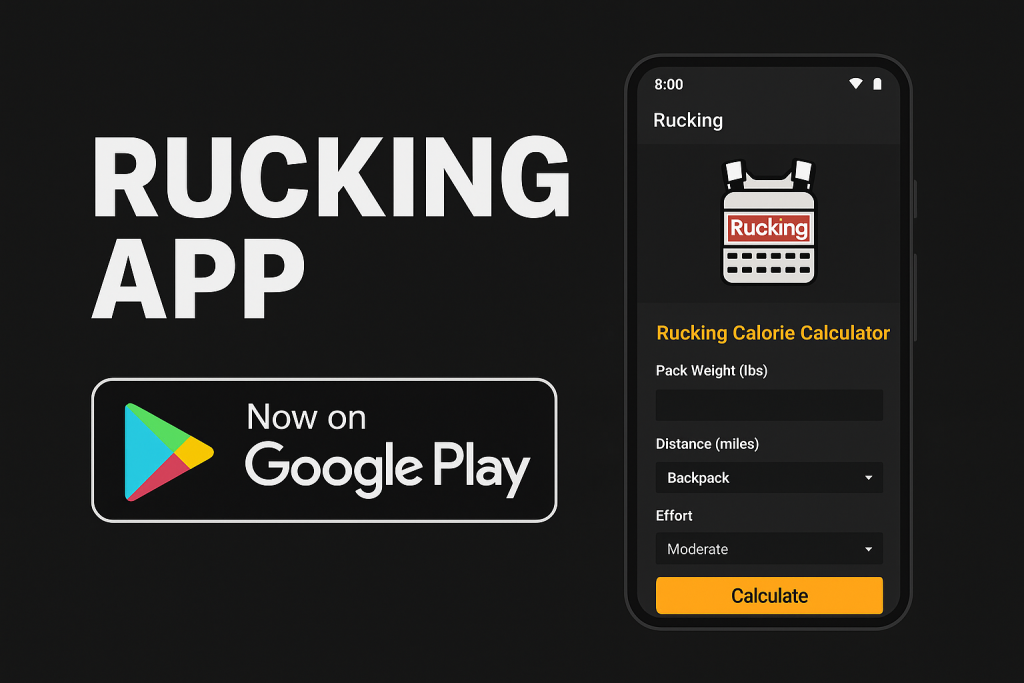
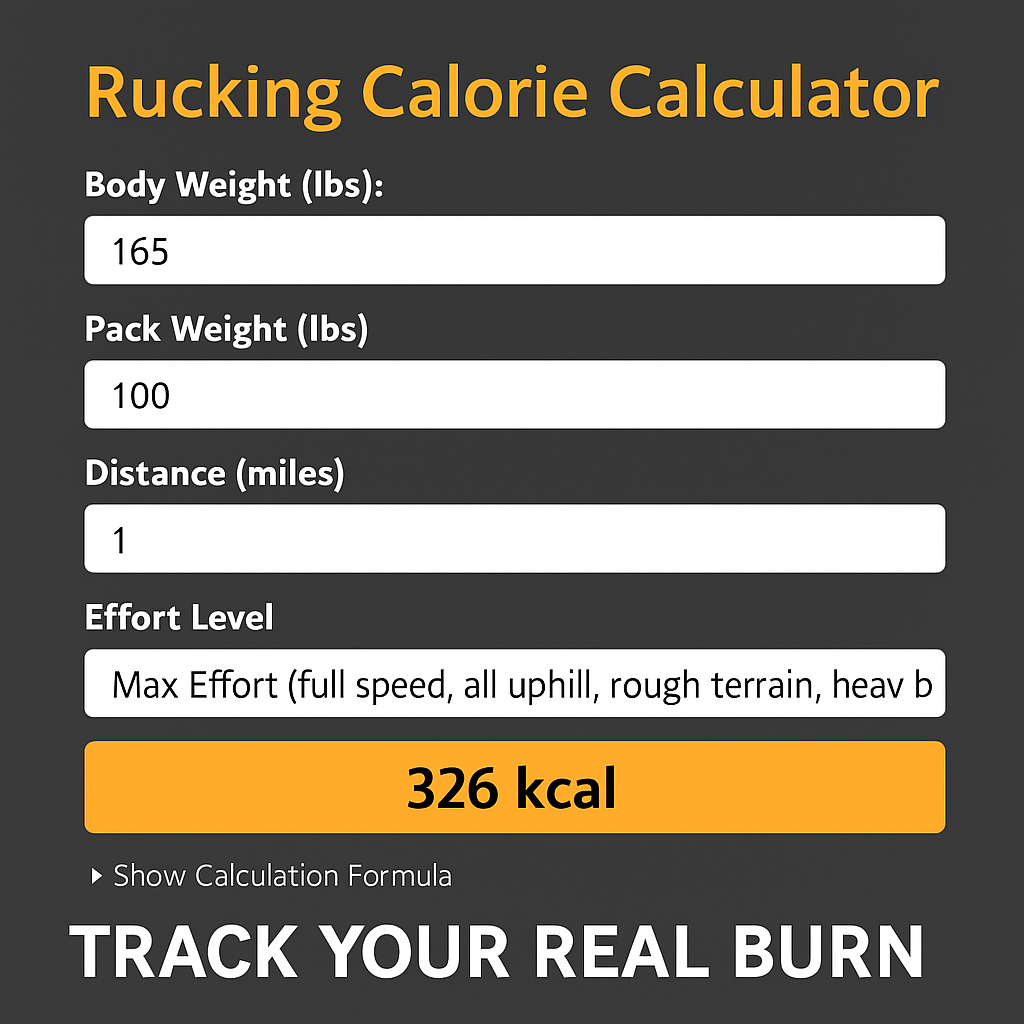
Want a realistic estimate for your weighted-walk sessions? Use the Rucking Calorie Calculator. Even if you’re using a vest instead of a backpack, the physics are the same—enter your bodyweight, carried load (vest weight), distance or time, and pace to see approximate burn. It’s a helpful way to compare sessions and guide nutrition.

Technique and safety checklist
- Posture: Think tall—ribs down, slight chin tuck, shoulders relaxed. Avoid over-arching the low back.
- Footwork: Short, quick steps with a soft midfoot landing. This reduces impact and hotspots.
- Hydration: Bring water on sessions longer than 30–45 minutes, especially in heat.
- Skin care: If you notice rubbing, adjust straps and add a thin base layer. Don’t ignore hotspots.
- Progression: Increase only one variable at a time—time, terrain, or load.
Bottom line: a well-fitted 5.11 vest makes weighted walking, rucking, and bodyweight work more effective with minimal fuss. Set your straps once, start light, and build capacity week by week.