Why a rucking vest makes sense for men
A weighted rucking vest lets you add load to walking without the shoulder strain of a backpack. The weight sits close to your center of mass, encouraging upright posture, natural arm swing, and smoother foot strikes. For busy men who want reliable conditioning, fat loss, and stronger legs without pounding their joints, a vest is simple, scalable, and effective.
Fit and sizing: get it tight and high
A good men’s rucking vest should lock down snugly across the chest and back so it doesn’t bounce. Look for wide shoulder straps with breathable material, quick-adjust side straps, and plate or pocket systems that keep weight stable.
- Length: A vest that ends above the belt line avoids hip pressure while you stride.
- Harness: Dual or triple-strap side adjustments help dial a custom fit for broader chests.
- Breathability: Mesh channels and ventilated foam reduce heat build-up on longer walks.
- Load security: Internal plate sleeves or evenly distributed pockets prevent sway.
How much weight to use
Start conservative so your joints adapt. Progress load only when pace, posture, and breathing stay controlled.
- Beginners: 5–10% of bodyweight for 20–45 minutes.
- Intermediate: 10–15% for 30–60 minutes; add hills or faster pace before more weight.
- Experienced: 15–20% for 45–90 minutes; rotate an easy day each week.
Aim for brisk, conversational pace (Zone 2 heart rate for most). If cadence shortens or you lean forward, reduce load and rebuild quality.
Simple weekly structure
- Day 1 – Technique and base: 30–40 minutes, flat route, 5–10% bodyweight. Focus on tall posture and smooth breathing.
- Day 2 – Strength endurance: 35–50 minutes with 2–3 short hills. Keep load the same; shorten stride on climbs.
- Day 3 – Long easy: 45–75 minutes, talk-test pace, same load or 5 lb less if you’re building distance.
Every 3–4 weeks, insert a deload week (reduce time or load by 20–30%) to let connective tissues recover.
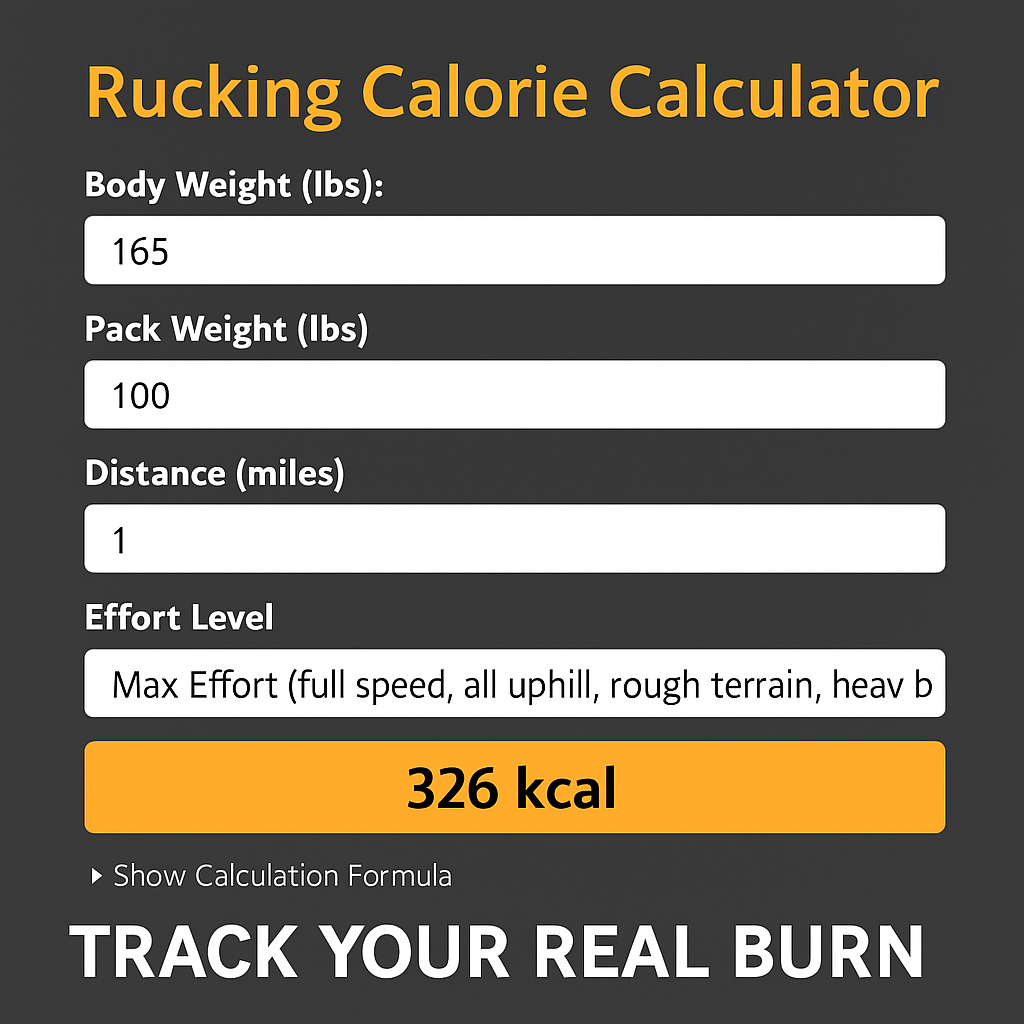
Plan your energy burn
Dial in expectations for calories burned based on your bodyweight, distance, pace, and carried load. Use this tool before long efforts or when adjusting nutrition:

Tip: track a few sessions with your watch, compare to the calculator, and adjust pace or weight to hit your weekly targets.
Recommended rucking vests for men
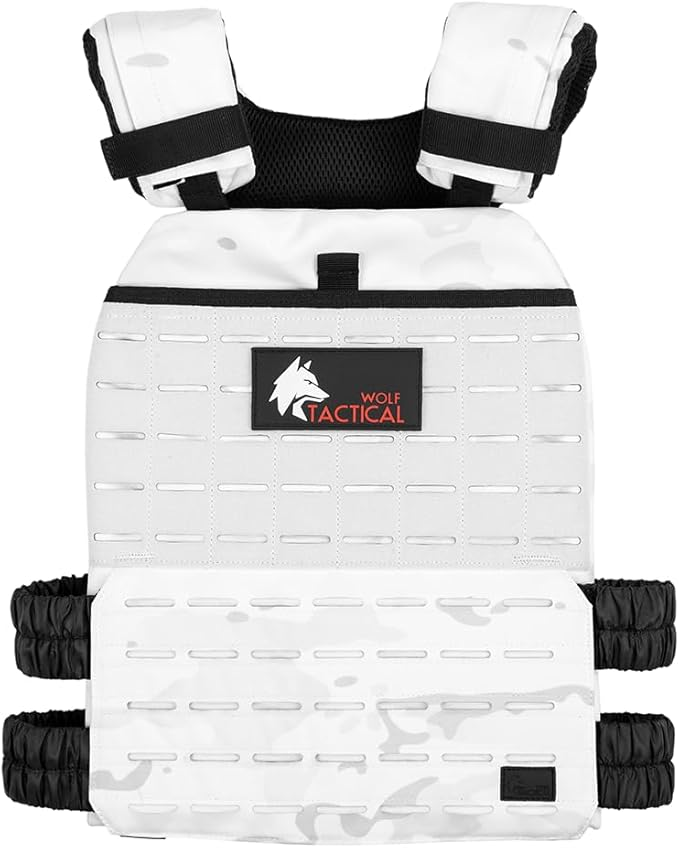
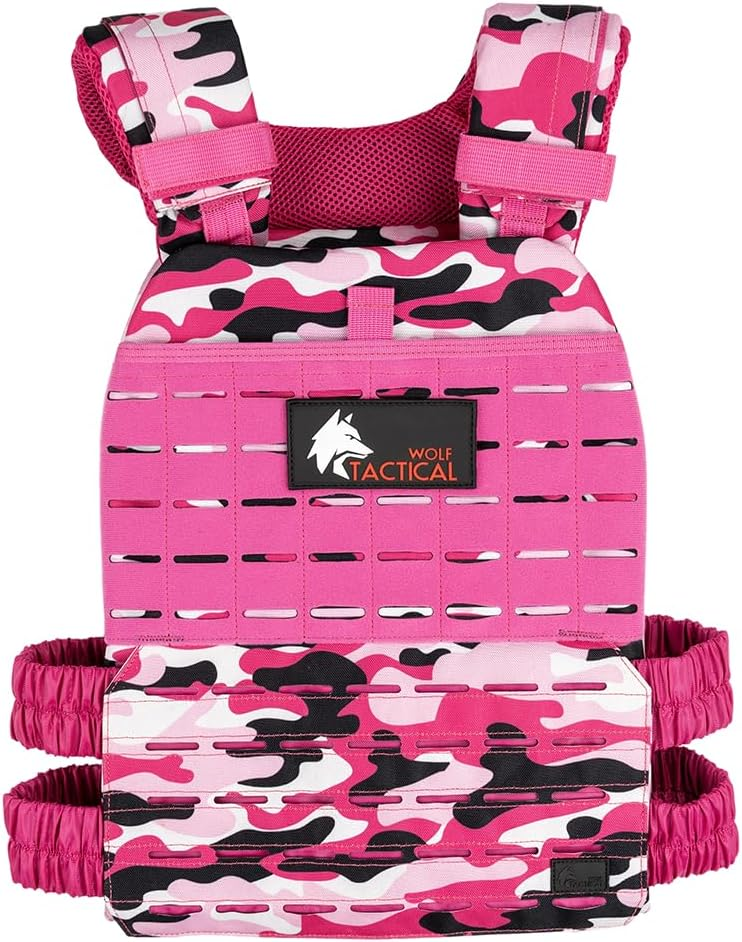
For all-around comfort and easy load tweaks, the Wolf Tactical Adjustable Weighted Vest is a solid everyday choice. The compact footprint rides high, and the adjustment system fits a wide range of men’s chest sizes without bounce.

If you prefer a plate-style system with excellent airflow and durability, the 5.11 TacTec Trainer Weight Vest combines strong materials with smart ventilation so you can move fast without hot spots.

Safety, comfort, and progression
- Footwear: Choose cushioned, grippy shoes or light hikers. Replace worn midsoles to protect knees.
- Posture cues: Tall chest, ribs down, eyes forward. Keep arms relaxed; avoid shrugging into the straps.
- Terrain: Start flat. Add gentle hills before trails. Limit stairs and uneven surfaces until your ankles adapt.
- Hydration: For sessions over 45 minutes or in heat, sip regularly and add electrolytes as needed.
- Progress: Add only one variable at a time—distance, pace, or load. Quality over ego.
- Recovery: Sleep, protein, and light mobility work keep shins and calves happy.
Bottom line: a well-fitted rucking vest helps men build conditioning and drop body fat without beating up joints. Start lighter than you think, move well, and progress patiently—the strength and stamina will follow.