Why a dedicated weight vest matters for calisthenics
Adding external weight to bodyweight work accelerates strength and hypertrophy if you keep movement quality high. For calisthenics, the best weight vest balances secure loading, full range of motion, and durable construction so pull-ups, dips, pistol squats, and muscle-ups stay fluid.
Key features to prioritize
- Fit and stability — the vest must sit tight without shifting during dynamic reps.
- Range of motion — look for a low-profile design that doesn’t block shoulder or hip mobility.
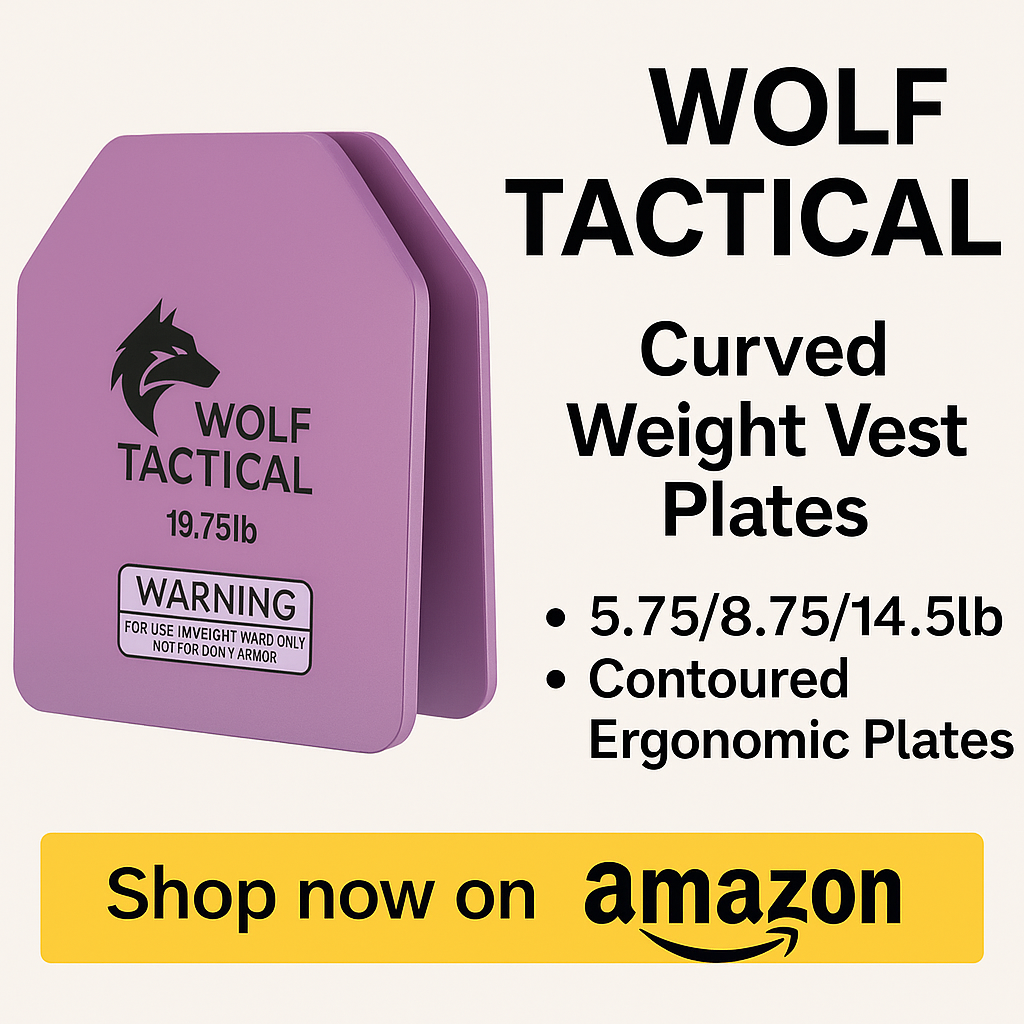
- Progressive load options — plates or modular weights so you can add small increments.
- Durability and comfort — reinforced stitching, breathable lining, and proper padding.
- Weight distribution — even distribution across the torso minimizes torque on the spine and shoulders.
Top picks for calisthenics (what I recommend)
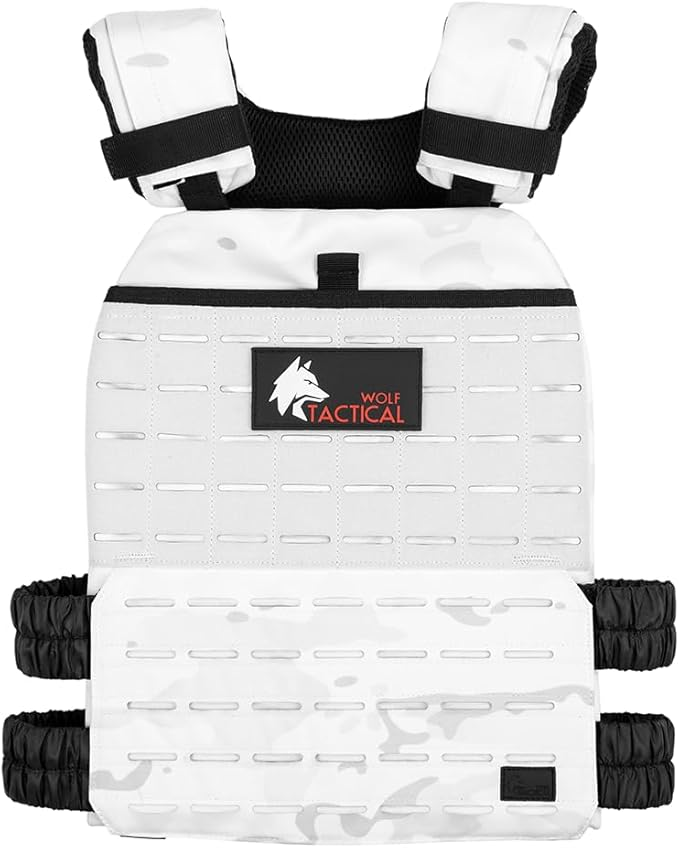
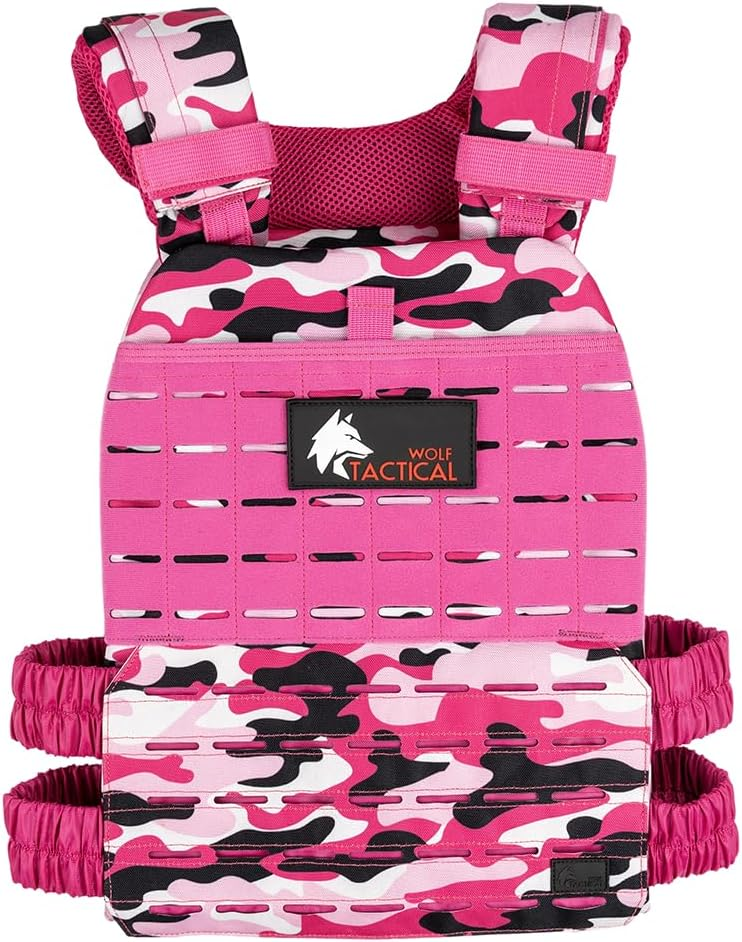
For heavy calisthenics and progressive loading, the Kensui EZ-VEST MAX V2 stands out because it supports very high loads while maintaining a slim profile. If you want something lighter and more versatile for tempo work or high-rep sets, the WOLF TACTICAL Simple Weighted Vest is a solid, comfortable daily option.
Kensui EZ-VEST® MAX V2 is built for heavy titration—use it when you’re ready to chase weighted muscle-ups and high-tension holds.

WOLF TACTICAL Simple Weighted Vest is breathable, easier to wear for long sessions, and better for mobility-focused training where you still want added resistance.

Programming and progression
Start with a conservative load—5% of bodyweight is adequate for most beginners doing compound calisthenics. Track reps and add 2.5–5 lb increments when you can complete your target sets with strict form. Typical progressions:
- Strength: 3–6 reps per set, 3–5 sets, heavier vest (Kensui).
- Hybrid endurance: 8–15 reps, 3–4 sets, moderate vest (Wolf Tactical).
- Metcon/body composition: circuit-style with lighter vest, higher reps.
Real results, practical advice
As someone who trains outdoors and programs weighted calisthenics regularly, I emphasize movement quality and gradual loading. Preston Shamblen lost 90 lbs through rucking, weighted-vest training, and disciplined nutrition, and he still recommends weighted vests as one of the most reliable ways to maintain a lower body weight and burn fat consistently.

Estimate calorie burn for your weighted calisthenics
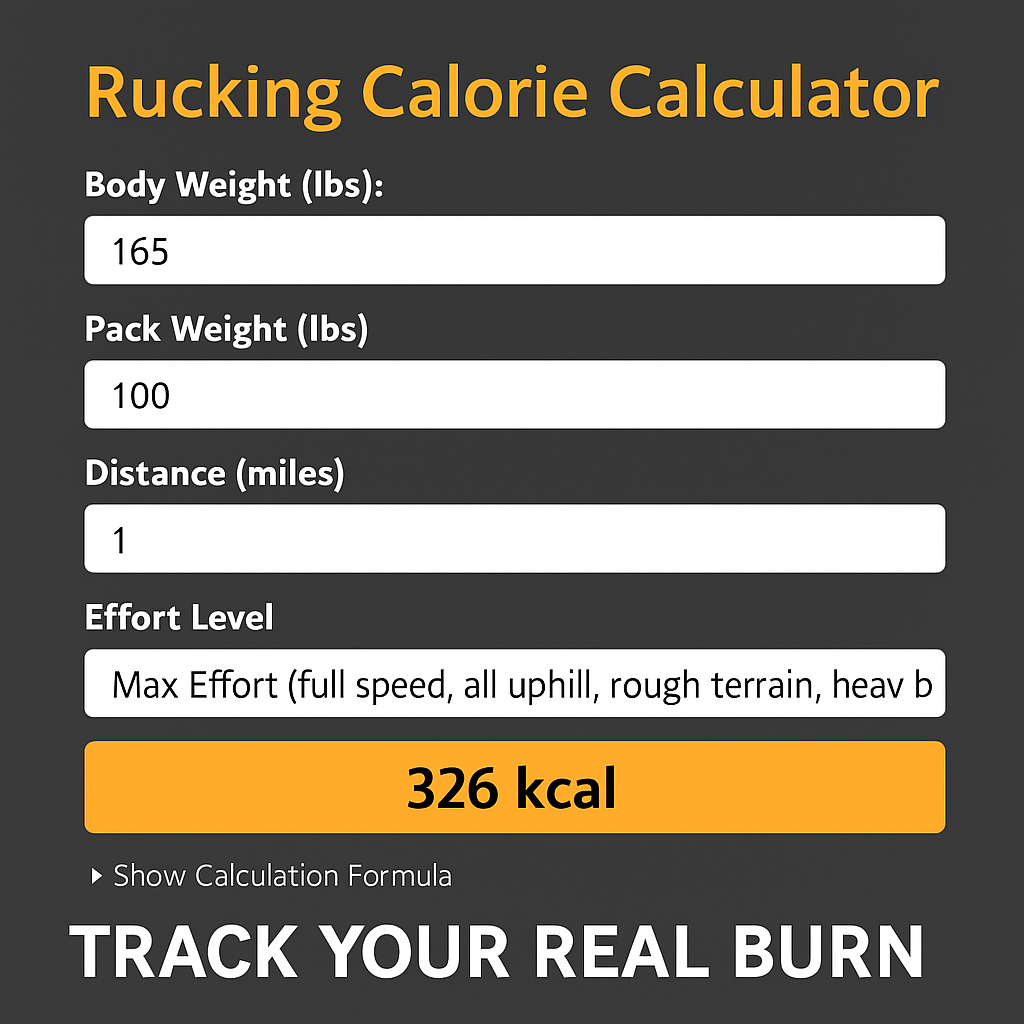
Use this calculator to estimate how many calories you burn while doing weighted calisthenics sessions. It’s useful for programming sessions and matching nutrition to goals.

Click the calculator above to enter your weight, vest load, and session duration to get an estimated calorie burn for planning recovery and progress.
Final takeaways
Choose a vest that matches your goal. If you want maximum loading for low-rep strength gains, choose the Kensui EZ-VEST MAX V2. If mobility, comfort, and longer sessions are your priority, the WOLF TACTICAL Simple Weighted Vest is a practical daily driver. Prioritize fit and incremental loading—rigid progression wins over flashy features every time.