As an Amazon Associate I earn from qualifying purchases.
RUNmax weighted vest: check the specific version
RUNmax listings cover different capacities and shoulder-pad options. The RUNmax Pro listing from Weight Vest Deals includes removable weights, a device pocket, and a bottle holder. The store identifies itself as Mir Vest and lists support through mirweightedvest.com.

Capacity and included weights
The Pro listing says the 12–60 lb models have a maximum capacity equal to the weight purchased. Do not read an empty pocket or another RUNmax listing’s larger number as permission to overload your version. Confirm the supplied insert weight and approved arrangement in its instructions.
- Check whether shoulder pads are included or a separate option.
- Remove and replace only the intended weights, keeping the prescribed balance.
- Close every pocket and adjust the waist fastening before moving.
- Weigh the complete setup when tracking a specific workout load.
Fit and first use
Try the vest empty, then with a manageable configuration. Take a full breath, walk, and squat slowly. Check the lower edge, shoulder pressure, and pocket movement. The right adjustment should not require forcing painful strap tension.
Start with a brief, easy session and a load you can control. Repeat it comfortably before changing one variable: weight, time, pace, or terrain. Stop for pain, numbness, dizziness, or unusual breathlessness. Get individual guidance if an injury or medical condition affects loaded exercise.
Plate-loaded alternatives
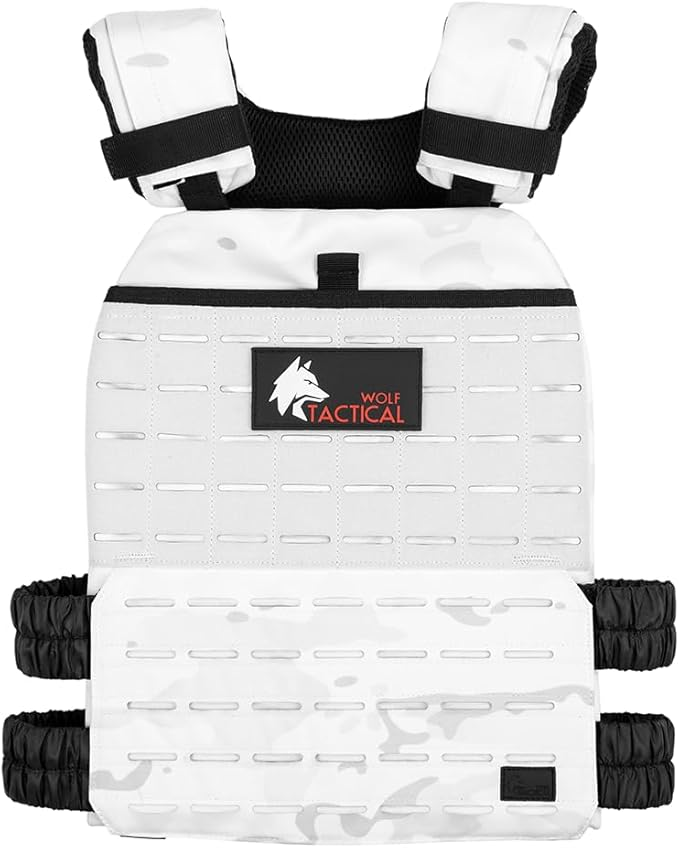
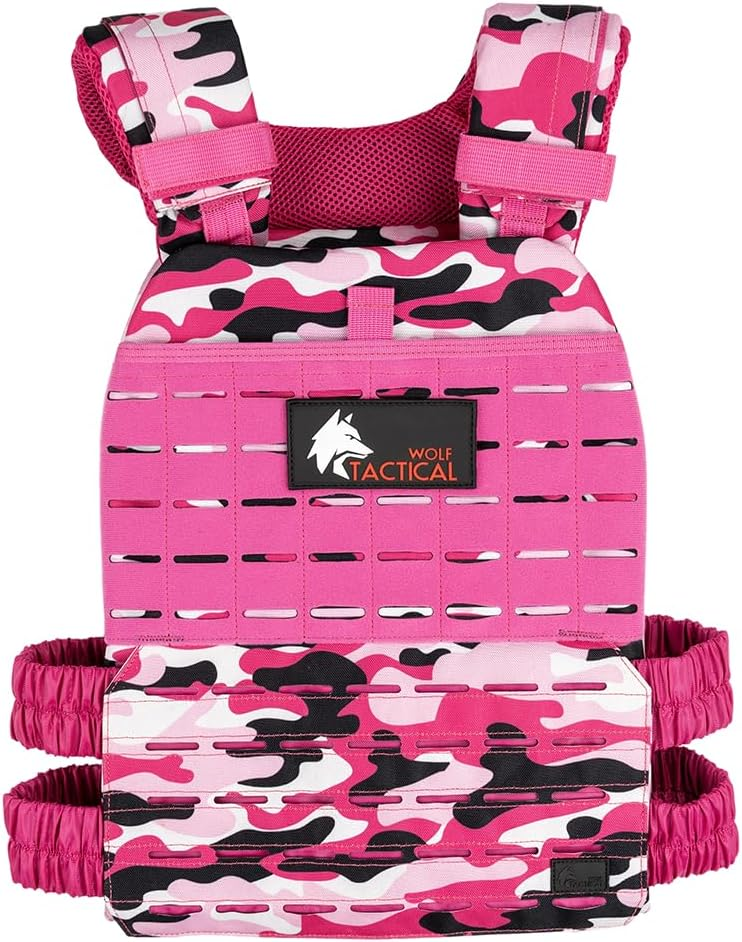
The Wolf Tactical Adjustable Weighted Vest uses front-and-back plate pockets. Compare its plate-pair steps with RUNmax’s removable inserts.

The 5.11 TacTec Trainer Weight Vest offers another fit and loading system. Check its compatible inserts and complete cost rather than assuming every plate carrier is less bulky or more comfortable.

Track your weighted walks
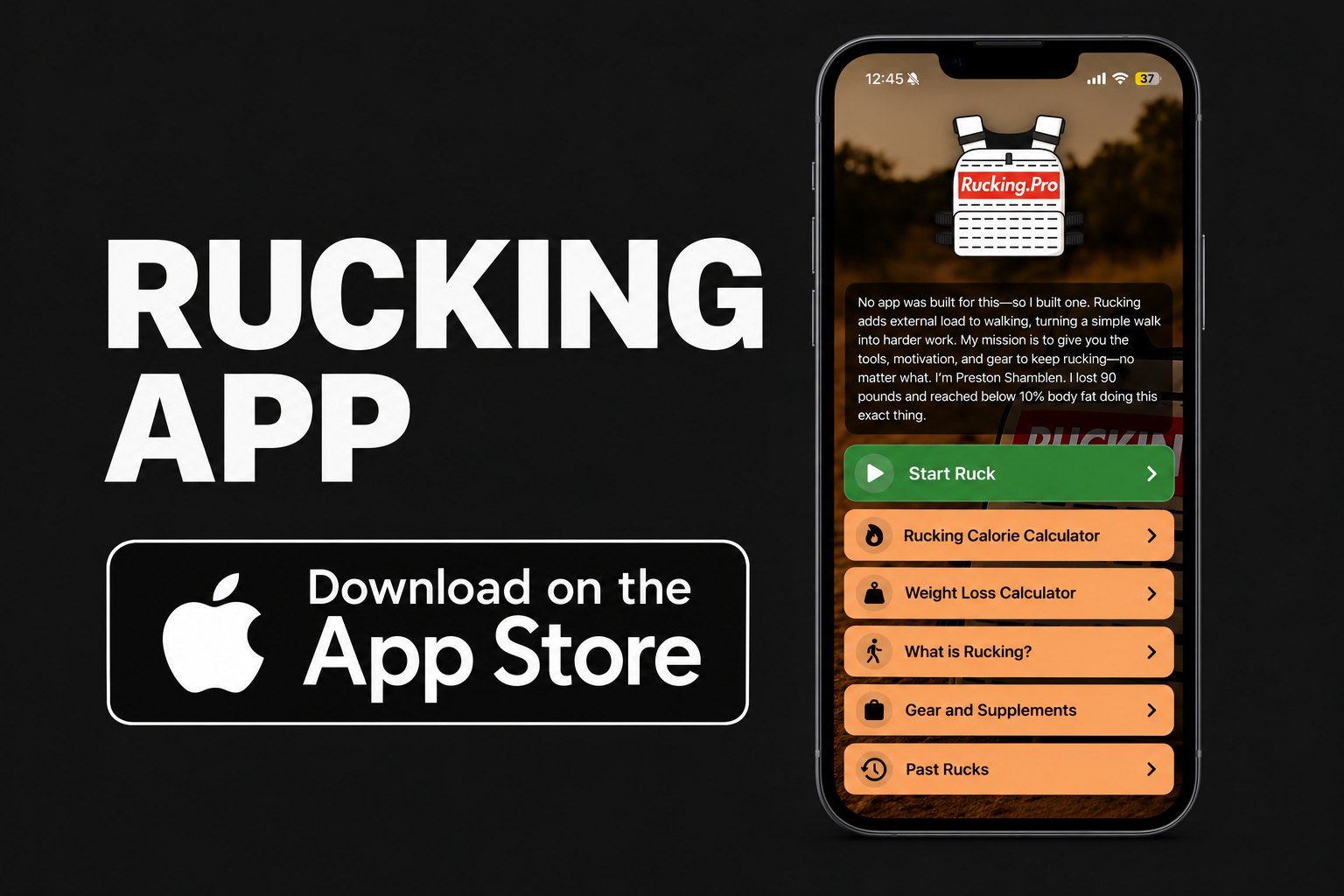
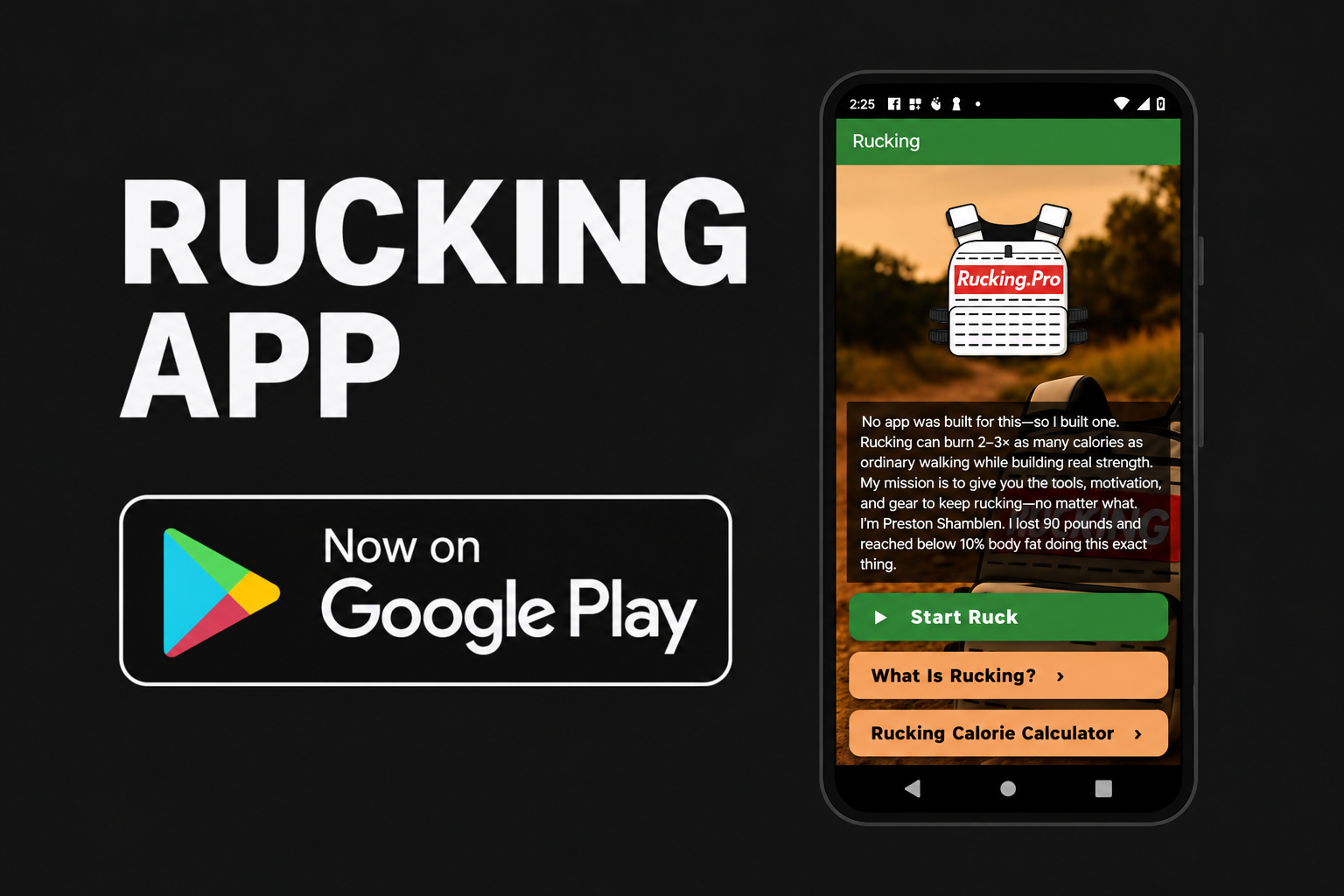
In the Rucking App, choose weighted vest or backpack, enter your complete carried load, and tap Start Ruck. Record GPS distance, time, pace, and estimated calories, then compare repeat sessions.


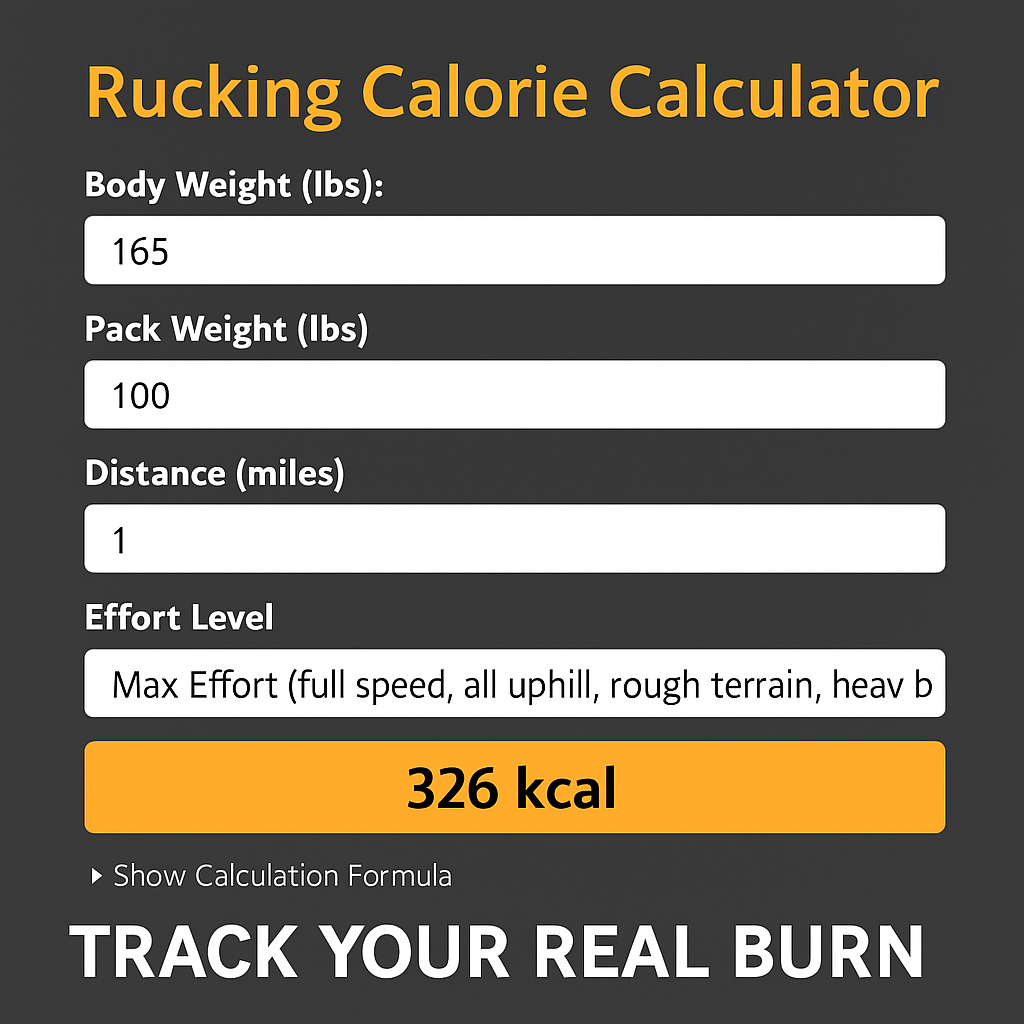
For a manual estimate, use the Rucking Calorie Calculator. Calorie estimates help compare walks; use your effort, movement, and recovery to decide how to progress. See the app guide for current features.