Why curved weight vest plates matter
Curved weight vest plates are a small detail with a big impact. When you add load to a vest, how that weight conforms to your body determines comfort, stability, and how long you can train without chafing or shifting. Curved plates follow the natural contour of the chest and back, reducing pressure points and helping a vest sit lower on the torso instead of sliding up toward the collarbone.
Who benefits most from curved plates?
Curved plates are especially useful for ruckers, runners using weighted vests, and anyone who trains repeatedly with load. If you’re walking long distances, doing circuits, or layering heavy plates for calisthenics, the curvature improves balance and breathing. For smaller frames or highly mobile athletes, curved plates reduce movement of the weight and allow fuller range of motion.
Fit, spacing, and stacking: practical considerations
Not all curved plates are identical. You want plates that match the vest’s internal pocket shape and thickness so they don’t create lumps. Key points to check:
- Edge profile: rounded edges reduce abrasion against fabric and skin.
- Thickness: thinner plates are easier to stack and allow more flexibility; thicker plates increase bulk.
- Pocket fit: a snug pocket prevents plates from sliding and keeps the center of mass close to your body.
Curved vs flat plates: tradeoffs
Flat plates are simpler and sometimes cheaper, but they can create pressure spots and a stiffer fit. Curved plates cost a little more and can be harder to find in specific weight increments, but they make the vest feel like part of your body. For long outdoor sessions, I prioritize curved plates to minimize movement and maximize comfort.
How to choose curved plates for your training goals
Start by defining what you want to do with the vest: long-distance rucking, interval circuits, or weighted calisthenics. Then pick a plate system that matches the vest’s capacity. For most people, 10–45 lb plates that fit evenly on the front and back work well. If you plan to add incremental weight, choose plates available in pairs so load stays balanced.

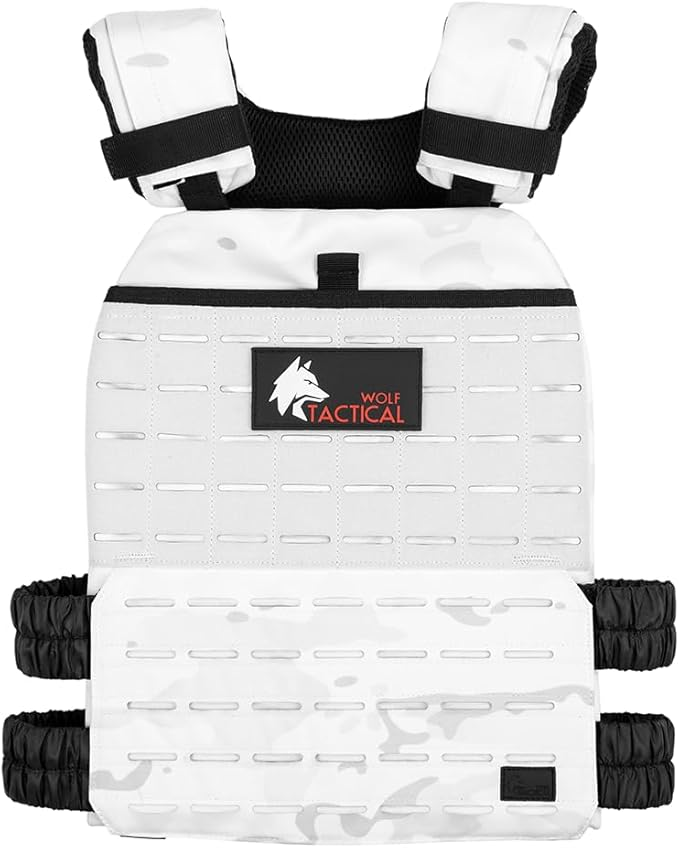
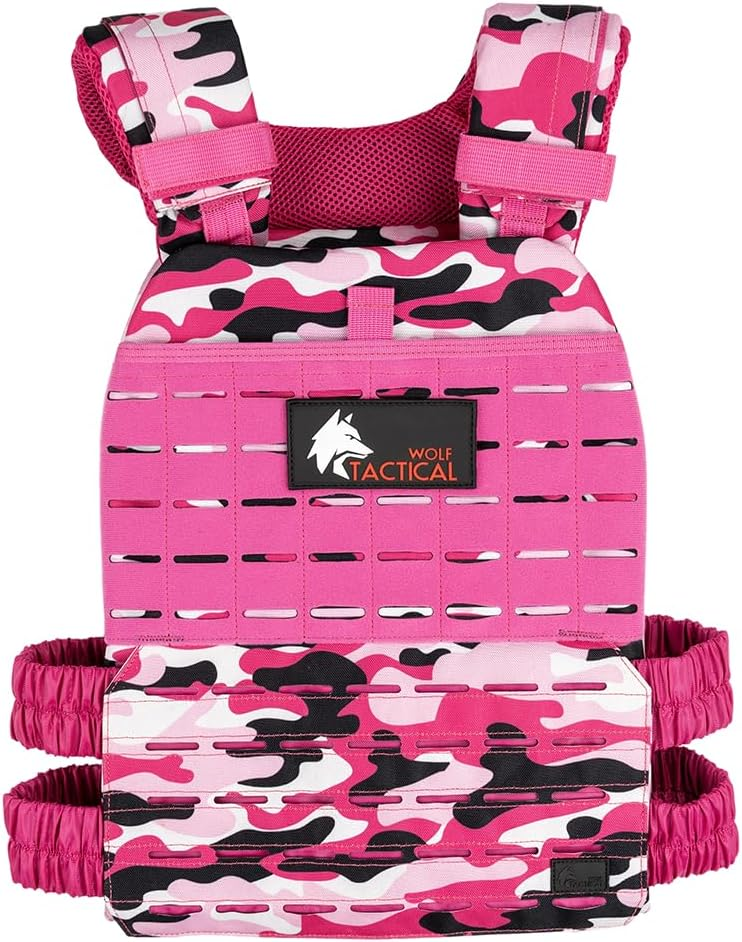
Check out the Wolf Tactical Weight Vest Plates for a reliable set of curved plates designed for adjustable vests and rucking-style training.
Practical tips for using curved plates
- Start light and build slowly — your joints and posture adapt to load over weeks, not days.
- Place plates to keep the load centered on your torso; uneven stacking will torque your spine.
- Wear a base layer to prevent chafing where plates sit against skin.
- Test a short session with new plates before committing to a long ruck or intense circuit.
Quick tool: estimate calorie burn for weighted walks
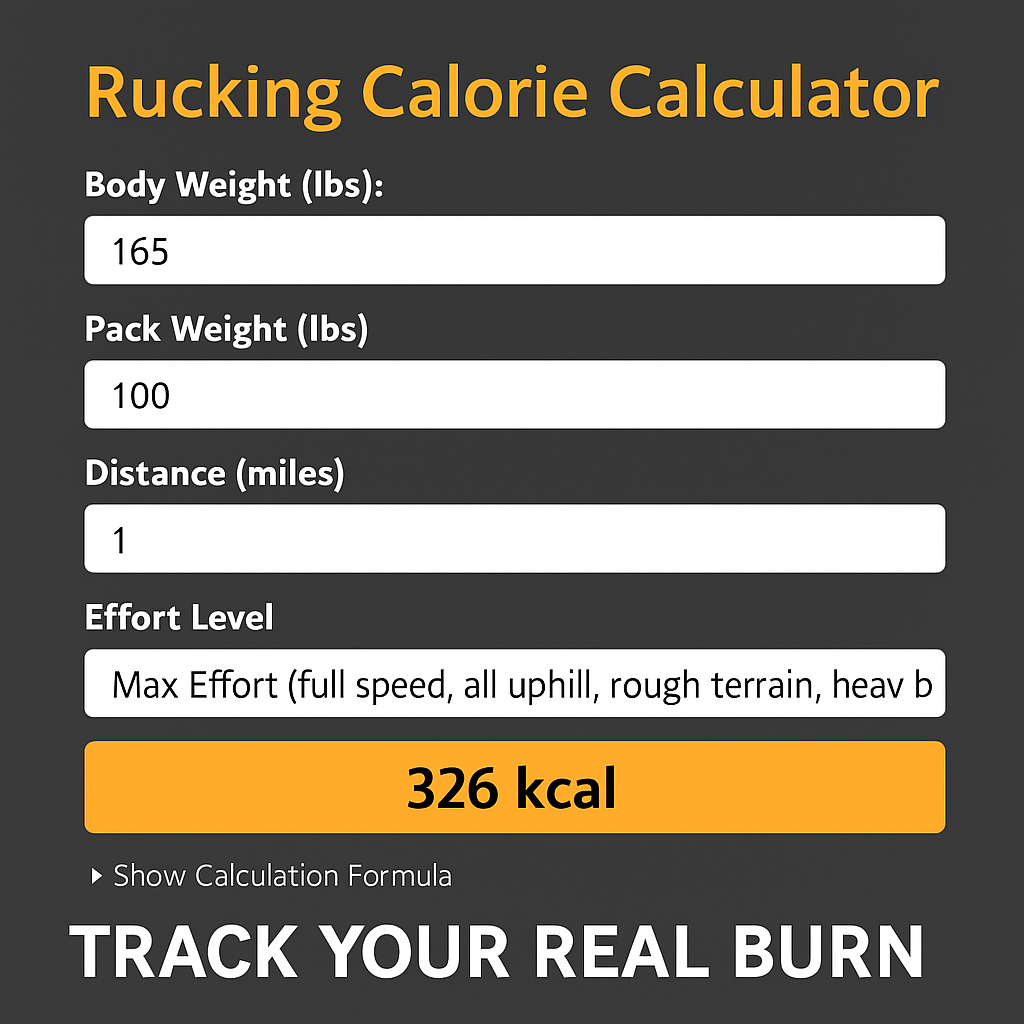
Curved plates affect comfort and duration, which in turn changes total calorie burn. Use the rucking calorie calculator to estimate how many calories you’ll burn with your vest and load. Click the screenshot below to open the calculator and run numbers for your bodyweight, pace, and carried load.

Final thought from the field
Curved weight vest plates are one of those gear choices that pays dividends in comfort and consistency. In my experience as an ISSA-certified trainer and through my own weight-loss journey, a vest that sits right keeps you training longer and with better form. Prioritize fit first, then weight increments. If you plan long rucks, stack paired curved plates and keep your load centered — your back will thank you.