Why curved weight vest plates matter
Curved weight vest plates have a different shape from flat plates, but curvature alone does not establish comfort or compatibility. Check the exact plate and carrier together rather than assuming the shape will prevent pressure or movement.
Fit and spacing: practical considerations
Not all curved plates are identical. Compare the plate’s dimensions, thickness and shape with the carrier’s approved inserts. Key points to check:
- Edge profile: inspect edges and coating for damage before loading the carrier.
- Pocket fit: confirm full closure and secure retention according to the carrier’s instructions; a snug-looking pocket alone does not establish compatibility.
Curved vs flat plates: tradeoffs
Compare flat and curved plates by their exact dimensions, approved carriers, available increments and current package price. Neither shape guarantees a better fit for every person. Check the loaded carrier’s position and any pressure or shifting rather than assuming curved plates will be more comfortable.
How to choose curved plates for your training goals
Start by defining what you want to do with the vest: long-distance rucking, interval circuits, or weighted calisthenics. Then pick a plate system that matches the vest’s capacity. If you plan to add incremental weight, choose plates available in pairs so load stays balanced.

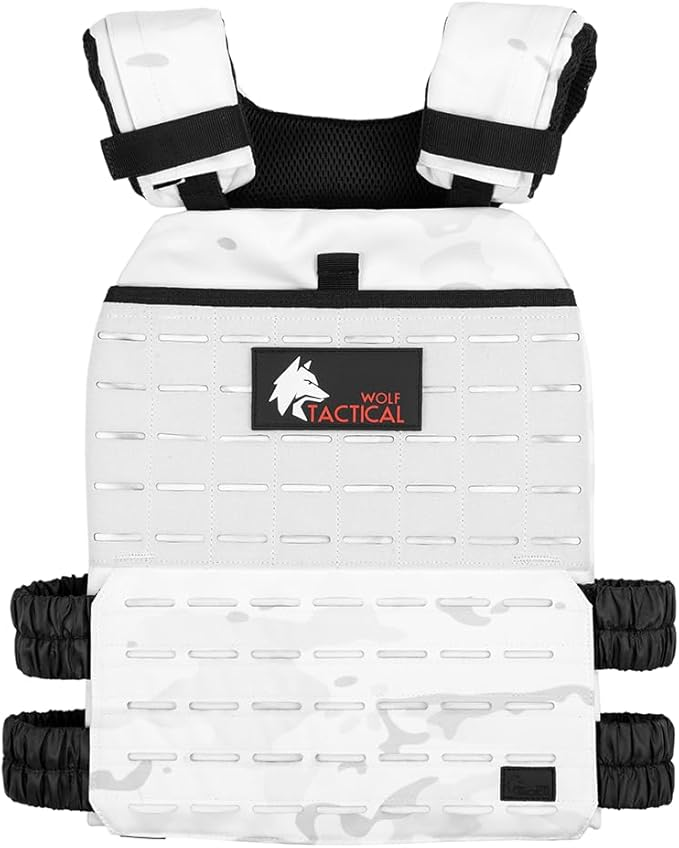
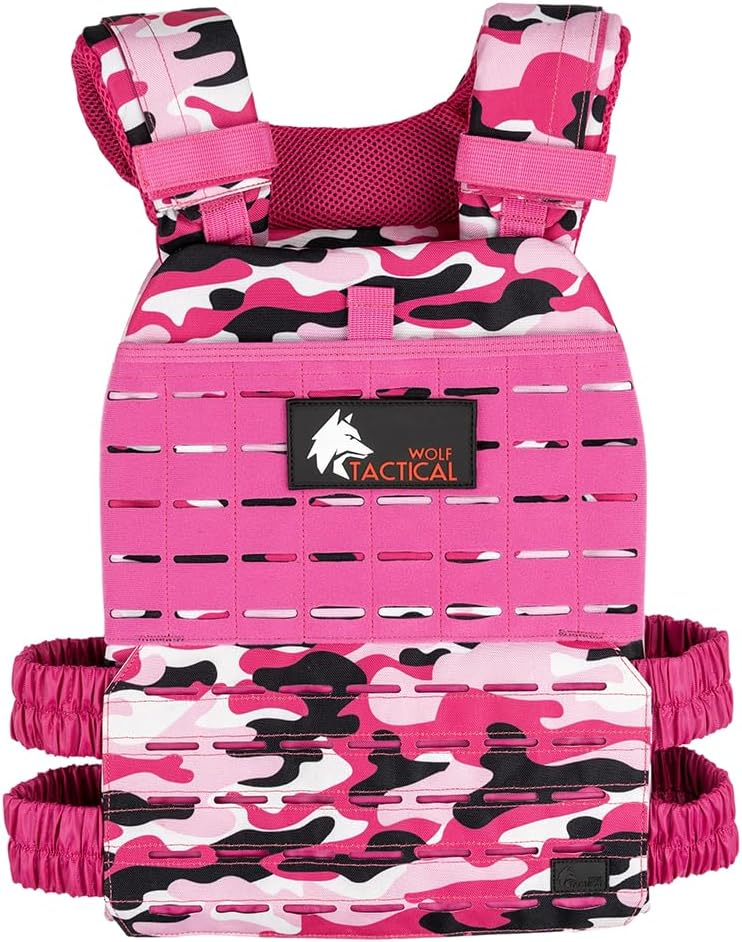
Compare the Wolf Tactical Weight Vest Plates with your carrier’s approved insert specifications. The product reference does not establish that these plates are curved or compatible with every adjustable vest.
Practical tips for using curved plates
- Test a short session with new plates before committing to a long ruck or intense circuit.
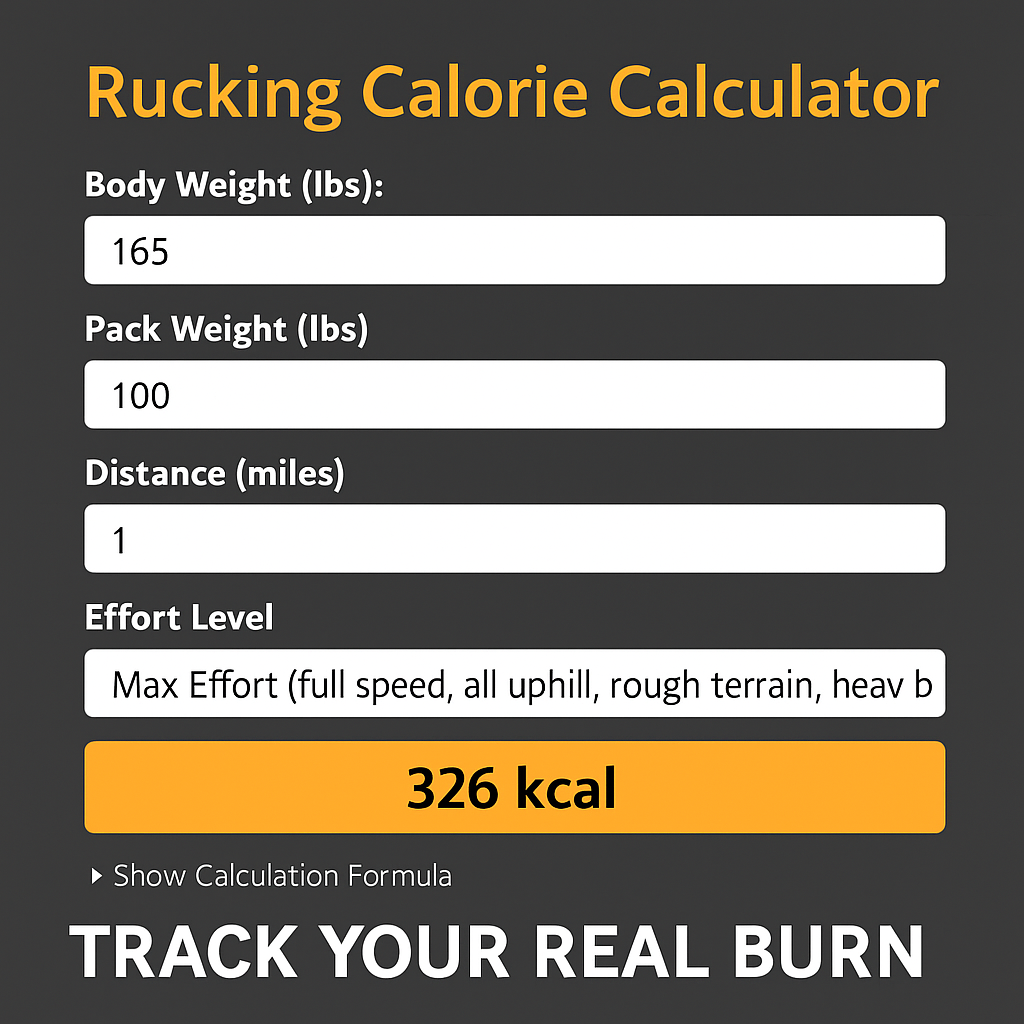
Quick tool: estimate calorie burn for weighted walks
Use the rucking calorie calculator to estimate how many calories you’ll burn with your vest and load. Click the screenshot below to open the calculator and run numbers for your bodyweight, pace, and carried load.