Does wearing a weighted vest burn more calories?
Short answer: yes — wearing a weighted vest increases calorie burn versus the same movement without extra load. The increase isn’t magic; it’s predictable physics and physiology: you move more mass against gravity, your muscles work harder, and your heart rate rises. That adds up to more kcal per minute during walking, hiking, rucking, and bodyweight circuits.
How weighted vests increase calorie burn
There are three simple mechanisms at work:
- Higher energy demand: Carrying extra weight requires more mechanical work to move your body and maintain posture, which increases metabolic cost.
- Elevated heart rate: A higher steady-state heart rate for the same pace means more oxygen consumption and calories burned over time.
- Greater muscle recruitment: Core, hips, and posterior chain work harder under load, which boosts post-exercise oxygen consumption (EPOC) slightly.
Practical numbers you can expect
How much more depends on body weight, vest weight, speed, terrain, and fitness. A general rule of thumb: adding 10% of your body weight increases energy cost by roughly 5–10% for walking; heavier loads or steeper hills push that higher. Short example: a 150 lb person walking 3 mph burns ~280 kcal/hour unweighted. Add a 15 lb vest (10%), and you might burn 300–320 kcal/hour — more on hills or with faster pace.
How to estimate your extra burn (use this calculator)
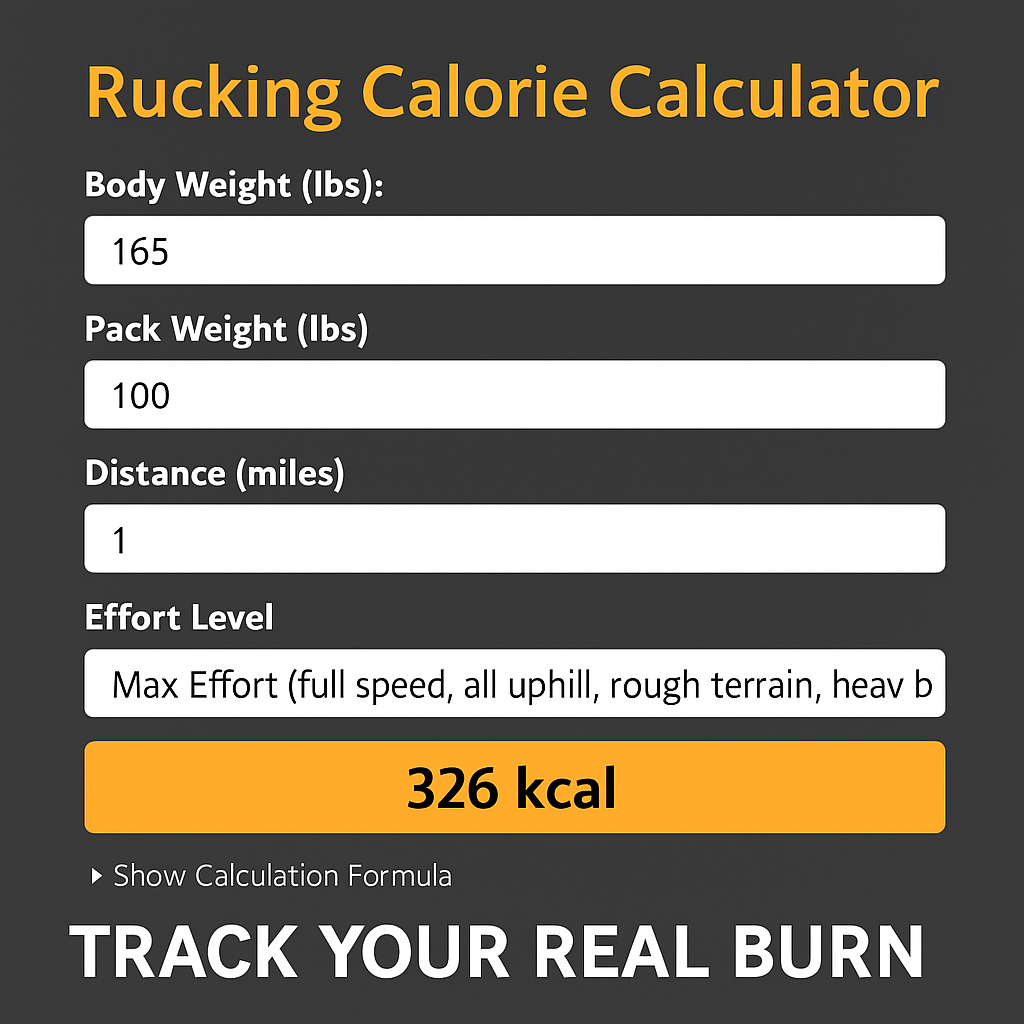
To get personalized numbers, use the rucking calorie calculator below. Enter your body weight, vest or pack weight, pace, and distance; it gives a realistic calorie estimate for weighted walking and rucks.

That calculator is the single most useful tool to move from guesswork to reliable training numbers when you want to plan fat loss or performance rucks.
How to use a vest safely to maximize calories burned
- Progress slowly: start with 5–10% bodyweight for walking and add 5 lb every 1–2 weeks as your joints and gait adapt.
- Keep pace consistent: a faster, steady walk with a lighter vest often burns more than a slow shuffle with a heavy vest.
- Use terrain: hills and uneven ground multiply the metabolic effect of added weight.
- Mix workouts: run bodyweight circuits and add weighted-vest walks for daily calorie volume without over-stressing joints.
Vest and pack recommendations
For everyday calorie-focused work that still prioritizes comfort, a low-profile vest works best; for long-distance rucks, a sturdy ruck like a GORUCK Rucker performs better because it carries load and gear more efficiently.
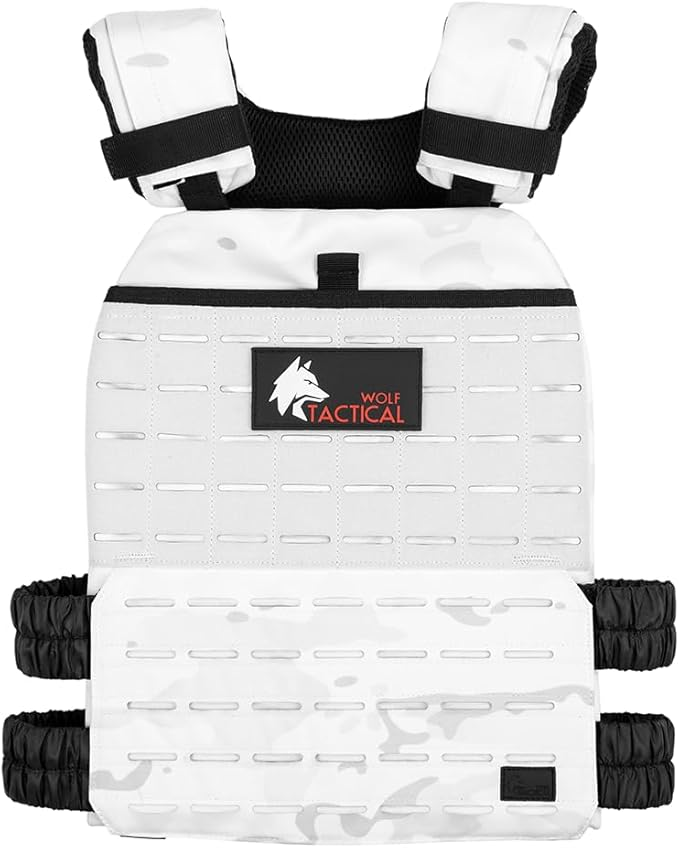
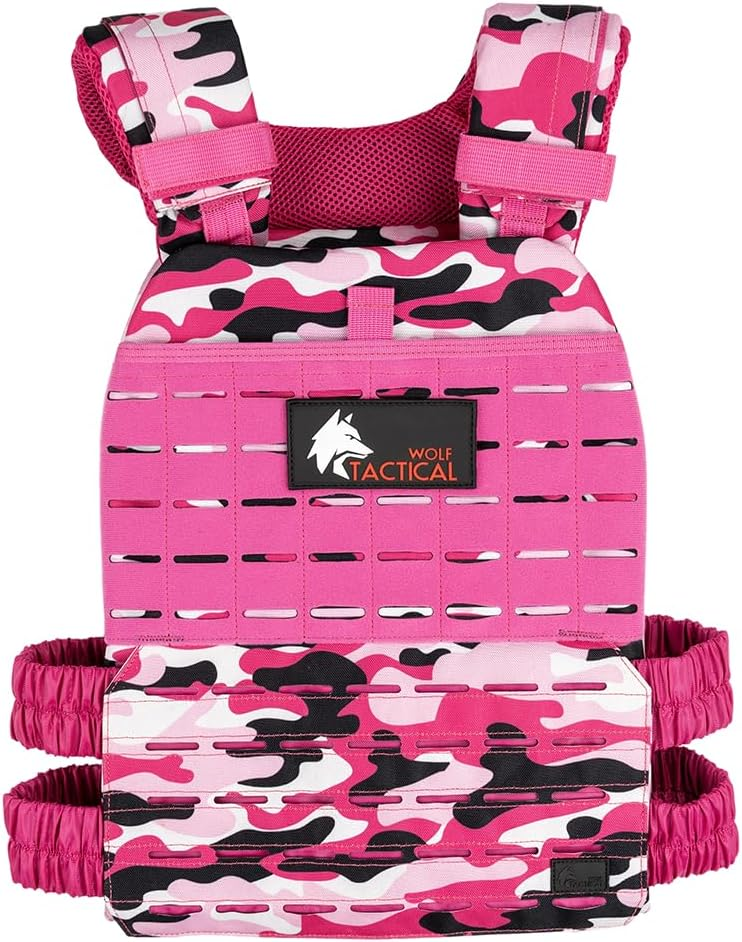
For comfort and simple weighted walking, consider the WOLF TACTICAL Simple Weighted Vest (Men/Women). For longer rucks that mix gear and weight, a structured pack like the GORUCK Rucker 4.0 20L handles load and terrain better.


Putting it into a training plan
To use a vest for fat loss or conditioning, prioritize consistency. Twice-weekly 45–90 minute weighted walks plus two strength sessions produces steady weekly calorie expenditure without excessive wear on joints. Use the calculator above to set weekly targets and track progress.
Weighted vests are a reliable, low-tech way to raise your daily calorie burn. Done sensibly, they amplify walking and rucking without requiring extra gym time — simply carry the load, increase distance or intensity, and use a calculator to keep the math honest.