Affiliate disclosure: This article contains affiliate links. We may earn a commission if you purchase through them.
Know the official CPAT load
The Candidate Physical Ability Test is a standardized eight-event test. IAFF guidance specifies a 50 lb vest throughout, with another 25 lb for the stair climb. The stair load is therefore 75 lb in total. Those are test requirements, not a starting prescription for an untrained candidate.
Stair climb and timing
The IAFF/IAFC CPAT manual sets a maximum total test time of 10 minutes 20 seconds. The stair event has a 20-second warm-up at 50 steps per minute, followed by 3 timed minutes at 60 steps per minute. The extra shoulder weights are removed afterward. Learn the permitted handrail contact and failure rules at your testing center.
Build preparation around the testing center
Ask your licensed provider about orientation, practice sessions, current equipment, and its candidate preparation guide. Working with the actual props and a qualified instructor is more specific than turning every walk into a heavy vest workout.
- Learn the sequence, transitions, and technique before trying to improve speed.
- Establish the loaded work you currently tolerate rather than following an automatic six-week percentage ladder.
- Keep a record of practice load, cadence, event completion, and recovery.
- Plan demanding simulations with the provider or coach; do not improvise unsupported shoulder weights on a stair machine.
Practice the whole test
Stairs are only one part. Preparation also needs the hose drag, equipment carry, ladder raise and extension, forcible entry, search, rescue, and ceiling breach and pull. A personal vest cannot reproduce those props or their judging standards.
Choosing equipment for preparation
Verify supported load, secure retention, and fit for each training activity. A product called a tactical vest is not automatically official CPAT equipment.
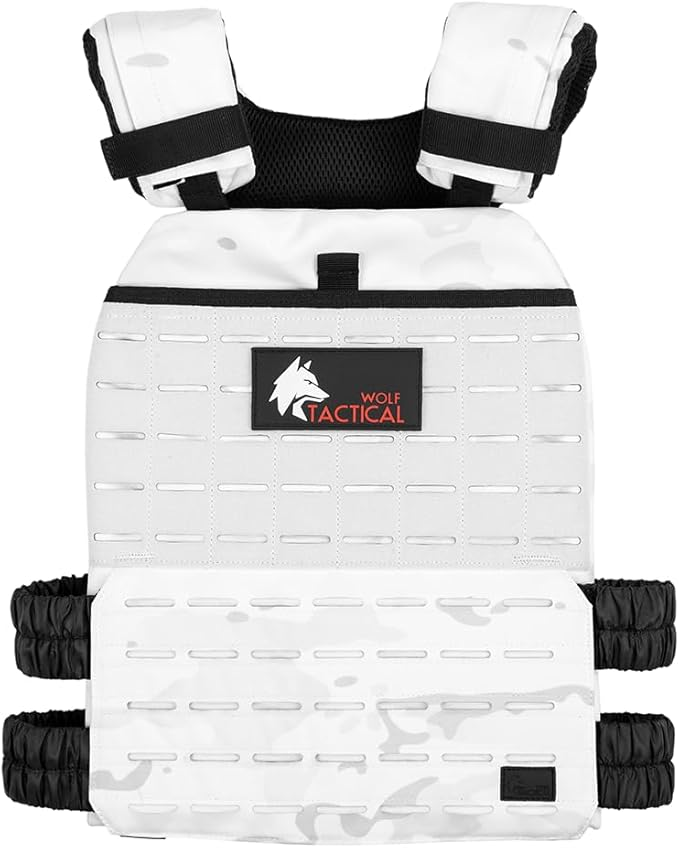
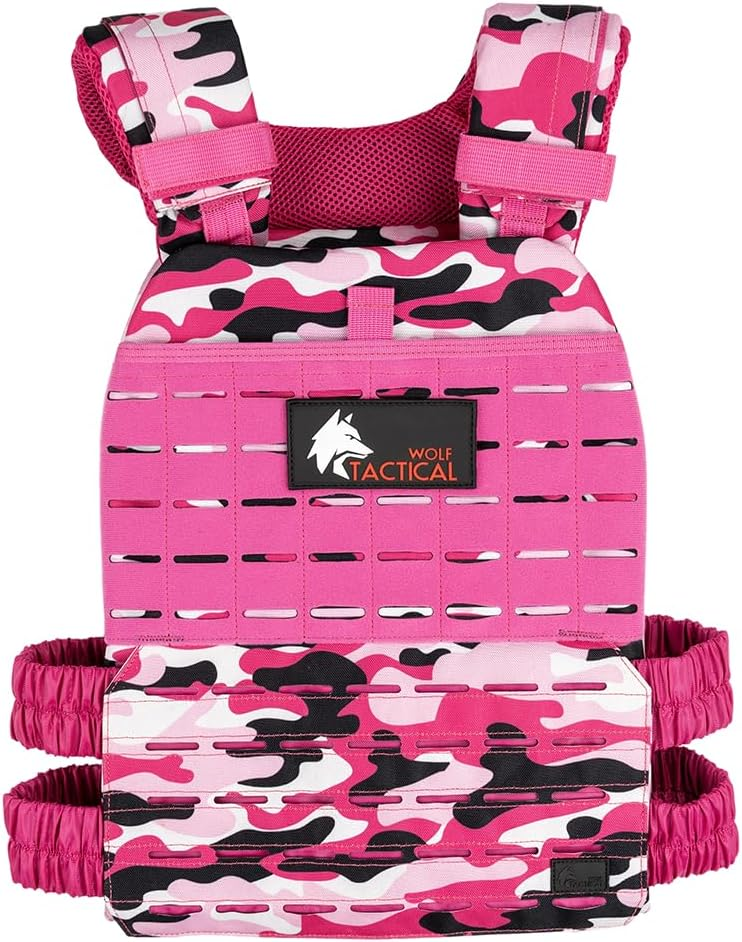
The Wolf Tactical Simple Weighted Vest can be compared for lighter general conditioning. Wolf’s current specifications list a maximum of 15 lb per pocket and matched configurations up to about 31 lb including the shell. That current model does not reproduce the CPAT’s 50 lb base load. The linked retailer’s exact version also needs checking; do not assume a name or photo establishes test-load capacity, and never overload a vest to make up the difference.

Track performance rather than estimated calories
For CPAT preparation, useful measures are the load used, prescribed stair cadence, event technique, transitions, and completion of supervised practice. A calorie estimate cannot show whether you are ready for the test.
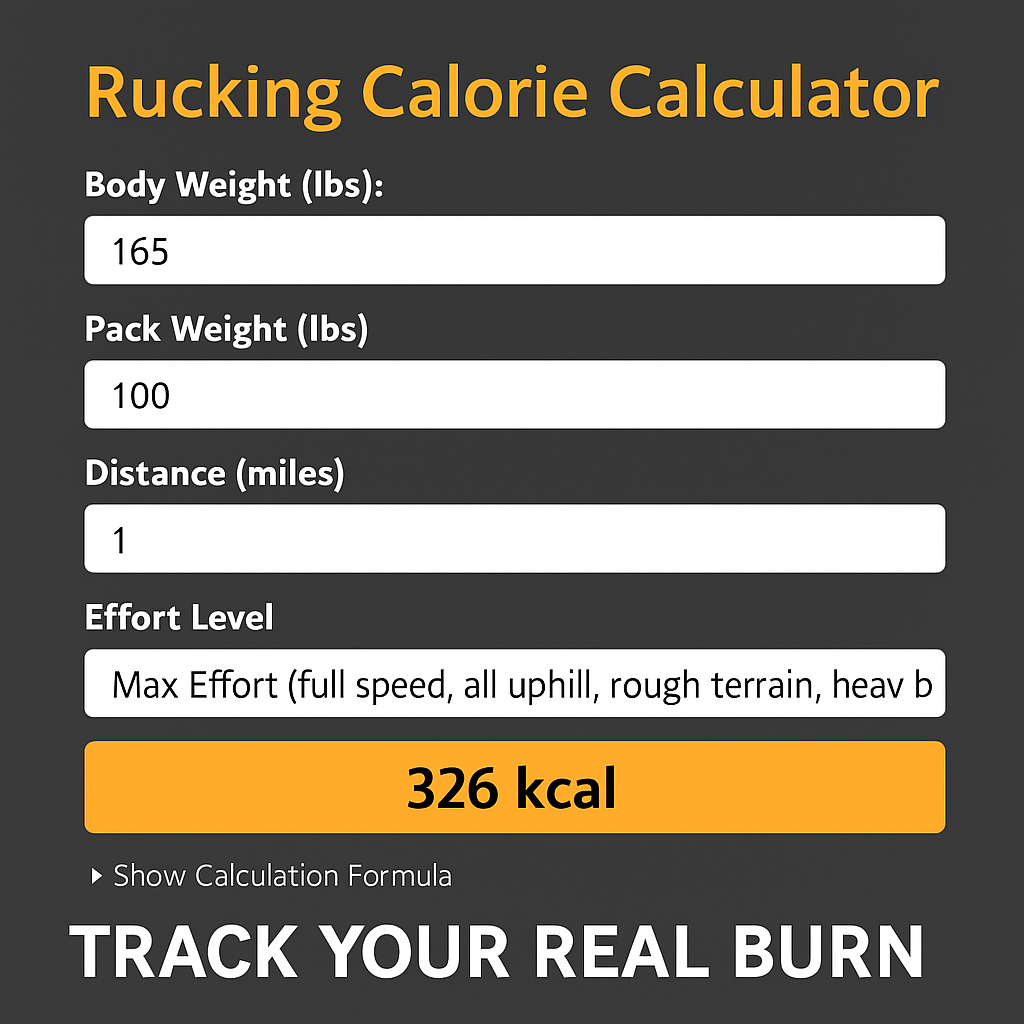
The weighted vest calorie calculator may be useful for a separate loaded walk, but it is not a CPAT scoring or workload model.
For phone-based tracking, see the Rucking app for iPhone and Android.
Before a loaded practice
- Use equipment approved for the task and load.
- Confirm that straps allow full breathing and the required movements.
- Keep access to a supervisor and a safe way to stop or remove the load.
- Stop for pain, dizziness, or loss of control, rather than trying to finish a timed effort.
Use the official candidate materials and your provider’s guidance to close gaps in preparation. Passing a personal vest workout is not equivalent to completing the official CPAT.