Affiliate disclosure: This article contains affiliate links. We may earn a commission if you purchase through them.
What the Gravity Fitness vest actually offers
The Gravity Fitness product page lists 10, 20, and 30 kg versions with removable solid metal weights, nylon construction, foam padding, and adjustable hook-and-loop straps. This is a pocketed weight system; do not assume generic ruck plates or barbell plates belong in its pockets.
Choose the version and usable load
Check the selected version, included weights, and the smallest adjustment it allows. A 20 kg label identifies a product configuration, not the load you need for a first walk. Use the supplied instructions to arrange the weights and secure every pocket.
Try the vest on a repeatable route
Begin with an easy flat walk and a manageable load. Keep the route close enough to home to stop or remove the vest if it rubs. Do not begin with a long hike simply because you already cover that distance without weight.
- Check full breathing, arm swing, and bending before leaving.
- Notice whether individual weights press into your ribs or the shell catches your hips.
- Record the load, time, and comfort rather than following a fixed percentage increase.
Fit it into your existing week
Replace part of an ordinary walk with the fit trial instead of adding several loaded sessions at once. Repeat a comfortable outing before changing duration, terrain, or weight. Keep familiar strength work unloaded while you learn how the vest fits, then assess each exercise separately.
Compare different ways to carry weight
The Gravity vest’s short shell may suit some movements, but its adjustability does not guarantee a fit for every torso. Compare how each option sits over the clothes you actually wear.

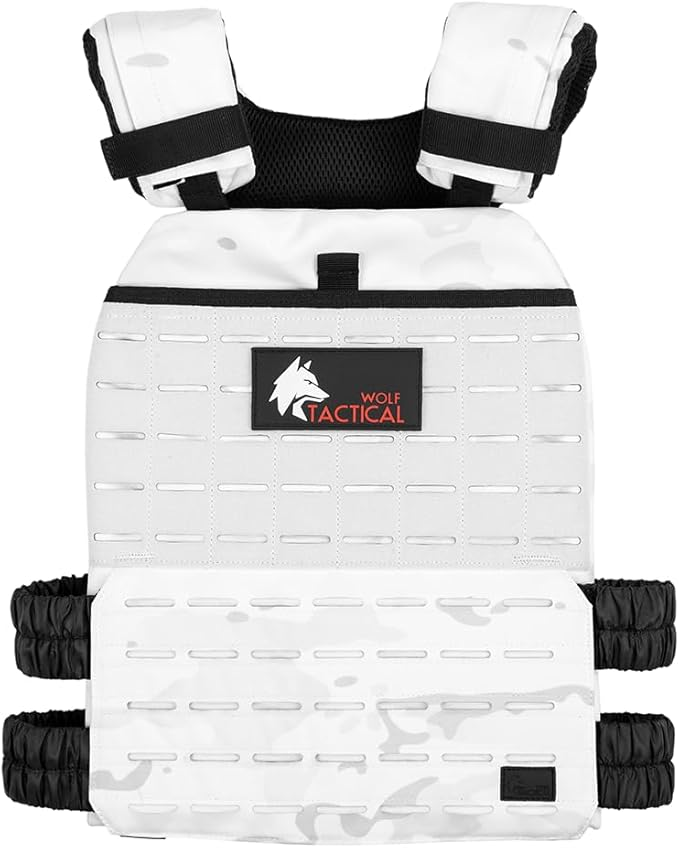
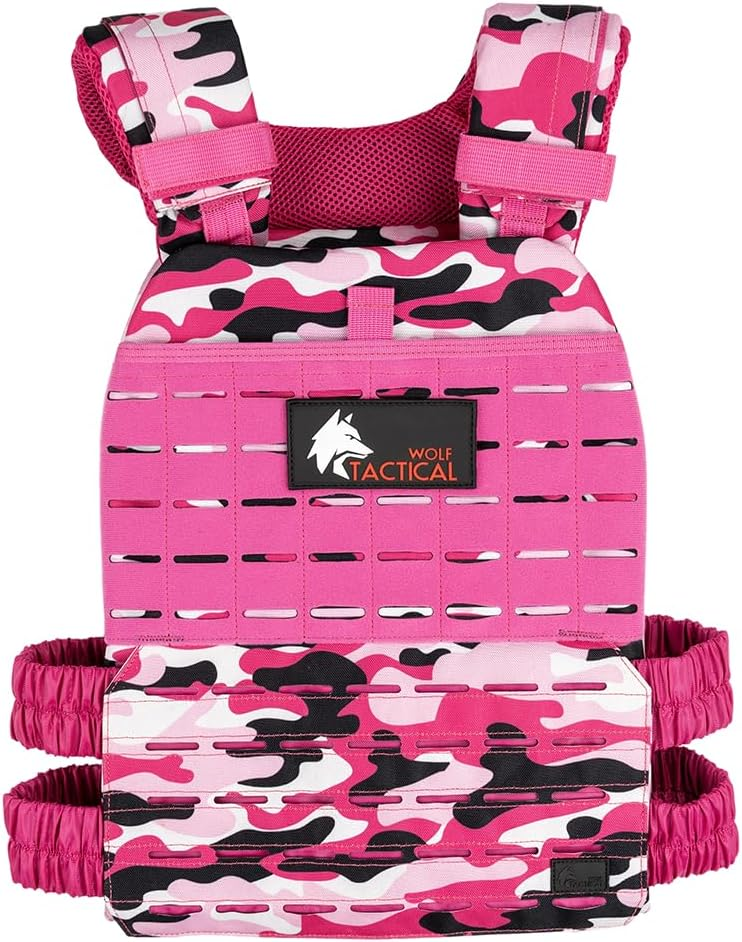
The WOLF TACTICAL Simple Weighted Vest is a different system. Confirm the exact version, approved inserts, and whether weights are included.

The GORUCK Rucker 4.0 is a backpack alternative when carrying supplies matters. A backpack is not an obligatory upgrade from a vest; choose based on what the outing requires and how the complete load feels.
Log the walk first
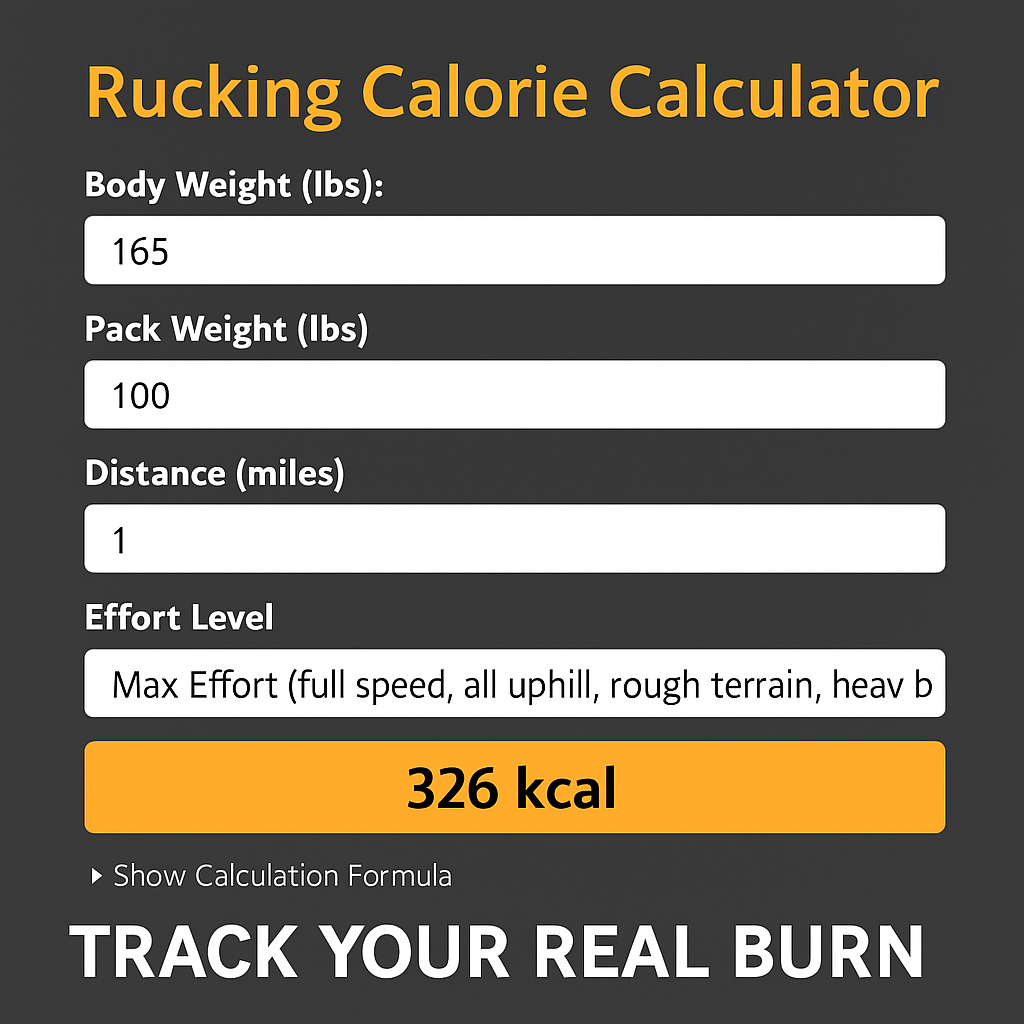
Use actual carried weight and elapsed time in your training log. The weighted vest calorie calculator can add a rough estimate, but it cannot measure the Gravity vest’s calorie effect or tell you whether a harder outing is appropriate. Avoid turning a calculated calorie target into a reason to add more load.
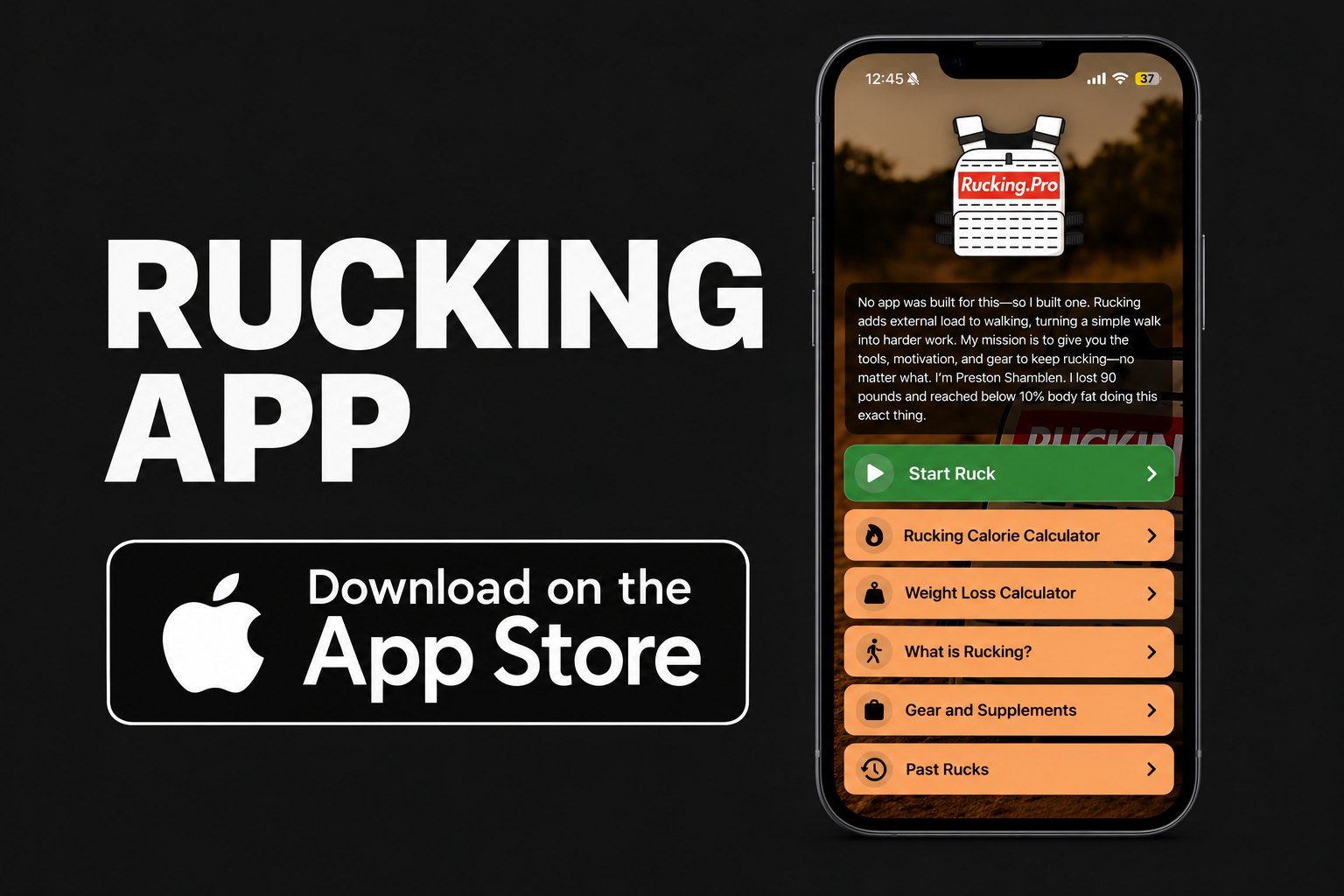
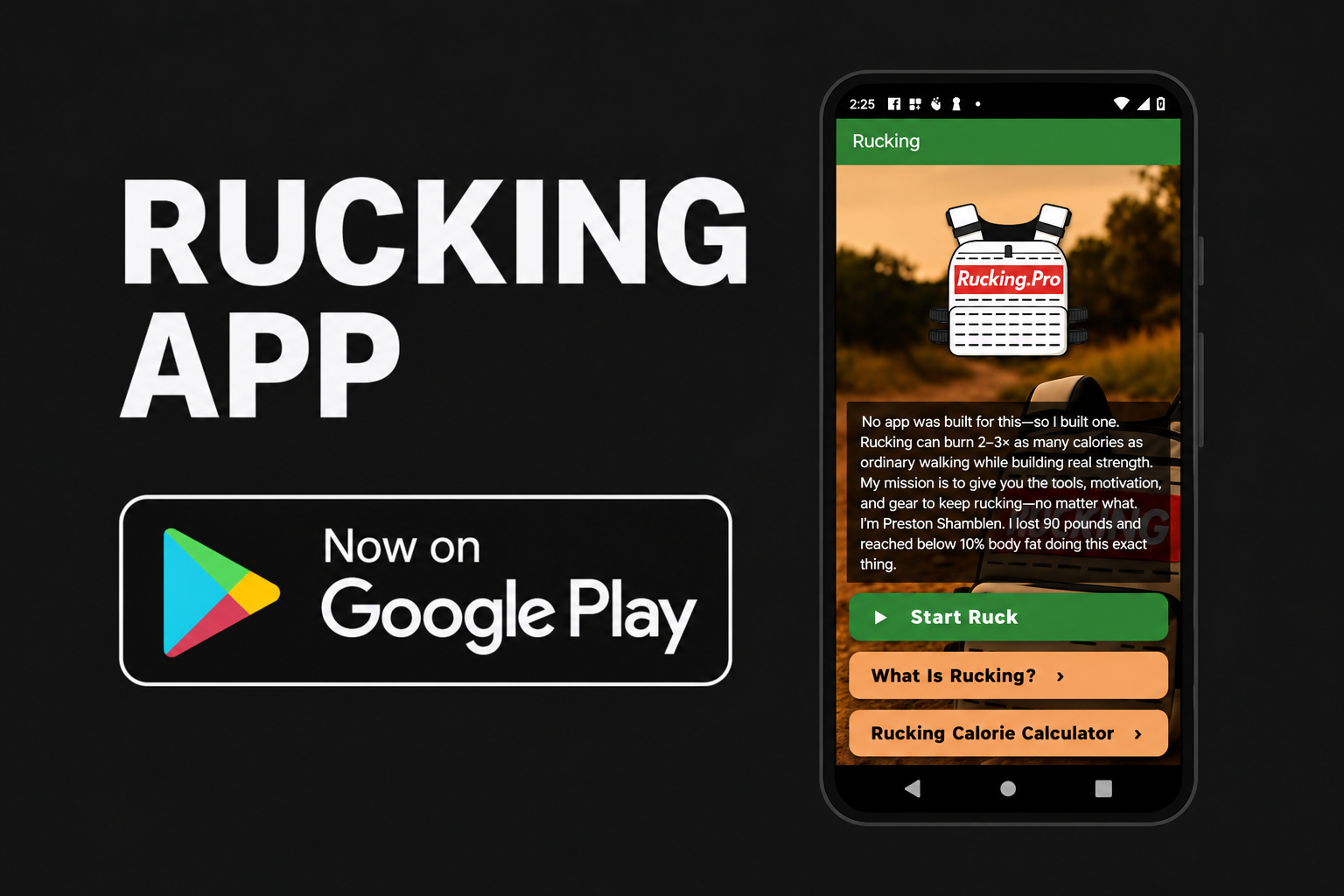
For phone-based tracking, see the Rucking app for iPhone and Android.
Care and session checks
Gravity lists hand-washing for this vest. Follow the supplied care instructions, including how to handle removable weights, and let the equipment dry before storage. Inspect pocket closures and straps before reloading.
- Recheck fit when the load or your clothing changes.
- Stop if pain, loose weights, or restricted movement develops.
- Keep enough adjustment range for full breaths without the shell shifting.
Bottom line
Choose the Gravity Fitness vest for its verified loading system and usable fit. The first useful milestone is a comfortable, repeatable session, not reaching the weight printed on the product listing.