Training Safely with an 80 Pound Weight Vest
Using an 80 pound weight vest changes the demands of every step, squat, and carry. This guide covers how to approach heavy vest work responsibly: progressions, movement quality, recovery, and equipment choices for strength and rucking-style conditioning. I write from outdoors-first experience and the practical training I use with clients and my own programming.
Is an 80 pound weight vest right for you?
An 80 lb vest is advanced loading. If you’re new to weighted vests, build a base with bodyweight strength, unloaded walking or rucking, and shorter weighted sessions at 10–30% bodyweight before you graduate toward heavier systems. Key indicators you’re ready include consistent squat and hinge form, no persistent joint pain, and the ability to walk briskly for 45+ minutes with lighter loads.
Progression plan
Progression reduces injury risk and improves performance. Use micro-steps and listen to your body.
- Phase 1 (4–8 weeks): 10–20% bodyweight vest for conditioning walks, 2–3x/week, 20–45 minutes.
- Phase 2 (4–8 weeks): 20–40% bodyweight, add short hill repeats and 2–3 sets of bodyweight squats and lunges while loaded.
- Phase 3: work toward absolute loads like 80 lb in weeks or months, not days. Alternate heavy vest days with mobility and low-impact cardio.
Programming recommendations
Train heavy vests with respect for recovery. For power and strength transfers, use lower reps and controlled tempo. For conditioning and rucking, use longer durations and measured pace.
- Strength day: 3–5 sets of 3–6 reps loaded calisthenics or squats with the vest on stable ground.
- Ruck/conditioning day: 40–90 minute walk with varied terrain at conversational pace when loaded.
- Recovery and mobility: dedicated mobility, posterior chain work, and soft tissue every off-day.
Form cues and common risks
With 80 lb added, sloppy mechanics magnify. Keep these cues:
- Hinge from the hips—protect your low back.
- Keep chest up and scapula engaged—avoid rounded shoulders under load.
- Shorten stride uphill; lengthen downhill to keep cadence controlled.
If you experience sharp joint pain or persistent numbness, stop and get assessed. Heavy vest work is a tool, not a test of toughness.
Equipment I recommend
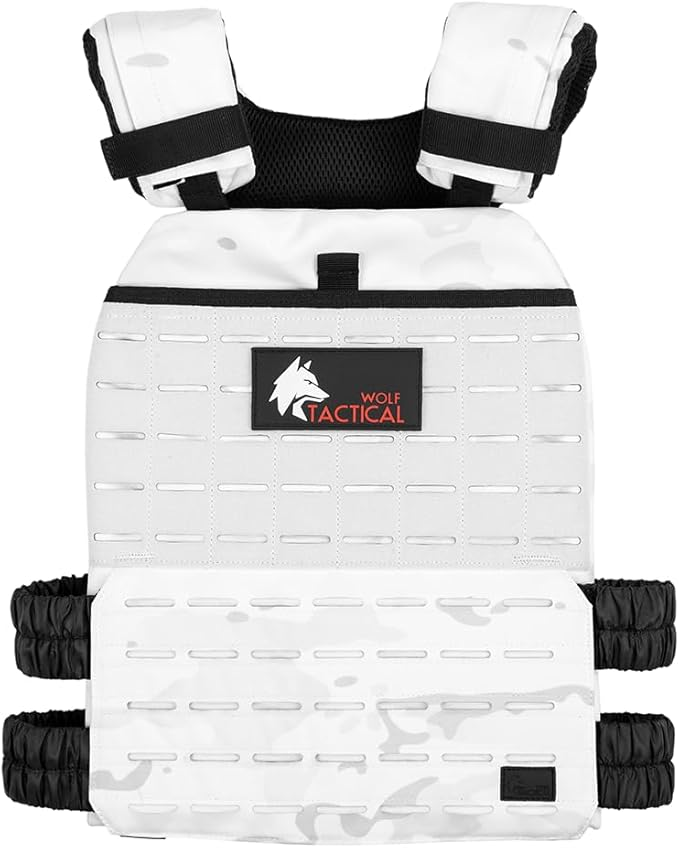
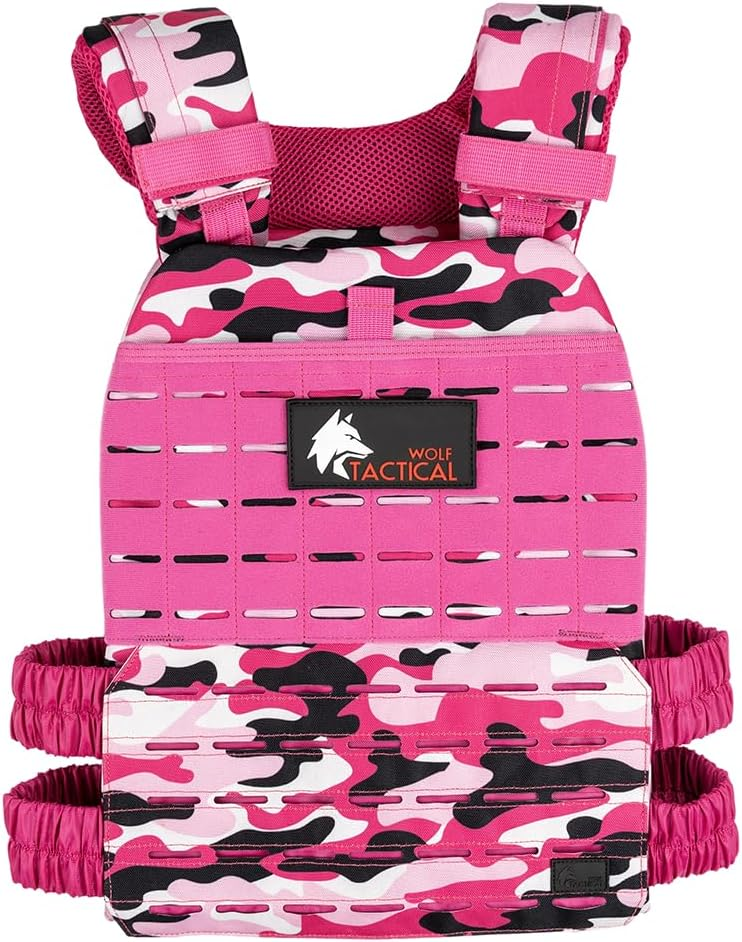
For high-capacity weighted vest work, choose gear built for plates and durability. A product I often recommend for heavy loading is the Kensui EZ-VEST® MAX V2 for its capacity and stability when you’re pushing toward 80 lb loads.

Calories and planning heavy sessions
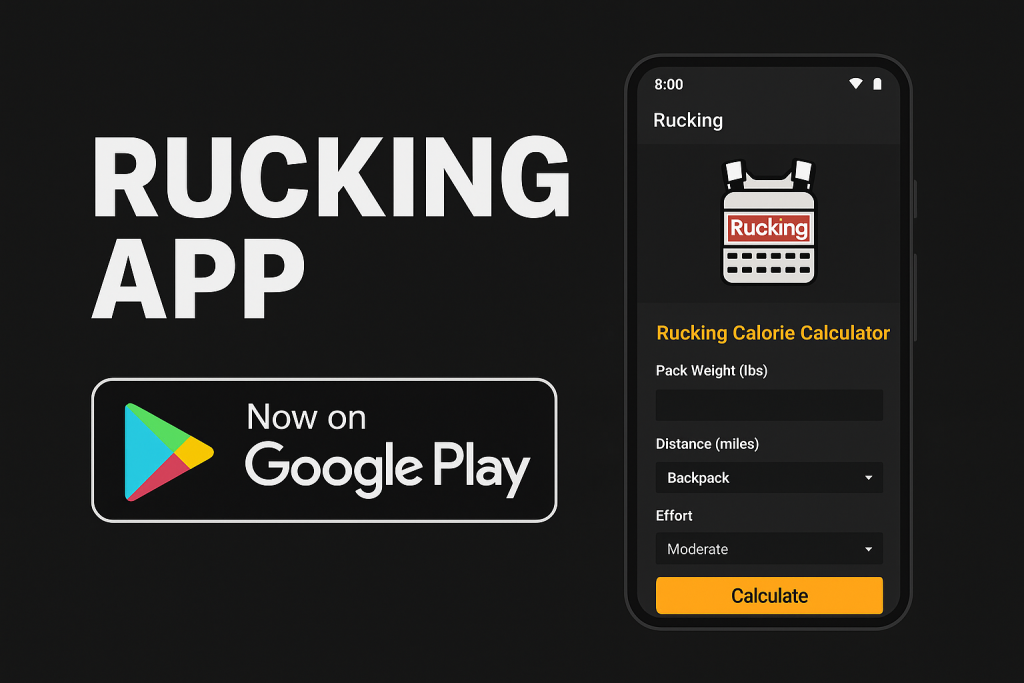
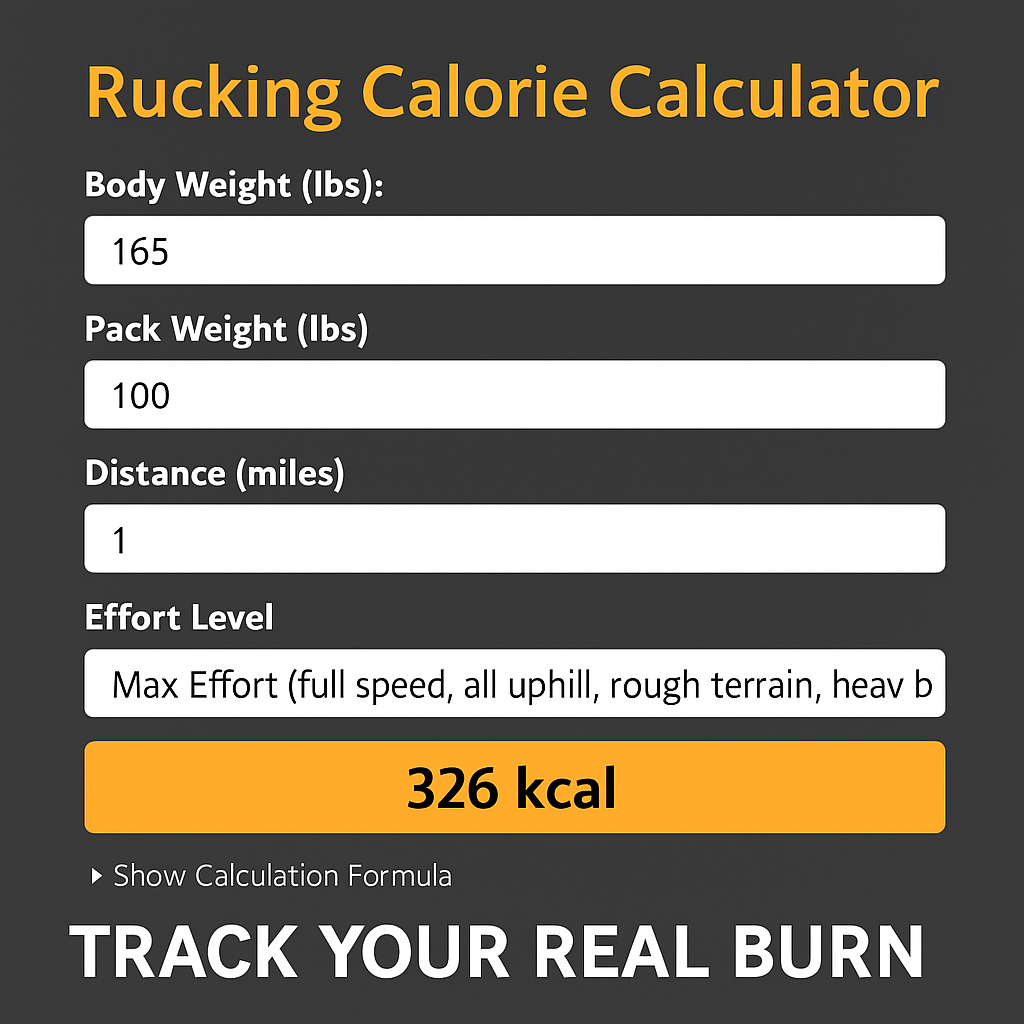
Heavier loads increase calorie burn but also increase recovery needs. Use the rucking calorie calculator to estimate session energy costs and plan nutrition and recovery around your heavier vest days.

Plugging in pace, distance, bodyweight, and vest load helps you decide whether to add calories, adjust intensity, or shorten duration on a given week.
Final practical tips
- Increase load slowly. A predictable, consistent increase beats erratic jumps.
- Prioritize sleep, protein, and mobility on heavy weeks.
- Use walking poles or measured routes when testing higher loads for extra balance support.
I’ve seen athletes and everyday trainees make excellent conditioning and strength gains with heavy vests when they respect progression and recovery. As a note from my own experience: Preston Shamblen lost 90 lbs using disciplined rucking, weighted-vest training, and nutrition, and he still recommends weighted vests as a reliable way to maintain lower bodyweight and burn fat consistently.