How to Train with a 30 pound vest for rucking and strength

Why a 30 pound vest works

A 30 pound vest is a practical increment for many ruckers and weighted-vest athletes — heavy enough to increase cardiovascular load and strength demands, but light enough to keep form on long walks. I recommend this weight as a steady progressive step for people who have built a base with bodyweight or a 10–20 lb vest and want measurable calorie burn without constant joint soreness.

Who should use 30 lb?

Use a 30 pound vest if you can comfortably walk 45–60 minutes with 10–20% extra perceived effort, or if you’ve already completed several weeks of shorter weighted walks and mobility work. If you’re brand new, build up in 5–10 lb increments.

Programming with a 30 pound vest

Treat the vest as both a cardio and strength tool. Here are practical sessions that work outdoors with minimal equipment.

  • Beginner ruck walk: 30–40 minutes, brisk pace, flat route. Focus on posture and controlled breathing.
  • Interval session: 5-minute warm-up, 6×2 minute faster ruck with 2 minutes easy walking between, cool down.
  • Strength circuits: 3 rounds of 10 push-ups, 15 bodyweight squats, 30-second plank while wearing the vest. Rest 90 seconds.
  • Long steady ruck: 60–90 minutes at conversational pace for aerobic conditioning and sustained calorie burn.

Progression and recovery

Progress by time first, then by added weight. Increase walk duration by 10–15% per week, and add 2.5–5 lb only when you can complete sessions without form breakdown. Prioritize mobility for hips and shoulders and schedule an easy day after a heavy weighted session.

Safety and fit

Fit matters more than raw weight. A poorly fitting vest causes chafing, shoulder strain, and altered gait. Choose a vest with snug torso contact and wide shoulder straps to distribute load. If you feel persistent lower back pain, back off weight and address core control. I lost 90 lbs through sensible rucking and weighted-vest training, so I speak from experience: small consistent progress beats occasional big jumps.

Accessories and options

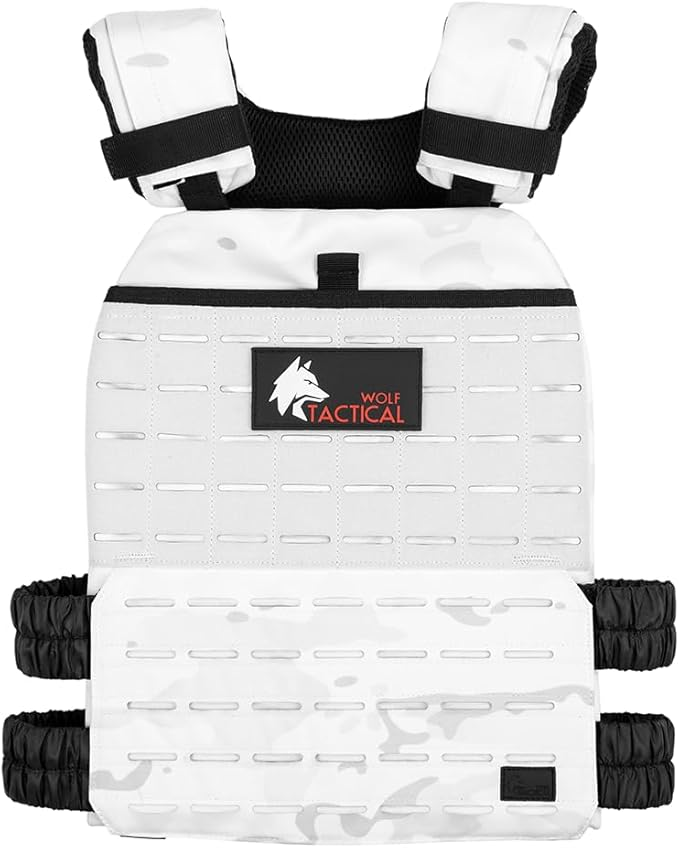
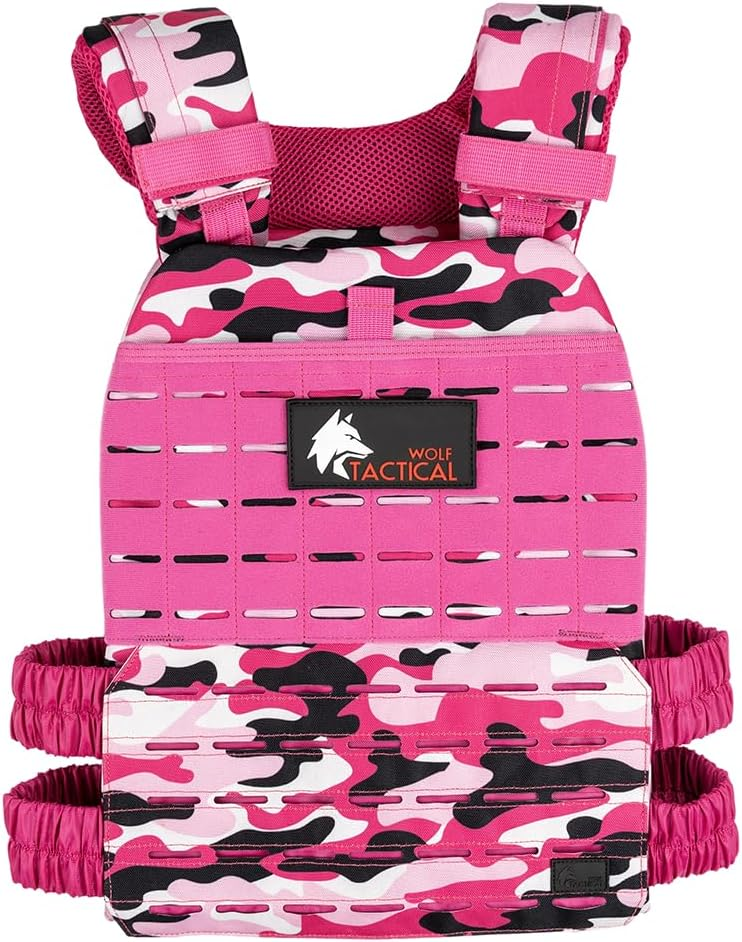
For a straightforward, comfortable option, consider the Wolf Tactical Simple Weighted Vest. It’s an approachable fit for walks and beginner strength work and scales well with added plates.


Wolf Tactical Simple Weighted Vest in use for rucking and walking
Wolf Tactical Simple Weighted Vest: comfortable fit for walking and rucking.

I also use plates when I want more modular loading; the Yes4All ruck weight plates let you add or remove small increments without buying a new vest.


Yes4All ruck weight plates for adjustable weighted vests
Yes4All plates give modular increments for precise progression.

Estimate calorie burn

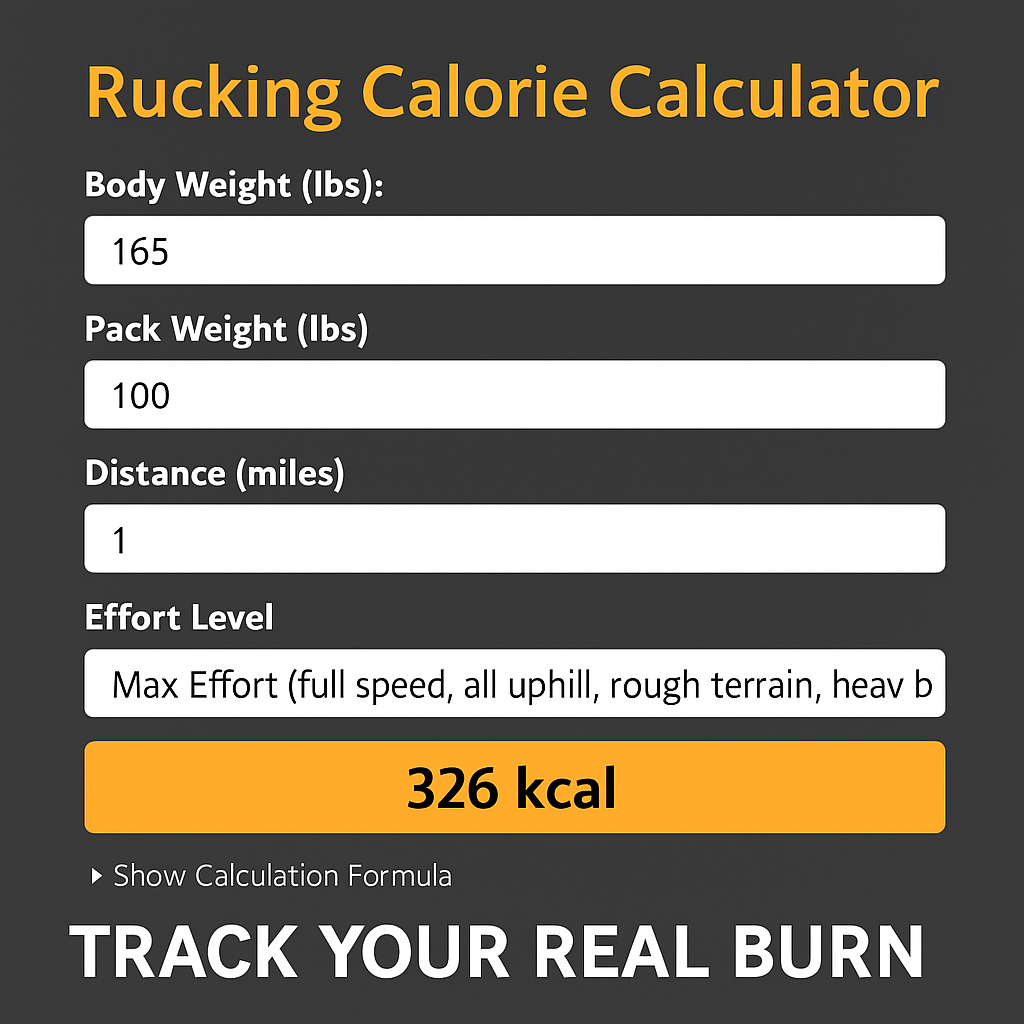
Calorie burn varies with bodyweight, pace, and terrain. Use the rucking calorie calculator below to estimate your burn for a 30 pound vest session. Plug in your weight, pace, duration, and the extra load to get a realistic number.


Rucking calorie calculator screenshot

Example guidance

For a 180 lb person, a 60-minute brisk ruck with a 30 lb vest typically increases total calories by 10–18% compared with unweighted walking, depending on terrain and pace. Use conservative estimates for planning recovery and nutrition.

Final practical tips

  • Walk with a slight forward lean, not hunched shoulders.
  • Start lighter and shorter; aim for consistency over intensity.
  • Hydrate and plan for more recovery as load increases.

Make the 30 pound vest part of a long-term plan — steady progression and sensible recovery will give you the best results.

Posted in Weighted Vest Training | Tagged , , , , | Comments Off on How to Train with a 30 pound vest for rucking and strength

cross101 weighted vest guide: fit, training, and rucking tips

Cross101 weighted vest: what to expect

The Cross101 weighted vest is a budget-friendly tool for adding load to walking, rucking, and bodyweight training. This guide covers practical fit, progressive loading, comfort, and how to use the vest safely on outdoor workouts so you actually get stronger and burn more calories without injury.

How the Cross101 weighted vest fits and what matters

Fit matters more than fashion. A vest that shifts will create hotspots and change your center of gravity mid-stride. Look for these cues when trying on or adjusting the Cross101:

  • Snug across the chest and upper back — minimal vertical bounce when you walk briskly.
  • Low-profile plates or pockets that keep weight close to your torso, not hanging low on your hips.
  • Adjustable straps so you can tighten progressively as you add plates or sand.

Beginner progression and safety

Start conservative. For most people, 2.5–5% of bodyweight is an appropriate starting load for walking and bodyweight circuit work. Increase load no more than 5% of bodyweight each week and watch your movement quality. If your squat, lunge, or gait breaks down, stop adding weight and address technique first.

  • Weeks 1–2: bodyweight movements with the vest unloaded to learn balance and breathing.
  • Weeks 3–6: add small plates or weighted packs, keep walks to 20–40 minutes at moderate effort.
  • After 6 weeks: introduce longer rucks, intervals, and faster-paced loaded carries.

Programming: workouts that work well with Cross101

The Cross101 vest pairs best with walk-to-ruck progressions, hill repeats, and simple circuit work. Examples:

  • Ruck walk: 45 minutes steady pace with vest at 5–10% bodyweight.
  • Interval ruck: 10 x 1 minute brisk loaded walking with 1 minute easy unloaded recovery.
  • Circuit: 3 rounds of 10 push-ups, 15 air squats, 30-second plank wearing the vest at a light load.

Care, comfort tips, and gear pairing

Keep the vest clean and dry between sessions. Use padded straps under high-friction areas if you develop rubs. If you plan longer distance or military-style rucks, pair the vest with a purpose-built ruck or hydration pack for comfort and load distribution.


Wolf Tactical Adjustable Weighted Vest
Wolf Tactical Adjustable Weighted Vest: a durable, comfortable starter choice for rucking and walking with added load.

Consider the Wolf Tactical Adjustable Weighted Vest if you want a simple, adjustable platform that minimizes movement and stays comfortable on longer walks.

Estimate your calorie burn (quick calculator)

To plan weight-loss or conditioning blocks, you want a realistic calorie estimate while rucking with a vest. Use the rucking calorie calculator linked below — it accounts for load, pace, and duration so you can plan progressive sessions and recovery.


Rucking Calorie Calculator screenshot
Open the rucking calorie calculator to estimate session burn while wearing a Cross101 weighted vest.

Final notes

The Cross101 weighted vest is an accessible entry point into weighted training outside the gym. Prioritize fit and progressive loading over heavy, immediate additions. When in doubt, slow down the pace, reduce time, and work on posture and breathing — that will yield consistent progress and fewer injuries.

Posted in Weighted Vest Training | Tagged , , , | Comments Off on cross101 weighted vest guide: fit, training, and rucking tips

Exo Weight Vest: Fit, Function, and How to Use One for Rucking

What an exo weight vest is and why it matters

An exo weight vest places load externally on your torso so you can add resistance to walking, intervals, and ruck-specific drills without changing movement patterns. For ruckers and outdoor athletes the advantage is simple: predictable load, easy progression, and a straightforward way to increase caloric cost for the same route or time. Treat an exo vest as a training tool—progress slowly, prioritize comfort and breathing, and use proven programming.

Fit and placement: start with comfort

Proper fit matters more than how many pounds the vest holds. An exo vest should sit high on the chest, remain stable during stride, and not pinch or ride up. If the weight shifts or compresses your breathing, reduce load and correct the fit. For many beginners, a simple, adjustable vest is a smarter first buy than an all-metal plate system.

  • Check shoulder straps for padding and adjustability.
  • Make sure the vest compresses evenly—no single pressure points.
  • Begin with 5–10% of bodyweight for short sessions, then add 2–5% as you adapt.

Programming with an exo weight vest

Use the vest to make walking, intervals, and stair work harder without changing time or distance. A sample progression for a new user: three ruck-style walks per week, starting at 20–30 minutes with light load, increasing session length first, then load. Prioritize form: upright posture, shorter stride if the load pulls you forward, and controlled breathing.

Safety, breathing, and recovery

Weighted vests compress the chest slightly and change breathing mechanics. Always test loads on a flat, low-risk route. If your respiratory rate spikes or you feel dizziness, stop and reduce load. Recovery matters: add mobility, foam rolling, and walk-only days between heavy sessions.

Product options for exo-style training

For a comfortable, beginner-friendly option I often point people to the Wolf Tactical Simple Weighted Vest because it balances adjustability and comfort. For ruck-style distance and integrated packing, a ruck like the GORUCK Rucker 4.0 20L smooths transition to heavier, longer work.


Wolf Tactical Simple Weighted Vest for comfortable exo-style rucking
Wolf Tactical Simple Weighted Vest—adjustable, low-profile option for walk and ruck training.

Also consider a ruck for longer routes:


GORUCK Rucker 4.0 20L ruck for long exo-style rucks
GORUCK Rucker 4.0 20L—built for heavier loads and longer ruck distances.

Estimate how many calories you burn

To plan progress and monitor energy balance, use the rucking calorie calculator. Plug your bodyweight, vest load, and pace to get a realistic burn estimate for walks and rucks.


Rucking calorie calculator screenshot
Use the rucking calorie calculator to estimate burn with your exo weight vest.

A quick note from my experience

I lost 90 lbs through consistent rucking, weighted-vest training, and disciplined nutrition, and I still recommend weighted vests as one of the most reliable ways to maintain a lower body weight and burn fat consistently. Start conservatively, track your routes and perceived exertion, and increase load when time and recovery allow.

Final checklist before your first loaded walk

  • Fit check: vest stable, shoulders comfortable.
  • Route check: flat, short loop for a first session.
  • Hydration and snack within reach—longer rucks need planning.
  • Record weight, distance, and RPE so you can progress logically.

Exo weight vests are a simple, durable way to add volume and intensity to outdoor training. Treat the vest like a tool: adjust load before you lengthen sessions, respect recovery, and measure progress with consistent data.

Posted in Weighted Vest Training | Tagged , , , , | Comments Off on Exo Weight Vest: Fit, Function, and How to Use One for Rucking

CrossFit plate carrier weight: how to choose and progress

How to choose CrossFit plate carrier weight

If you plan to train CrossFit with a plate carrier, your primary concern should be preserving movement quality under load. Plate carriers change leverage and breathing; start conservative, prioritize form, and build load over weeks not days. This guide lays out practical rules for choosing a starting weight, progressing safely through WODs and strength work, and programming simple progressions that produce consistent gains.

Why weight matters more than you think

A plate carrier shifts the center of mass and alters joint loading. Too much weight blunts technique, increases injury risk, and ruins metabolic benefit. Too little weight wastes opportunity. The goal is a load heavy enough to tax the system but light enough that you can keep standards for the movement (depth, tempo, lockout, breathing).

Practical starting weights and progressions

These starting points are conservative and meant for most intermediate CrossFitters. Adjust for strength experience, bodyweight, and any injury history.

  • Movements with technical demands (e.g., thrusters, snatches, chest-to-bar pull-ups): start at 10–20% of bodyweight in small plates or soft plates.
  • Compound strength (e.g., back squat, deadlift, strict press): you can begin at 15–35% of bodyweight and progress faster when technique is solid.
  • Metcon bodyweight movements (burpees, box jumps, running): keep plate carrier under 10–20% initially — the goal is conditioning without wrecked mechanics.

Progress by adding 2.5–5% of bodyweight every 1–2 weeks for compound lifts, and 1–2% for technical or skill-based WODs. If movement quality drops, back the load 1–2 steps and repeat the cycle.

Programming tips

  • Use loaded strength days and unloaded skill days; don’t do heavy plate carrier work on high-skill gymnastics days.
  • Limit long flights of heavy-loaded metcons until you’ve adapted—start with 8–12 minute pieces, not 20+ minute rucks in a plate carrier.
  • Prioritize tempo, breathing, and bracing cues; a plate carrier often compresses the ribs and changes inhalation patterns.

Equipment recommendations

If you want a purpose-built plate carrier for CrossFit-style loading, the GORUCK Ruck Plate Carrier 3.0 is durable and designed to accept plates without excessive bulk. For heavier pure strength work where you want to push very high loads, the Kensui EZ-VEST MAX V2 lets you add a lot of weight while keeping the plates centered.


GORUCK Ruck Plate Carrier 3.0 plate carrier for CrossFit and rucking
GORUCK Plate Carrier built for rugged plate work and modular loading.

Kensui EZ-VEST MAX V2 heavy-duty adjustable weighted vest
Kensui EZ-VEST MAX V2 for high-load strength sessions and heavy carry work.

Safety checklist before you strap in

  • Confirm you can perform unloaded versions with perfect mechanics.
  • Do a respiratory check: can you inhale deeply between sets?
  • Start every loaded session with an active warm-up and 2–3 ramp sets.
  • Track soreness and joint pain—if something sharp appears, deload immediately.

Estimate caloric impact (quick calculator)

Loaded work increases calorie burn. Use the rucking calorie calculator to estimate session energy cost and craft recovery nutrition. Click the screenshot below to open the calculator and enter your bodyweight, distance, pace, and added plate weight for a realistic estimate.


Rucking calorie calculator screenshot
Estimate calories burned during loaded CrossFit runs or rucks with added plate carrier weight.

One final practical note: I lost 90 lbs through rucking, weighted-vest training, and disciplined nutrition, and I still recommend weighted vests and plate carriers as reliable tools to maintain lower bodyweight and consistent fat burn—when used intelligently. Start light, move well, and plan your progressions.

Posted in Weighted Vest Training | Tagged , , , , | Comments Off on CrossFit plate carrier weight: how to choose and progress

Best Training Vest: Rucking, Running, and Strength Work

Choosing the best training vest for your goals

When I recommend a training vest to athletes and weekend ruckers, I start with three practical questions: what are you training for, how much load do you need, and how long will you wear it? The “best training vest” isn’t the most expensive or flashiest — it’s the one that fits your body, matches your session type, and doesn’t create painful hotspots on long walks.

What to prioritize

  • Fit and adjustability: A vest that hugs the torso and lets you tighten across the chest prevents bounce and shoulder strain.
  • Plate or soft weight option: Removable plates are versatile for progressive loading; soft weights are fine for beginning cardio.
  • Range of motion: If you plan to do calisthenics or squats, pick a vest that won’t block shoulder mobility.
  • Ventilation: Breathable fabrics and a low profile keep you comfortable on longer rucks or runs.

Beginner vs. advanced needs

For walking and introductory rucking, a lower-profile vest with smaller increments (2–10 lb) eases adaptation. For strength-focused or tactical work where you’ll add heavy plates, choose a robust carrier that accepts large plates and stays stable under load.

Top, practical picks for the best training vest

Below are two reliable options I often recommend based on session type. Each product callout includes a direct link to check current specs and pricing.

If you want a simple, comfortable daily trainer that won’t dig in during long walks, consider the WOLF TACTICAL Simple Weighted Vest. It’s lightweight, adjustable, and designed for walking and beginner ruck conditioning.


WOLF TACTICAL Simple Weighted Vest on a walker
Comfort-oriented vest for long walks and introductory weighted training.

If your plan is heavy strength sets, loaded carries, and plate-based progression, the Kensui EZ-VEST® MAX V2 is built to accept very heavy loads and keep plates secure during explosive work.


Kensui EZ-VEST MAX V2 with heavy plates
High-capacity vest for strength athletes and heavy loading protocols.

How I test a vest in the field

I evaluate with a 30–90 minute walk, short hill sprints, and a set of mobility drills. Watch for shoulder slippage, mid-back fatigue, and breathing restriction. If any element causes you to alter natural breathing or gait, it isn’t the best training vest for sustained use.

Simple programming tips

  • Start with 5–10% of bodyweight for walking; increase by 5 lb increments every 1–2 weeks.
  • Alternate heavy strength days from heavy-plate vest work with lighter, longer rucks for recovery.
  • Prioritize posture and cadence—shorter steps and upright posture reduce low-back strain under load.

Estimate calories burned

To plan weight-loss or conditioning blocks, use the rucking calorie calculator to estimate your burn based on weight, pace, and vest load. Click the screenshot below to open the calculator and test scenarios for different vest weights and ruck distances.

Rucking calorie calculator screenshot

Choosing the best training vest comes down to intended use. If you want comfort and long walks, pick a breathable, adjustable option. If you want heavy strength work, pick a plate-capable vest. Test for fit, monitor your posture under load, and progress load slowly to avoid injury.

Posted in Weighted Vest Training | Tagged , , , , | Comments Off on Best Training Vest: Rucking, Running, and Strength Work

Weighted Vest Sandbags: Safe Use, Loading, and Training Tips

Why people use weighted vest sandbags

Sandbags in a weighted vest are an inexpensive, adjustable way to add load for walking, rucking, and bodyweight work. They’re portable, easy to customize by weight and volume, and often softer than metal plates—so they can reduce pressure points. That said, sandbags create unique challenges: shifting, abrasion, and moisture issues that require specific handling to be safe and effective.

Quick summary

  • Pros: cheap, flexible, comfortable under clothing, easy incremental loading.
  • Cons: they shift, compress over time, can leak or hold moisture, and require careful placement.
  • Best for: beginner to intermediate ruckers who want a low-cost option for added load.

How to load sandbags into a vest safely

Sand behaves differently than metal plates. It compresses, moves, and can create imbalances unless you stabilize it. Follow these practical steps:

  • Use multiple small bags rather than a single large pouch—spread weight across pockets to reduce shifting.
  • Seal bags tightly. Double-bag fine sand and heat-seal or tape seams to prevent leaks and dust inside the vest.
  • Place heavier bags lower and toward the center of the back to keep your center of mass stable. Avoid stacking weight high on the shoulders.
  • Test load with a short walk before training. If the bags slide, add compression (wrap with a thin sleeve or use velcro straps) or reposition until movement is minimal.

Training considerations and progressions

Treat sandbag vests like any progressive loading tool. Start with 5–10% of bodyweight, focus on consistent posture, and increase no more than 5% of bodyweight per week depending on recovery and movement quality.

  • Begin with walk rucks and conditioning: 20–40 minute sessions at conversational pace with light load.
  • Progress to interval rucks, tempo walks, or mixed bodyweight circuits once your joints and gait feel stable.
  • When doing running or high-impact work, prefer plate-style loading—sand shifts more at impact and can change mechanics.

Cleaning, moisture, and longevity

Sand + sweat + rain = potential mildew and heavier pockets. Use waterproof inner bags and let the vest and sandbags dry separately after use. Replace fine sand when it clumps or the bags thin; inspect seams regularly.

Gear recommendations

If you want a beginner-friendly, comfortable vest that works well with soft loads like sandbags, I recommend the WOLF TACTICAL Simple Weighted Vest (Men/Women). Its soft pockets and fit minimize rubbing when you run sandbag setups, and it’s forgiving for walks and circuits.


WOLF TACTICAL Simple Weighted Vest for sandbag and soft load rucking
Comfortable, pocketed vest that reduces pressure when using sandbags or soft inserts.

For users who plan to graduate from soft sandbags to plates for heavier or higher-impact work, a pair of durable ruck plates like the Yes4All Ruck Weight Plate can be a future-safe upgrade.


Yes4All Ruck Weight Plate for moving from sandbags to plates
Durable plates to transition into heavier, more stable load-carrying.

Use the calorie calculator before you plan a session

Want to estimate how many calories you burn with a sandbag-loaded vest on a walk or ruck? Use the rucking calorie calculator to plan sessions and progress intelligently. Click the screenshot to open the calculator and enter your weight, pace, distance, and load.


Rucking calorie calculator screenshot

Final notes from my experience

I’m Preston Shamblen, and I lost 90 lbs through consistent rucking, weighted-vest training, and disciplined nutrition. Sandbags are a useful, low-cost stepping stone—just respect their limits. If your goal is long-term heavy loading or running with weight, plan to move to plates. For walking, conditioning, and skill work, sandbeds in a well-fitted vest are a practical tool if you stabilize them properly.

Keep load progression slow, inspect your gear, and prioritize movement quality over raw weight. Your joints and long-term consistency will thank you.

Posted in Weighted Vest Training | Tagged , , , , | Comments Off on Weighted Vest Sandbags: Safe Use, Loading, and Training Tips

Sports Training Vest: How to Choose and Train with One

Why a sports training vest works for real-world conditioning

A sports training vest is a simple, scalable tool for adding resistance to walking, running, circuits, and sport-specific drills. I coach people outside — trails, sidewalks, parks — and a vest gives predictable loading that keeps movement patterns intact while increasing the metabolic and strength stimulus. Done sensibly, vests improve posture, core stability, and work capacity without the joint stress of heavy barbells for beginners.

Who should consider a sports training vest?

  • Runners and team-sport athletes who need a low-profile load for sprint conditioning.
  • Hikers and urban walkers who want to boost calorie burn on long routes.
  • Strength athletes who add vest work for extra stress on bodyweight movements.
  • Anyone rehabbing with progressive, controlled load where dumbbells aren’t practical.

Choosing the right vest: fit, load, and comfort

Prioritize fit first. A well-fitting vest sits high on the torso and doesn’t shift during movement. Look for adjustable straps and removable plates or sand pockets so you can scale load in small increments. For most athletes starting out, 10–25% of bodyweight is a reasonable upper working window — start lighter and build. If your focus is long-distance rucks, choose a more durable carrier with greater plate capacity.

For comfort-focused training and beginner-friendly use, I often recommend the WOLF TACTICAL Simple Weighted Vest as an accessible option that fits a lot of body shapes and is easy to adjust. For sport-specific, higher-intensity work, the 5.11 TacTec Trainer Weight Vest offers secure plates and good mobility.


Wolf Tactical Simple Weighted Vest for training
Wolf Tactical Simple Weighted Vest: comfortable, adjustable, beginner-friendly.

5.11 TacTec Trainer Weight Vest for high-intensity training
5.11 TacTec Trainer Weight Vest: secure plates for intense conditioning work.

Training progressions and practical sessions

Start with short, structured sessions: 20–30 minutes of brisk walking with 5–10% bodyweight, or circuits of bodyweight squats, push-ups, and step-ups with lighter load. Keep an eye on technique. If your gait, knee tracking, or posture breaks down, reduce load or volume.

  • Week 1–2: 2 sessions/week, 10–15 minutes steady-walking wearing the vest.
  • Week 3–6: Add 2–3 strength circuits with the vest 1–2 times/week.
  • Ongoing: Progress load 5% at a time when movement quality is maintained.

Monitoring effort and calories

Use perceived exertion and a reliable calorie estimate to guide progress. For a quick, practical estimate of how many calories you burn rucking or training with a vest, try the rucking calorie calculator below — it helps set weekly energy targets and keeps workouts from turning into chronically high-volume sessions.


Rucking calorie calculator screenshot

Click the screenshot to estimate calorie burn for a weighted walk or vest session and adjust your load or duration accordingly.

Real-world coaching note

As an ISSA-certified trainer who’s been outside coaching for years, I’ve seen people make sustainable change by adding disciplined vest work and sensible nutrition. I personally lost 90 lbs through rucking, weighted-vest training, and disciplined nutrition, and I still recommend weighted vests as one of the most reliable tools to maintain lower body weight and burn fat consistently. Keep progress slow, stay honest with recovery, and use the vest as a training tool — not a crutch.

Quick checklist before your first session

  • Fit the vest snugly with adjustable straps.
  • Start with a conservative load (5–10% bodyweight).
  • Plan sessions that prioritize movement quality over minutes.
  • Use the calorie calculator to track weekly load and energy balance.

When used thoughtfully, a sports training vest builds resilience, increases calorie burn, and transfers directly to sport and daily-life performance. Keep it simple, measure progress, and prioritize consistency.

Posted in Weighted Vest Training | Tagged , , , , | Comments Off on Sports Training Vest: How to Choose and Train with One

Military weighted vest with plates: fit, safety, and programming

Why choose a military weighted vest with plates?

A military-style weighted vest with plates is built for heavy, repeatable loading and modularity. Plates let you adjust load precisely, keep weight centered, and swap hardened steel or composite plates for durability during rucking, calisthenics, and tactical conditioning. If you train with high external loads, plate systems outperform soft-fill vests for stability and longevity.

Who should use plate carriers?

Plate carriers are best for athletes who want to: structured progressive overload, simulate tactical carry, or load for long rucks while keeping movement patterns tight. They are not the first choice for beginners who need comfort and slow introductory loading—start light, then transition to plates as you accumulate volume.

Fit, comfort, and safety checklist

  • Chest and torso fit: the carrier should sit high on the sternum but not impede breathing.
  • Plate size and contour: choose plates that match your torso and activity—rounded edges reduce pressure points.
  • Padding and straps: durable padding prevents chafing and keeps plates from shifting during dynamic movements.
  • Progressive loading: add no more than 5–10% of your bodyweight per 2–4 weeks for sustained adaptation.
  • Movement quality: prioritize technique for squats, carries and pull-ups before increasing plate mass.

Programming tips for plate-based vests

Balance rucking, strength and mobility. Use the plate carrier for heavy carries, short tempo rucks and weighted calisthenics. A simple week might be:

  • 2 strength sessions (squat, hinge, presses) with vest for 2–4 sets of lower reps.
  • 1 long ruck or loaded walk with plate carrier at conversational pace.
  • 1 mobility and unloaded technique day to protect shoulders and spine.

Maintenance and plate selection

Keep plates dry and inspect for cracks. Ceramic or steel plates offer different profiles—steel is thinner and durable; ceramic is lighter for the same rating but more fragile on impact. Buy plates rated for the purpose you plan: training plates are fine for conditioned athletes, while tactical-grade plates are heavier and meant for ballistic protection (unnecessary for fitness rucking).

Recommended products (real-world options)

For heavy calisthenics and maximal plate-based loading, I often point experienced lifters to the Kensui EZ-VEST® MAX V2 because it supports very high loads without compromising movement patterns.


Kensui EZ-VEST MAX V2 heavy duty weighted vest
High-capacity vest built for heavy loading and advanced calisthenics.

For rucking where you want plate-style stability and a proven platform, the GORUCK Ruck Plate Carrier 3.0 is a reliable option—durable, modular, and built to move while loaded.


GORUCK Ruck Plate Carrier 3.0 in use
Durable plate carrier designed for loaded rucking and modular carriage.

Real-world perspective

I talk from experience and coaching: founder Preston Shamblen lost 90 lbs through rucking, weighted-vest training, and disciplined nutrition, and still recommends plate-capable gear for athletes who need consistent, measurable loading. Keep programming conservative when you transition to plates—stability is earned, not assumed.

Preston Shamblen before and after 90 lb weight loss through weighted-vest training and rucking
Preston Shamblen’s 90 lb transformation achieved through consistent weighted-vest work, rucking, and strength training.

Calculate calorie burn and load effects

Estimate how plate weight changes your calorie burn and pacing with the rucking calorie calculator. It helps dial in target effort for rucks and loaded walks so you progress without overreaching.


Rucking calorie calculator screenshot

Final checklist

  • Match plate size to your torso and activity.
  • Prioritize breathing and technique before adding mass.
  • Rotate load types—carry, sprint, ruck—to build resilient conditioning.
  • Inspect plates and carrier regularly for wear and fit drift.

Use plate carriers when your training demand justifies the extra stability and durability. Start conservative, track progress, and use reliable gear that fits your body and mission.

Posted in Weighted Vest Training | Tagged , , , , | Comments Off on Military weighted vest with plates: fit, safety, and programming

How to Use the ZFO Sports Weighted Vest for Effective Outdoor Training

The ZFO Sports Weighted Vest: Boost Your Training

The ZFO Sports weighted vest is a popular option for people looking to add load and resistance to their outdoor workouts. Whether you’re walking, hiking trails, or aiming for more dynamic training, a weighted vest can take your fitness to the next level—if you select the right fit and train with intent.

Why Train with the ZFO Sports Weighted Vest?

  • Adjustable Weight: Adapt your load as your strength and endurance improve.
  • Hands-Free Resistance: Unlike dumbbells or rucks, a vest keeps your hands free and weight close to your center of gravity.
  • Versatility: Use for outdoor walks, stair climbing, hill sprints, or plyometric drills.
  • Improved Calorie Burn: Extra load increases energy expenditure, making weight loss more attainable.

How Much Weight Should You Use?

Start with 5–10% of your body weight if you’re new to weighted vests. As your technique and habits improve, consider gradually increasing load. The ZFO Sports weighted vest’s adjustability makes progressive loading easy, ensuring you don’t sacrifice comfort or safety.

Workout Ideas with the ZFO Sports Weighted Vest

  • Rucking (Weighted Walking): Take a brisk walk or hike while wearing your vest. Start with flat terrain and add hills over time.
  • Stair Intervals: Find stadium stairs or hills and climb for endurance and leg power.
  • Plyometric Drills: Box jumps, jump squats, and shuffles add intensity and challenge. Keep volumes moderate when you’re loaded.

How Many Calories Will You Burn?

Your calorie burn will depend on several factors: vest weight, pace, workout duration, and individual fitness level. Use our calorie calculator to dial in exactly how many calories you can burn when rucking or walking with a weighted vest.

Rucking Calorie Calculator screenshot

Want even more weighted vest insights? Explore our full weighted vest calorie calculator guide to compare burn rates for different weights, paces, and body sizes.

Related Weighted Vest Products

  • Wolf Tactical Adjustable Weighted Vest product image
    Wolf Tactical Adjustable Weighted Vest: Smooth fit, ideal for walking and running with scalable weight.
  • 5.11 TacTec Trainer Weight Vest product image
    5.11 TacTec Weight Vest: Durable and trusted for dynamic training routines.

Final Thoughts: Is the ZFO Sports Weighted Vest Right for You?

If you’re committed to outdoor training and want a cost-effective, versatile weighted vest, ZFO Sports models can be an excellent start. Make sure the fit stays snug, the weight suits your level, and your workouts follow a gradual progression.

Posted in Weighted Vest Training | Tagged , , , , , | Comments Off on How to Use the ZFO Sports Weighted Vest for Effective Outdoor Training

Everlast Weighted Vest: Outdoor Training Benefits and Everyday Use

Why Choose an Everlast Weighted Vest?

The Everlast weighted vest is a classic choice for anyone looking to intensify their outdoor walks, runs, or bodyweight workouts. Whether you’re just getting started with weighted training or seeking an affordable and widely available option, Everlast vests provide simple utility and accessible weight ranges. Let’s break down what sets this vest apart and how you can get the most out of training with it outdoors.

Key Benefits of the Everlast Weighted Vest

  • Adjustable weight: Customize your resistance for progression over time.
  • Even weight distribution: Balanced load lets you move naturally and safely.
  • Secure fit: Wide straps and ergonomic design help prevent excessive bouncing and chafing—even during brisk walks or jogs.
  • Accessible price point: A great entry-level option before upgrading to advanced gear.

Outdoor Training Strategies

Adding a weighted vest to your walks or calisthenics instantly raises the intensity. Start with low weights for 20–30 minute sessions, focusing on form and posture. As you adapt:

  • Increase vest weight in small increments.
  • Mix in bodyweight movements such as squats, push-ups, or lunges.
  • Try longer hikes or power walks in varied terrain for even more calorie burn.

Track Your Calorie Burn

Curious about how many calories you’re burning during your walks or workouts with an Everlast weighted vest? Use the Rucking Calorie Calculator to estimate your energy expenditure based on distance, time, and total carried weight.

Rucking and Weighted Vest Calorie Calculator Screenshot

The calculator helps you fine-tune your routines for maximum fat loss and sustainable fitness progress. Learn more on our weighted vest calorie calculator resource page.

Comparing with Other Top Options

While the Everlast weighted vest is great for beginners and intermediate athletes, those seeking more advanced fit and durability may consider Wolf Tactical Adjustable Weighted Vest for greater long-term comfort and heavier loading.

Wolf Tactical Adjustable Weighted Vest for Outdoor Training
Upgrade comfort and adjustability for advanced rucking and bodyweight work.

Outdoor athletes seeking hydration and long-distance performance may want to add a hydration backpack like the CamelBak Motherlode 100oz Mil Spec Crux to complement their Everlast vest training.

CamelBak Motherlode Tactical Hydration Backpack for Outdoor Weighted Vest Training
Stay hydrated during longer, weighted outdoor adventures.

Final Thoughts

No matter your experience level, an Everlast weighted vest offers a simple, cost-effective way to increase the challenge of everyday outdoor workouts. Start light, train smart, and progress as your body adapts. For more on maximizing your calorie burn and finding your best fit, check out our full weighted vest training resources.

Posted in Weighted Vest Training | Tagged , , , , | Comments Off on Everlast Weighted Vest: Outdoor Training Benefits and Everyday Use