Can You Lose Weight Wearing a Weighted Vest? How to Do It Safely and Effectively

Short answer: yes, you can lose weight wearing a weighted vest—if you pair it with a sensible calorie deficit and consistent walking or bodyweight training. A vest increases the work your body does at the same pace, helping you burn more calories per minute and maintain lean mass. Here’s how to use one safely and productively.

Why a weighted vest helps with fat loss

  • Higher energy cost at the same pace: Adding 5–15% of your bodyweight boosts heart rate and oxygen use without needing to go faster.
  • Muscle-preserving stimulus: Light external load signals your body to hold onto lean tissue while you diet.
  • Joint-friendly: Unlike running, brisk walking with a vest keeps impact modest while still elevating intensity.

How to set your load and progress

  • Start at 5–10% of bodyweight (e.g., 10–20 lb for a 200 lb person). If you’re new to weighted work or have joint history, start lower.
  • Progress slowly: Add 2–5 lb every 1–2 weeks as your gait, breathing, and recovery stay controlled.
  • Target range: Most walkers do best at 10–15% of bodyweight for steady-state sessions. Go lighter for hills or longer duration.

Weekly structure that works

  • 2–4 vest walks/week, 20–45 minutes each at a conversational pace (Zone 2–3, RPE 4–6/10).
  • Optional hills or intervals 1x/week: 3–6 repeats of 1–3 minutes uphill, easy walk back down.
  • Strength or mobility on non-vest days to support posture and hip/knee resilience.

Estimate your calorie deficit and timeline

Weight loss still comes down to a consistent deficit. Use this calculator to plan a realistic pace and match training to nutrition:

Rucking Weight Loss Calculator

Rucking weight loss calculator screenshot for estimating weekly fat loss from weighted-vest walking
Project your weekly fat loss and adjust load, pace, and frequency with the weight-loss calculator.

Practical target: a 300–500 calorie daily deficit usually yields about 0.5–1.0 lb/week while keeping energy and performance stable.

Technique and safety cues

  • Fit: Snug the vest high and tight so the weight doesn’t bounce. Even plate distribution front/back.
  • Stride: Shorter steps, slight forward lean, midfoot landing.
  • Posture: Ribs down, shoulder blades lightly back and down, eyes on the horizon.
  • Surface: Start on flat, firm ground. Add hills later.
  • Recovery: If shins, knees, or low back bark, reduce load or duration for a week.

Beginner sample week

  • Mon: 25–30 min vest walk at 5–8% bodyweight
  • Wed: 30–35 min vest walk + 5 min easy cooldown
  • Fri: 20–25 min steady, then 3 x 1 min brisk with 2 min easy
  • Sat or Sun: Optional 30–40 min unweighted walk or light mobility

Gear I trust for fat-loss walks

Comfort, adjustability, and stability matter more than max load when the goal is consistent calorie burn.

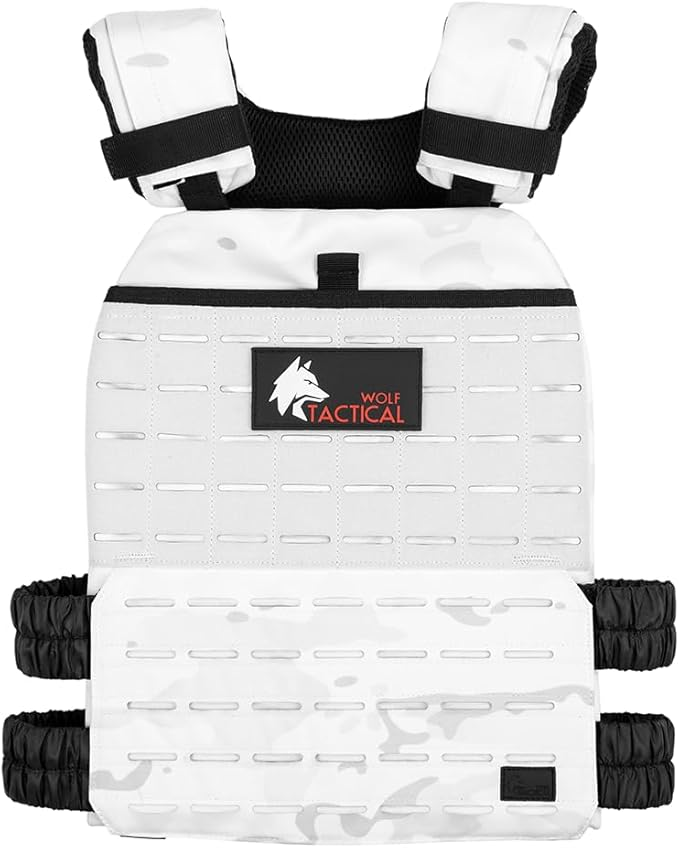
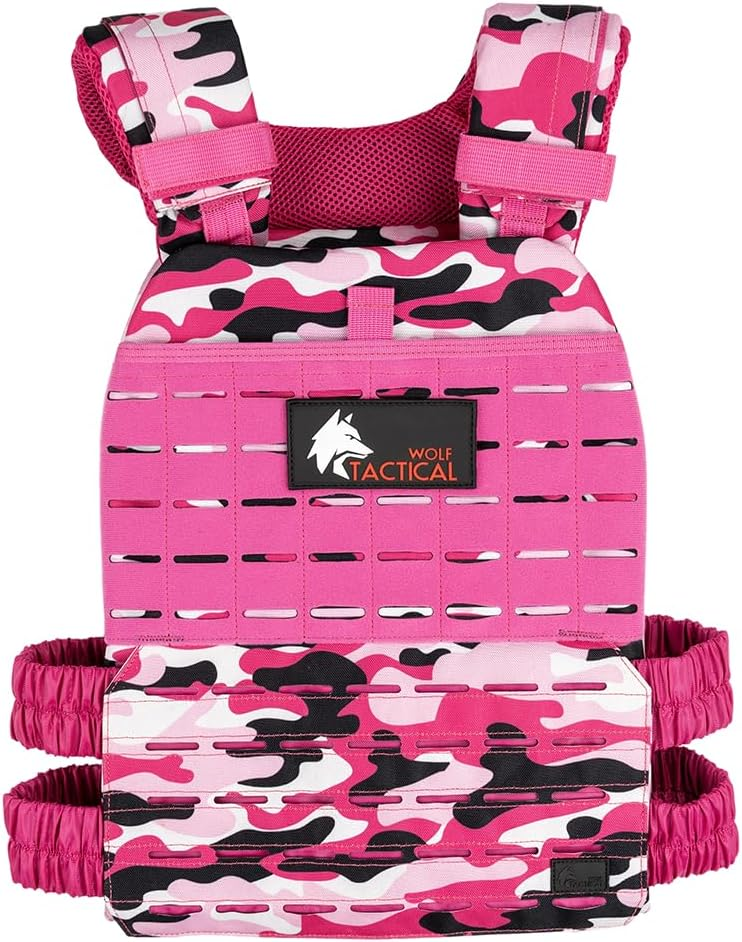
The Wolf Tactical Adjustable Weighted Vest is a solid value for most walkers: breathable, easy to cinch tight, and simple to scale up as you get fitter.

Wolf Tactical Adjustable Weighted Vest for comfortable fat-loss walking
Wolf Tactical Adjustable Weighted Vest: breathable, snug fit, and scalable load for daily walks.

If you want premium comfort and durability, the 5.11 TacTec Trainer Weight Vest rides close to the body and stays put on hills or intervals.

5.11 TacTec Trainer Weight Vest for stable, comfortable weighted walks
5.11 TacTec Trainer: stable and comfortable for longer sessions and mild hills.

Common mistakes to avoid

  • Too heavy, too soon: Jumping straight to 20–30% bodyweight stalls progress and irritates joints.
  • Running in a vest: Keep it to fast walking; save jogging for unweighted days.
  • Daily hard sessions: Aim for 2–4 focused walks/week and sprinkle easy recovery walks in between.
  • Ignoring nutrition: Track portions, prioritize protein, and keep the deficit moderate.

Bottom line

Yes, you can lose weight wearing a weighted vest. Choose a comfortable vest, start light, walk consistently, and pair it with a steady calorie deficit. Progress the load gradually and you’ll see reliable, sustainable fat loss without beating up your joints.

Posted in Weighted Vest Training | Tagged , , , , | Comments Off on Can You Lose Weight Wearing a Weighted Vest? How to Do It Safely and Effectively

How to Train Safely with a 60 lb Weighted Vest

Why a 60 lb weighted vest is different

A 60 lb weighted vest puts significant extra load on the body and changes the stimulus of walking, running, and bodyweight work. This weight is closer to military-style loads than casual fitness vests, so approach it like a training progression: technique, volume, and recovery matter more than raw pride. I write this from field experience—weighted vests are one of the most direct ways to increase intensity without speed work—but you must manage biomechanics and recovery.

Preston Shamblen before and after 90 lb weight loss through weighted-vest training and rucking
Preston Shamblen’s 90 lb transformation achieved through consistent weighted-vest work, rucking, and strength training.

Is 60 lb appropriate for you?

Short answer: maybe. If you’re already adapted to lower weights (10–30 lb), 60 lb should be introduced gradually. If you have a background in loaded marches, barbell work, or strong posture under load, you can more quickly adapt. If you’re new to load carriage, treat 60 lb as a target rather than a starting point.

Training considerations

  • Progressive loading: Add 5–10 lb per week of training load, monitor soreness and form.
  • Prioritize posture: Keep a neutral spine and avoid excessive forward lean—hips and glutes should accept the load.
  • Shorter, harder sessions: With 60 lb, start with 10–20 minute walks or concentrated calisthenics rather than long endurance rucks.
  • Recovery: Increase protein, sleep, and mobility work. Heavy vest days need active recovery days after.
  • Footwear and surface: Use stable shoes and avoid very uneven terrain at first to reduce injury risk.

Sample 4-week progression (for experienced trainees)

Assumes you can already handle 25–35 lb for walking sets.

  • Week 1: 40 lb — 2 sessions of 20 minutes walking at an easy pace + 1 strength session (3×5 weighted squats without pain).
  • Week 2: 50 lb — 2 sessions of 20–25 minutes, add short 60–90 second hills for gait adaptation.
  • Week 3: 60 lb — 1 session of 15–20 minutes; 1 session of intensity intervals (6×1 minute brisk uphill).
  • Week 4: 60 lb — 2 sessions (20–30 minutes) if no pain and mobility maintained; keep one low-load day for recovery.

Exercise selection with 60 lb

Stick to compound, controlled movements: rucked walks, steep-grade walking, loaded step-ups, and slow tempo squats. Avoid repetitive high-impact running in a heavy vest—impact with 60 lb is a fast path to joint irritation.


Kensui EZ-VEST MAX V2 heavy weight vest for rucking and calisthenics
Kensui EZ-VEST® MAX V2, designed for high-capacity weighted training and heavy calisthenics.

For truly heavy, strength-focused vest work consider the Kensui EZ-VEST® MAX V2. If you want a more form- and comfort-focused option for long walks, the Wolf Tactical Adjustable Weighted Vest is easier on shoulders and fit adjustments.

Estimate energy cost

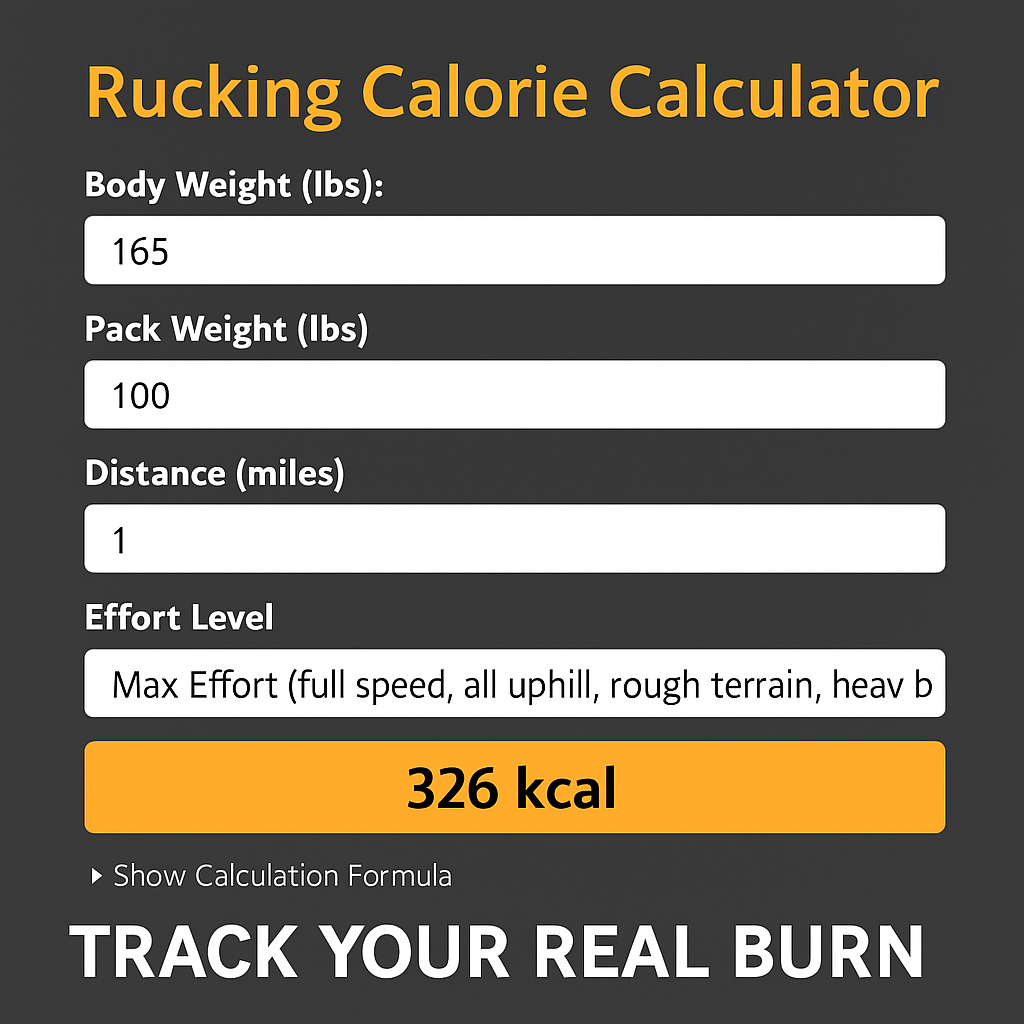
Use the rucking calorie calculator to estimate how many calories a 60 lb vest adds to a walk or ruck. It gives practical numbers you can plan around for nutrition and weight-loss goals.


Rucking calorie calculator screenshot
Estimate calories burned with a weighted vest and ruck using the Rucking Calorie Calculator.

Final notes

Sixty pounds is a serious training tool. Respect the load, progress slowly, and keep technical standards high. If you’ve lost large amounts of weight or manage chronic conditions, consult a trainer or clinician before pushing heavy vest loads. In my experience, disciplined progression and consistent recovery are the difference between long-term gains and nagging injuries.

Posted in Weighted Vest Training | Tagged , , , | Comments Off on How to Train Safely with a 60 lb Weighted Vest

Weighted Vest for Rucking: How to Choose and Train

Why a weighted vest for rucking works

Using a dedicated weighted vest changes the movement pattern of long walks and tactical rucks. A vest centers weight on the torso, improving balance and allowing a more natural gait than shoulder-only loads. For endurance and consistent calorie burn, a properly fitted vest reduces chafing and spinal torque while keeping your heart rate in a reliable zone for long-duration work.

Key benefits

  • Even load distribution for better posture and reduced shoulder strain.
  • Simple progression—add small plates or increase fill to raise intensity.
  • Easy to combine with bodyweight drills and hill work without a bulky pack.

How to choose the right vest

Start by prioritizing fit and adjustability. If you plan long-distance rucks or to carry hydration and extra kit, choose a ruck-friendly option or pair the vest with a low-profile pack. For most people new to rucking, a 10–25% bodyweight rule is a sensible starting point—aim for the lower end if you have joint history or are building habit.

Materials and modularity matter. Look for a vest with secure plates or pockets that keep weight tight to your chest and back. If you want a simpler, beginner-friendly option, a neoprene-style vest with small sand or plate pockets works well. If you plan heavier loading or tactical calisthenics, select a reinforced plate-compatible vest.

Practical training progression

Progression should be measured in load and mileage, not ego. A sample 8-week plan:

  • Weeks 1–2: 10–20 minutes, 2–3x per week, vest at 5–10% bodyweight.
  • Weeks 3–4: Increase to 20–40 minutes, 10–12% bodyweight, add short hills.
  • Weeks 5–8: Increase duration to 60+ minutes and weight to 15–20% as tolerated.

Form cues

  • Maintain upright chest and avoid excessive forward lean.
  • Shorten stride if you feel lower-back strain; cadence wins over long strides.
  • Keep shoulders relaxed and let the hips carry the work—don’t let the vest pull your shoulders forward.

Gear recommendations for rucking

For long-distance or military-style rucks, a purpose-built ruckpack pairs best with a vest. I often recommend a rugged, low-profile ruck for added cargo and hydration capacity.


GORUCK Rucker 4.0 20L pack
GORUCK Rucker 4.0 20L is durable for long rucks and pairs well with a vest.

Consider the GORUCK Rucker 4.0 20L if you need a tough carry system for mixed terrain.


CamelBak Motherlode 100oz hydration backpack
CamelBak Motherlode provides hydration plus space for extra plates—ideal for long rucks.

When I recommend a rucksack for hydration and adjustable load, the CamelBak Motherlode 100oz is a reliable choice.

Estimate your calorie burn

Knowing estimated calories helps you plan nutrition and recovery. Use the rucking calorie calculator below to plug in your weight, pace, distance, and vest load. I use this same approach to track training load and adjust food for recovery.


Rucking calorie calculator screenshot

Click the calculator image to open the tool and get a quick estimate for your upcoming ruck. Use conservative numbers for hills and extra weight—real-world burn is often higher in technical terrain.

Final tips

Prioritize mobility, gradual load increases, and hydration. If you’re starting from walking fitness, keep the first month about habit-building rather than high intensity. A weighted vest for rucking gives predictable load and keeps training simple: pick a vest that fits, add small increments of weight, and keep the miles consistent.

Posted in Weighted Vest Training | Tagged , , , , | Comments Off on Weighted Vest for Rucking: How to Choose and Train

50 pound vest: how to train safely and get results

Why choose a 50 pound vest?

A 50 pound vest is a meaningful training load. It shifts a walking session into a strength-endurance workout, increases metabolic demand, and forces better posture and bracing. Used correctly, it’s one of the most efficient tools to add progressive overload to bodyweight movements and rucks.

Who should consider 50 pounds?

If you have a solid base of rucking or weighted-vest experience (months of progressive loading), no unresolved joint pain, and a focus on walking, loaded conditioning, or weighted calisthenics, 50 lb is a sensible target. If you’re newer, you’ll want to build up gradually.

Progression and safety

Training with heavy external loads demands attention to progression, recovery, and technique. Take a conservative approach:

  • Start lighter and add weight in 5–10% increments per week at most.
  • Prioritize posture: chest up, neutral spine, engaged glutes and core.
  • Limit session duration early—30–45 minutes is plenty for new heavy sessions.
  • Use intervals: alternate loaded walking with unloaded mobility or strength sets.
  • Monitor recovery: sleep, hunger, and joint soreness dictate adjustments.

Sample 8-week build for a safe ramp to 50 lb

  • Weeks 1–2: 15–25 lb rucks, 3× week, 20–30 minutes.
  • Weeks 3–4: 25–35 lb rucks, 3× week, introduce 2 short hill efforts.
  • Weeks 5–6: 35–45 lb, 2–3× week, add loaded step-ups and carries.
  • Weeks 7–8: test 50 lb in a single 20–40 minute session, evaluate sore spots and form.

Equipment that handles heavy loads

For a true 50 lb load, durability and fit matter. I recommend gear built for heavy plates and aggressive movement:


Kensui EZ-VEST MAX V2 heavy capacity weighted vest
Kensui EZ-VEST® MAX V2—built for heavy, repeatable loading and calisthenics.

I use the Kensui EZ-VEST® MAX V2 (300 lbs) when sessions require secure plates and a rigid platform for explosive work or high-volume loaded sets.


GORUCK Rucker 4.0 20L for heavy rucks
GORUCK Rucker 4.0—good option if you prefer a rucksack-style heavy carry.

For longer rucks that mix endurance and packing comfort, the GORUCK Rucker 4.0 20L is a solid complementary option.

How many calories will a 50 lb vest burn?

Calorie burn depends on pace, terrain, and body weight. Use the rucking calorie calculator below to estimate your session burn and plan nutrition and recovery. Plug in your weight, pace, distance, and load to get a realistic number before you push hard.


Rucking Calorie Calculator screenshot
Estimate burn for weighted rucks with the Rucking Calorie Calculator.

Real-world tips from Coach Preston

As someone who dropped 90 lbs through consistent rucking, weighted-vest work, and disciplined nutrition, I still recommend progressive weighted vests as one of the most reliable tools to keep weight off and build work capacity. Start conservative, treat heavy sessions like strength training, and prioritize recovery.

Quick checklist before a 50 lb session

  • Check straps and plate security.
  • Warm up hips and thoracic mobility.
  • Plan a conservative route—shorter loops and easy exit points.
  • Bring water and have a plan to scale load or duration if form degrades.

Train smart, progress slowly, and use gear built for the load. A 50 pound vest is a powerful tool—respect it, and it will deliver consistent strength and metabolic gains.

Posted in Weighted Vest Training | Tagged , , , , | Comments Off on 50 pound vest: how to train safely and get results

Ruck Weight Vest: How to Choose, Fit, and Train with One

Why a ruck weight vest beats a random backpack for loaded walking

A ruck weight vest turns walking into focused load carriage. Unlike a standard backpack, a properly fitted vest keeps the load centered on your torso, improves posture, and reduces bounce so you can train longer with less skin irritation. This post covers fit, progression, and practical training tips for a ruck weight vest you can use on trails, roads, and mixed-terrain rucks.

Key benefits of training with a ruck weight vest

  • Higher calorie burn per minute compared with bodyweight walking at the same pace.
  • Better posture and spinal alignment under load compared to uneven backpack loads.
  • Safer, more consistent placement for plates and sandbags—reduces chafing and shifting.

How to choose the right ruck weight vest

Choose a vest that matches your goals. For beginner and fitness-focused ruckers, look for comfort, adjustability, and modular pockets to add small weight increments. For heavy strength or calisthenics work, a robust plate-compatible vest is better. I recommend starting with a vest you can comfortably add 10–20% of your bodyweight to and progress from there.

Fit checklist

  • Shoulder straps sit on the meat of the shoulder, not the neck.
  • Chest and waist straps allow you to lock the vest in—no slop or vertical bounce.
  • Weight pockets are centered and low enough to keep your center of mass stable.

Practical progression and programming

Start with short sessions: 20–30 minutes of walking with 5–10% bodyweight in the vest, two to three times per week. Add weight in small increments (5–10 lbs) or add time before increasing load. A simple progression looks like:

  • Weeks 1–2: 20–30 minutes, 5–10% bodyweight.
  • Weeks 3–4: 30–45 minutes, +5 lbs or +10 minutes.
  • Weeks 5+: mix tempo walks, hill repeats, and lighter recovery days to build durability.

Safety: breathing, pacing, and recovery

Breathe through the nose and mouth, keep cadence steady, and watch for hot spots on the skin. If seams or straps dig in, adjust or add thin padding. Always cool down and stretch hips and lats after loaded walks.

Recommended gear

For most ruck weight vest users I recommend practical, durable vests that balance comfort and modular loading. For everyday rucks pick a comfortable tactical vest; for heavier plate work choose a plate-capable model.


Wolf Tactical Weighted Vest for rucking and walking
Wolf Tactical Weighted Vest: comfortable, adjustable, and ideal for progressive rucking.

For those blending long-distance rucks with load carriage, a solid ruckpack is a smart complement:


GORUCK Rucker 4.0 20L ruckpack
GORUCK Rucker 4.0 20L: rugged pack for true ruck miles and heavier loads.

Estimate your calorie burn with a simple calculator

Want to know how many calories a session with a ruck weight vest burns? Use the rucking calorie calculator to plug in your weight, pace, distance, and vest load. It’s the fastest way to plan progressive sessions and align rucking with your nutrition.


Rucking calorie calculator screenshot
Open the calculator to estimate calorie burn for vest or backpack rucks.

Experience and coaching note

As someone who coaches ruck-based transformations, I keep the guidance simple: small, consistent increases in time or load beat occasional huge jumps. I’m Preston Shamblen, ISSA-certified, and I lost 90 lbs through disciplined rucking, weighted-vest work, and nutrition. I still recommend a well-fit ruck weight vest as one of the most reliable tools to maintain a lower body weight and burn fat consistently.

Final tips

  • Prioritize fit and comfort before chasing heavy numbers.
  • Use incremental plate sizes or sandbags to fine-tune load.
  • Track sessions and calories with the calculator to keep progression honest.

Rucking is simple, repeatable, and scalable. With a properly chosen ruck weight vest you get efficient calorie burn, better posture under load, and a training tool that translates to everyday strength and endurance.

Posted in Weighted Vest Training | Tagged , , , | Comments Off on Ruck Weight Vest: How to Choose, Fit, and Train with One

Weighted hiking vest: how to pick weight, fit, and train smarter on trails

A weighted hiking vest lets you add meaningful load to your walks and trail days without the shoulder pinch, hand fatigue, or balance issues that can come with a full backpack. Used correctly, it boosts calorie burn, leg strength, and uphill stamina while keeping your hands free for poles and technical terrain.

Why use a weighted hiking vest?

  • Hands-free loading: keep your arms free for poles, scrambling, or bracing on descents.
  • Even weight distribution: front/back plates balance the load and reduce shoulder hot spots.
  • Efficient calorie burn: modest added weight noticeably increases energy expenditure on flats and climbs.
  • Posture practice: a snug vest cues a tall chest and stacked hips over feet—great for uphill efficiency.

How much weight to start with

Start light and earn your load. Most hikers do best beginning at 5–10% of bodyweight. Cap beginners at 15 lb on uneven terrain. Progress by 2.5–5 lb only after you can:

  • Hike 45–60 minutes at conversational pace with stable breathing.
  • Finish without joint pain or sloppy downhill footwork.

Seasoned hikers can work toward 10–15% of bodyweight, but keep descents cautious and shorten stride to protect knees.

Fit and comfort that matter on trail

  • Four-point adjustment: stop bounce. The vest should hug your torso without restricting breath.
  • High, compact load: plates carried high keep hips free and center of mass tight for switchbacks.
  • Breathability: mesh channels and open sides help on warm days.
  • Quick release: useful for creek crossings or heat checks.

Field-tested vest picks

If you want an affordable, adjustable option that rides close and stays quiet on dirt, the Wolf Tactical Adjustable Weighted Vest is a solid start.

Wolf Tactical Adjustable Weighted Vest for hiking and rucking
Wolf Tactical Adjustable Weighted Vest: stable fit and great value for trail training.

Prefer premium construction and excellent ventilation? The 5.11 Tactical TacTec Trainer Weight Vest is consistently comfortable on longer climbs.

5.11 TacTec Trainer Weight Vest for trail hiking
5.11 TacTec Trainer: breathable, secure, and durable for mixed terrain hikes.

Technique: hike stronger, stay safer

  • Warm up 5–10 minutes unweighted, then don the vest.
  • Uphill: shorten stride, keep cadence steady, drive elbows back; avoid leaning too far forward.
  • Downhill: shorten stride more and land softly under hips; let poles take 5–10% of the load.
  • Surfaces: start with crushed gravel or firm singletrack before technical rock or roots.
  • Breathing: nose-in/mouth-out on flats; on climbs, use a 2-in/2-out rhythm to stay aerobic.

Plan your effort and track calorie burn

Estimate how much energy your vest hikes cost and scale the load or route accordingly. Use this simple tool to dial in distance, pace, bodyweight, and added load.

Rucking Calorie Calculator

Screenshot of the Rucking Calorie Calculator for weighted vests and rucking

Tip: log your results alongside route, terrain, weather, and how your legs felt on the last descent. You’ll spot when to nudge weight up—or when to back off.

Simple weekly template

  • Day 1: 40–60 min vest hike on rolling terrain at easy effort.
  • Day 3: Hill repeats, 6–10 x 2–3 minutes climb, walk down recover.
  • Day 5: Unweighted recovery hike or strength session (squats, split squats, calf raises).
  • Day 7: Longer vest hike, 60–90 min on moderate grades; keep last 15 min easy.

Deload every 4th week: cut volume by ~30% and maintain weight. If knees or low back talk to you, reduce load first, not frequency, and prioritize technique review and softer surfaces.

Hydrate early and often, use poles on loose descents, and skip the vest in extreme heat or when carrying a kid or heavy daypack. If you have a history of joint or cardiovascular issues, get a quick medical green light before adding weight.

Posted in Weighted Vest Training | Tagged , , , , , | Comments Off on Weighted hiking vest: how to pick weight, fit, and train smarter on trails

Unbroken Designs Weight Vest: Practical Rucking and Training Guide

Quick take: Unbroken Designs weight vest for rucking and training

The Unbroken Designs weight vest is one of several dedicated weighted-vest options people choose for outdoor rucking, hill work, and everyday conditioning. This guide focuses on practical fit, load distribution, comfort during walking or rucking, and simple programming you can use on the trail. I write from an outdoor-first training perspective: durable gear, realistic progressions, and safety over gimmicks.

Fit and construction — what matters

A solid weight vest for outdoor use needs two things: stable load placement and breathable materials. Unbroken Designs tends to use fixed pockets and a contoured shape so the weight rides close to your torso. That reduces bounce during brisk walks and short runs.

  • Shoulder padding: Look for wide, low-profile straps that don’t dig when the weight shifts.
  • Chest and belly stabilization: A simple strap across the sternum prevents the vest from migrating upward as you breathe or step up a grade.
  • Materials: Heavy-duty nylon or Cordura with reinforced stitching is preferred for repeated outdoor use.

Comfort tips when rucking with a weighted vest

Weighted vests change your gait and breathing. Start light and focus on consistent cadence. If the Unbroken Designs vest you’re testing allows plate-style inserts, place heavier plates lower and centered to keep the center of mass tight to your hips.

  • Break in over short walks (20–30 minutes) before a long ruck.
  • Wear a wicking base layer to reduce chafing under the vest.
  • Adjust straps after 10–15 minutes — a snug vest will feel better after the initial movement set.

Programming: beginner to intermediate sessions

Follow a simple progression: time on feet first, then add load. For new users, use 5–10% of body weight and walk 20–40 minutes three times a week. Increase load 2–5% every 2–3 weeks depending on recovery. For intermediate trainees, incorporate hill repeats and tempo rucks with 10–20% body weight and mixed walk/run segments.

Safety checklist

  • Do a movement screen: no sharp back pain or joint issues before adding load.
  • Listen to breathing — if cadence collapses, reduce load or pace.
  • Hydrate and compressively layer for colder weather; keep plates secure to avoid shifting.

Estimate your calorie burn

Want to know how much work a ruck with the Unbroken Designs weight vest actually does? Use the Rucking Calorie Calculator to estimate burn for walks, hikes, or weighted sessions. Click the screenshot below to open the calculator and enter your weight, load, distance, and pace.


Rucking Calorie Calculator screenshot

Complementary gear I recommend

For longer rucks or when you want hydration and cargo, pairing a weight vest with a proper ruck delivers better long-distance comfort. The GORUCK Rucker 4.0 is a proven ruck for miles and load-carrying; I recommend it for extended routes where weight distribution and durability matter.

For a beginner-friendly plated vest option, the Wolf Tactical Simple Weighted Vest is a reliable, comfortable choice for walks and short rucks.


GORUCK Rucker 4.0 20L pack for long rucks
GORUCK Rucker 4.0: durable 20L ruck used for long-distance load carrying and tactical routes.

Consider the Wolf Tactical Simple Weighted Vest if you need a low-profile, adjustable option that’s comfortable for walking and short training sessions.


Wolf Tactical Simple Weighted Vest for rucking and walking
Wolf Tactical Weighted Vest: beginner-friendly fit for walks and weighted conditioning.

Bottom line

The Unbroken Designs weight vest can be a solid tool if it fits correctly and you use it progressively. Prioritize comfort, plate security, and gradually increase load while tracking time on feet. Use the rucking calorie calculator linked above to quantify work and adjust your programming to match recovery and goals.

Posted in Weighted Vest Training | Tagged , , , , | Comments Off on Unbroken Designs Weight Vest: Practical Rucking and Training Guide

Harkla Weighted Vest: Fit, Function, and Practical Use

Why the Harkla weighted vest matters for real-world training

The Harkla weighted vest is often recommended for sensory and therapeutic use, but many outdoor athletes and ruckers ask whether it works for walking, fat loss, and general conditioning. This guide focuses on real-world fit, safety, and how to use a Harkla-style vest safely during walks, short rucks, and everyday movement.

Key fit and construction points

A well-fitting vest keeps load close to your center of mass and avoids bouncing or shoulder strain. When evaluating a Harkla weighted vest or similar designs check for:

  • Adjustable straps to secure the torso without pinching.
  • Even weight distribution—small dense pockets beat a single heavy plate.
  • Materials that breathe; long walks generate heat and sweat.

How to use a Harkla weighted vest for walking and short rucks

Start conservative. For most beginners the goal is consistent work, not maximum load. A common progression looks like this:

  • Week 1–2: 5–10% of bodyweight for 20–30 minute walks, focusing on posture and cadence.
  • Week 3–6: Move to 10–15% of bodyweight, extend sessions to 45–60 minutes, or add easy hills.
  • Beyond week 6: Gradually add weight or distance, but keep at least one recovery day per week.

Pay attention to shoulder or low-back irritation—those are signs to reduce weight or adjust fit.

Practical benefits and limitations

Benefits: a Harkla-style vest can improve daily calorie burn, strengthen postural muscles, and provide a predictable, low-impact loading stimulus. Limitations: therapeutic vests may not be designed for heavy dynamic movement; if you plan to do heavy calisthenics or military-style rucks, choose a vest or plate carrier rated for higher loads.

Simple checklist before you step outside

  • Check fit: no pinching at shoulders or armpits.
  • Start light and increase by 1–2 pounds every 1–2 weeks based on comfort.
  • Hydrate, use sun protection, and choose routes with easy exits if you need to remove the vest quickly.

Recommended beginner-friendly option

For people using a Harkla-type vest as a daily tool I often advise a comfortable, adjustable model that limits bounce and allows small incremental loading. The Wolf Tactical Simple Weighted Vest (Men/Women) is an affordable entry point with modular weight pockets and a slim profile.


Wolf Tactical Simple Weighted Vest for walking and rucking
Simple, low-profile weighted vest with modular pockets—good for stepwise progression.

Estimate calorie burn quickly

If you want to see how adding a vest changes calorie burn, use the rucking calorie calculator. It works for weighted vests and short load-carrying walks—enter your weight, walking pace, and vest load to get a straightforward estimate.

Rucking calorie calculator screenshot

Final coaching notes

Use the Harkla weighted vest purposefully: choose load for consistent progression, not maximum discomfort. Track distance, pace, and how your body feels. If you experience persistent pain or numbness, stop and reassess fit or consult a physical therapist. With modest, steady progress, a therapeutic-style vest can be a practical tool for daily conditioning and increased calorie burn.

Posted in Weighted Vest Training | Tagged , , , , | Comments Off on Harkla Weighted Vest: Fit, Function, and Practical Use

How to Train with a Workout Plate Carrier Vest

Why choose a workout plate carrier vest?

A workout plate carrier vest shifts the loading point high on the torso and keeps weight centralized, which changes how your body moves under load. If your goal is heavier strength work, tactical conditioning, or weighted calisthenics, a plate carrier lets you stack plates safely and keep the load stable during dynamic movement.

Key differences vs soft weighted vests

  • Rigid plate carriers allow much higher absolute loads without the vest deforming.
  • Plate placement changes posture; expect more upper-back engagement and reduced hip sway compared with low soft vests.
  • You get modular loading — add or remove plates to match a specific training phase.

How to use a plate carrier safely

Follow these basics before you increase weight: prioritize posture, keep the spine neutral, and progress in small increments. A plate carrier concentrates mass near the upper chest and shoulders. That’s ideal for weighted calisthenics, farmer-carry progressions, and short, heavy rucks — but it demands attention to thoracic mobility and scapular control.

Practical checklist

  • Fit the carrier so plates sit high but not on your throat — collarbone level is a good reference.
  • Start with 10–20% of bodyweight for movement learning, then add 5–10% every 1–2 weeks based on movement quality.
  • Include mobility work for the upper back and shoulders to keep range of motion for presses and pull-ups.
  • Limit heavy dynamic reps (running, bounding) with plates until you’ve built load tolerance.

Sample two-week progression (novice to intermediate)

Use this as a template — adjust based on fitness and recovery. Keep sets conservative and prioritize clean technique.

  • Week 1: Light technical work — bodyweight pull-ups, push-ups, and loaded carries with 10–20% bodyweight in the carrier. Focus on 3 sets of 6–8 quality reps.
  • Week 2: Add load to carries and reduce reps on complex moves. Example: 4 sets of 4 heavy push-ups or dips with increased plates; 3 x 200m loaded carries at moderate pace.

Programming tips for strength and conditioning

Cycle phases: build a strength block (lower reps, heavier plates) then a conditioning block (lighter plates, higher volume, longer rucks). Keep at least one day for mobility/reset. Track load and perceived exertion rather than chasing maximum plate weight every session.

Accessory gear recommendation

If you plan to train heavy or do plate-based calisthenics, use a product built for high loads. The Kensui EZ-VEST® MAX V2 is rated for very high loads and designed for repeated heavy use — ideal for strength-oriented plate carrier work.


Kensui EZ-VEST MAX V2 plate carrier vest for heavy loading
High-capacity plate carrier for heavy strength and calisthenics work.

Estimate calorie burn for loaded sessions

Plate carrier work increases energy cost — especially when you add carries or rucking-style walks. Use the rucking calorie calculator to estimate session burn and align nutrition with your goals.


Rucking calorie calculator screenshot

Final notes

A workout plate carrier vest is a powerful tool for anyone serious about strength under load. Respect the specificity: heavy plates change movement mechanics and recovery needs. Keep progress measured, prioritize joint health, and integrate unloaded movement drills so your body adapts to force without losing mobility.

Posted in Weighted Vest Training | Tagged , , , , | Comments Off on How to Train with a Workout Plate Carrier Vest

Plate Carrier for Working Out: How to Train Safely and Progressively

Why choose a plate carrier for working out?

A plate carrier shifts how you load the body compared to a soft weighted vest. It places weight higher on the torso and lets you add rigid plates for predictable load distribution. That stability is useful for strength movements, loaded carries, and tactical training where you need the plates to stay in place without shifting.

Key benefits

  • Consistent, balanced loading for squats, lunges, and carries.
  • Higher weight capacity than many commercial soft vests.
  • Durability for outdoor workouts and rucking when you want heavier progressive overload.

Fit, comfort, and setup

Fit is the first priority. A carrier that rides too low will interfere with hip hinge and a carrier that rides too high will restrict shoulder mobility. Look for adjustable shoulder straps and a cummerbund you can tighten. If you’re new to plate carriers, start with a lighter load and work on movement quality first.

I recommend checking a proven option like GORUCK Ruck Plate Carrier 3.0 for a robust, field-tested platform. It’s built for heavy loads and long outdoor use, so it’s a solid choice if you plan to progress into heavier plates.


GORUCK Ruck Plate Carrier 3.0 for training
Durable plate carrier for heavy load training and rucking.

Programming and progression

Use a plate carrier like a strength tool. Treat it as external load and follow progressive overload principles. Typical progressions work well:

  • Weeks 1–2: Bodyweight movements with light plates or no plates to dial technique.
  • Weeks 3–6: Add small incremental plate weight (5–10 lb total) and increase reps, then sets.
  • Beyond week 6: Move toward heavier sets for lower reps on compound lifts, and use loaded carries for conditioning.

Workouts to prioritize

  • Loaded carries (farmer carry, rucksack march): build grip, posture, and conditioning.
  • Goblet-style squats and split squats with the carrier for closed-chain stability.
  • Short circuits mixing bodyweight movements and carries for metabolic conditioning.

Safety considerations

Always warm up the thoracic spine and shoulders before loading a carrier. Watch breathing and bracing during heavy sets — a plate carrier restricts rib expansion if worn too tight. If you feel joint pain (not muscle fatigue), reduce load or change the movement. Use plates rated for rucking or plate carriers, and distribute weight evenly front/back when possible.

Estimate calorie burn and plan sessions

Want to estimate how many calories you burn per session with a plate carrier? Use the rucking calorie calculator to model your load, pace, and duration. It’s an easy way to plan weekly training for strength and fat-loss goals.

Rucking calorie calculator screenshot

Practical tips for long sessions

  • Use padding or a thin carrier liner to prevent plate edges from digging into the chest.
  • Hydrate and fuel appropriately for longer loaded walks — carry water in a bladder or bottle.
  • Rotate sessions between heavy, low-rep strength days and lighter, higher-volume conditioning days to manage recovery.

Plate carriers are a powerful tool when used with respect for technique and progression. Start light, prioritize movement quality, and add weight methodically. With consistent, sensible programming you’ll build durable strength and conditioning while minimizing injury risk.

Posted in Weighted Vest Training | Tagged , , , , | Comments Off on Plate Carrier for Working Out: How to Train Safely and Progressively