Brute Force Training Vest: heavy-load strategies and safe progressions

Why the brute force training vest works for strength-focused rucking

The brute force training vest is built to take heavier loads and stay stable during hard efforts. If your goal is to add external mass to bodyweight movements, walk hard hills, or bring weighted carries into your routines, a heavy-duty vest changes the stimulus: you recruit more posterior chain, force adaptations in posture and breathing, and get a consistent metabolic load that’s easy to scale.

Key considerations before you load up

  • Fit first: get the vest snug to avoid shifting. Movement tolerance drops when plates slide.
  • Progression: add weight in 5–10% jumps of your bodyweight across weeks, not days.
  • Technique: prioritize hinge mechanics, braced breathing, and a short stride when rucking heavy.

How to structure a heavy-vest session

Think in blocks: warm-up, strength or ruck interval, and a controlled cooldown. For a brute-force approach you can pair heavy 10–20 minute loaded walks with short strength sets to keep the heart rate elevated while working capacity.

Sample session

  • Warm-up: 5 minutes unloaded mobility and 3 minutes easy walk.
  • Main: 3 rounds of 12 minutesLoaded walk at challenging pace with 60–75% of your planned vest load, 2 minutes rest between rounds.
  • Accessory: 3×8 weighted chin-ups or lunges with the same vest (stop if form collapses).
  • Cooldown: 8–10 minutes easy walk without the vest, stretch hips and thoracic spine.

Choosing gear for heavy loading

Heavy loading demands a vest built to distribute plates and protect your body. For maximal loading and structured strength, I recommend the Kensui EZ-VEST® MAX V2, which takes large loads and stays rock solid during weighted calisthenics and hard rucks. Use that vest when your priority is pure overload and progressive plate additions.


Kensui EZ-VEST MAX V2 heavy duty weighted vest
High-capacity vest built for heavy training and maximal plate loads.

Complement heavy vests with hard plates when you want incremental loading. The Yes4All Ruck Weight Plate (10–45 lb) gives clear weight jumps for progressive overload and can be used inside compatible carriers.


Yes4All ruck weight plate for training vests
Durable steel plates with predictable increments for steady progress.

Monitoring intensity and calories

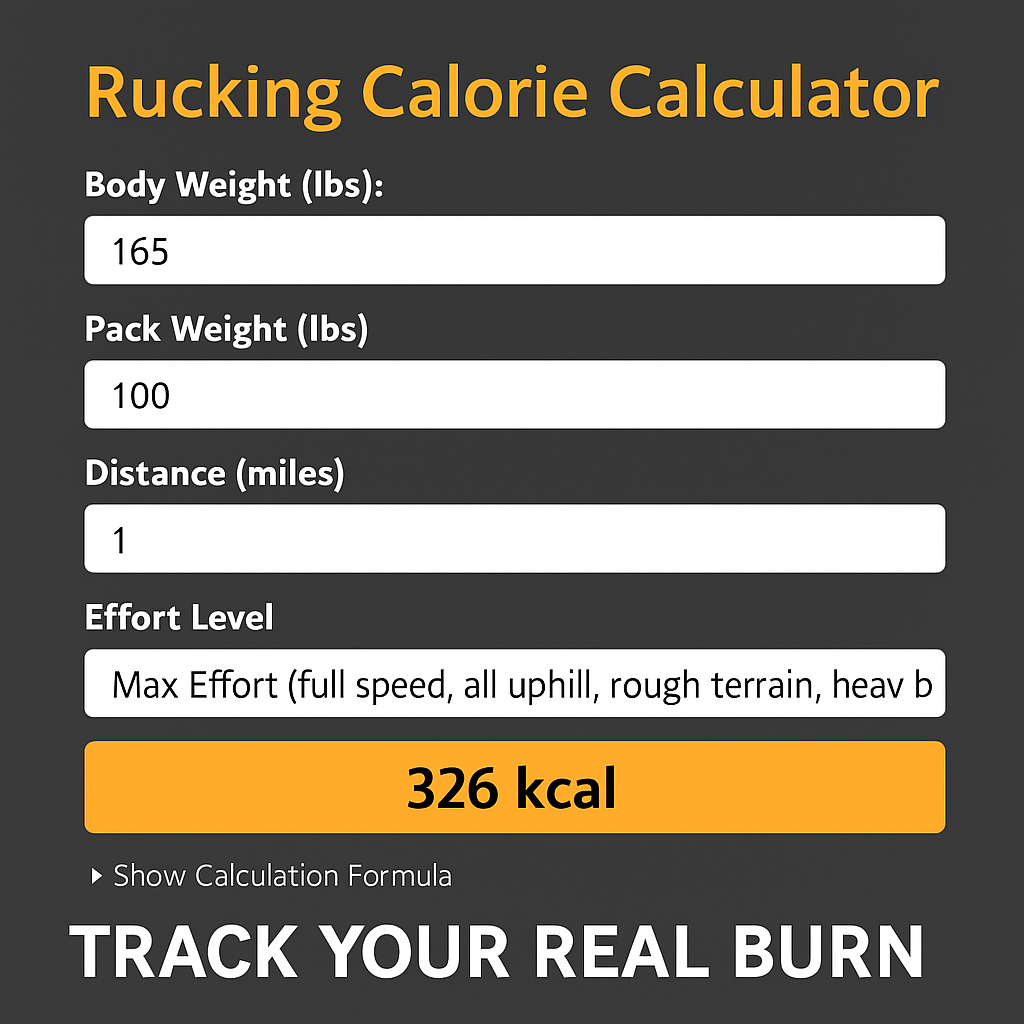
When you’re training heavy, intensity isn’t just about heart rate — it’s about how your joints and nervous system tolerate load. Use a calorie estimate to compare sessions and plan recovery. Try the rucking calorie calculator below to estimate burn for weighted walks and vest sessions.


Rucking calorie calculator screenshot

That calculator helps you translate time, pace, and load into actionable energy numbers so you can plan calorie targets and recovery. Use it after a few sessions to create realistic weekly volume and make safer weight additions.

Final tips from the field

As an ISSA-certified trainer who lost 90 lbs through rucking, weighted-vest training, and disciplined nutrition, I’ll say this plainly: heavy vests accelerate strength and conditioning, but they expose technical faults. Keep load increases conservative, invest in a vest that locks plates in place, and prioritize mobility and breathing. Train like you expect to recover.

When you respect load, the brute force training vest becomes a tool — not a shortcut — to long-term strength, carry capacity, and metabolic work.

Posted in Weighted Vest Training | Tagged , , , , | Comments Off on Brute Force Training Vest: heavy-load strategies and safe progressions

Weighted vest vs backpack for walking: choose the right load for your goals

If you’re adding load to your walks, you’re already doing more than most. The real question is weighted vest vs backpack for walking: which is better? The short answer—both work, but each shines for different goals, distances, and environments. Here’s how to choose, set up, and progress safely.

How each option loads your body

Weighted vest

A vest places weight close to your center of mass, front and back, with your hands free. That usually means more natural posture and arm swing, less strap pressure on the neck, and easier stair or hill work. Because the load sits on the torso, your trunk and glutes stay engaged without yanking your shoulders forward.

Backpack (ruck)

A pack concentrates weight behind you. Done right (high on the back, cinched tight), it trains the posterior chain and can be more comfortable at higher total loads for long durations. You can add or remove weight on the fly and carry water or layers in the same bag—ideal for mixed-terrain or all-day walks.

Calorie burn: is one higher?

At the same body weight, pace, grade, and duration, calorie burn is similar. The bigger levers are your total system weight and how efficiently you move. A vest may feel slightly more “athletic” for city or stair sessions; a ruck may let you sustain longer sessions at steady heart rates. Use data, not guesses:

Rucking and weighted vest calorie calculator screenshot
Estimate calories for your weight, load, speed, and distance before your next walk.

Safety and fit tips

  • Start light: 5–10% of body weight for beginners. Build gradually toward 15–20% only if joints tolerate it.
  • Vest fit: snug, doesn’t bounce, doesn’t block ribcage expansion. Keep plates or sand evenly distributed front/back.
  • Backpack fit: ride the load high and tight, close to the spine. Use the sternum strap; avoid low, swinging packs that tug the low back.
  • Footwear matters: choose stable shoes with room in the toe box; consider replacing old insoles.
  • Terrain: add hills for intensity before piling on more weight.

When to choose a weighted vest

  • Urban sidewalks, stairs, or trail sections where hands-free balance matters.
  • Short-to-moderate sessions (20–60 minutes) at moderate intensity.
  • Combining walking with bodyweight moves (lunges, step-ups, push-ups) mid-route.

When to choose a backpack

  • Longer outings (60+ minutes) where you may adjust load, pace, or clothing.
  • Carrying hydration, snacks, first aid, or weather layers.
  • Progressing to heavier loads or varied terrain without torso restriction.

Simple starter progressions

  • Vest progression: 2×20–25 minutes per week at 5–10% body weight. Add 5 minutes or 1–2 lb every 1–2 weeks as joints allow.
  • Backpack progression: begin with 10–15 lb for 30–45 minutes. Add 5 lb or 10 minutes every 1–2 weeks. Keep the bag high and strapped.

Recommended gear that fits the job

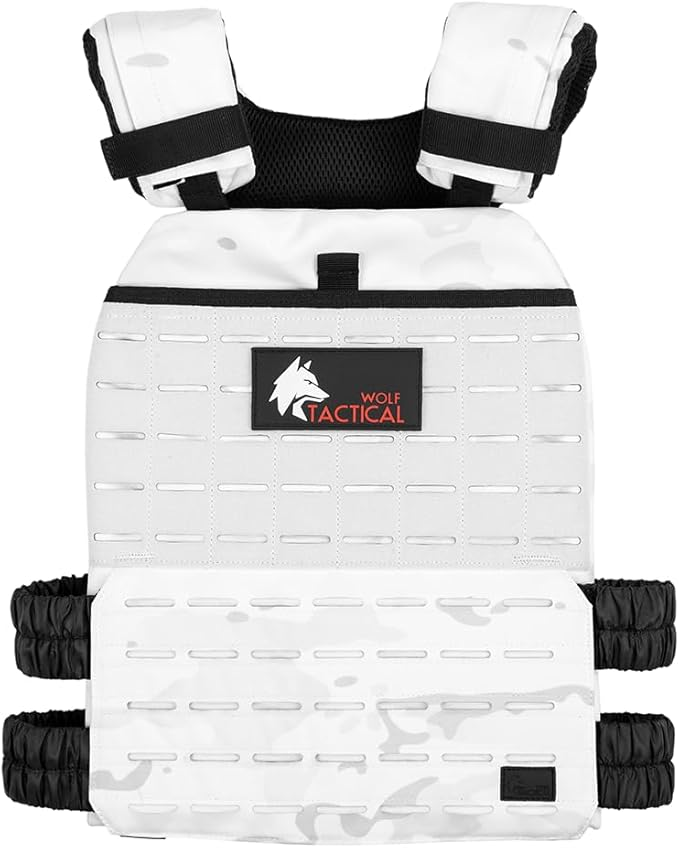
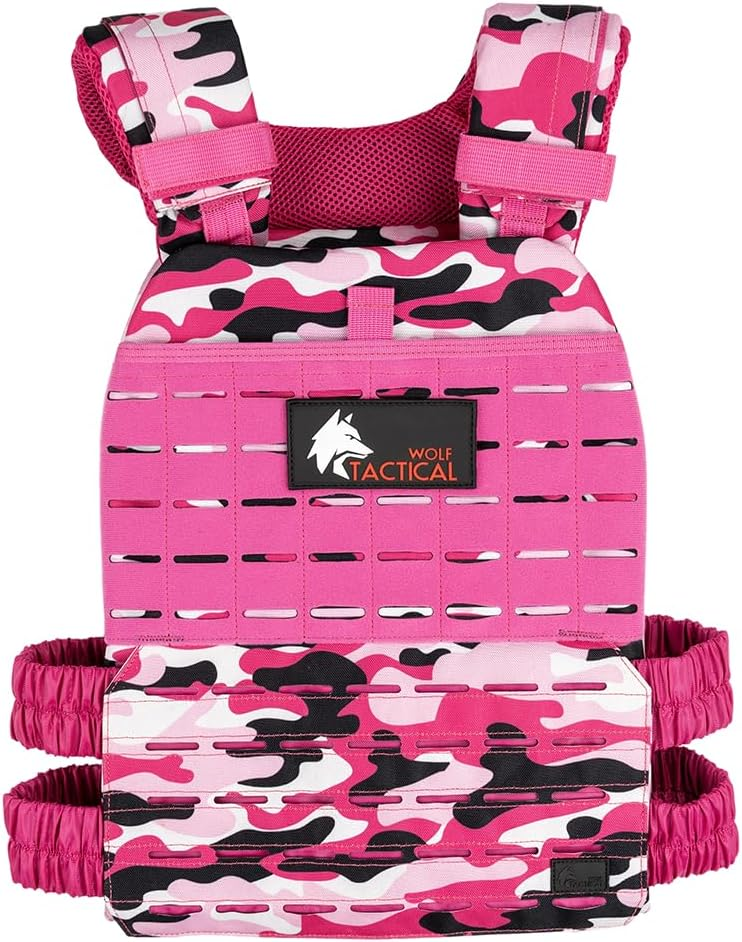
For a comfortable, adjustable vest that stays put on walks, consider the Wolf Tactical Adjustable Weighted Vest.

Wolf Tactical adjustable weighted vest for walking and rucking
Snug, adjustable fit keeps weight close to your center for natural walking posture.

If you prefer a pack built for loaded walking and easy weight changes, the GORUCK Rucker 4.0 20L is a durable choice.

GORUCK Rucker 4.0 20L ruck backpack for weighted walking
High, stable carry with plate compatibility for smooth progression on long walks.

Form cues that protect your joints

  • Tall spine, ribs down, slight forward lean from the ankles (not the waist).
  • Short, quick steps on hills; don’t overstride.
  • Quiet feet and relaxed shoulders; elbows swing naturally with a vest, close to the body with a ruck.

Bottom line

Pick the tool that best matches your route and session length. For compact, hands-free walking and stair work, a weighted vest is tough to beat. For longer efforts, variable terrain, and easy load management, use a backpack. Stay consistent, progress gradually, and let the data guide your next bump in weight or time.

Posted in Weighted Vest Training | Tagged , , , , , | Comments Off on Weighted vest vs backpack for walking: choose the right load for your goals

North Gym Weighted Vest: Fit and Training Guide

Choosing a North Gym Weighted Vest

Searching for a north gym weighted vest means looking past branding and zeroing in on fit, load distribution, and how you plan to train. A vest that feels great for short sets can become a liability on longer walks, rucks, or circuits. This guide walks you through the practical checks I use with clients and in the field: sizing, comfort, and how the vest handles incremental loading.

What matters most

  • Fit: shoulder seam placement, torso length, and how it rides when you move.
  • Load system: plate pockets vs. sand/ball pockets — plates are more stable for rucking.
  • Adjustability: chest straps and cummerbunds that keep weight centered and prevent bounce.
  • Ventilation and padding: prevents chafe and overheating during long sessions.
  • Durability: quality stitching and abrasion-resistant fabric for outdoor use.

Fit and sizing tips

Try the vest with the clothing layers you will train in. For rucking, a snug torso fit prevents shifting; for HIIT or calisthenics you want enough mobility in the shoulders. If the vest has interchangeable plates, start with a lighter load and increase 5–10% per week. Pay attention to sternum strap placement — too low and the vest will slide; too high and it can restrict breathing.

Training applications for a north gym weighted vest

Weighted vests belong in multiple training contexts. Here are practical ways to use one:

  • Rucking and long walks: steady-state cardio with added load—more calories burned and joint-friendly compared with running.
  • Strength circuits: add 10–30% bodyweight for push-ups, squats, lunges to increase intensity without changing movement pattern.
  • Interval conditioning: short, loaded sprints or stair reps to spike heart rate while maintaining form.

Example progression for a beginner

  • Week 1–2: 5–10 minutes of vest walking to assess fit and skin irritation.
  • Week 3–4: 20–30 minute walks 3× per week, add 2–5 lbs if comfortable.
  • Month 2+: introduce bodyweight circuits with the vest and a weekly long walk (45–90 minutes).

Product picks and where they fit

If you want a comfortable, adjustable option for walking and mixed training, consider the Wolf Tactical Adjustable Weighted Vest. For a performance-oriented, plate-compatible trainer I often recommend the 5.11 TacTec Trainer Weight Vest. Below are images and quick notes.


Wolf Tactical Adjustable Weighted Vest
Wolf Tactical Adjustable Weighted Vest – comfortable, breathable fit for walking and circuits.

5.11 TacTec Trainer Weight Vest
5.11 TacTec Trainer Weight Vest – plate-ready design for higher-intensity training and durability.

Estimate calorie burn

If you want a quick estimate of how a loaded walk impacts calories, use the Rucking Calorie Calculator. It helps you plan load, pace, and duration for realistic expectations.

Rucking Calorie Calculator Screenshot

Practical closing advice

Start light, prioritize fit, and practice load carriage on flat routes before attempting hills or long rucks. If you’re transitioning from gym vests to outdoor load carriage, pick a vest that keeps plates close to your center of mass and prevents shoulder migration. As someone who has coached hundreds of outdoor sessions and lost weight through structured rucking, my recommendation is simple: choose comfort and stability first, then add weight. Small, consistent increases are how you build both performance and enjoyment.

Posted in Weighted Vest Training | Tagged , , | Comments Off on North Gym Weighted Vest: Fit and Training Guide

Bear Komplex Plate Carrier: Fit, Load and Ruck Use

What the Bear Komplex plate carrier does well

The Bear Komplex plate carrier is a lightweight, modular carrier designed for training with plates and adding tactical function to ruck work. In my experience training outdoors and moving weight over trails, a plate carrier that balances stability, ventilation and adjustability makes longer weighted walks and short shuttles far more tolerable. This post covers fit, load capacity, mobility trade-offs, and how to turn a plate carrier into a ruck-ready rig.

Key fit and comfort considerations

Any plate carrier must sit at the right height to avoid pinching your neck and to distribute load across your shoulders and upper back. When you try a Bear Komplex carrier, look for these signs of a correct fit:

  • Plate pocket sits over the chest without riding into the throat.
  • Shoulder straps are padded and lock down without excessive movement.
  • Cummerbunds or side panels compress laterally to stop plates from shifting during steps.

Adjust the carrier with the plate inserted and walk a few minutes with a light load (10–20% bodyweight) to test pressure points. Expect a break-in period; the raw feel softens after a couple of sessions.

Load limits and safe progression

Plate carriers are not a one-size-fits-all weighted vest. They allow placement of rigid plates or soft inserts and are best programmed like any load-bearing progression:

  • Start light and prioritize movement quality for 1–3 weeks.
  • Add weight in 5–10% bodyweight increments depending on your conditioning.
  • Prioritize posture, bracing, and shorter sessions before marching long distances.

If your goal is rucking with heavier loads, consider a plate carrier with wider shoulders and reinforced cummerbund to avoid chafing and to keep load centered. For more traditional ruck setups, a plate carrier can be combined with a ruck plate or plate adapter to move weight more comfortably on trails.

Turning a plate carrier into a ruck-ready setup

To use a Bear Komplex plate carrier for rucking, think about ventilation, hydration and pack integration. Carry water high on the torso or use a small hydration bladder to maintain balance. If you anticipate long distances, pairing the carrier with a purpose-built ruck or using the carrier over a lightweight pack will improve comfort.

Recommended complementary gear

For ruck-style work where a plate carrier is part of the load-carrying system, I often recommend a plate-specific carrier and a durable ruck depending on the session:


GORUCK Ruck Plate Carrier 3.0
GORUCK Ruck Plate Carrier 3.0: rugged plate carrier that balances comfort and load security.

When you want a full ruck option that can carry food, water and tools in addition to a plate setup, consider the GORUCK Rucker 4.0 20L for trail durability and pack integration.


GORUCK Rucker 4.0 20L
GORUCK Rucker 4.0 20L: tough ruck for mixed plate-carrier and pack missions.

Calorie and training impact

To estimate the caloric cost of carrying a plate carrier on a walk or ruck, use the rucking calorie calculator below. It helps frame how added load increases energy expenditure so you can program training and recovery appropriately.


Rucking Calorie Calculator screenshot

Final recommendations

If you plan to use a Bear Komplex plate carrier as a primary training tool, focus on progressive overload, maintain mobility work for your shoulders, and mix in shorter runs or trail hikes before committing to long-distance rucks. A plate carrier can be a durable, versatile tool—but only when fit and load are treated as variables to be tuned for each user and each mission.

Train with sensible progressions, keep hydration and pack integration in mind, and treat the plate carrier like any other weighted tool: useful when respected and tuned to the person wearing it.

Posted in Weighted Vest Training | Tagged , , , , | Comments Off on Bear Komplex Plate Carrier: Fit, Load and Ruck Use

Weighted gym vest: choose, fit, and program for real results

Why a weighted gym vest works better than extra reps

A weighted gym vest is a simple, scalable tool to add load to bodyweight movements and walking rucks without changing movement patterns. For gym athletes and outdoor trainers the vest forces your body to move with external mass close to the torso — that improves running economy, increases metabolic cost, and keeps the center of gravity stable compared with awkward backpacks or plates.

Who should use one

Use a weighted gym vest if you want to:

  • Progress bodyweight strength (pull-ups, push-ups, dips).
  • Increase calorie burn on walks or treadmill sessions.
  • Add low-impact load for conditioning when joint stress limits heavy barbell work.

Fit and comfort: what to check before you buy

Fit matters more than brand. A well-fitting vest sits high on the chest, doesn’t pinch the shoulders, and distributes weight evenly across the sternum and upper back. Look for adjustable straps, quality padding, and modular weight pockets. If you plan to ruck long distances, prioritize breathability and mobility over maximum plate capacity.

Recommended models for gym-friendly use:


Wolf Tactical Adjustable Weighted Vest
Wolf Tactical Adjustable Weighted Vest: comfortable, adjustable pockets for progressive loading.

5.11 TacTec Trainer Weight Vest
5.11 TacTec Trainer Weight Vest: stable plate-style fit for higher-intensity gym work.

Programming basics for a weighted gym vest

Start light. If you’re new to added load, begin with 5–10% of your bodyweight for walks and 5–15 lbs for strength progressions on push-ups or pull-ups. Increase load 5–10% every 2–3 weeks if you maintain movement quality. Below is a simple progression:

  • Weeks 1–2: Vest at light setting, focus on technique and breath control.
  • Weeks 3–6: Add 5–10% more weight and introduce slow negatives and controlled tempo work.
  • Weeks 7+: Use heavier sets for low-rep strength work and repeaters for endurance.

Conditioning and calorie burn

Weighted gym vests make steady-state walks and interval treadmill sessions more metabolically demanding without increasing joint stress. To estimate how many calories a loaded walk burns, use the Rucking Calorie Calculator below — it’s set up for backpack or vest-style load and gives a practical estimate you can use for programming.


Rucking Calorie Calculator screenshot

Practical tips and safety

Keep three simple rules: move deliberately, monitor joint pain, and prioritize posture. If a weight pulls you forward, reduce load and focus on bracing the core. Hydrate and consider electrolyte support for long loaded walks — for longer outdoor sessions I often advise a hydration plan and a reliable hydration pack.

Finally, they work. I recommend weighted vests because they’re one of the most reliable tools to maintain lower body weight and increase daily calorie burn when used consistently and sensibly. Train progressively, respect recovery, and use the calculator above to align your sessions with your goals.

Posted in Weighted Vest Training | Tagged , , , , | Comments Off on Weighted gym vest: choose, fit, and program for real results

Hyper Vest Pro: Fit, Loading, and Smarter Alternatives for Weighted Training

Is the Hyper Vest Pro still worth it?

The Hyper Vest Pro built a reputation for a low-profile fit that moved with your torso. If you can find one in good condition, it can still work for walking, stair climbs, and bodyweight circuits. That said, today’s plate-ready vests and adjustable shell vests have caught up on comfort, breathability, and load flexibility—often at a better value and with easier availability.

Fit and comfort: what matters most

Regardless of brand, a weighted vest should hug the torso without pinching your shoulders or bouncing on impact. Aim for a snug chest fit and even front/back distribution. Keep your breathing free—if you can’t take a deep belly breath, loosen it one notch. For most people, the sweet spot is 5–10% of bodyweight to start, progressing toward 10–15% for steady walking and basic calisthenics.

  • Start at 5–10% bodyweight for 2–4 weeks.
  • Increase total load by 5–10% per week if form and recovery are solid.
  • Use shorter strides on downhills and keep posture tall to protect knees and low back.

Modern alternatives I trust

If you’re shopping beyond the Hyper Vest Pro, these options balance comfort with durability and load flexibility:

Wolf Tactical Adjustable Weighted Vest is a versatile pick for walking and mixed conditioning. It cinches cleanly, rides close to the torso, and scales from light to moderate loads.

Wolf Tactical Adjustable Weighted Vest for comfortable weighted walking and workouts
Wolf Tactical: snug, breathable fit with adjustable weight—great for walking and circuits.

Prefer a premium harness feel and durable construction? The 5.11 Tactical TacTec Trainer Weight Vest spreads load well and stays stable during push-ups, lunges, and jog-walk intervals.

5.11 Tactical TacTec Trainer Weight Vest built for comfort and durability
5.11 TacTec Trainer: durable and comfortable for higher-effort sessions.

Programming: how to use a vest effectively

Keep your weekly mix simple and repeatable. Consistency beats novelty:

  • 2–3 weighted walks per week, 20–45 minutes, conversational pace.
  • 1–2 strength circuits (push, hinge, squat, carry). Keep reps crisp; stop 1–2 reps shy of form breakdown.
  • 1 incline session: treadmill 5–10% or local hill repeats, 10–20 minutes steady.

Progress by one variable at a time: time, distance, or load—not all three. If heart rate stays elevated the day after, hold the load steady and add volume later.

Safety and recovery

  • Warm up hips, ankles, and T-spine before loading (5 minutes of dynamic mobility).
  • Land softly, keep ribs down, and avoid over-striding.
  • Hydrate before and after; add electrolytes on hot or long sessions.

Estimate your calorie burn

Curious what your vest sessions are actually burning? Use this weighted-vest calorie tool to estimate output based on bodyweight, load, pace, and time.

Weighted-Vest Calorie Calculator

Weighted-vest calorie calculator screenshot
Estimate calories for your exact vest load, pace, and time.

Bottom line

The Hyper Vest Pro set an early standard for slim, body-hugging vests. Today, well-designed adjustable and plate-ready vests deliver equal or better comfort with easier load changes and wider availability. Pick a vest that fits your torso, start light, progress gradually, and use the calorie calculator to keep your weekly training honest.

Posted in Weighted Vest Training | Tagged , , , , | Comments Off on Hyper Vest Pro: Fit, Loading, and Smarter Alternatives for Weighted Training

Rogue Fitness Vest Plates: Choosing the Right Plates for Rucking and Weighted-Vest Work

Why Rogue fitness vest plates matter

When you add plates to a weighted vest you change the center of mass, joint loading, and how the vest rides during movement. Rogue fitness vest plates are a popular option because of their compact profile and durable finish, but not every plate works the same in every vest. This post walks through the practical differences—size, material, fit, and safety—so you can pick plates that support both rucking and aggressive fitness work.

Key considerations before buying plates

  • Compatibility: Confirm plate dimensions match your vest pockets. Larger plates can bunch or create pressure points.
  • Material and profile: Cast iron is economical, but low-profile composite plates can be more comfortable and distribute load better.
  • Weight increments: Smaller increments (2.5–5 lb) let you progress safely. Heavy single plates are useful for strength, but not always for dynamic training.
  • Retention and movement: Plates should sit snugly—no shifting or noise during runs, sprints, or fast-paced circuits.

Sizing, shape, and how they affect movement

Rogue-style plates are often compact and rectangular or rounded rectangles to fit vest pockets and avoid edges digging into the body. If your vest has removable plate sleeves, test a single plate in each pocket and do a movement check: squats, lunges, and a short power walk. Any plate that rocks, slides, or creates a pinch point will degrade technique and increase injury risk over time.

Material choices and practical tradeoffs

Cast iron and steel are dense and compact but can be unforgiving against the body. Polyurethane or composite plates add comfort and reduce rattling while still providing similar mass. If you favor long rucks, look for plates that balance durability with comfort.

Recommended plate options and when to use them

For heavy strength-based loading and calisthenics where you want secure, stable mass, I recommend a high-capacity system like the Kensui EZ-VEST® MAX V2 because it’s designed to handle large total loads without shifting. For modular incremental loading and rucking plates, a simple ruck plate like the Yes4All Ruck Weight Plate set gives you flexibility at a lower price point.


Kensui EZ-VEST MAX V2 heavy-capacity weight vest
High-capacity vest system for heavy loading and calisthenics stability.

Yes4All ruck weight plates in multiple sizes
Modular plates that make gradual progress simple and affordable.

Practical setup and safety checklist

  • Start light and progress slowly: add no more than 5–10% bodyweight per week when adapting to plates.
  • Assess movement: walk, hike, squat, and do a few burpees with plates installed to check for hotspots.
  • Use padding or a thin liner if you feel edge pressure—better to reduce load temporarily than mask pain.
  • Secure each plate and check fasteners before every session; small shifts compound over distance.

Estimate calorie burn with your plate setup

Knowing how plates change your calorie burn is useful for both weight loss and performance planning. Use the rucking calorie calculator below to model how added weight affects energy expenditure on walks or rucks. Click the image to open the calculator and input your vest weight, plate total, pace, and distance.

Rucking calorie calculator screenshot

Final takeaway

Rogue fitness vest plates are a solid choice when they match your vest pockets and training goals. Prioritize plate profile, secure retention, and small incremental jumps in weight. For heavy loading, systems like the Kensui EZ-VEST® MAX V2 are purpose-built; for modular rucking and budget-friendly progressions, the Yes4All plates work well. Use the calorie calculator to translate added mass into energy cost so your training and nutrition stay aligned.

Posted in Weighted Vest Training | Tagged , , , , | Comments Off on Rogue Fitness Vest Plates: Choosing the Right Plates for Rucking and Weighted-Vest Work

Bulldog Gear weighted vest: fit, durability, and training tips

Why consider a Bulldog Gear weighted vest?

The Bulldog Gear weighted vest is a solid choice if you want a no-frills, durable load for rucking, walking, or bodyweight progressions. This guide focuses on fit, comfort, and how to use the vest efficiently for fat loss and strength without overcomplicating your training. I write from an outdoor-first training perspective and practical experience with weighted-vest protocols.

Key features to evaluate

  • Fit and adjustability — a stable load is a safe load. Look for straps that lock the vest to your torso without shifting during stride.
  • Material and durability — reinforced stitching and abrasion-resistant fabric matter if you write long miles or carry heavy plates.
  • Weight distribution — even plate pockets or sewn-in weights reduce bounce. Test with a 10–20 minute movement session before committing.
  • Breathability — consider lining and airflow for hot-weather rucks.

Practical fit and sizing tips

When sizing any weighted vest, including Bulldog Gear, aim for a snug torso fit. Too loose and the vest shifts; too tight and you restrict breathing. Try these steps:

  • Put the vest on with the weight you plan to train in. Walk and perform a few bodyweight squats to check for movement.
  • Adjust the shoulder and waist straps so the vest sits centered over your chest and upper back. The bottom edge should not hang below your hips.
  • If you ruck, test the vest with a light pack or a hydration bladder to ensure compatibility with other load-carrying gear.

How to program workouts with a Bulldog Gear weighted vest

Start with frequency and progressive overload:

  • Begin with 2–3 weighted sessions per week—shorter, quality sessions beat long, sloppy ones.
  • Use a mix of steady-state rucks and interval-style walks or hill repeats for efficient calorie burn and conditioning.
  • Increase weight in small increments (5%–10% of vest load) once your movement quality remains solid for two consecutive sessions.

Tools and calculators

Estimate calorie burn for a weighted walk or ruck with the Rucking Calorie Calculator. It helps you plan nutrition and recovery around your vest work.

Rucking calorie calculator screenshot

Use that calculator to compare sessions—short, heavier walks can match the calorie cost of longer, lighter ones when intensity and load increase.

Product alternatives and complements

If you want a beginner-friendly, adjustable option similar to Bulldog Gear, consider these vetted alternatives:


WOLF TACTICAL Simple Weighted Vest
WOLF TACTICAL Simple Weighted Vest — comfortable, adjustable, and beginner-friendly for walking and short rucks.

Read user fit notes and compare sizes for the WOLF TACTICAL Simple Weighted Vest before buying.


5.11 Tactical Unisex TacTec Trainer Weight Vest
5.11 TacTec Trainer — higher-performance vest for tactical training and more aggressive plate work.

The 5.11 TacTec Trainer Weight Vest is better for calisthenics and heavier loading if you expect to progress beyond basic weighted walks.

Quick safety checklist

  • Prioritize movement quality over adding weight—poor mechanics increase injury risk.
  • Stay hydrated and use appropriate footwear for rucking or long walks.
  • Listen to your body. Deload one week every 4–6 weeks or when soreness accumulates.

Final note

Bulldog Gear weighted vest can be a reliable, no-nonsense option if it meets your fit and durability needs. Use the Rucking Calorie Calculator to estimate burn, compare fit against Wolf Tactical or 5.11 if you want extra adjustability, and progress methodically. As a trainer, I emphasize steady increases and consistent practice over chasing heavier loads quickly.

Posted in Weighted Vest Training | Tagged , , , , | Comments Off on Bulldog Gear weighted vest: fit, durability, and training tips

Weight Plates for 5.11 Vest: Sizing, Materials, and How to Load

Why the right weight plates for a 5.11 vest matter

Loading a 5.11 TacTec-style vest with the wrong plates changes feel, balance, and safety. Plates that are too thin, oddly shaped, or made from brittle materials can shift under load. Choose plates that sit flat, distribute weight evenly, and match the vest’s internal pockets so you maintain posture and avoid hotspots when rucking or doing conditioning work.


5.11 TacTec Trainer Weight Vest product image
5.11 TacTec Trainer Weight Vest: durable, low-profile carrier for plate and sand loading.

What to look for in plates

When buying weight plates for a 5.11 vest, prioritize these attributes:

  • Compact footprint so plates sit fully inside the vest pockets without folding or bunching.
  • Rounded edges and uniform thickness to prevent pressure points and stitching wear.
  • Durable materials (cast iron, steel, or rubber-coated steel) to resist cracking and reduce noise.
  • Progressive increments (2.5–10 lb increments) so you can add small, measured loads.

Common plate sizes and materials

Vests like the 5.11 TacTec accept a variety of fills. Here are practical options and how they change feel:

  • Small steel/iron plates (2.5–5 lb): Great for incremental progression and balanced distribution across pockets.
  • Mid-size plates (10–15 lb): Efficient for quick increases in load but require careful placement to avoid shifting.
  • Sandbags or flexible packs: Conform to the body but can shift; use them for endurance rucks where comfort matters more than rigid loading.

Material matters: cast iron is inexpensive and compact but noisy; steel plates are slimmer and durable; rubber-coated options are quieter and gentler on the vest.

How to load plates into your 5.11 vest

Follow a consistent loading pattern so the vest tracks well when you move. A reliable method:

  • Start with the largest plates centered over the spine area and lower pockets to keep the center of mass close to your natural torso center.
  • Distribute identical pairs on left/right pockets to avoid lateral imbalance.
  • If using smaller plates, stack them evenly and place a thin fabric barrier between metal and the vest interior to reduce abrasion.
  • Check that all closures are fully secured and test with a short walk before a longer ruck.

Programming and progression

Progress slowly: increase total load by 5–10% per week depending on your conditioning. For most athletes, adding a 2.5–5 lb plate per workout is safer than jumping by 10 lb. Use weighted walks for base endurance, interval circuits for conditioning, and periodic heavy sets for strength adaptations.

Safety tips and maintenance

Inspect plates and vest after every heavy session. Look for worn stitching, sharp burrs on metal plates, or plate edges that now protrude. Replace or wrap plates that threaten the vest shell. When rucking, maintain a strong posture: chest up, hips neutral, and take measured strides to reduce jarring.

Calculator: estimate calorie burn with loaded rucks

Use the rucking calorie calculator to estimate how different plate loads affect energy expenditure. Try a few scenarios (empty vest, +10 lb, +20 lb) to plan nutrition and pacing for longer rucks.


Rucking Calorie Calculator screenshot
Estimate calories burned for loaded walks using the Rucking Calorie Calculator.

Practical gear note: if your focus is plate-based conditioning and controlled loading, the 5.11 TacTec Trainer Weight Vest is built to accept compact plates and remains stable during high-movement drills.

Quick checklist before a weighted session

  • Confirm plate pairing and symmetry.
  • Secure all closures and test with a 5-minute walk.
  • Use progressive loading and monitor fatigue.

Choosing the right weight plates for your 5.11 vest is about balance: matching increments to your progression plan, selecting durable materials, and loading consistently so every ruck or workout is predictable and safe.

Posted in Weighted Vest Training | Tagged , , , , | Comments Off on Weight Plates for 5.11 Vest: Sizing, Materials, and How to Load

Weight Suit: When to Use Full-Body Load for Rucking and Training

What is a weight suit and who should use one?

A weight suit is a full-body garment designed to add distributed resistance across the torso and limbs. Unlike a single weighted vest or plate carrier, a weight suit spreads load more evenly and can be useful for sport-specific training, gait adaptations, and progressive overload without the jostle of plates. For most ruckers and outdoor athletes, a traditional weighted vest or ruck backpack remains the simplest option, but a weight suit can be effective for controlled conditioning and mobility-driven sessions.

Key differences vs. a weighted vest

  • Distribution: weight suits disperse mass across the body; vests concentrate load on the chest and upper back.
  • Movement: suits can allow a more natural center of mass but may restrict certain ranges of motion depending on design.
  • Comfort: suits reduce plate bounce but can trap heat—important for long outdoor rucks.

When to choose a weight suit

Use a weight suit when you want a consistent, low-profile load for conditioning drills, running intervals, or sport-specific movement patterns. If your goal is long-distance rucking, heavy strength loading, or carrying plates, a ruckpack like a GORUCK or a plate carrier is usually better. If you’re focused on adding resistance without changing posture drastically, a suit can be a useful bridge between bodyweight work and weighted vest training.

Practical sessions with a weight suit

  • Short tempo runs or intervals: 10–20 minutes with light added weight to teach mechanics.
  • Mobility + strength circuits: pair controlled squats, lunges, and push patterns with the suit for 20–30 minutes.
  • Walks with progressive duration: start at 20–30 minutes and add five minutes weekly to build tolerance.

Safety and progression

Start light. A weight suit changes load distribution and can reveal weaknesses in the hips, core, and thoracic mobility. Begin with short sessions, monitor joint pain, and prioritize technique. If you feel compensatory rounding or knee instability, step back to bodyweight or a lightweight vest and address mobility and strength.

Tips for outdoor training

  • Hydration: suits can trap heat—carry fluids and plan cooler times of day.
  • Layering: wear breathable base layers under the suit to reduce chafing.
  • Pair with a ruck for advanced sessions: use the suit for conditioning and a ruck for load carriage practice.

Estimate calorie burn for weighted sessions

To estimate how many calories you burn wearing a weight suit during a walk or ruck, use this calculator. It’s designed for rucking and weighted-vest work and applies to paced walks or loaded sessions with a distributed load.

Use the Rucking Calorie Calculator

Rucking Calorie Calculator screenshot

Recommended gear options

If you want a heavy, plate-capable option that behaves like a suit for high-load training, the Kensui EZ-VEST® MAX V2 lets you add very large loads while keeping plates secure for conditioning and strength work.


Kensui EZ-VEST MAX V2 heavy load training vest
High-capacity vest for heavy resistance training and plate work—best when you need maximum load without a backpack.

For a comfortable, lower-profile option that behaves like a suit for mobility and walking, consider the WOLF TACTICAL Simple Weighted Vest (Men/Women), which works well for longer sessions where comfort and fit matter.


WOLF TACTICAL Simple Weighted Vest for walking and rucking
Comfort-focused vest for long walks or conditioning—minimal bounce and adjustable fit.

Final take

Weight suits have a place in an athlete’s toolbox, but they’re a niche tool. For most outdoor rucking and fat-loss work, a well-fitted weighted vest or ruck backpack gives better practicality. If you choose a suit, start light, progress conservatively, and use the calorie calculator above to track energy expenditure during loaded work.

Posted in Weighted Vest Training | Tagged , , , , | Comments Off on Weight Suit: When to Use Full-Body Load for Rucking and Training