Firefighter Weighted Vest: Duty-Ready Conditioning and Safety

Why a firefighter weighted vest matters

Working as a firefighter demands a mix of strength, conditioning, and mobility while wearing heavy personal protective equipment (PPE). A firefighter weighted vest lets you simulate the external load of turnout gear and SCBA during focused conditioning sessions without always suiting up. When used correctly it improves load carriage tolerance, accelerates work capacity under stress, and reduces the surprise of real-world loads.

Key benefits

  • Specificity: train in the movement patterns you use on shift — stair climbs, hose advances, casualty drags — while matching external load.
  • Cardio under load: build aerobic power while carrying weight to make on-shift tasks feel easier.
  • Progressive adaptation: increase vest weight incrementally to avoid injury while steadily improving work capacity.

How to choose weight and fit

Start conservative. For most firefighters new to weighted training, 5–10% of bodyweight is a reasonable starting point for conditioning work. If you already perform structured strength training, 10–15% bodyweight for ruck-style conditioning or 15–25% for short strength circuits is appropriate. Fit matters: the vest should sit high on the torso, not ride up or allow the plates to shift. Mobility through the shoulders, neck, and hips should be preserved.

Practical fit checklist

  • Vest sits flush against the chest and upper back, not sagging low.
  • Plates are secure and don’t shift during a sprint, lunge, or stair climb.
  • You can perform an overhead reach and turn your head while wearing PPE and the vest.

Sample firefighter weighted vest workout

Rotate this 2–3x per week, not on consecutive heavy shift days. Use a challenging but controlled weight.

  • Warm-up: 8–10 minutes dynamic mobility — hip hinges, banded shoulder distractions, air squats.
  • EMOM 12 minutes: odd minutes 10 step-ups per leg (weighted vest), even minutes 8 push presses (bodyweight or light DBs).
  • Cardio block: 20–30 minute loaded stair interval — 5 minutes easy, 1 minute hard, repeat. Keep breathing steady and posture tall.
  • Cool-down: soft tissue, breathing control, and a short mobility routine for neck and thoracic spine.

Safety and on-shift considerations

Don’t use a heavy vest the day before a physically demanding shift unless your body is well-adapted. If you train in full turnout gear infrequently, introduce vest sessions first to build tolerance. Watch for compensations: excessive lumbar extension, forward head, or short stepping on stairs are signs to reduce load.

Checklist before a session

  • Inspect vest and plates for wear and secure fasteners.
  • Hydrate and plan for cooling if training in PPE or summer months.
  • Progress weight gradually — 5% bodyweight changes are significant.

Estimate calorie burn for loaded work

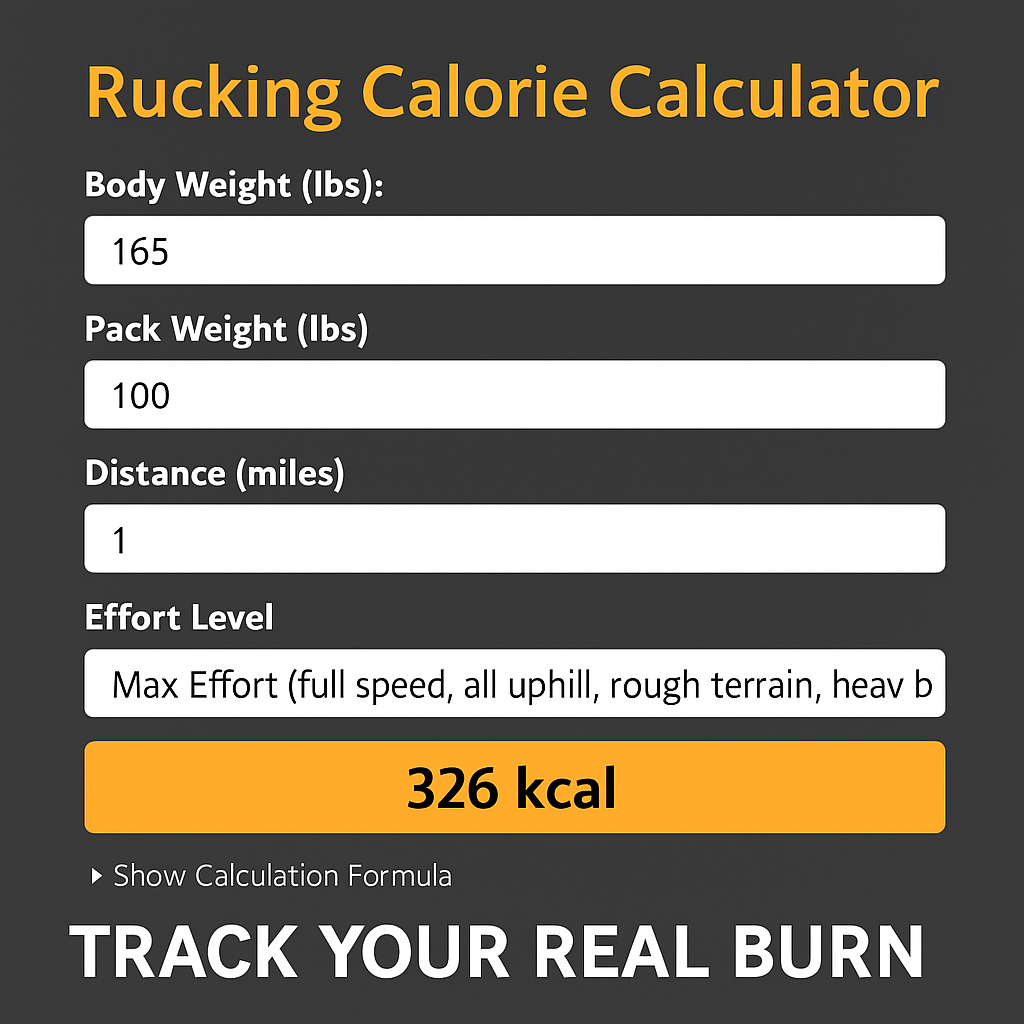
Want to estimate how many calories a loaded stair session or ruck-style training burns? Use the rucking calorie calculator below to input weight, speed, and load. It’s a practical tool to guide nutrition on heavy training days.


Rucking calorie calculator screenshot

Recommended gear for firefighters

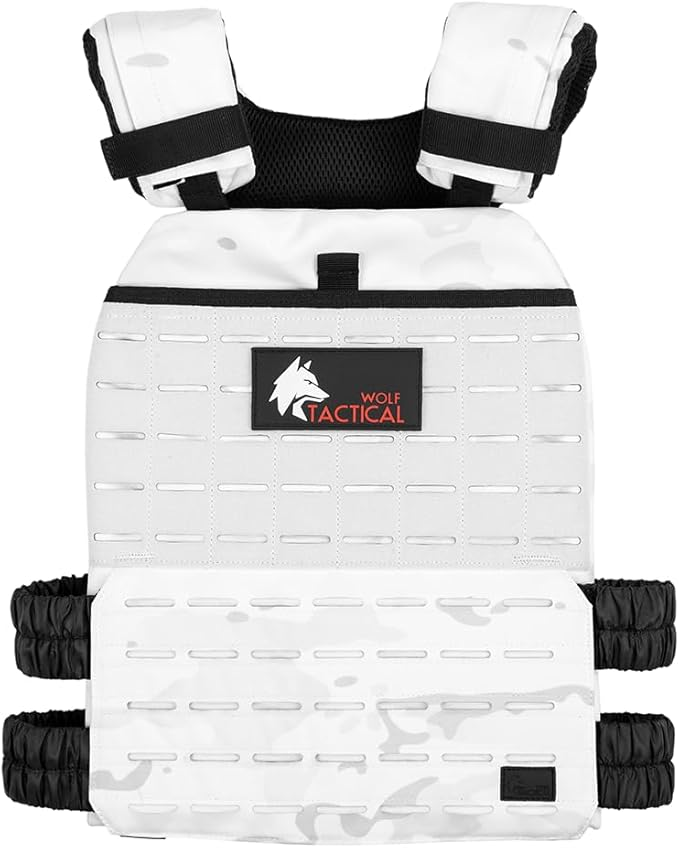
A vest designed for mobility and secure plate placement works best for firefighting-focused training. For a durable, simple option suitable for walking, stair work, and agility while maintaining mobility, consider the WOLF TACTICAL Simple Weighted Vest. Below is the product image and quick benefit.


WOLF TACTICAL Simple Weighted Vest for firefighting training
Secure, low-profile weighted vest that preserves shoulder mobility for task-specific conditioning.

Bottom line

A firefighter weighted vest is a targeted tool to build job-specific work capacity if used judiciously. Prioritize fit, gradual progression, and mobility. Track session intensity with short cardio intervals and use the rucking calorie calculator to guide recovery and nutrition on heavy training days.

Posted in Weighted Vest Training | Tagged , , , , | Comments Off on Firefighter Weighted Vest: Duty-Ready Conditioning and Safety

Weighted exercise vest: safe loads, beginner workout, and calorie burn

A weighted exercise vest is one of the simplest ways to turn everyday movement and bodyweight training into consistent, measurable conditioning. By adding a controllable load to your torso, you increase work without stressing the hands, elbows, or grip. If you’re new to loaded conditioning, start conservative, build gradually, and keep your technique clean. Here’s how I coach athletes and everyday walkers to get the most from a weighted vest.

Why train with a weighted exercise vest

  • Efficient calorie burn: Even a 5–10% bodyweight load meaningfully increases energy expenditure during walks and circuits.
  • Joint-friendly intensity: Load is centered near your center of mass, reducing hand, elbow, and shoulder strain compared to dumbbells.
  • Scalable and versatile: Adjust weight in small steps; use it for walking, stair climbs, step-ups, push-ups, squats, and carries.
  • Posture and core: A snug vest encourages tall posture and trunk bracing on the move.

How heavy should you go?

Match load to your goal and experience:

  • Beginner walking or light circuits: 5–10% of bodyweight.
  • Intermediate conditioning or hiking: 10–15% of bodyweight.
  • Advanced efforts: up to 20% for short bouts if your joints and conditioning are ready.

Progression rule: increase only one variable at a time (load, distance, or pace). Add 2–5 lb when a session feels repeatable with steady breathing and no joint soreness the next day.

Fit and safety

  • Snug, not choking: The vest shouldn’t bounce; tighten chest straps just enough to keep the load high and close.
  • Breathable: Choose ventilated materials and shoulder padding, especially for longer walks.
  • Respect volume: New to vests? Walk before you jog. Save running for later, if at all.

Simple 25-minute vest session

  • Warm-up (5 min): Brisk walk, arm circles, 10 bodyweight squats, 10 wall push-ups.
  • Circuit (15 min total, repeat 3 rounds):
    • 2 minutes brisk walk or stairs
    • 8–12 push-ups (vest on; elevate hands if needed)
    • 12–15 air squats
    • 30–45 seconds farmer carry (vest on, light dumbbells optional)
  • Cool-down (5 min): Easy walk, calves/hip flexor stretches, deep nasal breathing.

Keep your mouth closed during easy portions to self-check intensity. If you can’t maintain nasal breathing on the walk segments, lighten the vest or slow your pace.

Estimate your calorie burn

Your weight, vest load, pace, terrain, and time all drive energy use. Use this calculator to estimate your session’s calories and compare different loads.

Rucking Calorie Calculator

Rucking and weighted-vest calorie calculator screenshot
Plug in your bodyweight, vest load, distance, and pace to estimate calories burned.

Reliable weighted vest options

Look for wide shoulder straps, quick-adjust closures, and easy plate or pouch loading. Two dependable picks I’ve used or coached with:

Wolf Tactical Adjustable Weighted Vest

The Wolf Tactical Adjustable Weighted Vest balances comfort, adjustability, and value. It’s great for walking, stairs, and entry-level circuits.

Wolf Tactical Adjustable Weighted Vest for walking and rucking
Comfortable, adjustable fit with secure load pockets—ideal for daily walks and beginner workouts.

5.11 TacTec Trainer Weight Vest

The 5.11 Tactical TacTec Trainer Weight Vest rides high, distributes load well, and breathes during longer sessions or mixed circuits.

5.11 TacTec Trainer Weight Vest with breathable design
Stable, breathable ride that stays close to your torso—great for longer walks and dynamic training.

Progression checklist

  • Train 2–4 days per week; alternate light and moderate loads.
  • Cap first month sessions at 20–30 minutes before adding time.
  • Log distance, time, and load; increase one variable per week.
  • Prioritize posture: ribs down, tall spine, easy arm swing.

Master the basics with a light vest, track your metrics, and let steady progression compound. Simple, repeatable sessions beat heroic one-offs every time.

Posted in Weighted Vest Training | Tagged , , , , | Comments Off on Weighted exercise vest: safe loads, beginner workout, and calorie burn

Cheap Weighted Vest: How to Choose Durable, Affordable Vests for Rucking

Why a cheap weighted vest can still be good training gear

Buying a cheap weighted vest doesn’t mean you have to accept a poor fit, bad materials, or a useless product. For rucking and walking workouts, the goal is sensible load, predictable movement patterns, and consistent use. A low-cost vest can be the difference between starting a habit and never getting off the couch—so choose carefully.

What to prioritize when shopping cheap

  • Fit and adjustability — a vest that moves around will cause chafing and waste energy.
  • Weight distribution — small, modular plates or sand packs that you can shift are better than a single heavy lump.
  • Durable attachment points — seams and velcro should be reinforced.
  • Comfort — breathable fabric and padding where it contacts your shoulders and sternum.

Good budget options trade fancy materials for sensible construction. That means webbed seams, heavy-duty zippers or pockets for plates, and a system that allows incremental loading as you progress.

Recommended affordable vests and how to use them

Here are two inexpensive options that work well for beginners and experienced ruckers who want a no-frills vest.


WOLF TACTICAL Simple Weighted Vest
WOLF TACTICAL Simple Weighted Vest — simple, adjustable, and good for daily walks.

Many people will find the WOLF TACTICAL Simple Weighted Vest useful because it emphasizes adjustability and comfort over flashy features. It fits close to the torso and accepts small plates or sand packs for incremental progression.


BAGAIL Adjustable Weighted Vest pink
BAGAIL Adjustable Weighted Vest — light, beginner-friendly, and affordable for short walks.

The BAGAIL Adjustable Weighted Vest is another budget option for beginners who want to add 4–10 lbs for walking and short rucks. It won’t replace higher-end tactical vests for heavy loading, but it will build consistent calorie burn without breaking the bank.

How to use a cheap vest safely

  • Start light — use 5–10% of bodyweight for your first month, then progress slowly.
  • Keep sessions consistent — 20–45 minute walks or 30–60 minute rucks 3–5 times per week build the habit.
  • Watch posture — a snug vest that keeps load near your centerline prevents lower-back strain.
  • Mix with strength work — even inexpensive vests pair well with bodyweight circuits to improve carry tolerance.

Estimate your calorie burn and plan progress

Use the rucking calorie calculator to estimate how many calories you burn with a vest and to plan gradual weight increases. Enter your weight, pace, and vest load to see realistic numbers you can act on.


Rucking Calorie Calculator screenshot
Use the Rucking Calorie Calculator to estimate burn for weighted walks and rucks.

Final practical buying tips

  • Buy a vest with modular weight pockets so you can add or remove load in small steps.
  • Prefer vests with wide straps and chest adjustment to reduce bounce.
  • If you outgrow a cheap vest, re-purpose it for short conditioning and upgrade to a plate-style or tactical rucksack later.

Cheap weighted vests are a pragmatic entry point: they’re affordable, encourage consistency, and when chosen carefully can last long enough to build technique and cardio capacity. Start light, prioritize fit, and use tools like the rucking calorie calculator to measure progress and avoid plateaus.

Posted in Weighted Vest Training | Tagged , , , , | Comments Off on Cheap Weighted Vest: How to Choose Durable, Affordable Vests for Rucking

Academy weighted vest: sizing, use, and training advice

Academy weighted vest basics

If you bought an Academy weighted vest or are shopping for one, details matter: fit, weight distribution, and how you use it determine whether the vest helps performance or creates pain. This guide walks through practical sizing, progressive loading, and rucking-ready adaptations so your vest becomes a consistent calorie-burn tool, not an afterthought.

Fit and comfort first

A properly fitting vest sits high on the chest and low on the sternum, not riding up or pinching shoulders. Start with these checks:

  • Straps snug but not restrictive — you should breathe easily during a brisk walk.
  • Weight centered over the sternum and mid-back to avoid shear on the hips.
  • Test mobility: raise your arms, squat, and walk. No hot-spots after 10 minutes.

For many people, beginner-friendly vests like the WOLF TACTICAL Simple Weighted Vest are easier to tune for comfort than cheap one-size models. If you prefer a performance trainer vest with more load capacity for calisthenics, the 5.11 TacTec Trainer Weight Vest is a good step up.


Wolf Tactical Simple Weighted Vest on model
Simple, adjustable weighted vest for walking and beginner rucking.

5.11 TacTec Trainer Weight Vest
Performance trainer vest with even weight distribution for hard workouts.

Progression: start light, add weight logically

Begin with 5–10% of bodyweight for walking and 5–8% for dynamic movement. Increase weight by 2–5% every 1–2 weeks if you can maintain form and recover between sessions. Typical progressions look like:

  • Week 1–2: bodyweight + 5% for 20–30 minute walks
  • Week 3–4: add 2–3% and extend duration or intensity
  • After 6–8 weeks: build to steady-state loads you can use for both rucks and conditioning

Using an Academy weighted vest for rucking and training

Academy-brand vests often mirror common designs: modular pockets, soft-shell materials, and moderate load capacity. Use them for:

  • Daily brisk walks to increase calorie burn without extra gym time.
  • Intervals or hill repeats—keep weight lower and focus on cadence.
  • Strength circuits—shorter sets, controlled range of motion, heavier loads only when form is perfect.

Always pair weighted vest work with mobility and posterior chain strength. Faulty movement under load amplifies risk; a short daily hip hinge and scapular control routine prevents issues.

Calculator: estimate calorie burn

Want an evidence-driven estimate of how many calories an Academy weighted vest adds to your walk or ruck? Use the weighted-vest calculator below to model different weights, paces, and durations. It’s the fastest way to plan progressive overload and dietary adjustments.

Weighted vest calorie calculator screenshot

Real-world advice from a coach

As someone who coaches outdoor training and uses weighted vests in real programs, I recommend conservative progression and frequent load checks. Preston Shamblen lost 90 lbs through rucking, weighted-vest work, and disciplined nutrition, and he still recommends weighted vests as one of the most reliable ways to maintain lower body weight and burn fat consistently. Treat the vest like training gear: it should support stronger movement, not replace it.

Bottom line: an Academy weighted vest can be a durable, affordable tool for boosting calorie burn and improving conditioning when chosen for fit and used with progression. Start light, tune fit, and use the calculator above to set realistic expectations.

Posted in Weighted Vest Training | Tagged , , , , | Comments Off on Academy weighted vest: sizing, use, and training advice

Fitness Gear Weighted Vest: choosing the right vest for rucking and workouts

Why a fitness gear weighted vest belongs in your kit

If you want a simple, durable way to increase intensity without adding complex programming, a fitness gear weighted vest is the most practical tool I recommend. It forces you to move with load, builds work capacity, and makes walking, rucking, and bodyweight conditioning feel harder without changing form.

Key things to evaluate before buying

  • Fit and adjustability — a vest that slides or chafes ruins sessions.
  • Load distribution — even plates or pockets that keep weight close to the torso reduce spinal shear.
  • Durability and intended use — light vests for walking vs heavy-duty rigs for calisthenics and weighted carries.
  • Cooling and comfort — breathable panels and low-profile plates help on long rucks.

For most people starting with weighted vests for fitness, prioritize a snug, low-profile fit. That means minimal bounce and easy adjustment so you can simply get outside and move.

Practical recommendations by use case

Beginner to intermediate: comfort and daily conditioning

Choose a vest that’s easy to put on, with smaller incremental weights (5–20 lb options). For everyday walking and beginner rucks I often point people toward options that balance price and comfort.

Inline product link: Wolf Tactical Weighted Vest is a sensible, comfortable pick for general fitness and walking.


Wolf Tactical Weighted Vest for rucking and walking
Wolf Tactical vest balances comfort and small incremental loading for daily fitness work.

Strength and calisthenics: heavier, plate-compatible vests

If you plan to use weighted vests for progressive calisthenics or heavy carries, look for plate-compatible systems with secure pouches and wide straps that keep load centered.

Inline product link: 5.11 TacTec Trainer Weight Vest is built for higher-intensity strength work and repeated loading cycles.


5.11 TacTec Trainer Weight Vest for calisthenics and training
5.11 TacTec is designed for heavier training and holds plates securely for dynamic work.

How much weight should you add?

Start conservatively. For walking and rucking, add 5–10% of bodyweight in a vest and evaluate form. For strength-focused sessions you can work up to heavier absolute weights, but progress slowly to avoid joint or spine issues.

Estimate calorie burn for loaded walks

To understand how a weighted vest changes your session intensity, use the rucking calorie calculator to estimate your burn based on load, pace, and duration. It’s the quickest way to compare unweighted walking to a weighted session and plan weekly volume.


Rucking calorie calculator screenshot

Simple programming tips

  • Start with 20–30 minute walks twice a week with added weight; increase duration before increasing load.
  • For strength, do short, high-effort sets of bodyweight movements while wearing the vest 1–2 times weekly.
  • Always monitor posture—if you experience back pain, reduce load and revisit form.

Choosing fitness gear weighted vest should be about consistency: a comfortable, well-fitting vest lets you train outdoors and often. Pick a vest that fits your primary use—walking, rucking, or strength—and use steady progression. The calculator linked above helps quantify the added workload so you can program smarter.

Posted in Weighted Vest Training | Tagged , , , , | Comments Off on Fitness Gear Weighted Vest: choosing the right vest for rucking and workouts

Weight Lifting Vest: How to Use One for Strength, Conditioning, and Fat Loss

Why a weight lifting vest works

A weight lifting vest is a simple tool that adds external load to bodyweight movements and walking-based conditioning. Used correctly, it increases metabolic demand, improves strength in movement patterns, and forces better posture under load. I write from field experience as an ISSA-certified trainer: the vest is one of the cleanest ways to turn walking, lunges, pull-ups, and push-ups into progressive resistance work without a gym.

Who should use a weight lifting vest?

A vest fits athletes who want to:

  • Progress bodyweight strength (pull-ups, dips, pistols).
  • Add steady-state calorie burn to cardio sessions (walks, rucks, farmer carries).
  • Bridge gym and outdoor training—especially when space or equipment is limited.

Choosing the right vest

Not all vests are built for the same job. If you plan heavy, strength-focused sets and calisthenics, prioritize a high-capacity, rigid plate-style system. For mixed cardio and comfort on long walks, choose something with good padding and breathable materials.

For heavy lifting-style work, consider the Kensui EZ-VEST® MAX V2 for its high weight capacity and plate compatibility. It’s built to handle progressive loading when you’re chasing strength while keeping movement clean and secure. Visit the Kensui EZ-VEST® MAX V2 for specs and capacity:

Kensui EZ-VEST® MAX V2


Kensui EZ-VEST MAX V2 weight lifting vest
Durable, high-capacity vest designed for heavy resistance training and progressive overload.

Programming with a weight lifting vest

Program the vest like any other progressive overload tool. Start light, add small increments, and prioritize movement quality. A sample progression looks like this:

  • Weeks 1–2: Bodyweight sets to build technique (no vest or 5–10 lb).
  • Weeks 3–6: Add 10–20% of bodyweight for sets of 6–12 reps on push/pull movements.
  • Weeks 7+: Increase load in 5–10 lb increments as form permits; cycle volume to avoid joint fatigue.

For walking or rucking, use vest weight conservatively—10–15% of body weight is a safe starting point for longer efforts. Short hill sprints or interval circuits can handle relatively heavier loads, but return to lighter weight for technique-heavy gym lifts.

Sample workouts

  • Strength circuit: Weighted pull-ups 5×5, weighted push-ups 4×8, weighted step-ups 3×8 each leg.
  • Conditioning: 45–60 minute brisk weighted walk (10–15% bodyweight), punctuated with 5 x 20-second hill sprints.
  • Hybrid: 20-minute EMOM alternating kettlebell swings and vest push-ups for metabolic conditioning.

Safety and recovery

Prioritize posture and spinal alignment. A poorly fitted vest can cause compensation in the lumbar spine or shoulders. Use good footwear, manage volume, and schedule mobility and unloading days. If you experience persistent joint or spine pain, drop weight and consult a clinician.

Estimate calorie impact

Want to estimate how many calories a weighted session burns? Use the Rucking Calorie Calculator to model walking or rucking with a vest. It’s the quickest way to compare loads, distances, and pace.


Rucking calorie calculator screenshot

That calculator gives a practical baseline so you can plan training and nutrition around your goals.

Final takeaways

Used intelligently, a weight lifting vest expands your options—letting you combine strength, conditioning, and outdoor work in a single piece of gear. Start conservatively, prioritize technique, and pick the vest that matches your primary goal: heavy strength, mixed conditioning, or long-distance rucking.

Posted in Weighted Vest Training | Tagged , , , , | Comments Off on Weight Lifting Vest: How to Use One for Strength, Conditioning, and Fat Loss

Go Ruck Weight Vest: How to Use a GORUCK with a Weighted Vest

Go Ruck Weight Vest: Overview

Using a weighted vest with a GORUCK-style ruck is a practical way to increase training density, build strength, and burn more calories without drastically changing your route or schedule. This guide explains safe load placement, progression, and when to favor a vest versus adding weight to your ruck.

Why combine a weight vest with a ruck?

A weight vest centers load close to your torso, improving balance and preserving shoulder health compared with sloppy pack loading. When you pair a quality ruck like the GORUCK Rucker 4.0 20L with a modest vest, you get the durability and carry system of a ruck plus the even distribution of a vest for dynamic movement and short, intense rucks.


GORUCK Rucker 4.0 20L ruck pack for weighted rucking
GORUCK Rucker 4.0 20L: built for durable, heavy-duty rucking with modular load options.

Fit and load placement

Start with a vest that fits snugly and doesn’t shift. For longer rucks or mixed hydration needs, pair a ruck with a hydration system rather than overloading the vest. If you mention backpacks, a dedicated hydration rucksack like the CamelBak Motherlode 100oz Mil Spec Crux Hydration Backpack can be used as your primary load-carrying gear while the vest adds supplemental weight.


CamelBak Motherlode hydration backpack for rucking and weighted vest combos
CamelBak Motherlode: excellent hydration and adjustable internal space to complement a weighted vest.

Progression and programming

Use the following progression model to stay injury-free and make steady gains:

  • Week 1–2: Bodyweight or 5–10% bodyweight in a vest for short 20–40 minute walks.
  • Week 3–6: Increase to 10–15% bodyweight, extend ruck time to 60–90 minutes at a conversational pace.
  • Advanced: Mix heavy short hikes (20–40 minutes) in your vest with longer light-loading sessions in the ruck.

Practical tips

  • Keep the bulk of heavy plates in the ruck if you plan long distances—vests are best for dynamic movement and interval work.
  • Maintain cadence and posture: vest weight shifts the center of mass; shorter steps and upright posture reduce knee strain.
  • Hydration matters on every session—use a hydration pack or bottle, and consider electrolyte support for longer efforts.

Calories and planning

Rucking with a vest changes your calorie burn. For an accurate estimate for your bodyweight, pace, and load, use the rucking calorie calculator linked below. It helps you plan sessions for fat loss, maintenance, or performance goals.

Rucking Calorie Calculator


Rucking Calorie Calculator screenshot

When to choose a vest vs. a ruck

  • Favor a vest for interval hikes, hill repeats, or strength-focused walks where torso stability is critical.
  • Favor a ruck for long-distance marches, heavy loads, and gear carriage—use the vest to add a controlled extra load for metabolic stress.

Combining a GORUCK-style pack with a quality weighted vest lets you tailor each session. Start conservatively, log your sessions, and use the calorie calculator above to keep progress measurable. This method is durable, low-tech, and consistently effective for fat loss and functional strength when programmed responsibly.

Posted in Weighted Vest Training | Tagged , , , , | Comments Off on Go Ruck Weight Vest: How to Use a GORUCK with a Weighted Vest

MiR weighted vest: fit, uses, and smart alternatives for training

If you’re considering a MiR weighted vest, you’re likely after a compact way to increase training intensity for walking, rucking, and calisthenics. Below is a practical guide to fit, loading, how to use a vest safely, and a couple of proven alternatives if the MiR cut or strap layout doesn’t feel right for you.

What to know about the MiR weighted vest

Fit and adjustability

MiR vests are known for modular weight blocks and high total capacity. The upside is fine-tuned progression. The trade-off for some bodies is bulk around the torso and less ventilation in hot weather. Like any vest, fit matters more than the logo: you want the load high and tight on your center of mass, minimal bounce, and no pressure on the neck or collarbones.

Weight selection and progression

  • Walking/rucking: start with 5–10% of bodyweight. Keep strides natural and posture tall.
  • Hills/intervals: 6–12% of bodyweight; shorter sessions, longer recoveries.
  • Calisthenics (push-ups, squats, pull-ups): 6–15% of bodyweight depending on movement mastery.
  • Progression: add 2–5 lb every 1–2 weeks, or add 5–10 minutes of time before raising weight.

Avoid running at first; build tendon tolerance with brisk walking and controlled strength moves. Prioritize smooth breathing over speed.

Reliable alternatives if MiR isn’t your best fit

If you want a cooler vest with easy plate changes, the Wolf Tactical Adjustable Weighted Vest is a solid, budget-friendly option with good airflow and simple strap tuning.

Wolf Tactical adjustable weighted vest for walking and rucking
Breathable, adjustable fit—great for walking and beginner rucking.

For longer sessions or if you’re sensitive to shoulder pressure, the 5.11 Tactical TacTec Trainer Weight Vest offers excellent padding, durable construction, and a stable ride that reduces bounce during stairs, hills, and circuits.

5.11 TacTec Trainer weight vest with breathable panels
Proven comfort and durability for longer sessions and higher intensity.

Programming ideas

  • 20–30 min brisk walk, 2–3x/week at 5–8% bodyweight. Add 5 min every week until 45–60 min feels smooth.
  • Hill repeats: 5–8 climbs of 60–90 seconds. Walk down easy. Keep posture tall; no leaning from the waist.
  • Calisthenics circuit: 4 rounds of 8–12 push-ups, 8–12 squats, 20–30 second plank, 30–60 second walk. Rest 60–90 seconds between rounds.
  • Strength finisher: After your lift, 10–15 minutes of vest walking for low-impact conditioning.

Estimate your calorie burn

Curious how much energy you’re spending with a vest? Use this calculator to estimate calories based on your pace, distance, time, and load.

Rucking and Weighted-Vest Calorie Calculator

Rucking and weighted-vest calorie calculator screenshot
Quickly estimate calorie burn by time, pace, distance, and load.

Safety and comfort tips

  • Position the vest high and snug; tighten side straps evenly to prevent sway.
  • Keep shoulders down and back; ribs stacked over hips—no forward slump.
  • If knees or low back complain, reduce load and increase time instead.
  • Train in heat with caution; choose breathable fabrics and sip fluids regularly.
  • Log sessions and progress one variable at a time—time, distance, or weight.

Bottom line: a MiR weighted vest can work well if the fit suits your frame. If it feels bulky or hot, try the airflow and strap comfort of the Wolf Tactical or the highly padded stability of the 5.11 TacTec to keep training quality high and recovery smooth.

Posted in Weighted Vest Training | Tagged , , , , | Comments Off on MiR weighted vest: fit, uses, and smart alternatives for training

Chris Heria Vest: Real-World Use and Fit Guide

What the Chris Heria vest is meant to do

If you follow calisthenics influencers, you’ve seen the Chris Heria vest used to add load to pull-ups, dips, running, and bodyweight circuits. In practice, a vest that feels secure during dynamic movement is more useful than one that looks good on camera. This post covers practical fit, programming tips, and how to choose the right weighted-vest approach for calisthenics and strength work.

Fit and stability: the foundation

For weighted calisthenics you need a vest that stays put during kipping pull-ups and explosive movements. Look for these features:

  • Tight, low-profile profile over the torso so plates don’t shift during swinging.
  • Wide shoulder straps and adjustment points to keep load centered.
  • Durability where plates insert — rip-stop fabrics or reinforced seams.

A vest that shifts will change the mechanics of a movement and increase injury risk. If the Chris Heria vest you’re evaluating has removable plates or modular loading, test it with the exact exercises you plan to do before committing to heavy weights.

Programming tips for weighted calisthenics

Start conservative. Add 2.5–5% of bodyweight as a first step and track reps and form. Use progressive overload with either increased weight or extra sets, not both at once. A simple approach:

  • Week 1–2: Bodyweight + light vest (2.5–5% BW), build consistent technique.
  • Week 3–6: Add volume (extra set or two), keep weight constant.
  • Week 7+: Add small plate increments (2.5–5 lb) only when you can complete target reps with perfect form.

For explosive moves, favor lighter increments and prioritize landing mechanics. For pure strength (weighted pull-ups, dips), you can progress heavier but maintain full range of motion.

Heavy-loading option: Kensui for serious strength work

If you plan to push heavy for calisthenics strength — weighted muscle-ups, high-load pull-ups, weighted pistol squats — consider a vest built for larger plates and high capacity. The Kensui EZ-VEST® MAX V2 is designed to handle substantial weight without sacrificing low-profile fit.

Kensui EZ-VEST® MAX V2 works well when you need robust loading and reliability for frequent heavy sessions.


Kensui EZ-VEST MAX V2 heavy duty weighted vest for calisthenics
High-capacity vest built for heavy calisthenics and progressive loading.

Safety checklist

  • Warm up joints before loading—scapular pull-ups and banded mobility for shoulders.
  • Progress in small weight increments; avoid sudden large jumps.
  • Keep torso tight—weighted calisthenics exaggerates core demands and can expose weak bracing.
  • Inspect vest seams and plate pockets regularly if you train frequently.

Want to estimate calorie burn or load effects?

Estimating the extra work a vest adds can help plan recovery and nutrition. Try the Rucking Calorie Calculator to get a quick estimate for weighted walking or conditioning sessions:

Rucking calorie calculator screenshot

Final guidance

Not every vest labeled for a creator will work for your training. Prioritize fit and adjustability, then capacity. If your goal is heavy calisthenics strength, choose a high-capacity vest like the Kensui EZ-VEST® MAX V2. If you’re doing mixed conditioning, a lower-profile vest that locks plates close to the body is often better. Train deliberately: add weight slowly and keep technique as the top priority.

Posted in Weighted Vest Training | Tagged , , , , | Comments Off on Chris Heria Vest: Real-World Use and Fit Guide

Best Weight Vest for Murph: Top Picks and How to Choose

Why the right weight vest matters for Murph

Murph is a brutal test of conditioning: a run, 100 pull-ups, 200 push-ups, 300 squats, and another run—often done wearing a vest. The right weight vest keeps your movement pattern natural, distributes load so you don’t wreck your shoulders, and survives the high-rep abuse. This guide walks through practical criteria and durable options that will stand up to repeated Murphs.

Key considerations before you buy

  • Weight and gender standards: Traditional Murph uses 20 lb for men and 14 lb for women. Some athletes scale up or down based on ability—prioritize movement quality over raw load.
  • Fit and mobility: The vest should stay put during push-ups and pull-ups. Avoid tall plates or bulk that contacts the bar or digs into your ribs during push-ups.
  • Adjustability: Removable plates or adjustable pockets let you incrementally add weight as you get stronger.
  • Durability: High stitch-count materials and reinforced seams are worth the extra cost when you’re doing high-rep work outdoors.

Best vest types for Murph

There are two practical camps: soft-shell weight vests with sewn-in fill and modular plate vests. For Murph, modular or plate-compatible vests often perform better because they allow you to centralize weight and reduce chest/shoulder hotspots.

Recommended picks

  • 5.11 TacTec Trainer Weight Vest — a well-balanced option for CrossFit-style WODs. It sits low, has good adjustability, and doesn’t shift during high-rep push-ups and pull-ups.


    5.11 TacTec Trainer Weight Vest front view
    Durable, low-profile vest designed for high-rep WODs and functional movement.
  • Kensui EZ-VEST® MAX V2 — built for athletes who want heavy, stable loading. If you plan to increase load substantially or train for weighted calisthenics, this vest handles high total mass without crushing mobility.


    Kensui EZ-VEST MAX V2 weight vest
    High-capacity vest for heavy weighted calisthenics and strength-focused WODs.

How to test a vest before Murph

  • Do a 10-minute warmup then perform a set of push-ups and pull-ups while wearing the vest. If you feel pinching or unstable movement, try a different size or model.
  • Practice scaled Murph partitions (e.g., 20 rounds of 5/10/15) with the vest to confirm neither the vest nor the plates migrate.
  • Check transition ergonomics: get in and out of the vest quickly between running and bodyweight sections.

Programming tips for Murph with a vest

Start a month out with 1–2 Murph-type sessions per week: split the reps, practice transitions, and run with the vest twice per week to get used to conditioned breathing. If your vest allows incremental plates, add 2–5 lb every 2–3 weeks rather than jumping big.

Calculate effort and calories

If you want a simple way to estimate caloric burn or how a weighted vest affects effort, use the rucking calorie calculator below. It’s built for weighted walking and rucking but works well for approximating the extra effort Murph adds over time.


Rucking Calorie Calculator screenshot

Final takeaways

For most athletes doing Murph, choose a low-profile, adjustable vest that keeps plates centered and avoids contact during push-ups. The 5.11 TacTec Trainer Weight Vest is a reliable all-around pick, while the Kensui EZ-VEST MAX V2 suits those planning to move to much heavier loads. Test movement with the vest, practice Murph partitions, and use the calorie calculator above to gauge added effort.

Posted in Weighted Vest Training | Tagged , , , , | Comments Off on Best Weight Vest for Murph: Top Picks and How to Choose