Rogue 5.11 vest: Practical fit and rucking guidance

Rogue 5.11 vest — what to expect for rucking and training

The phrase “Rogue 5.11 vest” usually comes up when folks ask whether a duty-style plate carrier or a commercial training vest is better for rucking, weighted walks, and functional conditioning. This guide cuts through the hype and focuses on fit, durability, and how those choices affect comfort and calorie burn on the trail.

Key differences: Rogue-style carriers vs. 5.11 TacTec vests

Rogue-style carriers and dedicated training vests have different priorities. A tactical or plate carrier favors modularity and plate protection, while something like the 5.11 Tactical Unisex TacTec Trainer Weight Vest is designed for balanced weight distribution and repeated movement for fitness sessions.


5.11 TacTec Trainer Weight Vest
A stable, training-specific vest that keeps plates close to your center of mass for safer, repeatable conditioning.

Fit and comfort checklist

When evaluating any vest for rucking or weighted walking, check these points in order:

  • Shoulder padding and adjustability — are the straps slipping or digging in when the load shifts?
  • Torso coverage — does the vest sit on your ribcage or lower back? For walking, lower and centered is usually more comfortable.
  • Plate/weight placement — heavy plates should be close to your spine and not pendulous at your sides.
  • Breathability and chafe points — real-world rucks mean sweat; mesh panels and smooth seams matter.
  • Capacity and modularity — do you want plate pockets, soft weights, or both?

Rucking mechanics with a vest

Weighted vests change your gait and posture. A properly fitted 5.11 TacTec-style training vest keeps weight centered so you maintain an efficient stride and reduce low-back torque. A bulkier Rogue-style carrier with plates can also work, but you’ll want careful attention to harness fit and hips for long walks.

How heavy should you go?

Start light and progress. For many walkers, 5–15% of bodyweight in a snug training vest is a safe starting point; stronger, conditioned ruckers progress to 20% or more as long as form and recovery track with load. If you want precise calorie estimates for a given walk, use the rucking calorie calculator below to size your sessions and set realistic progression goals.

Calculate estimated burn

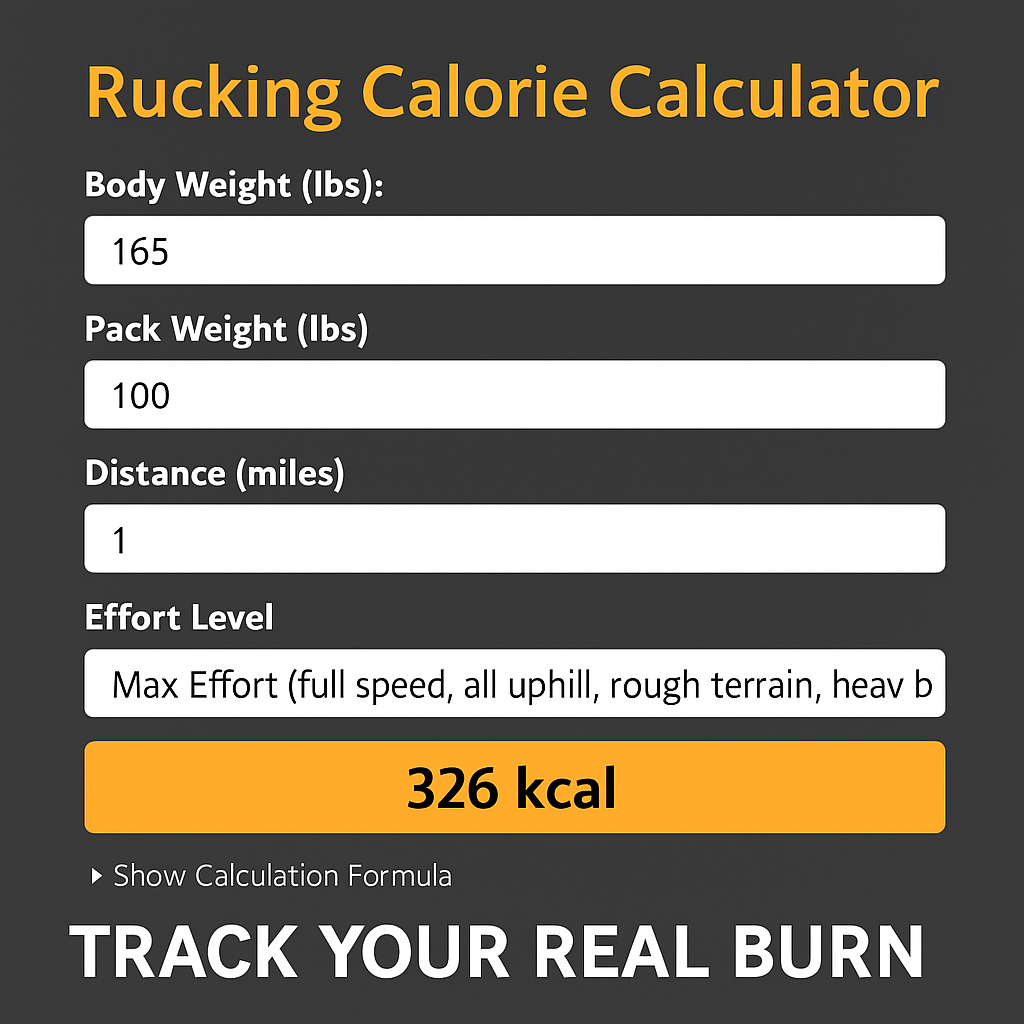
Use the rucking calorie calculator to plug in weight, vest load, and pace. It gives a practical baseline so you know whether a 30– or 60-minute session meets your goals.


Rucking Calorie Calculator screenshot

Open the calculator, enter your bodyweight and load, and you’ll get an estimate to plan your weekly workload and recovery.

Practical purchase advice

If your priority is repeatable fitness (walks, intervals, calisthenics), favor a training vest like the 5.11 TacTec for comfort and plate placement. If you’re building toward heavy, mission-style loads or adding armor, a Rogue-style carrier makes sense — but test fit and padding thoroughly. I recommend trying a vest with soft weights first, then moving to plates once your gait and posture handle the load.

Closing, from my experience

I’m Preston Shamblen, ISSA-certified personal trainer. I lost 90 lbs through rucking, weighted-vest training, and disciplined nutrition, and I still recommend training vests as one of the most reliable tools to maintain a lower body weight and burn fat consistently. Choose a vest that encourages consistent use — that’s the real win.

Tags: weighted vest, 5.11, rucking

Posted in Weighted Vest Training | Tagged , , , , | Comments Off on Rogue 5.11 vest: Practical fit and rucking guidance

How I Use a 30 lb weighted vest for rucking and strength

Why choose a 30 lb weighted vest?

A 30 lb weighted vest is a practical middle ground: heavy enough to add meaningful overload for strength and conditioning, light enough for repeated rucking and interval work without destroying form. I write this from experience as Preston Shamblen — I lost 90 lbs through consistent rucking, weighted-vest training, and disciplined nutrition, and I still recommend weighted vests as one of the most reliable ways to maintain lower body weight and burn fat consistently.

Key benefits

  • Increased calorie burn during walks and rucks
  • Stronger posture and core engagement under load
  • Scalable: you can add plates or use lighter loads for higher volume

How to use a 30 lb vest safely

Start by treating that 30 lb vest like a barbell: respect it. Begin with short sessions focused on walking and tempo runs before loading longer rucks or circuits. I recommend the following progression over 4–8 weeks:

  • Week 1–2: 15–20 minute walks, twice weekly, focusing on form and breathing.
  • Week 3–4: 30–45 minute rucks on mixed terrain, add a couple of short hill reps.
  • Week 5+: 60+ minute rucks or structured intervals and bodyweight circuits with the vest on.

Form cues with a 30 lb vest

  • Keep a neutral spine; avoid leaning forward to compensate for the load.
  • Drive from the hips on hills instead of pulling with the shoulders.
  • Maintain cadence — shorter, quicker steps uphill reduce fatigue.

Programming examples

Use your 30 lb vest for: ruck conditioning (45–90 minutes), interval hill repeats (6–10 reps), and metcon circuits (AMRAPs of pull-ups, push-ups, lunges). Balance load days with mobility and recovery sessions to avoid overuse injuries.

Gear that pairs well with a 30 lb vest

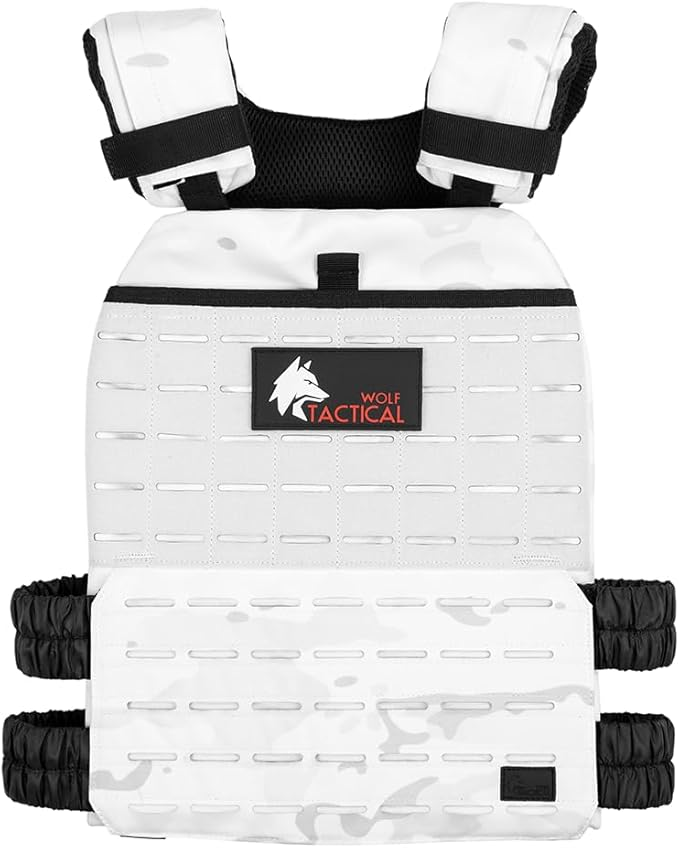
If you want a comfortable, adjustable option that works for long walks and mixed training, I recommend the WOLF TACTICAL Simple Weighted Vest for its low-profile fit and plate options.


Wolf Tactical Simple Weighted Vest for rucking and walking
Comfortable, low-profile vest ideal for 30 lb setups and long rucks.

If you want to swap plates into a backpack or incrementally add weight for training variety, the Yes4All Ruck Weight Plate pairs well.


Yes4All ruck weight plate to add incremental loading
Plates to fine-tune your loading when you run out of vest options.

Estimate calories and tune your plan

One reliable way to dial training and nutrition is to estimate calories burned during rucks. Use the rucking calorie calculator below to get a practical baseline for how many calories a 30 lb vest adds to your walk or ruck. Plug in your weight, distance, pace, and load for a personalized estimate.


Rucking calorie calculator screenshot

Final advice

A 30 lb weighted vest is an effective tool for people who have some base conditioning and want consistent overload without the time commitment of long strength sessions. Respect progression, prioritize recovery, and use a calorie tool to make your training predictable. If you have prior joint issues, scale back volume and consult a professional before heavy load work.

Train smart, keep it consistent, and let the weight work for you — not the other way around.

Posted in Weighted Vest Training | Tagged , , , , | Comments Off on How I Use a 30 lb weighted vest for rucking and strength

Sensory weighted vest: benefits, fit, and safe use

What is a sensory weighted vest?

A sensory weighted vest is a specially designed garment that adds distributed, low-profile weight to the torso to provide deep pressure and proprioceptive input. Occupational therapists, parents, and trainers use them to help people—especially children with sensory processing differences—improve body awareness, focus, and calming. Sensory vests differ from heavy tactical vests because they prioritize even pressure and comfort over maximum load.

Core benefits

  • Proprioceptive feedback that can reduce fidgeting and improve attention.
  • Consistent deep pressure stimulation for calming during transitions or tasks.
  • Low-impact way to add sensory input without restricting motion.

Choosing the right weight and fit

Correct weight and fit are the two most important variables. A sensory vest should feel snug but not constrictive. For general guidance, use a conservative percentage of body weight: 1%–5% for children and up to 10% for adults, tuned to comfort and response. Always start light and add weight only if the individual demonstrates positive changes (reduced anxiety, better sitting tolerance, improved task completion) and no negative effects.

Fit considerations:

  • Adjustable straps allow customization across growth or clothing layers.
  • Evenly distributed weights minimize pressure points.
  • Breathable materials reduce overheating during activity.

Safety and guidelines for use

Use sensory vests under the supervision of a clinician when possible. Clear rules help—limited wearing time (15–30 minutes to start), ongoing observation, and removing the vest immediately if the person reports discomfort, shortness of breath, or pain. Avoid adding excessive load or using a vest intended for strength training on small children.

Practical session plan

  • Introduce for 5–10 minutes while performing a calm seated task.
  • Observe posture, breathing, and task engagement.
  • Gradually increase wear time across sessions, with caregiver/therapist feedback.

Products I recommend for sensory work

For sensory-focused use you want lightweight, adjustable, and comfortable options. Two options I often recommend for parents and therapists are:

WOLF TACTICAL Simple Weighted Vest (Men/Women) is a good all-around option when you need even weight distribution without a tactical look. It’s adjustable and comfortable for short, therapeutic sessions.


WOLF TACTICAL Simple Weighted Vest for sensory and rucking
Adjustable, low-profile weighted vest good for sensory input and short activity sessions.

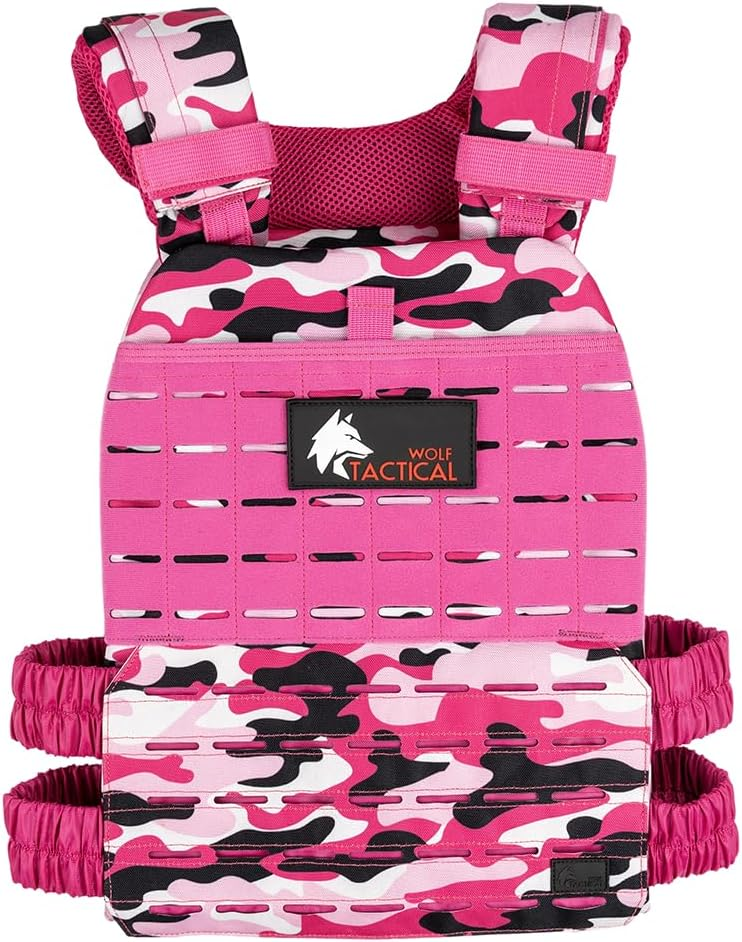
For very light, child-friendly options consider the BAGAIL Adjustable Weighted Vest (4–10 lb, pink), which is inexpensive and easy to fit for kids starting sensory work.


BAGAIL Adjustable Weighted Vest pink, 4-10 lb for children
Light, adjustable vest for beginner sensory use and short supervised sessions.

Tracking impact and additional tools

Though sensory vests are not primarily used for calorie burn, if you’re combining light activity (walking, active play) with a vest and want to estimate energy expenditure or the effect on weight-management sessions, try the rucking calorie calculator below to get an objective estimate. Use it as a rough guide and prioritize comfort and functional outcomes for sensory work.


Rucking calorie calculator screenshot
Estimate calorie burn for weighted walks or light rucking.

Final notes from a trainer

I’m Preston Shamblen, and as someone who rebuilt health through consistent, thoughtful training, I emphasize conservative progress and clinical oversight for sensory vests. I lost 90 lbs through rucking, weighted-vest training, and disciplined nutrition, and I still recommend weighted vests as a reliable tool to maintain lower body weight when they’re used safely. For sensory users the goal is function first: better focus, calmer states, and safer motion.

Quick checklist before use

  • Confirm fit: snug but comfortable.
  • Start light and short; get feedback.
  • Use under guidance for children or clinical needs.
Posted in Weighted Vest Training | Tagged , , , , | Comments Off on Sensory weighted vest: benefits, fit, and safe use

5.11 TacTec Trainer Weight Vest: Fit, Plates, and Training Tips

The 5.11 TacTec Trainer Weight Vest is popular because it fits securely, breathes well, and stays put when you’re walking, rucking, running, or doing calisthenics. If you want a vest you can adjust quickly and use year-round for conditioning, this is a strong choice. Below I’ll cover fit, plate options, and a simple progression to build strength and endurance safely.

Fit and comfort: dialing in the TacTec

The TacTec is designed to distribute weight across the torso without hot spots. To get the most out of it, check the following:

  • Plate size: Most users run 8–14 lb per plate (front and back) for 16–28 lb total. The vest accepts standard SAPI-style vest plates.
  • Ride height: Keep the front plate covering the sternum (not stomach). The back plate should sit between the shoulder blades—not low on the lumbar.
  • Strap tension: Snug enough that the vest doesn’t bounce, loose enough to expand your ribcage for full breaths.
  • Breathability: The TacTec’s mesh and cutouts help in heat. Wear a moisture-wicking base layer to keep chafe down.

Recommended plates and compatibility

The TacTec is a shell; you’ll need plates. Curved, vest-specific plates sit better against the chest and reduce bounce during faster sessions.

Compatible plate option:

WOLF TACTICAL Weight Vest Plates (pairs) – curved, available in common training weights to fine-tune your load.

WOLF TACTICAL curved weight vest plates pair for TacTec and similar vests
Curved plates sit comfortably and reduce bounce during walks, rucks, and metcons.

Where to buy the vest

5.11 Tactical Unisex TacTec Trainer Weight Vest – proven fit, breathable, and adjustable for steady progression.

5.11 TacTec Trainer Weight Vest black with breathable panels and adjustable straps
Reliable comfort and stability for weighted walking, rucking, and bodyweight training.

Programming the TacTec: simple, reliable progress

Beginner progression (2–4 weeks)

  • 2–3 sessions per week.
  • Start with 6–10% of bodyweight total load (front + back), 20–30 minutes of brisk walking.
  • Add time first (5 minutes per week), then add weight in small jumps (2–4 lb).

Intermediate options

  • Ruck intervals: 5 minutes brisk, 2 minutes easy, repeat for 40–60 minutes.
  • Stairs or hills: 10–20 minute steady climb; focus on posture and nasal breathing.
  • Calisthenics circuits: 3–5 rounds of 8 push-ups, 6 step-ups/leg, 8 rows (rings/band), 200–300 m walk between rounds.

Keep a tall posture, short stride, and quiet foot strike. If heart rate spikes, back off pace before adding weight. Consistency beats hero days.

Safety and recovery

  • Warm-up: 5 minutes easy walk + shoulder openers and ankle rocks.
  • Skin care: Moisture-wicking shirt; adjust straps to prevent rubbing on collarbones.
  • Recovery: Walk 3–5 minutes without the vest post-session; light calf and hip flexor mobility.
  • Progression rule: If sleep or joints feel off, maintain the same load for another week.

Plan your effort with a calorie estimate

Curious how many calories your weighted walk or ruck might burn with the TacTec? Use this calculator to gauge sessions and weekly targets.

Rucking calorie calculator screenshot for estimating calories burned with weighted vest or backpack
Estimate calories burned during weighted walks and rucks to plan load and duration.

Troubleshooting common issues

  • Bounce: Tighten the cummerbund slightly and lower weight by 2–4 lb; confirm plates are seated properly.
  • Neck/shoulder tension: Raise the vest 1–2 cm and relax your grip/arms while walking.
  • Breathing feels restricted: Loosen side straps one notch and slow pace for 2–3 minutes to reset.

The TacTec Trainer Weight Vest rewards steady practice. Start lighter than you think, progress methodically, and treat comfort as the performance multiplier it is.

Posted in Weighted Vest Training | Tagged , , , , | Comments Off on 5.11 TacTec Trainer Weight Vest: Fit, Plates, and Training Tips

Plate Loaded Vest: How to Use One for Rucking and Strength

Why choose a plate loaded vest?

A plate loaded vest puts you in control of exact load increments, making it ideal for strength progressions, weighted calisthenics, and heavy rucking. Unlike soft vests that limit you to sewn-in weights, a plate-loaded system accepts metal plates so you can add or remove mass as you progress.

Who benefits from a plate loaded vest?

Use a plate loaded vest if you want to build strength while keeping a high-work cardiovascular stimulus. It’s a good fit for:

  • Experienced ruckers moving to heavier loads.
  • Athletes who want external resistance for push-ups, pull-ups, and prowler-style carries.
  • Anyone who wants precise incremental loading for progressive overload.

Fit, comfort, and safety

Proper fit matters more with plates because they concentrate load. Look for a vest with low-profile pockets that center weight on the sternum and upper back and include stabilization straps. Start conservative: add small plates and monitor posture. If the plates dig into your shoulders or ribs, stop and adjust the vest or padding before continuing.

Programming basics

Treat a plate loaded vest like a barbell: progress in small, repeatable steps. For rucking, I recommend increasing total carried weight by no more than 5–10% per week while holding pace constant. For strength movements, add small plate increments and track reps or sets over time.

  • Beginner ruck: bodyweight + 10–20 lb in plates, 30–60 minutes at conversational pace.
  • Intermediate: bodyweight + 20–40 lb, include hills or intervals once weekly.
  • Strength work: 3–5 sets of weighted push-ups or chin-ups with controlled tempo and full recovery.

Recommended hardware

If you’re building a heavy training setup, a purpose-built plate vest like the Kensui EZ-VEST® MAX V2 handles very high loads and keeps plates stable during dynamic work. For plate selection, add pairs of smaller plates first to get micro-loading rather than jumping straight to large increments.

If you need basic plate options for rucking and general increments, consider a pair of dedicated ruck plates that are sized for vest pockets.

Example products:

If you want a plate-ready vest designed for extreme loading, check the Kensui EZ-VEST® MAX V2 as an option for large, stable plate capacity.


Kensui EZ-VEST MAX V2 plate loaded vest
High-capacity plate vest for heavy loading and dynamic training.

For durable ruck-style plates to tune your load, consider a set of Yes4All Ruck Weight Plate pairs that fit most plate pockets.


Yes4All Ruck Weight Plate pair
Affordable steel plates sized for weighted vests and ruck pockets.

Measure calories and pace progress

One of the best ways to objectively manage plate-loaded training is to track energy cost. Use the Rucking Calorie Calculator to estimate how many calories your loaded walks burn—this helps pair training with nutrition and weight-loss goals.


Rucking Calorie Calculator screenshot

Enter your bodyweight, load, pace, and distance to get an evidence-driven estimate. Use the results to match training volume to recovery and calorie targets.

Final guidance

Start conservative, prioritize good posture, and increment plates in small steps. Plate loaded vests are a powerful tool for anyone wanting both strength and conditioning in the same session. I’ve used plate systems with trainees who needed reliable, measurable progress without overcomplicating programming.

If you’re new to plate-loaded systems, pair shorter rucks with bodyweight strength days and focus on steady progress—the vest will reward consistency.

Preston Shamblen before and after 90 lb weight loss through weighted-vest training and rucking
Preston Shamblen’s 90 lb transformation achieved through consistent weighted-vest work, rucking, and strength training.
Posted in Weighted Vest Training | Tagged , , , , | Comments Off on Plate Loaded Vest: How to Use One for Rucking and Strength

TWL Weight Vest: Fit, Training, and Rucking Tips

Why the TWL weight vest deserves a look

The TWL weight vest is designed for people who want a durable, close-fitting way to add load to walking, rucking, and bodyweight training. In my experience coaching outdoor athletes and everyday people, a vest that fits close to your torso reduces bounce, protects your lower back, and keeps your gait natural during long walks and rucks.

Preston Shamblen before and after 90 lb weight loss through weighted-vest training and rucking
Preston Shamblen’s 90 lb transformation achieved through consistent weighted-vest work, rucking, and strength training.

Fit and sizing: how to know if a TWL vest is right for you

Fit matters more than brand labels. The vest should:

  • sit snugly against your chest and upper back without pinching;
  • allow full shoulder and arm movement for loaded carries and pushups;
  • distribute weight evenly—plates or sand pockets should sit around your ribcage, not hang low on your hips.

If you plan to ruck longer than 60–90 minutes, prioritize a vest with adjustable shoulder straps and a secure front closure. For a similar comfort-forward option, consider the Wolf Tactical Adjustable Weighted Vest shown below.


Wolf Tactical Adjustable Weighted Vest
Adjustable, low-bounce vest ideal for walking, rucking, and beginner-friendly weighted work.

Loading and progression

Start conservative. Your first week with added load should focus on maintaining form and breathing under weight, not speed. A simple progression looks like:

  • Week 1–2: 5–10% of bodyweight for walking/short rucks;
  • Week 3–6: 10–15% of bodyweight, add intervals or hills;
  • After 6 weeks: increase load by 5% only if you can move with excellent posture.

Weighted vests change the game for calorie burn and strength transfer. I recommend plates or modular weights so you can micro-adjust as you adapt.

Training examples with a TWL weight vest

Choose one or rotate these sessions 2–4 times per week, coupled with a day for recovery or strength work.

  • Short ruck: 30–45 minutes at conversational pace, focus on posture.
  • Interval walk: 10-minute warm-up, 6×1 minute brisk/2 minute easy, 10-minute cool-down.
  • Mixed workout: 20-minute ruck + 3 rounds of 10 push-ups, 15 bodyweight squats.

How to track calories and plan a program

Knowing how many calories you burn helps you program load and nutrition. Use the rucking calorie calculator to estimate burn for weighted walks and rucks. Tap the calculator below to plug in your bodyweight, vest weight, distance, and pace.

Rucking Calorie Calculator screenshot

Practical tips: comfort, chafing, and long rucks

  • Wear a fitted base layer to reduce chafing and wick sweat.
  • Use small soft pads or tape on pressure points for the first few outings.
  • Hydrate intentionally—if you use a rucksack or hydration system, a CamelBak-style carrier pairs well with vest work for long efforts.

I’ve coached people through major weight loss and maintenance using disciplined rucking, weighted-vest training, and simple nutrition. If you approach the TWL weight vest with conservative loading and consistent progression, it becomes an honest tool for strength and metabolic conditioning outdoors.

Posted in Weighted Vest Training | Tagged , , , , | Comments Off on TWL Weight Vest: Fit, Training, and Rucking Tips

Exercise Vest: How to Choose, Fit, and Train Safely

Why an exercise vest works

An exercise vest (weighted vest) adds external load to everyday movement so you can get more training effect from the same time. The load increases heart rate, boosts calorie burn, strengthens the lower body and trunk, and supports bone density through higher mechanical loading. Because the weight sits over your center of mass, it keeps your hands free and encourages natural gait mechanics.

Choose the right weight and fit

  • Start light: 5–10% of bodyweight for walks and daily movement. If you weigh 180 lb, begin with 10–18 lb.
  • Progress gradually: Move toward 12–15% for short hill walks or bodyweight circuits as your joints and connective tissue adapt.
  • Advanced loads (18–20%+): Useful for short, focused sessions—not for long walks until you have 8–12 weeks of consistent training.
  • Snug, high, and stable: The vest should ride high on the torso, with minimal bounce. Tighten evenly across the chest and waist so breathing remains unrestricted.
  • Breathable materials: Look for broad shoulder straps, ventilated mesh, and quick-adjust closures for on-the-fly tweaks.

For balanced comfort and adjustability, the Wolf Tactical Adjustable Weighted Vest is an easy, beginner-friendly option with secure fit and fast weight changes.

Wolf Tactical Adjustable Weighted Vest for walking and workouts
Wolf Tactical Adjustable Weighted Vest: dial in weight fast and keep bounce low for comfortable walks and circuits.

If you want premium comfort and durability, the 5.11 TacTec Trainer Weight Vest spreads load well across the torso and moves cleanly during squats, lunges, and push-ups.

5.11 TacTec Trainer Weight Vest durable comfortable design
5.11 TacTec Trainer Weight Vest: premium build and mobility when workouts mix walking with calisthenics.

4-week progression to get started

Train 3 days per week on non-consecutive days. Keep the vest light at first and focus on good posture: tall chest, neutral ribs, slight lean from the ankles.

  • Week 1: 15–25 minutes brisk walking with 5–10% bodyweight. RPE 5–6/10. Optional: 2 rounds of 8–10 step-ups and 8–10 incline push-ups after the walk.
  • Week 2: 20–30 minutes walking, same weight. Add one extra hill or staircase. If joints feel good, include a third round of step-ups and push-ups.
  • Week 3: Increase to 10–12% bodyweight if recovery is solid. 25–35 minutes walking. Add 2–3 sets of 10 bodyweight squats mid-walk.
  • Week 4: Maintain load; extend total time to 30–40 minutes. Keep RPE 6–7/10. Deload the final 2–3 days by dropping 5 minutes or removing accessory sets.

Progress by one variable at a time: time, hills, or weight. If knees, hips, or lower back feel achy, back off volume before you add load.

Track calorie burn the simple way

To estimate the energy cost of your walks or circuits with an exercise vest, plug your stats into this calculator and track sessions over time. Use a consistent route or loop so you can compare apples to apples.

Rucking calorie calculator screenshot
Estimate your calorie burn with load, distance, pace, and terrain to dial in progress.

Technique tips that protect joints

  • Posture and cadence: Shorten your stride slightly and keep a steady rhythm (think 110–120 steps per minute).
  • Terrain: Start on flat, predictable surfaces. Introduce hills gradually and descend with short steps to reduce impact.
  • Breathing: In through the nose when possible; exhale fully to keep the core engaged and ribs stacked.
  • Footwear: Use supportive walking or trail shoes; rotate pairs if you walk daily.
  • Recovery: 7–9 hours sleep, protein at each meal, and a rest day after harder sessions.

Stick with consistency over intensity. Start light, move well, then add load. In a month you’ll feel stronger, move better, and have the data to increase volume intelligently.

Posted in Weighted Vest Training | Tagged , , , , , | Comments Off on Exercise Vest: How to Choose, Fit, and Train Safely

40lb weight vest: how to train safely and get results

Why choose a 40lb weight vest?

I’m Preston Shamblen, ISSA-certified trainer. A 40lb weight vest sits in the sweet spot for many intermediate users—heavy enough to increase metabolic cost and strength stimulus, but light enough to preserve technique on walking, rucking, and bodyweight work. I lost 90 lbs through consistent rucking, weighted-vest training, and disciplined nutrition, and I still recommend weighted vests as one of the most reliable ways to maintain a lower body weight and burn fat consistently.

Who a 40lb vest is best for

This load is appropriate if you can already do regular bodyweight training and 30–60 minute brisk walks without joint pain. Use it for:

  • Rucking 2–4 times per week (short to moderate distances)
  • Weighted calisthenics like pull-ups, dips, and push-ups
  • Short, high-intensity interval walks or hill repeats

Safety and progression

Start conservatively and add load gradually. A simple progression looks like this:

  • Week 1–2: 10–15 minutes at a reduced load or built-in plates to test fit and gait
  • Week 3–4: Increase to 20–30 minutes, monitor breathing and joint comfort
  • Week 5+: Work up to 45–60 minute sessions, or add interval-style efforts

Pay attention to posture: load high and centered, engage your core, and keep cadence steady. If you feel sharp knee, hip, or back pain, back off the weight or session length and re-check fit.

Workouts that work with 40lb

Swap through modalities to avoid overuse and build well-rounded fitness:

  • Ruck walk: 45 minutes at conversational pace for steady-state calorie burn
  • Hill repeats: 8 × 1 minute hard uphill with 2–3 minutes recovery
  • Weighted circuits: 3 rounds of 10 push-ups (vest), 5–8 pull-ups (vest), 20 walking lunges (unloaded)
  • Loaded intervals: 30/30s walk/sprint for 10–20 minutes total

Gear recommendations

Fit and comfort matter. If you want a reliable, beginner-friendly vest with good adjustability, consider the Wolf Tactical Simple Weighted Vest (Men/Women) for daily walking and rucking. For heavy strength work or large plate capacity, the Kensui EZ-VEST® MAX V2 handles large loads safely.


Wolf Tactical Simple Weighted Vest for walking and rucking
Wolf Tactical Simple Weighted Vest—comfortable, adjustable, beginner-friendly for daily rucks.

Kensui EZ-VEST MAX V2 heavy weight vest for max loading and strength work
Kensui EZ-VEST MAX V2—built for heavy loading and advanced calisthenics.

Track calories and progress

One of the simplest ways to know whether a 40lb vest is helping you reach goals is to pair sessions with a calorie calculator. Use the rucking calorie calculator to estimate extra burn from load, pace, and duration:

Rucking Calorie Calculator screenshot

Click the image to try the calculator and enter your weight, pace, and vest load. Track sessions weekly and adjust food intake or session length to drive steady fat loss while preserving strength.

Quick programming tips

  • Don’t ruck every day—2–4 sessions per week is enough to drive results while preserving recovery.
  • Combine one longer, steady ruck with one interval or hill day.
  • Keep at least one day for unloaded strength or mobility work.

Training with a 40lb weight vest is practical and effective when you prioritize fit, gradual progression, and consistent tracking. I use these same principles with clients and in my own training—real results come from steady, sensible work, not gimmicks.

Posted in Weighted Vest Training | Tagged , , , , | Comments Off on 40lb weight vest: how to train safely and get results

Primal Strength weighted vest: choosing fit, loading, and workouts

Why the Primal Strength weighted vest concept matters for rucking and bodyweight work

When people search for a “Primal Strength weighted vest” they’re often trying to balance durability, fit, and how a vest affects movement mechanics. As an ISSA-certified trainer who programs weighted-vest work for outdoor rucks, hikes, and bodyweight strength routines, I focus on three things: comfort under load, predictable placement of weight, and a vest you’ll actually wear frequently.

Key fit and build features to inspect

  • Secure shoulder and chest fit — keeps load centered and minimizes bounce.
  • Adjustable plate pockets or modular weights — lets you scale from bodyweight-only to heavy conditioning.
  • Durable materials and reinforced seams — weighted vests get abused outdoors.
  • Breathability and range of motion — critical for long walks, hills, and sprint intervals.

A Primal Strength weighted vest-style product should check those boxes. If a vest bunches, slides, or creates local pressure points, you’ll change your gait and increase injury risk on longer rucks.

How to choose load and progression

Start conservative. For most people new to weighted-vest training I recommend beginning with 5–10% of bodyweight and building by 2.5–5% increments every 2–4 weeks depending on recovery. That gives you time to adapt posture and stride without breaking form.

Sample 8-week progression

  • Weeks 1–2: bodyweight or 5% BW for 20–30 minute walks.
  • Weeks 3–4: add 5%–10% BW, 30–45 minute rucks with easy terrain.
  • Weeks 5–6: increase by another 5%, add hill repeats or interval segments.
  • Weeks 7–8: work toward 15%–20% BW for conditioned athletes, maintain volume and add strength circuits.

Progression should be guided by joint comfort, sleep quality, and consistent performance gains. If your posture collapses or you feel joint flare-ups, drop load or volume for a recovery week.

Programming ideas for a Primal Strength weighted vest-style session

Whether you’re rucking, hiking, or doing circuits, the vest changes stimulus more than any single exercise. Here are practical sessions you can use outdoors:

  • Endurance ruck: 60 minutes steady at conversational pace with 10%–15% BW.
  • Mixed intervals: 5 x (5 minutes brisk ruck + 1 minute bodyweight circuit) for 30–40 minutes total.
  • Strength hybrid: weighted vest pull-ups, push-ups, lunges, and stair carries in short sets—3 rounds.

Product recommendation and practical pick

If you want a reliable, beginner-friendly vest that holds up to outdoor wear and rucking, a simple adjustable vest is a good place to start. For many of my clients I recommend options that balance comfort and modular loading. One solid, budget-friendly choice is the Wolf Tactical Simple Weighted Vest, which offers flexible sizing and modest plate capacity for walking and bodyweight training.


Wolf Tactical Simple Weighted Vest for walking and rucking
Wolf Tactical Simple Weighted Vest — adjustable, breathable, and beginner-friendly for rucks and bodyweight work.

Estimate your calorie burn before you go

Before you add load and volume, estimate your expected calorie burn to pair training with sensible nutrition. Use the rucking calorie calculator to get a clear estimate based on weight, distance, and carried load.

Use the Rucking Calorie Calculator


Rucking calorie calculator screenshot

Final practical tips

  • Focus on small weekly increases in load or time rather than big jumps.
  • Keep a training log: distance, load, perceived exertion, and recovery notes.
  • Prioritize fit and comfort—vests you won’t wear are wasted money.

Choose a Primal Strength weighted vest-style product that fits your frame, lets you scale weight easily, and won’t limit breathing or shoulder movement. Done right, weighted-vest training is one of the simplest, most transferable ways to add consistent resistance to outdoor fitness.

Posted in Weighted Vest Training | Tagged , , , | Comments Off on Primal Strength weighted vest: choosing fit, loading, and workouts

Box weighted vest: How to use one for boxing conditioning and mobility

Why a box weighted vest for boxing?

A box weighted vest is a practical tool to increase intensity without changing movement patterns. For boxing drills—shadowboxing, footwork ladders, slip-and-rolls—adding a modest external load forces your body to recruit more stabilizers, increases cardiovascular demand, and improves punch durability when used correctly.

Who should use a weighted vest for boxing?

Use this method if you already have a solid technical base and adequate mobility. Begin with light loads (5–10% of bodyweight) to preserve speed and mechanics, then progress gradually. If you feel rounding in the shoulders, loss of hip rotation, or slower hand speed, drop the weight and rebuild technique first.

Programming a box weighted vest session

Keep training specific: short rounds, high intent, and focus on quality of movement.

  • Beginner: 2–3 rounds x 2 minutes shadowboxing with 5–10 lb vest; 90–120 seconds rest.
  • Intermediate: 3–5 rounds x 3 minutes work with 10–20 lb vest; include footwork and bodyshots; 60–90 seconds rest.
  • Advanced: Interval blocks—5 x 1 minute high-intensity combinations with 15–30 lb vest, 45 seconds rest; finish with unweighted speed rounds.

Always finish with technical practice without the vest. The goal is to preserve speed and rhythm; treat the vest as a training stimulus, not an accessory to combat technique enhancement.

Safety and mobility

Weighted vests shift your center of mass. Prioritize posture, scapular stability, and hip hinge mechanics before increasing load. If you lose form mid-round, remove the vest. Warm up with dynamic shoulder mobility, thoracic rotations, and unloaded shadowboxing.

Breathing and recovery

Because a vest increases respiratory demand, focus on diaphragmatic breathing between rounds. Use active recovery—walking or light footwork—instead of complete rest to keep heart rate manageable and accelerate recovery.

Equipment recommendations

Choose a vest that fits snugly and allows full shoulder and scapular movement. For boxing-specific work I favor comfort and low-profile designs.

WOLF TACTICAL Simple Weighted Vest (Men/Women) is a solid beginner-to-intermediate option.


WOLF TACTICAL Simple Weighted Vest for boxing and rucking
Low-profile vest that’s comfortable for mobility-heavy boxing drills.

If you train heavier or do strength-based weighted shadowboxing, the 5.11 TacTec Trainer is durable and balances load distribution.


5.11 TacTec Trainer weight vest for conditioning
Durable trainer vest for higher-intensity and mixed conditioning work.

Track intensity: estimate calories burned

To measure how a box weighted vest changes your session load, use the Rucking Calorie Calculator. It’s designed for weighted vests and backpacks and gives a practical estimate to help you manage recovery and nutrition.


Rucking Calorie Calculator screenshot

Use short, specific entries for intervals and rounds so the calculator reflects intense, boxing-style work with a vest. Adjust session length and weight to monitor changes in energy expenditure over time.

Final tips

  • Prioritize technique—vests accentuate flaws if you already have them.
  • Progress load slowly; small increments prevent injury and preserve speed.
  • Mix unweighted speed rounds to keep hand speed sharp and transfer improvements to real boxing.

When used thoughtfully, a box weighted vest is a compact, effective way to increase conditioning and strength endurance for fighters. Keep sessions specific, monitor technique, and use a calorie calculator to guide recovery and nutrition planning.

Posted in Weighted Vest Training | Tagged , , , , | Comments Off on Box weighted vest: How to use one for boxing conditioning and mobility