Tactical weighted workout vest: choose, fit, and train smart

Why choose a tactical weighted workout vest

A tactical weighted workout vest delivers practical, stable loading for outdoor conditioning, rucking, and strength-based circuits. Unlike soft sandbags or imbalance plates, a well-built tactical vest keeps weight close to your center of mass so you can move, sprint, and perform bodyweight work without shifting load or chafing.

What a tactical vest should do

  • Distribute weight evenly across the torso
  • Allow quick load adjustments and plate removal
  • Offer durable, breathable materials for long outdoor sessions
  • Stay low-profile enough to not interfere with harnesses or backpacks

Fit and sizing: the single most important factor

Fit determines comfort and safety. A vest that rides up on runs or rubs under the arms will shorten sessions and increase injury risk. Look for snug but non-restrictive shoulder straps, a torso length that sits across your sternum and upper abdomen, and adjustable cummerbunds or side straps. Try movement drills—walking, incline walking, bodyweight squats, and push-ups—when testing fit.

Programming with a tactical weighted workout vest

Tactical vests are versatile: they can intensify aerobic rucks, add resistance to calisthenics, or be used for interval circuits. Below is a practical progression for new users:

  • Weeks 1–2: 10–20 minutes of low-intensity walking with 5–10% of bodyweight.
  • Weeks 3–4: 20–40 minutes mixed walk and brisk segments, increase vest to 10–15% bodyweight if comfortable.
  • Weeks 5–8: Add simple strength circuits (push-ups, rows, goblet squats) with 15–25% bodyweight in vest, 2–3 sessions per week.

Prioritize good movement—if your posture collapses under load, reduce weight and build technique first. Tactical vests excel when you need stability for sprint or carry work compared with soft vests or backpacks.

Safety, skin care, and maintenance

  • Work up slowly—add weight in 5–10 lb increments.
  • Keep sessions shorter when adding load; recovery matters.
  • Use padded underlayers or thin shirts to prevent chafing in hot weather.
  • Rinse and air-dry your vest after wet or sweat-heavy rucks; check seams and plate pockets regularly.

Recommended tactical vest options

For a balance of cost, durability, and comfort, consider these vetted options:


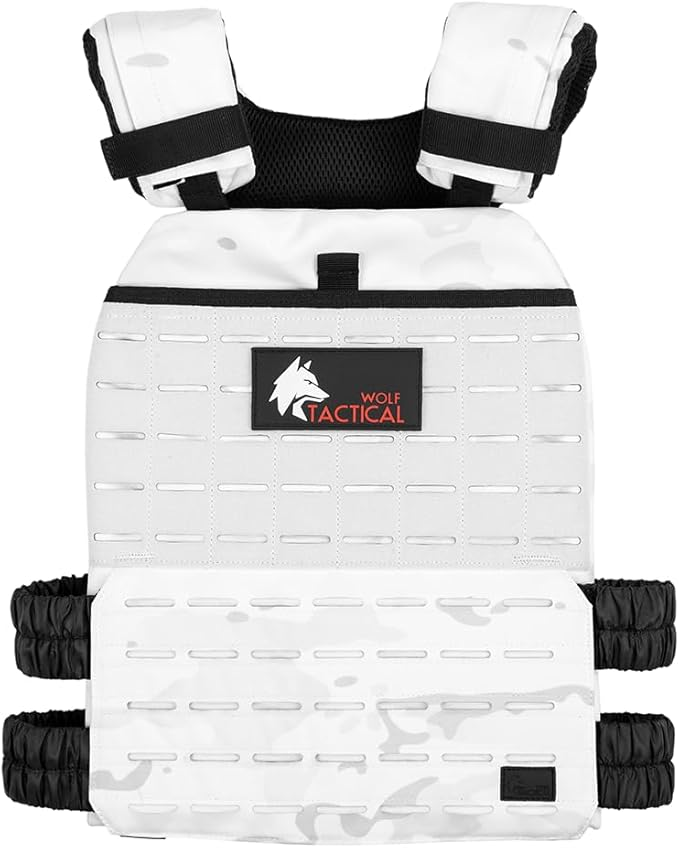
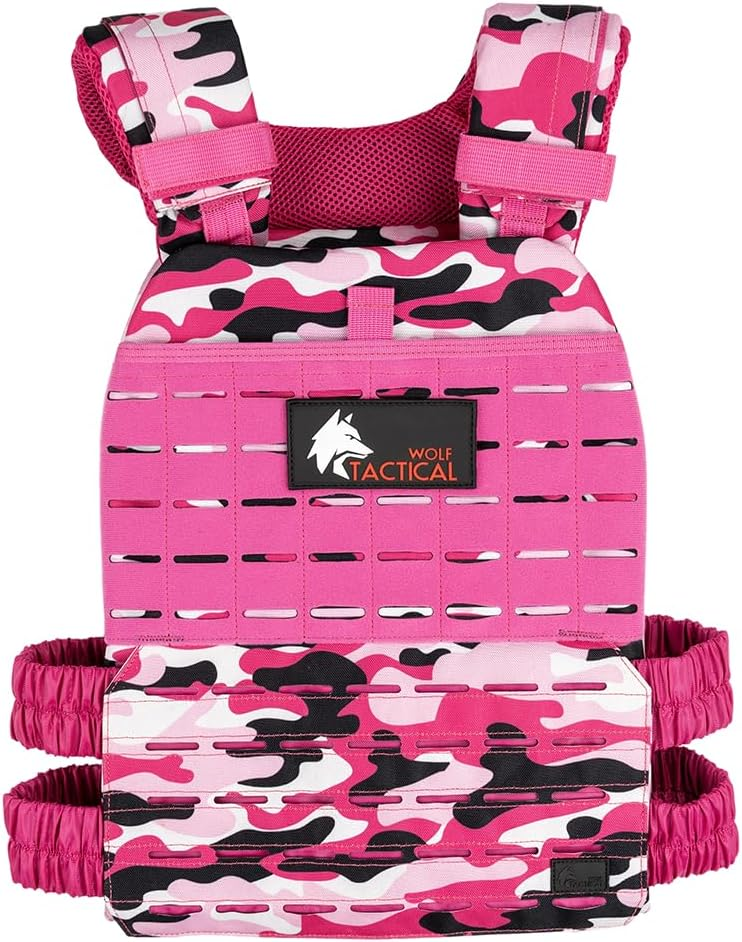
Wolf Tactical Weighted Vest for rucking and workouts
Wolf Tactical Weighted Vest — durable, adjustable, beginner-friendly load for walking and circuits.

Also consider the 5.11 Tactical Unisex TacTec Trainer Weight Vest for a more compression-oriented, training-specific fit:


5.11 TacTec Trainer Weight Vest for tactical training and calisthenics
5.11 TacTec Trainer — snug, performance-driven vest for intense circuits and calisthenics.

How to estimate calorie burn with a tactical vest

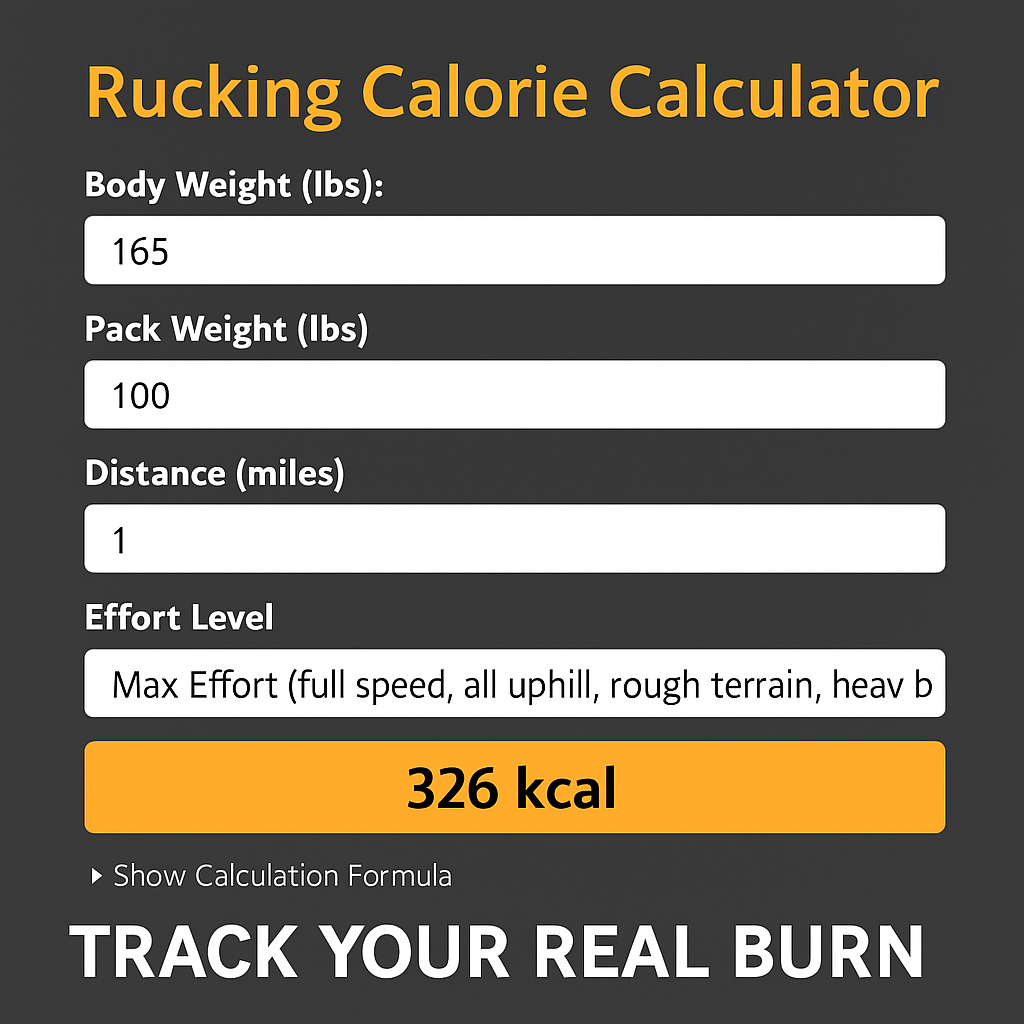
Calories depend on load, pace, terrain, and individual physiology. Use the Rucking Calorie Calculator to get a real estimate for your sessions. Click the image below to try it and dial in your training intensity.


Rucking calorie calculator screenshot

Final practical tips

  • Start light and prioritize movement quality—most gains come from consistency, not max load.
  • Rotate training days: one heavy-load strength or ruck day, one moderate aerobic ruck, one active recovery.
  • Invest in a vest that lets you fine-tune plates or sand to your current goals.

Used correctly, a tactical weighted workout vest is a simple and durable tool to build outdoor fitness while keeping your training straightforward and repeatable.

Posted in Weighted Vest Training | Tagged , , , , | Comments Off on Tactical weighted workout vest: choose, fit, and train smart

Bear KompleX vest: fit, sizing, training tips, and strong alternatives

What to expect from a Bear KompleX vest

The Bear KompleX vest is a plate-carrier style weighted vest designed for conditioning, bodyweight strength, and short-to-mid distance rucks. Like most carriers, it uses front and back plates to center load near the torso—better for posture and breathing than loose sand or soft weights. Expect a snug fit, minimal bounce, and better heat management than a bulky backpack, provided you size and adjust it correctly.

Where this style shines: push-ups, pull-ups, air squats, sled drags, hill repeats, and brisk walks or short runs. If you plan longer walks or uneven terrain, keep loads modest at first and ensure the shoulder straps don’t compress your traps or restrict arm swing.

Sizing and setup

  • Plate choice: Start with 10–20 lb total for conditioning and walking. Move toward 20–30 lb as your weekly volume grows.
  • Fit: Tight enough to prevent bounce without pinching. You should breathe fully and raise arms overhead without digging at the armpits.
  • Heat: Carriers run warm. Prioritize moisture-wicking layers and loosen slightly on hot days.
  • Progression: Add time or distance before adding weight. Your joints will thank you.

Comfortable alternatives and plate options

If you like the Bear KompleX layout but want highly proven comfort for longer sessions, the 5.11 Tactical Unisex TacTec Trainer Weight Vest is known for breathable shoulder padding and secure plate retention—great for mixed calisthenics and ruck-walks.

5.11 TacTec Trainer Weight Vest for comfortable training and rucking
Pro-level comfort, breathable shoulders, and secure plate fit for long sessions.

On a tighter budget, the Wolf Tactical Adjustable Weighted Vest offers a versatile, beginner-friendly setup that’s easy to dial in for walking workouts and interval training.

Wolf Tactical Adjustable Weighted Vest for budget-friendly training and walking
Budget-friendly, adjustable load—great for beginners and walking workouts.

Need to fine-tune load? Pair your carrier with WOLF TACTICAL Weight Vest Plates (pairs) to match your current fitness and progress in small, safe jumps.

WOLF TACTICAL steel weight plates for weighted vests
Durable steel plates that let you adjust weight precisely for training goals.

Simple programming that works

  • Walk/ruck: 20–30 minutes, 2–3x/week, at a conversational pace. Progress to 40–50 minutes before increasing weight.
  • Calisthenics circuit (2–4 rounds): 8–12 push-ups, 8–12 rows or pull-ups, 12–20 squats, 20–30 second plank. Rest 60–90 seconds.
  • Hills or stairs: 10–20 minutes continuous, light load. Focus on posture and steady breathing.

General safety: keep total weekly volume modest as you adapt, especially with running or jumping. If joints or lower back complain, reduce load and build base aerobic volume first.

Estimate your calorie burn

Want to see how a Bear KompleX-style vest changes energy use? Use the Rucking Calorie Calculator (works for weighted vests and backpacks) to estimate burn by body weight, distance, pace, and load.

Rucking and weighted-vest Calorie Calculator screenshot
Use the Rucking Calorie Calculator to estimate burn for weighted-vest walks and runs.

If you prefer a focused overview for vests, check the weighted-vest specific page here: weighted-vest calorie calculator.

Bottom line

A Bear KompleX vest can be an effective, versatile tool—provided it fits well and you progress gradually. If comfort on longer sessions matters most, consider the TacTec; for value and adjustability, look at Wolf Tactical. Start light, keep good posture, and build time before load. That approach keeps training sustainable and results steady.

Posted in Weighted Vest Training | Tagged , , , , | Comments Off on Bear KompleX vest: fit, sizing, training tips, and strong alternatives

How to Use 20lb Weight Vest Plates Safely and Effectively

Why 20lb weight vest plates are useful

Adding a 20lb weight plate to a vest is a simple way to push walking, rucking, and bodyweight conditioning without changing technique. A single 20lb plate shifts load close to your center of mass, preserves natural movement, and makes progressive overload easy: stack plates as you get stronger or swap for smaller increments for finer progress.

Key benefits

  • Predictable incremental load for rucks and walks.
  • Minimal interference with breathing and running mechanics when placed correctly.
  • Durable and transferable between vests and plate carriers.

How to install and carry a 20lb plate

Center the plate on your upper back or chest pocket depending on the vest design so it sits over your thoracic spine. Tighten the vest straps to eliminate shimmy. If you feel strain through the neck or lower back, drop the plate slightly or redistribute mass with a cushioned carrier. Always test new setups with short walks before extending distance.

Checklist before your first loaded walk

  • Confirm the plate is secured and won’t shift when you bend.
  • Wear a base layer that reduces friction so the vest won’t rub blister hotspots.
  • Start with 10–20 minutes at conversational pace to check posture and breathing.
  • Hydrate and fuel appropriately—loaded walks raise energy demands.

Programming with 20lb weight vest plates

Use a plate as a daily or weekly progression tool. Two common progressions: increase time on your loaded walks by 10–20% each week, or add another 10–20lb increment once you can sustain the current load for your target distance without form breakdown. For interval days, keep duration shorter and intensity higher. For endurance days, keep pace steady and monitor joint feedback.

Sample two-week plan

  • Week 1: 3 x 30-minute walks at conversational pace with one 20lb plate.
  • Week 2: 2 x 40-minute walks, 1 x 20-minute interval session (walk/jog) with same plate.

Estimating calorie burn with added weight

Adding a 20lb plate changes the energy cost of a walk. Use the rucking calorie calculator below to estimate session burn and adjust fuel intake. The calculator is optimized for weighted-vest and backpack rucking inputs.

Rucking calorie calculator screenshot

Gear to pair with 20lb plates

A plate is only as useful as the vest or carrier that holds it. Two reliable options for plate users are below—both work well for swapping and stacking plates.

WOLF TACTICAL Weight Vest Plates (pairs) are designed to fit many soft vests and carriers and are compact enough to center on the chest or back without creating a pressure point.


WOLF TACTICAL weight vest plates pair
Durable steel plates sized to fit common weighted vests and plate carriers.

You can also consider the Yes4All Ruck Weight Plate if you want budget-friendly plates intended for ruck-specific use and stacking.


Yes4All ruck weight plate
Affordable ruck plates that work with many carrier systems for progressive loading.

Coaching notes from experience

As an ISSA-certified trainer who used weighted vests and rucking to drop 90 lbs, I recommend starting conservative: the body adapts to load before it adapts to distance. Monitor joint feedback, progress in small steps, and prioritize posture. Plates are a practical, modular tool—you don’t need a full heavy vest to start building lasting strength and calorie burn.

Final practical tips

  • Rotate plate position between sessions to avoid chronic pressure points.
  • Use smaller increments as you approach heavier totals to avoid stalling progress.
  • Inspect plates and carrier hardware periodically for wear.
Posted in Weighted Vest Training | Tagged , , , , | Comments Off on How to Use 20lb Weight Vest Plates Safely and Effectively

Bulldog Weighted Vest: Fit, Durability, and Rucking Use

Bulldog weighted vest — practical review and buying guide

Bulldog-style weighted vests are often a first step for people who want a rugged, utility-first training tool. This guide breaks down fit, comfort, durability, and rucking performance so you can decide whether a Bulldog-style vest meets your needs or if an alternative might serve better.

What to expect from a Bulldog weighted vest

In simple terms, a Bulldog-style vest emphasizes durability and simplicity over trim, athletic fit. Expect heavy-duty nylon or canvas, wide shoulder coverage, and a slot- or pocket-based weight system. That makes these vests excellent for basic conditioning and yard work, and fine for short rucks. But fit and movement comfort vary by brand, so know what to check before buying.

Fit and comfort: the most important factors

When assessing a Bulldog weighted vest, focus on how it distributes weight and how it moves with your shoulders and torso:

  • Shoulder padding and strap width — wider straps reduce pressure on the trapezius during longer walks.
  • Chest adjustment — a secure chest strap stops lateral shift of plates during dynamic work.
  • Torso length — too long will hit the hips; too short will ride up during rucking.

If your priority is beginner comfort or long walk/ruck sessions, consider a vest designed with ergonomic contouring. For a durable, comfortable everyday option, the WOLF TACTICAL Simple Weighted Vest (Men/Women) is a reliable alternative for many users.


WOLF Tactical Simple Weighted Vest for walking and rucking
Durable, low-profile vest good for beginners or daily weighted walks.

Durability and weight system

Bulldog vests typically use sewn pockets or internal sleeves for weight. That keeps the design simple but sometimes limits customization. If you plan to progress weights incrementally, confirm the vest accepts plate-style inserts or individual sand/lead packs. Stitching and fabric denier are obvious durability cues — higher denier nylon and reinforced seams last longer in outdoor conditions.

Using a Bulldog vest for rucking

Bulldog vests can serve as a rucking tool for short, mixed-terrain walks. For long-distance or military-style rucks, moving to a load-bearing rucksack or a plate-compatible vest is more comfortable. When you plan to ruck, monitor hotspots and adjust weight distribution; add chest straps or thin foam pads where pressure concentrates.

How to choose based on training goals

  • Strength-focused: choose plate-compatible systems or heavy-duty vests designed for concentrated loading.
  • Endurance and walking: look for ergonomics and ventilation — slimmer, padded designs reduce chafing.
  • Beginner or general fitness: simple Bulldog-style vests are fine if they fit well and let you increment weight safely.

Estimate your calorie burn with a rucking calculator

Before you buy, estimate how many calories you’ll burn wearing a weighted vest on walks. Use the rucking calorie calculator to plug in weight, vest load, and pace. That helps set practical goals for frequency and weight progression.


Rucking calorie calculator screenshot

Maintenance tips

  • Air-dry after wet sessions to prevent mildew.
  • Check stitching around weight pockets monthly.
  • Replace foam or padding if compressed to the point of causing pressure points.

Bulldog-style weighted vests are a pragmatic choice for many outdoor trainers—durable and straightforward. But prioritize fit and weight system flexibility if you plan to ruck frequently or progress heavily. If comfort is a top priority, compare Bulldog options to ergonomically designed vests like the WOLF TACTICAL Simple Weighted Vest (Men/Women), and always test fit before pushing volume.

Posted in Weighted Vest Training | Tagged , , , | Comments Off on Bulldog Weighted Vest: Fit, Durability, and Rucking Use

How to Use a Weighted Chest Vest for Safer, More Effective Training

Why a weighted chest vest?

A weighted chest vest places load on the front of your torso rather than across the back or shoulders. For athletes and outdoor trainers this offers unique benefits: improved upper-body posture under load, increased anterior chain stimulus during carries and calisthenics, and a smaller profile for confined spaces or layered weather. In this guide I cover fit, programming, safety, and how to estimate calorie burn for chest-focused rucking and walking workouts.

Fit and comfort: what to look for

Front-loading changes pressure points. The right chest vest should sit snug across the sternum without riding up under the chin or restricting full inhalation. Look for adjustable straps and internal plate or sandbag pockets so you can fine-tune load distribution.

  • Start with light plates and test range-of-motion for push-ups, planks, and marching.
  • A breathable vest with compressive panels reduces chafing during longer outings.
  • Ensure the bottom edge doesn’t press on the diaphragm — you need full breathing capacity under load.

Programming a chest-vest session

Because a chest vest moves your center of mass forward, begin with short sessions and simple progressions. A sample beginner plan:

  • Week 1–2: 10–20 minutes of weighted walking at conversational pace, 5–10 lb in the vest.
  • Week 3–4: Add 2–3 sets of 8–12 push-ups and 30–60s planks with the vest on, increase load 5% if technique remains solid.
  • Ongoing: Mix in 30–60 minute rucks or tempo walks with progressive load, swapping to a backpack for longer distances if needed.

Safety and observation

Chest-loaded weight amplifies forward flexion. Keep these checks in place:

  • Monitor neck tension — don’t shrug to compensate for forward mass.
  • Test breathing with the vest before long sessions; reduce load if breathing or speaking is impaired.
  • Use mirrors or a training partner for form cues on push-ups and carries.

Estimating calorie burn

If you want a practical estimate for how many calories a chest-vest session burns, use the rucking calorie calculator. It’s designed for weighted vests and backpack rucking so you can enter weight, pace, and vest load to get a realistic number.

Rucking calorie calculator screenshot

Click the calculator, enter your bodyweight, vest load, pace, and terrain. Use that number to plan weekly energy balance — chest vests often increase anterior chain demand and thus marginally raise caloric cost compared to an unloaded walk.

Product suggestions for chest-vest work

For comfort and adjustability, I favor vests that let you tune front loading and still allow mobility. Two practical options to consider:

Wolf Tactical Adjustable Weighted Vest


Wolf Tactical Adjustable Weighted Vest
Adjustable front and rear pockets for progressive chest-loaded sessions.

5.11 Tactical Unisex TacTec Trainer Weight Vest


5.11 TacTec Trainer Weight Vest
Low-profile fit for functional moves and chest-first loading.

Putting it together

Start light, prioritize breathing and posture, and treat chest-vest training as a complement to full-body strength and aerobic work. Use the rucking calorie calculator to quantify sessions and guide nutrition and recovery. With consistent, measured progression you get the metabolic and strength benefits of weighted training without compromising form.

Quick checklist before a chest-vest session

  • Vest fits snugly and doesn’t restrict breathing.
  • Load is appropriate for tech: increase only if form is solid.
  • You have a short route for initial sessions and a plan for progression.

Train outdoors, stay methodical, and use smart tools to estimate energy cost. A chest vest is a useful option when you want anterior loading with a smaller footprint than a full backpack.

Posted in Weighted Vest Training | Tagged , , , , | Comments Off on How to Use a Weighted Chest Vest for Safer, More Effective Training

Workout Vest Mens: How to Choose and Train with a Weighted Vest

Why men choose a workout vest

A good weighted workout vest lets you add load to everyday conditioning without beating up your joints. It turns walks into calorie-burning sessions, makes bodyweight moves like push-ups and pull-ups more effective, and builds durable strength for the outdoors. For many men, it’s the most practical way to train when time is tight.

How to pick the right men’s weighted vest

Fit and comfort

  • Shoulder comfort: Look for wide, padded straps that don’t dig in. A vest should sit high on the torso and not bounce.
  • Chest clearance: An open chest design keeps the vest out of the way during push-ups, burpees, and pull-ups.
  • Breathability: Mesh panels and quick-dry materials help manage heat on long walks.
  • Adjustability: Side straps should cinch for a snug fit so weight stays close to your center of mass.

Weight and progression

  • Walking: Start with 5–10% of bodyweight. If you’re 180 lb, begin with 10–18 lb.
  • Calisthenics circuits: 5–15% works for most men. Keep the movement quality crisp.
  • Ceiling: Cap loaded walks at ~20% bodyweight until you’ve built months of volume without knee/low-back issues.
  • Progression: Add 2–5 lb or 5–10 minutes of time, not both at once.

Sizing for men

Measure your chest at the widest point and confirm the vest’s size range. A men’s cut should ride above the stomach, sit flat on the upper torso, and allow full arm swing. If you plan to wear it over winter layers, test fit with those layers on.

Simple training template

Use this 3-day plan for four weeks. Keep one day fully unloaded for recovery cardio.

  • Day 1 – Weighted walk: 25–40 minutes at a conversational pace, 5–10% bodyweight.
  • Day 2 – Bodyweight strength (vested): 3 rounds of 8–12 push-ups, 6–10 inverted rows or pull-ups, 10 step-ups/leg, 20 walking lunges (total), 30-second front plank. Rest 60–90 seconds between movements.
  • Day 3 – Unloaded zone 2: 30–50 minutes brisk walk or easy cycle for recovery.

Warm up with 5 minutes easy walking and arm swings. Keep posture tall, ribs down, and don’t lean forward under load.

Estimate your calorie burn

To plan weight loss or just understand training impact, estimate energy expenditure with this tool. Select walking pace, enter vest weight as added load, and compare sessions.

Try the Rucking Calorie Calculator

Screenshot of the Rucking Calorie Calculator for weighted vests and rucking
Use the calculator to estimate calories burned with your vest based on pace, distance, time, and weight.

Recommended men’s workout vests

Wolf Tactical Adjustable Weighted Vest

The Wolf Tactical Adjustable Weighted Vest is a solid men’s pick for comfort and versatility. It cinches tight, breathes well, and scales from beginner to intermediate loads.

Wolf Tactical Adjustable Weighted Vest for men
Secure, breathable, and adjustable—great for walking, circuits, and everyday conditioning.

5.11 TacTec Trainer Weight Vest

The 5.11 TacTec Trainer Weight Vest is rugged and streamlined with excellent shoulder comfort and chest clearance—ideal for push-ups, pull-ups, and fast transitions.

5.11 TacTec Trainer Weight Vest for men
Durable, open-chest design that stays put under intensity and longer walks.

Safety and recovery

  • Build volume gradually; if your joints bark, reduce load or time before you tweak intensity.
  • Keep steps short and cadence steady; avoid running in a vest until walking volume is easy.
  • Hydrate and cool-down walk 5 minutes; light calf and hip flexor stretching post-session.

Stick to quality reps, sensible progress, and consistent sessions, and your workout vest will pay off in strength, stamina, and sustainable fat loss.

Posted in Weighted Vest Training | Tagged , , , , , | Comments Off on Workout Vest Mens: How to Choose and Train with a Weighted Vest

Women’s weight vest for osteoporosis: safe bone-strength rucking and walking

Why a women’s weight vest can help osteoporosis

For women with low bone density, targeted, weight-bearing activity is one of the most reliable ways to stimulate bone remodeling. A properly fit weight vest lets you add axial load through everyday walking or short rucks without dramatically changing gait mechanics. That steady mechanical stimulus—when dosed correctly—supports bone strength while remaining low-impact compared with high-force jumps or heavy barbell lifts.

Start with safety: medical clearance and movement quality

Before you add external load, get clearance from your healthcare provider. Osteoporosis protocols vary by severity and fracture history. Once cleared, prioritize posture, balance, and controlled pace. Poor form or sudden increases in weight raise fall and fracture risk.

Practical progression for bone health

This progression is conservative and built for adherence. Aim for 2–4 sessions a week, focusing on steady walking, short hills, and posture drills rather than speed. Keep each session 20–45 minutes depending on your conditioning.

  • Week 1–2: Bodyweight walking only, 15–20 minutes, practice tall posture.
  • Week 3–4: Add 2–4 lb in a vest or light ruck plates, 20–30 minutes, emphasize heel-to-toe steps.
  • Month 2–3: Gradually increase to 5–10% of bodyweight only if balance and comfort are excellent. Keep volume steady.
  • Ongoing: Prioritize consistency—regular moderate loading is more effective and safer than occasional heavy sessions.

Vest selection for women with osteoporosis

Choose a vest that fits snugly, centers weight low on the torso, and allows easy adjustment. For many women starting with bone health goals, soft but structured vests with small, evenly distributed loading are ideal. They reduce pressure points and keep load close to your center of mass, helping stability on uneven surfaces.

Recommended starter option:

Wolf Tactical Simple Weighted Vest (Men/Women) is a beginner-friendly choice—adjustable, low-profile, and comfortable for walking-based bone loading.


Wolf Tactical Simple Weighted Vest for walking and bone health
Comfortable, adjustable vest for low-impact, bone-building walks and rucks.

Session structure and cues

Keep sessions simple and measurable. Warm up with 5–10 minutes of easy walking and mobility for hips and shoulders. During the main set, use these cues:

  • Upright torso, neutral pelvis.
  • Short, confident steps—avoid overstriding.
  • Controlled breathing and brisk cadence comfortable for conversation.

Finish with 5–10 minutes of balance work and calf/hip strengthening. These small extras reduce fall risk and complement bone-loading work.

Track load and energy with a simple calculator

Use a rucking calorie calculator to estimate session intensity and make sure you’re not overreaching as you add weight. Click the screenshot below to open the calculator and check how your added vest weight changes energy cost.


Rucking calorie calculator screenshot

Key takeaways

When used carefully, a women’s weight vest for osteoporosis can be an effective, low-impact way to apply bone-building load during walking. Start light, prioritize balance and posture, progress slowly, and use a trusted vest that fits well. If you have a history of fractures or balance problems, work with a clinician or qualified trainer to individualize the plan.

Posted in Weighted Vest Training | Tagged , , , , | Comments Off on Women’s weight vest for osteoporosis: safe bone-strength rucking and walking

Omorpho G Vest: Who It’s For, How to Train, and Alternatives

What is the Omorpho G Vest?

The Omorpho G Vest is a micro-weighted training vest designed to make everyday movement a little harder—without feeling bulky. Instead of slotting heavy plates, it spreads a light load around your torso so you can sprint, walk, lift, or do agility work with better balance and minimal bounce. If you want a subtle challenge you can wear on runs, stairs, mobility flows, and short walks, it’s a smart concept.

Who the Omorpho G Vest is (and isn’t) for

  • Great for: runners, field-sport athletes, and beginners who want to layer in microloading (a few extra pounds) to boost cardiovascular demand and movement quality.
  • Also useful for: desk-bound walkers looking to make 20–40 minute walks more productive without stressing the joints.
  • Not ideal for: those seeking big strength gains or maximal calorie burn via heavy loading. For that, a plate-carrier style vest with adjustable plates is the better tool.

How to train with a micro-weighted vest

Starter plan (2–3 weeks)

  • Brisk walk: 20–30 minutes, 3–4 days/week. Keep posture tall, ribcage down, and stride quick.
  • Movement prep: 5 minutes of ankle rocks, hip openers, and T-spine rotations pre-walk.
  • Micro-circuits: 2–3 rounds of 10 squats, 8 incline push-ups, 10 reverse lunges (each leg) after your walk.

Build phase

  • Increase walk time by 10% per week (or add a gentle hill).
  • Progress circuits by adding 1 rep per week or one extra round.
  • Keep one low-intensity day (easy walk only) for recovery.

Because the load is light, the goal is frequency and consistency. Accumulate sessions and let the added weight subtly raise heart rate and muscular endurance without beating you up.

Alternatives if you need adjustable load

If you outgrow microloading and want a vest that scales from easy conditioning to serious strength work, move to an adjustable plate carrier. Two dependable options are below.

The Wolf Tactical Adjustable Weighted Vest offers a stable fit with a snug profile for walking, rucking, and metcons.

Wolf Tactical Adjustable Weighted Vest for walking and rucking
Adjustable plate vest for comfortable, scalable loading from easy walks to metcons.

For premium comfort under higher loads, the 5.11 Tactical Unisex TacTec Trainer Weight Vest is a proven pick for long sessions and dynamic training.

5.11 TacTec Trainer Weight Vest for WODs and rucking
Premium comfort and stability under higher loads; great for long sessions.

Both options accept different plate weights, letting you progress from light conditioning to 20–45 lb sessions for greater strength and calorie burn.

Estimate your calorie burn with a weighted vest

Curious how much energy your sessions demand? Use this calculator to estimate calories burned by pace, distance, bodyweight, and load. It works great for weighted-vest walks and runs.

Rucking calorie calculator screenshot
Estimate calories burned with weighted-vest walks or rucks.

Fit and safety tips

  • Wear the vest snug so it doesn’t bounce; you should breathe fully without pinching.
  • Layer a moisture-wicking shirt to prevent hot spots.
  • Add volume gradually (no more than 10–15% weekly) and keep one easy day.
  • If joints get cranky, shorten stride, slow the pace, or return to flat ground.

Bottom line

The Omorpho G Vest shines when you want a barely-there boost to everyday movement, runs, and skill work. When you need more load for strength and fat loss, step up to an adjustable plate carrier. Start light, train consistently, and progress on purpose.

Posted in Weighted Vest Training | Tagged , , , , , | Comments Off on Omorpho G Vest: Who It’s For, How to Train, and Alternatives

20 Pound Weighted Vest: How to Use It for Rucking, Walking, and Fat Loss

Why choose a 20 pound weighted vest?

A 20 pound weighted vest is a practical, manageable load for most beginners and intermediate athletes who want to add intensity to walks, rucks, hill work, and bodyweight conditioning. It increases ground reaction forces, forces the posterior chain to work harder, and raises heart rate without changing your mechanics as much as heavy backpack loading.

Primary benefits

  • Consistent calorie burn increase without lengthy workouts.
  • Builds walking- and rucking-specific strength while keeping hands free.
  • Easy to progress: increase time, pace, or switch to a heavier vest later.

How to use a 20 lb vest safely

Start by treating the 20 lb vest like an external training variable. If you normally walk 30–60 minutes, add the vest for shorter sessions first (10–20 minutes) and increase by 5–10 minutes each week. Pay attention to posture: chest up, shoulders neutral, and avoid over-striding. Keep cadence steady and controlled.

Sample progression (4 weeks)

  • Week 1: Two 15-minute walks with the vest, easy pace.
  • Week 2: Three 20-minute walks or one 40-minute walk moderate pace.
  • Week 3: Two 30-minute walks, add gentle hills or a loaded stair climb.
  • Week 4: One 45–60 minute ruck or two 30-minute sessions with higher cadence.

Workouts that pair well with a 20 lb vest

Don’t treat the vest like a weighted ankle—integrate it into functional sessions.

  • Rucking walks: 30–60 minutes, moderate pace, focus on consistent breathing.
  • Interval hill repeats: 8–10 short hill sprints (20–45 seconds) with recovery walks.
  • Bodyweight circuits: push-ups, pull-ups, split squats—vest adds intensity to every movement.

Estimating calorie burn

Calorie burn depends on weight, pace, terrain, and the added 20 lb load. The easiest, most reliable way to get a tailored estimate is with a rucking calorie calculator. Use this tool to plug in your bodyweight, pace, and vest load and see an immediate estimate.

Rucking calorie calculator screenshot

Click the calculator above to fine-tune session planning and daily energy needs. It’s the simplest way to decide how many sessions per week will support fat loss or maintenance.

Choosing gear for comfort and long sessions

Fit counts. For everyday walking and rucking with 20 lb, favor a vest that spreads load across the torso and doesn’t allow pockets to shift.


WOLF TACTICAL Simple Weighted Vest for walking and rucking
WOLF TACTICAL Simple Weighted Vest — comfortable, modular fit for 20 lb sessions.

Consider the WOLF TACTICAL Simple Weighted Vest for beginner-friendly comfort and adjustability during walks and circuits.


CamelBak Motherlode hydration backpack for long rucks
CamelBak Motherlode — hydration and storage for longer rucks with a 20 lb vest.

If you plan longer rucks or mix backpack load and vest work, the CamelBak Motherlode offers hydration and cargo space without compromising movement.

Final tips

  • Prioritize gradual progression and recovery—20 lb is a significant chronic stressor when used frequently.
  • Mix weighted walks with unweighted mobility and strength sessions to maintain joint health.
  • Use the calorie calculator above to plan sessions that align with your goals.

With consistent, measured use a 20 pound weighted vest is one of the most efficient tools to raise training density and burn more calories while staying outdoors and moving functionally.

Posted in Weighted Vest Training | Tagged , , , , | Comments Off on 20 Pound Weighted Vest: How to Use It for Rucking, Walking, and Fat Loss

Training Vest Womens: fit, comfort, and practical training advice

Training vest womens: how to pick a vest that actually works

Choosing a training vest for women isn’t just about color or looks — it’s about fit, load distribution, and how the vest integrates with your workouts and daily life. This guide gives straightforward, field-tested advice on what to prioritize when buying a vest for walking, rucking, or strength-based wearable training.

Why fit matters more than advertised weight

A vest that slips, rubs, or bounces will ruin a training session faster than it will help you progress. For women, a vest designed with narrower torso shaping, adjustable straps, and low-profile plates creates a better center of gravity and less shoulder strain. Look for a vest that lets you tighten across the chest and around the waist independently.

Key features to evaluate

  • Adjustability: Multiple straps and plate pockets let you tune fit for different clothing layers.
  • Weight distribution: Low, centered plates feel more natural for walking and rucking.
  • Padding and materials: Breathable mesh and flat seams reduce chafing.
  • Range of motion: You should be able to lift your arms, swing your march, and carry a ruck without restriction.

Practical recommendations for women starting with a training vest

Start light. If you’re new to weighted work, add 5–10% of your bodyweight across a vest or begin with a small 4–10 lb vest for walking intervals. Progress by adding weight in 2–5 lb increments and increase distance or time before upping load.

For a comfortable everyday option that adapts to walking and longer rucks, consider the WOLF TACTICAL Simple Weighted Vest (Men/Women) which balances adjustability and low-profile fit.


Wolf Tactical simple weighted vest for women and men, low-profile and adjustable
Adjustable, low-profile vest built for walking and rucking comfort.

If you prefer a softer, beginner-friendly option in smaller increments, the BAGAIL Adjustable Weighted Vest (4–10 lb, pink) is a simple choice for short walks and conditioning sessions.


BAGAIL adjustable pink weighted vest for women 4-10 lb
Beginner-friendly, lightweight vest to ease into weighted walking.

Programming tips

  • Week 1–2: 10–20 minute walks with minimal weight to adapt joints and posture.
  • Week 3–6: Build to 30–60 minutes, add small weight increases or hill work.
  • Ongoing: Cycle heavier weeks and easier recovery weeks; prioritize form and pain-free movement.

I train and write from field experience: I’m Preston Shamblen, an ISSA-certified trainer — I lost 90 lbs using progressive rucking, weighted-vest work, and disciplined nutrition. For women starting a training vest program, the same fundamentals apply: start conservative, prioritize fit, and build consistency.

Estimate calorie burn for your walks

Knowing how many calories you burn helps you plan recovery and nutrition. Use this simple rucking calorie calculator to estimate how much energy you expend wearing a training vest during a walk or ruck.


Rucking calorie calculator screenshot
Estimate calories burned carrying a training vest or ruck—use the calculator to plan sessions.

Final checklist before you buy

  • Try it on with the clothing you’ll train in; mimic your typical walk to test for bounce.
  • Confirm plate sizes and whether the vest supports incremental loading you’ll need.
  • Plan a 4–6 week progression that increases time or load slowly.

With the right fit and a conservative progression, a training vest can be an incredibly reliable tool for steady fat loss and long-term conditioning. Focus on fit first, then add weight — the results follow when you do the work consistently.

Posted in Weighted Vest Training | Tagged , , , , | Comments Off on Training Vest Womens: fit, comfort, and practical training advice